Aqviz

How to Save for a Down Payment Effectively

Saving for a down payment is the initial financial step required when purchasing a home, reports TPG Management experts. It involves setting aside a lump sum, usually expressed as a percentage of the home’s purchase price, to be paid upfront. Typically, a down payment ranges from 3% to 20%, with 20% being the standard amount needed to avoid private mortgage insurance (PMI). Effectively accumulating these funds requires strategic planning and disciplined saving habits. Without a clear plan, the process can feel overwhelming, but a structured approach can help maintain focus and motivation.

The amount needed for a down payment varies depending on the loan type and the price of the home. For example, conventional loans generally require between 3% and 20% down, while government-backed loans like FHA and VA have different minimum requirements. The timeline and method for saving depend on individual income, expenses, and financial goals, making it essential to create a tailored approach to reach the target amount efficiently. Understanding one’s personal financial landscape allows for adjustments as circumstances change, making the saving process more adaptable and realistic.

Adopting a combination of savings strategies can make the process more manageable. Automating transfers to a high-yield savings account, auditing budgets to reduce discretionary spending, and exploring down payment assistance programs are proven methods. These approaches help ensure consistent progress toward the down payment goal, improve loan qualification prospects, and reduce the financial burden of homeownership. Establishing milestones and regularly reviewing progress can also enhance motivation and offer opportunities to refine saving tactics as needed.

Understanding Down Payment Requirements

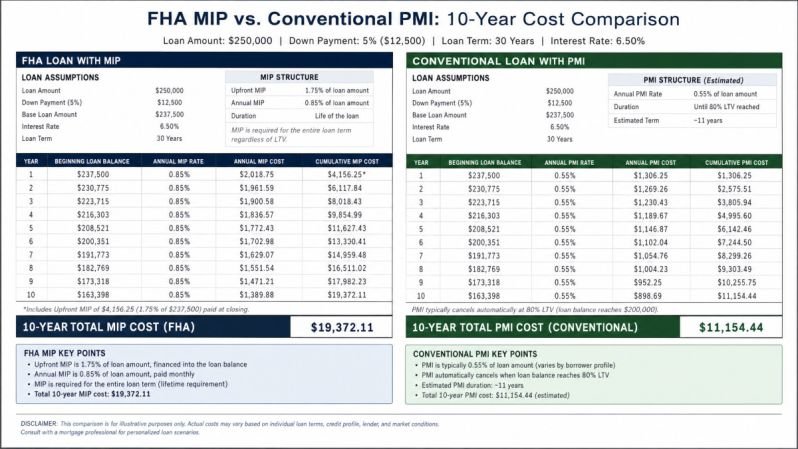
Down payment requirements depend largely on the type of mortgage loan chosen and the borrower’s financial circumstances. Conventional loans typically require between 3% and 20% down. For those able to put 20% down, private mortgage insurance (PMI) can be avoided, reducing monthly payments. FHA loans require a minimum down payment of 3.5% for borrowers with credit scores above 580 and 10% for those with lower scores. VA and USDA loans often offer no down payment options for eligible buyers.

The percentage required translates directly into the amount of money needed upfront. For instance, on a $400,000 home, a 20% down payment amounts to $80,000, while a 3% down payment for a conventional loan would be $12,000. Understanding these requirements helps buyers plan realistically and explore loan options that fit their financial capabilities and long-term objectives.

In addition to loan type and credit score, lenders may consider other factors such as employment history and savings history when determining down payment requirements. Some loans may also have specific stipulations related to borrower income or property type, which can influence the minimum necessary down payment. Being aware of these nuances allows prospective buyers to better prepare and align their saving strategies with lender expectations.

Moreover, the size of the down payment not only affects upfront costs but also influences monthly mortgage payments and overall loan affordability. A larger down payment typically results in lower monthly payments and can improve loan terms, while a smaller down payment might increase overall loan costs due to added fees or insurance requirements. Careful consideration of these trade-offs is vital when setting a down payment goal.

Strategies for Saving Effectively

One of the most reliable ways to save for a down payment is to automate the process. Setting up a fixed monthly transfer to a dedicated high-yield savings account immediately after receiving a paycheck ensures consistent contributions without relying on memory or willpower. High-yield savings accounts typically offer annual percentage yields (APY) between 4% and 5%, significantly higher than traditional savings accounts, which often yield less than 0.1%.

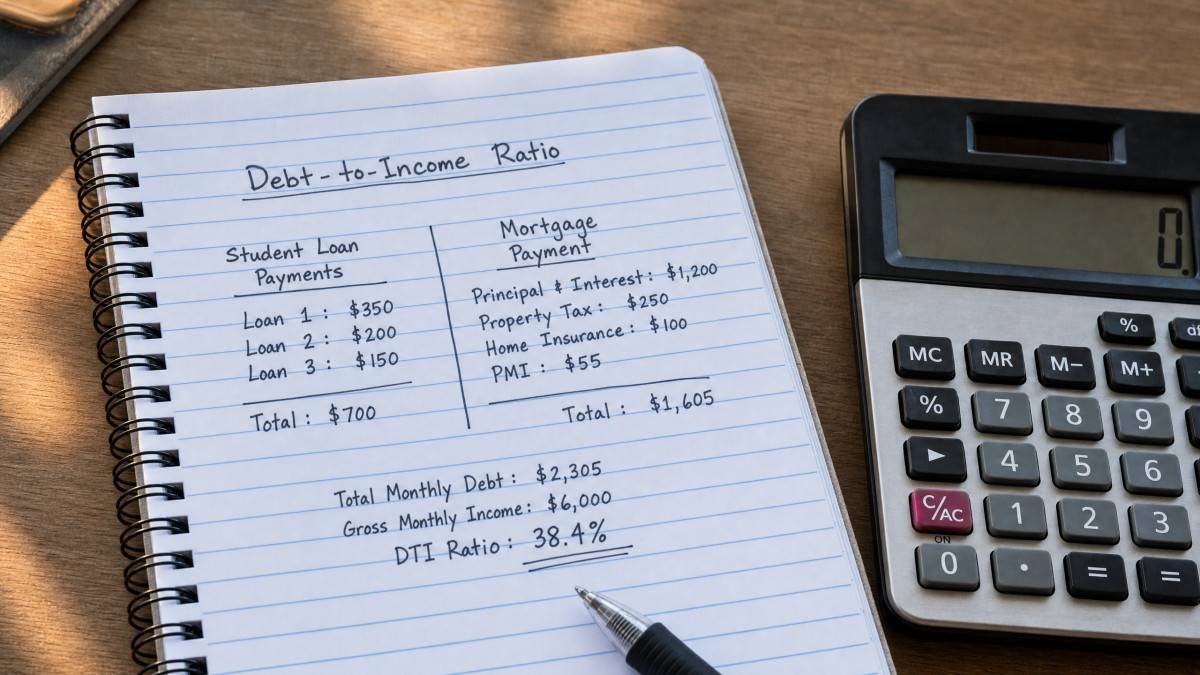
Alongside automation, conducting a thorough budget audit to identify and reduce discretionary spending can free up additional funds to allocate toward savings. Increasing income through side jobs, overtime hours, or bonuses can also accelerate the saving timeline. Reducing existing debt lowers the debt-to-income ratio, which improves loan qualification chances and may allow more funds to be directed toward a down payment.

Another effective strategy is to take advantage of windfalls such as tax refunds, work bonuses, or monetary gifts by directing these funds straight into the down payment savings account. This can provide substantial boosts to the overall savings balance. Setting realistic, incremental savings milestones and celebrating each achievement can help maintain motivation throughout the process.

It is also helpful to separate the down payment savings from everyday checking accounts to avoid the temptation of spending these funds. Using tools like budgeting apps or financial tracking software can give clear visibility into progress, helping to adjust saving rates or spending habits if necessary. Staying disciplined and consistent in saving efforts is key to reaching the goal in a timely manner.

Comparing Loan Types and Down Payment Requirements

Different loan types have varying down payment requirements and eligibility criteria. Conventional loans are flexible, requiring from 3% up to 20% down, but they may require PMI if less than 20%. FHA loans are popular among first-time buyers, requiring 3.5% down for eligible credit scores, with higher requirements for lower scores. VA and USDA loans stand out by offering zero down payment options, but applicants must meet military service or geographic criteria.

Choosing the appropriate loan type influences how much a buyer needs to save and affects overall affordability. Understanding these differences is essential for efficient planning and ensuring the down payment aligns with the borrower’s financial situation and loan eligibility.

Jumbo loans, which are used for loan amounts exceeding conforming loan limits, typically require higher down payments ranging from 10% to 20%. These loans generally demand stronger credit profiles and financial reserves. Prospective buyers considering luxury or high-cost properties should factor in these elevated requirements when setting their savings goals.

Additionally, some loans offer special programs or incentives designed to reduce down payment barriers, such as first-time homebuyer programs or community lending initiatives. Researching these options can help identify opportunities to minimize upfront costs and expand financing possibilities. It is advisable to consult with mortgage professionals to understand which loan type best suits individual financial situations and homeownership goals.

Loan Types and Typical Down Payment Requirements
Loan Type Minimum Down Payment PMI Requirement Eligibility Factors
Conventional 3% – 20% Yes, if under 20% Credit score, income, debt-to-income ratio
FHA 3.5% (580+ score)
10% (500-579 score)
Mortgage insurance required Credit score, first-time buyers favored
VA 0% No PMI Eligible veterans and active military
USDA 0% No PMI Rural areas, income limits apply
Jumbo 10% – 20% Typically required High loan amounts, strong credit required
how-to-save-for-a-down-payment-effectively-2
Setting up a recurring automatic transfer to a high-yield savings account earning 4–5% APY ensures that down payment savings grow consistently while also benefiting from compound interest over the accumulation period.

Utilizing Down Payment Assistance Programs

Down payment assistance (DPA) programs offer grants, low-interest second mortgages, or forgivable loans to eligible buyers, particularly first-time homebuyers. Many states and local governments provide such programs, often with income limits and other qualifying criteria. These resources can alleviate the upfront cost burden and make homeownership accessible to those with limited savings.

Employers may also offer down payment assistance as part of benefits packages. Combining DPA with personal savings and gift funds from family members can significantly reduce the amount a buyer needs to save independently. Understanding program requirements and application processes is important to maximize these opportunities and incorporate them into a comprehensive saving strategy.

Some DPA programs are designed to be combined with specific loan types, such as FHA or conventional loans, which can broaden eligibility and ease qualification. It is advisable to research local programs thoroughly, as availability and terms can vary widely by region. Early engagement with housing counselors or nonprofit organizations can provide valuable guidance and help identify all assistance options.

Beyond financial aid, certain programs may offer education and counseling services to prepare buyers for the responsibilities of homeownership. These resources enhance borrower readiness and increase the likelihood of successful loan repayment and long-term stability. Taking advantage of such holistic support can lead to better outcomes for first-time and repeat homebuyers alike.

Calculating Timeline and Setting a Saving Goal

Establishing a clear goal and timeline for saving a down payment provides motivation and structure. Dividing the target amount by the monthly savings contribution derives the number of months needed to reach the goal. For example, saving $40,000 at $1,000 per month requires 40 months, or about 3.3 years. Adjusting monthly savings or the target down payment can shorten or lengthen this timeline.

Including closing costs in the budget is essential, as they typically add 2% to 5% of the purchase price in upfront expenses. Allocating funds for these costs prevents surprises during home purchase. Tracking progress regularly helps identify if savings are on pace or if adjustments are needed. This disciplined approach supports meeting financial objectives within a realistic timeframe.

Setting intermediary milestones along the way can help maintain motivation and allow for reassessment of goals. For instance, marking progress every quarter or year provides an opportunity to celebrate achievements and make any necessary course corrections. Flexibility is important as unexpected expenses or changes in income may require revising the savings plan.

It is also prudent to factor in inflation and potential changes in home prices when calculating the timeline. Market fluctuations can affect the required down payment amount, so regularly reviewing real estate trends can help anticipate adjustments in savings targets. Remaining adaptable while maintaining steady contributions ensures ongoing progress toward homeownership.

Frequently Asked Questions

What is the minimum down payment required for different loan types?

The minimum down payment varies by loan type. Conventional loans usually require at least 3%, FHA loans require 3.5% for borrowers with credit scores above 580, and VA and USDA loans may require no down payment for eligible applicants. Jumbo loans typically require 10% or more. It is important to consider that some programs targeting first-time buyers might offer reduced down payment options as well.

When is private mortgage insurance (PMI) required?

PMI is generally required for conventional loans when the down payment is less than 20% of the home’s purchase price. It protects the lender in case of default and increases monthly mortgage costs until sufficient equity is built. Once the borrower reaches 20% equity in the home, PMI can often be removed, lowering monthly payments.

What is the best type of account to save for a down payment?

A high-yield savings account (HYSA) is often the best option for down payment savings because it offers better interest rates than traditional savings accounts, typically between 4% and 5% APY. This helps the savings grow faster while keeping funds accessible. Additionally, HYSAs are usually federally insured, providing safety for the deposited funds.

Can gift funds be used for a down payment?

Yes, most loan programs, including FHA and conventional loans, allow the use of gift funds from family members. A gift letter documenting that the funds are non-repayable is usually required by lenders to verify the source. Some lenders may have specific guidelines on who can provide gift funds and the documentation needed.

Are down payment assistance programs widely available?

Down payment assistance programs are offered in most states and many local jurisdictions, primarily targeting first-time buyers. These programs can provide grants or low-interest loans to help cover the down payment and sometimes closing costs, subject to income and eligibility criteria. Availability and terms vary, so researching local options is essential for maximizing benefits.

Conclusion

Saving for a down payment effectively requires a combination of informed planning, disciplined saving habits, and knowledge of available resources. Understanding the specific down payment requirements tied to different loan types helps set realistic goals. Using automation and high-yield savings accounts ensures steady growth of funds while minimizing reliance on willpower. Conducting budget audits and exploring additional income streams can accelerate the timeline. This multifaceted approach empowers buyers to build savings steadily despite financial challenges.

Additionally, exploring down payment assistance programs and gift funds can substantially reduce the amount needed from personal savings. Calculating a clear timeline and factoring in closing costs ensures preparedness when purchasing a home. By employing these strategies consistently, prospective buyers can navigate the financial demands of homeownership more confidently and efficiently. Careful preparation and ongoing commitment are key to turning the dream of owning a home into reality.

Understanding Adjustable-Rate Mortgages (ARMs): Key Features Explained

An adjustable-rate mortgage (ARM) is a home loan with an interest rate that changes periodically after an initial fixed-rate period, explains TJC Real Estate solutions. This structure causes monthly payments to vary over time, differing from a fixed-rate mortgage where the interest stays the same throughout the loan term. ARMs often start with lower interest rates compared to fixed-rate loans, making them appealing for certain borrowers depending on their financial plans and market conditions.

The defining characteristic of an ARM is its two-phase interest rate system. During the initial fixed period, the interest rate remains stable, providing predictable payments. After this phase ends, the rate adjusts at regular intervals based on a market index plus a margin determined by the lender. These adjustments can lead to either increases or decreases in monthly payments, depending on market rates and the loan agreement’s cap limits.

Understanding how ARMs are structured and how their interest rates are calculated is vital before committing to one. Different ARM types have varying fixed periods and adjustment frequencies, influencing the loan’s risk and affordability. Borrowers should also be aware of rate caps, which limit how much the interest rate can change over time. This knowledge helps evaluate whether an ARM suits an individual’s financial situation or long-term homeownership plans.

Many borrowers are attracted to ARMs because of their initial affordability and potential for savings, especially in environments where interest rates are expected to remain stable or decline. However, it is crucial to weigh the potential benefits against the risks associated with payment variability in the future. The choice between an ARM and a fixed-rate mortgage often hinges on personal circumstances such as the length of time one plans to remain in the home and their tolerance for financial uncertainty.

Additionally, the evolving landscape of financial markets can influence the attractiveness of ARMs. When market indexes fluctuate due to economic changes, the rates on ARMs will reflect these shifts, which means borrowers need to stay informed about economic trends to anticipate possible changes in their mortgage costs. This dynamic nature of ARMs makes them a more complex but potentially rewarding financing option for certain homebuyers.

ARM Structure and Interest Rate Calculation

An adjustable-rate mortgage is typically described using a two-number format such as 5/1 ARM, where the first number represents the initial fixed-rate period in years, and the second number indicates how often the rate adjusts thereafter. For example, a 5/1 ARM means the interest rate is fixed for five years and then adjusts annually. Other common types include 7/1 and 10/1 ARMs, and sometimes 5/6 ARMs, which adjust every six months after the fixed period.

After the initial fixed phase, the interest rate is determined by adding a margin to a chosen index. The index is a market benchmark rate, such as the Secured Overnight Financing Rate (SOFR), which reflects current market conditions. The lender’s margin is a fixed percentage, usually between two and three percent, representing their profit. For instance, if the SOFR is 4% and the margin is 2.5%, the new interest rate becomes 6.5%. This combined rate dictates subsequent payment amounts until the next adjustment.

The process of calculating the adjusted interest rate involves reviewing the current value of the index on the adjustment date and applying the predetermined margin. Borrowers should understand that while the index fluctuates with market conditions, the margin remains constant for the life of the loan. This means that even if the index rate falls, the minimum interest rate will not drop below the sum of the margin and the index, unless a floor rate is specified.

Moreover, the timing of adjustments and the frequency can greatly affect the total interest paid over the life of the loan. Some ARMs allow adjustments annually, while others may adjust semi-annually or at other intervals, adding complexity to future payment planning. It is also important to note that some ARMs may offer initial teaser rates or introductory rates that are below the fully indexed rate, which can increase significantly once the fixed period ends.

Rate Caps and Protections in ARMs

Rate caps are limitations placed on how much an ARM’s interest rate can increase during certain periods, providing borrowers some protection against large payment shocks. These caps come in three forms: initial adjustment caps, periodic adjustment caps, and lifetime caps. The initial cap limits the rate increase at the first adjustment after the fixed period, often ranging from two to five percent. This cap helps prevent sudden steep increases immediately after the fixed phase ends.

The periodic cap restricts the amount the rate can change at each subsequent adjustment, commonly between one and two percent. Finally, the lifetime cap is the maximum total increase allowed over the life of the loan, typically five or six percent above the initial rate. Caps are often presented in a three-number format, such as 2/2/5, indicating the initial, periodic, and lifetime caps respectively. These features play a critical role in managing long-term risk for borrowers.

In addition to caps, some ARMs include rate floors that set the minimum interest rate, preventing the rate from falling below a certain level regardless of how low the index drops. This ensures lenders maintain a baseline return on their loan. Borrowers benefit from caps by having a ceiling on potential payment increases, which can aid in budgeting and financial planning. However, even with caps, the possibility of rising payments underscores the importance of understanding the terms fully before proceeding.

Borrowers should also be aware of margin adjustments in some ARMs, which might be subject to change under certain loan agreements. Though less common, these adjustments can impact the overall cost of borrowing. Knowing the exact terms around caps and margins can help borrowers anticipate the worst-case scenario and decide if the ARM fits their comfort level with financial risk.

Feature Description Typical Range
Initial Fixed Period Duration with fixed interest rate before adjustments begin 3 to 10 years (commonly 5, 7, or 10 years)
Adjustment Frequency How often the interest rate changes after the fixed period Every 6 months to annually
Index Market-based benchmark rate used to determine new interest rate SOFR (Secured Overnight Financing Rate)
Margin Fixed percentage added to index by lender 2% to 3%
Rate Caps (Initial/Periodic/Lifetime) Limits on interest rate increases during adjustments 2/2/5 or 5/2/5 (percent)

Advantages and Disadvantages of Adjustable-Rate Mortgages

Adjustable-rate mortgages offer certain advantages that may appeal to specific borrowers. One key benefit is the lower initial interest rate compared to fixed-rate mortgages, resulting in smaller initial monthly payments. This can improve affordability during the early years of homeownership, especially when prevailing fixed rates are high. ARMs are also beneficial for borrowers planning to sell or refinance before the adjustable period begins, allowing them to take advantage of lower rates without exposure to future increases.

However, ARMs come with notable disadvantages. Payment uncertainty after the fixed period can pose budgeting challenges, as interest rates may rise significantly. The complexity of ARM terms, including understanding indexes, margins, and caps, can be confusing for many borrowers. Additionally, there is refinancing risk: if interest rates rise or a borrower’s financial situation worsens, refinancing to a fixed-rate loan may not be feasible or affordable, potentially leading to higher payments or default risk.

Another advantage of ARMs is their potential for savings when market interest rates decline. Unlike fixed-rate mortgages, ARMs can adjust downward, which may reduce monthly payments during periods of falling rates. This flexibility can be appealing to borrowers who expect interest rates to decrease or remain stable over time. Moreover, the lower initial payments could allow homeowners to allocate funds toward other financial goals, such as investments or home improvements.

On the downside, the unpredictability of future payments can cause stress or financial strain, especially if rates increase rapidly or significantly. Borrowers who do not have sufficient financial buffers may struggle to meet higher monthly obligations. Moreover, the complexity of ARM contracts requires careful review and understanding, often necessitating professional advice to avoid surprises. The potential for negative amortization in certain ARM types, where payments do not cover accrued interest leading to increased loan balances, is another risk to consider.

understanding-adjustable-rate-mortgages-arms-key-f-2
The ARM disclosure document’s rate cap table — showing the first adjustment cap, periodic cap, and lifetime cap — is the most critical section for borrowers to review before accepting an adjustable-rate loan.

Who Should Consider ARMs and Who Should Avoid Them

Adjustable-rate mortgages tend to suit borrowers with specific financial plans or risk tolerance. They are often appropriate for individuals who expect to sell their home or refinance within the initial fixed-rate period. Borrowers anticipating a rise in income or improved creditworthiness may also benefit, as they can manage potential payment increases later. ARMs can be a strategic choice when fixed interest rates are unusually high, allowing for lower initial borrowing costs.

Conversely, ARMs are less suitable for long-term homeowners who intend to stay in their property for many years, as they face the risk of rising payments. Borrowers on fixed or limited incomes may find fluctuating monthly payments difficult to manage. Those who prefer predictability or cannot tolerate financial uncertainty should avoid ARMs. Understanding individual financial circumstances and future plans is critical when deciding on an adjustable-rate mortgage.

Individuals with irregular or unstable income streams may find ARMs particularly challenging, as they might struggle to adjust to sudden increases in mortgage payments. Those nearing retirement or with limited savings may also want to avoid ARMs due to the risk of payment hikes during fixed or reduced income periods. On the other hand, borrowers who have a strong financial cushion and a flexible budget might find ARMs advantageous as they can absorb potential rate changes without major disruptions.

Financial goals and lifestyle preferences play a significant role in determining if an ARM fits a borrower’s needs. For example, someone who plans to upgrade homes frequently or relocate for work may benefit from the lower initial costs and the limited time spent in the adjustable period. Conversely, individuals who prioritize long-term stability and peace of mind may prefer the certainty offered by fixed-rate loans regardless of higher initial interest rates.

Frequently Asked Questions About ARMs

What does a 5/1 ARM mean?

A 5/1 ARM refers to a mortgage loan with a fixed interest rate for the first five years. After this period, the rate adjusts once every year based on a market index plus a lender’s margin. The initial five years provide payment stability, while subsequent annual adjustments can cause the rate to increase or decrease depending on market conditions.

Which index is commonly used for ARMs?

The Secured Overnight Financing Rate (SOFR) is the primary index used for adjustable-rate mortgages. It replaced LIBOR as the standard benchmark in 2023. SOFR reflects the cost of borrowing cash overnight collateralized by Treasury securities and is considered a reliable indicator of market interest rates.

What does a rate cap of 2/2/5 mean?

A rate cap of 2/2/5 represents limits on how much the interest rate can increase on an ARM. The initial cap of 2% restricts the increase at the first adjustment. The periodic cap of 2% limits changes at each subsequent adjustment. The lifetime cap of 5% is the maximum total increase allowed over the loan’s term above the original rate.

How do ARMs compare to fixed-rate mortgages?

Adjustable-rate mortgages usually offer lower initial interest rates than fixed-rate mortgages, which can reduce early payments. Fixed-rate mortgages provide predictable payments throughout the loan term, eliminating the risk of rising rates. ARMs carry payment variability risk after the fixed period, while fixed-rate loans maintain stable costs but may have higher initial rates.

When is it advantageous to choose an ARM?

Choosing an ARM is advantageous when a borrower plans to sell or refinance before the initial fixed period ends, avoiding potential rate increases. It also suits situations where fixed mortgage rates are high, and the borrower expects rates to decline or income to rise. ARMs are less suitable for long-term homeowners seeking payment stability.

Conclusion

Adjustable-rate mortgages offer a unique loan structure with an initial fixed-rate period followed by periodic interest rate adjustments based on market indexes and lender margins. Their lower introductory rates can provide affordability advantages for borrowers with specific financial plans, such as those intending to move or refinance within a few years. Understanding the detailed components of ARMs, including rate caps and adjustment schedules, is essential to managing potential payment fluctuations and risks.

While ARMs can be beneficial under certain circumstances, they also introduce uncertainty and complexity that may not suit all borrowers. Individuals considering an ARM should carefully assess their long-term housing plans, income stability, and risk tolerance. Knowledge of ARM mechanics helps borrowers make informed decisions aligned with their financial goals and capacity to handle changing mortgage payments.

Pros and Cons of a 15-Year vs. 30-Year Mortgage

Choosing between a 15-year and 30-year mortgage is a pivotal financial decision that significantly affects the overall cost of homeownership and monthly budgeting, notes Streamline Property Management professionals. A 15-year mortgage requires higher monthly payments but offers lower interest rates and quicker loan payoff, while a 30-year mortgage provides more affordable monthly payments with a longer repayment horizon but results in substantially higher total interest costs. Understanding these differences is essential for aligning your mortgage choice with your financial situation and long-term objectives.

Each mortgage term presents distinct financial implications that extend beyond just monthly payments. The 15-year mortgage, with its shorter timeline, enables homeowners to build equity much faster, which can be beneficial if you plan to sell or refinance in the near future. On the other hand, the 30-year mortgage offers a degree of comfort and flexibility that can be important for those managing other financial priorities or uncertain income streams. Carefully assessing your personal circumstances will help determine which path best fits your lifestyle and goals.

Moreover, the choice between these mortgage terms can influence your overall financial health and future opportunities. A 15-year mortgage may free you from debt sooner, allowing for greater financial freedom and the ability to redirect funds towards retirement or other investments. Conversely, a 30-year mortgage’s lower payments can provide the breathing room needed to build emergency savings or invest in higher-yield opportunities. Balancing these considerations with your risk tolerance and financial discipline is key to making an informed decision.

Key Differences Between 15-Year and 30-Year Mortgages

The fundamental distinction between 15-year and 30-year mortgages lies in the loan term duration, which impacts monthly payments, interest rates, and total interest paid. A 15-year mortgage requires larger monthly payments but has a lower interest rate, resulting in significantly less interest over the life of the loan and faster equity accumulation. In contrast, a 30-year mortgage spreads payments over twice as long, making monthly payments smaller but increasing the overall interest burden and slowing equity growth.

Beyond just the payment size and rates, the amortization schedules differ considerably. With a 15-year term, a larger portion of each payment goes toward principal reduction early on, while the 30-year mortgage allocates more to interest in the initial years. This results in slower equity build-up for the longer term loan. Borrowers who intend to stay in their home for an extended period may find the accelerated equity growth of a 15-year loan particularly advantageous.

Additionally, the qualification process varies between the two loan types. Because of the higher monthly payment obligations on a 15-year mortgage, lenders often impose stricter debt-to-income ratio requirements, which can make qualifying for a 15-year loan more challenging for some borrowers. In contrast, the lower payments on a 30-year mortgage can make it easier to secure financing, especially for first-time buyers or those with other debt obligations.

Advantages of a 15-Year Mortgage

A 15-year mortgage offers considerable benefits for borrowers who can afford the higher monthly payments. One of the primary advantages is the substantial interest savings, often exceeding $100,000 compared to a 30-year loan on a typical principal amount. The lower interest rate on a 15-year mortgage also amplifies these savings. Additionally, the shorter term means the homeowner builds equity faster, which can be advantageous for refinancing or selling the property sooner.

Another benefit of a 15-year mortgage is the psychological and financial relief of being debt-free earlier, which can improve long-term financial security. This loan term also enforces a form of forced savings by requiring consistent, higher payments that reduce principal more quickly. This discipline can help homeowners avoid prolonged debt and achieve greater financial freedom in retirement or other life stages.

Moreover, having a 15-year mortgage can provide peace of mind by reducing exposure to interest rate fluctuations if you have a fixed-rate loan. The quicker payoff timeline also means you can reallocate funds to other financial goals much sooner, such as investing, travel, or paying for education. For many, the accelerated payoff schedule supports a more goal-oriented financial plan and can act as a motivator to maintain disciplined budgeting habits.

Disadvantages of a 15-Year Mortgage

The primary drawback of a 15-year mortgage is the significantly higher monthly payment, which can strain household budgets and reduce cash flow flexibility. This increased financial obligation may leave less room for other important expenditures, such as retirement contributions, emergency savings, or education expenses. If income is not stable or experiences a downturn, meeting these payments could become challenging, increasing financial stress.

Moreover, the opportunity cost of paying more monthly towards a mortgage can be considerable. Borrowers might be better off investing the difference at a higher return rather than locking the funds into home equity. This is particularly relevant for those with a diversified investment strategy or other high-priority financial goals. Therefore, the 15-year mortgage is less suitable for individuals with unpredictable income or limited financial reserves.

In addition, committing to higher payments reduces financial flexibility in the face of unexpected events such as job loss, medical emergencies, or major repairs. Some borrowers may find the pressure of larger monthly obligations restrictive, potentially leading to missed payments or financial hardship. It is essential to evaluate not only your current financial state but also your ability to sustain these payments over the long term before choosing a 15-year mortgage.

pros-and-cons-of-a-15-year-vs-30-year-mortgage-2
On a $300,000 loan at 6.5%, a 15-year mortgage borrower pays approximately $77,000 in total interest compared to approximately $217,000 for a 30-year borrower — a difference of $140,000 over the life of the loan.

Advantages of a 30-Year Mortgage

A 30-year mortgage provides lower monthly payments, which enhances cash flow flexibility and budgeting ease for many borrowers. This affordability can be crucial for individuals with variable income, young families, or those prioritizing other financial goals such as retirement savings or funding education. The lower payment also makes it easier to qualify for a mortgage, as lenders consider debt-to-income ratios when approving loans.

Another benefit is the option to make extra principal payments when possible, allowing borrowers to reduce the loan term or interest paid without committing to a higher fixed monthly payment. This hybrid approach offers flexibility to adjust payments according to financial circumstances. Borrowers can also choose to invest the difference between the 15-year and 30-year payments, potentially achieving higher returns than the interest saved.

Additionally, the longer term can provide a sense of financial security by preserving cash for emergencies or other opportunities. The smaller required payments reduce monthly financial stress and allow homeowners to maintain a higher standard of living or fund other priorities. This flexibility is particularly valuable for those early in their careers or facing fluctuating expenses, offering a cushion that can help prevent financial strain.

Comparison Table of 15-Year vs. 30-Year Mortgage

This table summarizes the key aspects of 15-year and 30-year mortgages based on a $300,000 loan example with respective interest rates of 6.5% and 7%.

Aspect 15-Year Mortgage 30-Year Mortgage
Interest Rate 6.5% 7%
Monthly Payment $2,613 $1,996
Total Interest Paid $77,340 $218,560
Loan Payoff Time 15 years 30 years
Equity Build-up Speed Faster Slower
Cash Flow Flexibility Lower Higher
Qualification Ease Harder Easier

Choosing the Right Mortgage for Your Financial Situation

The decision between a 15-year and 30-year mortgage should be guided by your income stability, existing debts, emergency savings, and financial priorities. Borrowers with a steady, high income, no significant high-interest debts, and a robust emergency fund are better positioned to handle the higher payments of a 15-year loan. This strategy helps reduce overall interest costs and accelerates debt freedom, which can be especially beneficial for those nearing retirement or seeking long-term financial security.

Conversely, borrowers with variable income, tighter budgets, or competing savings goals might find a 30-year mortgage more suitable. The lower monthly payment facilitates budgeting and allows funds to be allocated toward other priorities such as retirement accounts or college savings plans. Starting with a 30-year loan also provides flexibility to make extra payments as income allows, creating an effective compromise between cost savings and financial adaptability.

It is also advisable to consider your future plans when selecting a mortgage term. If you anticipate moving, changing jobs, or encountering major life events within the next decade, the flexibility of a 30-year mortgage might outweigh the cost savings of a 15-year loan. On the other hand, if you plan to stay in your home long-term and want to build equity rapidly, a 15-year mortgage could align better with your goals. Consulting with financial advisors or mortgage professionals can provide personalized insights based on your circumstances.

Frequently Asked Questions About 15-Year vs. 30-Year Mortgages

What is the rate difference between 15-year and 30-year mortgages?

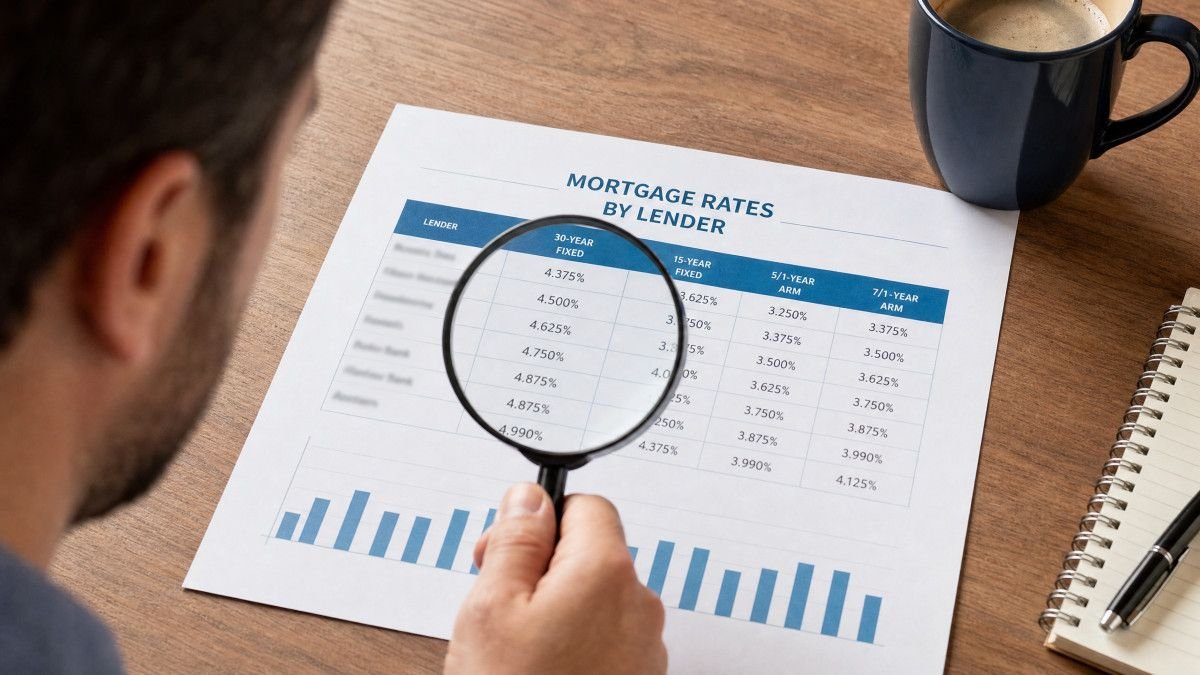
Typically, 15-year mortgages carry interest rates about 0.5 to 0.75 percentage points lower than 30-year mortgages. This rate difference contributes significantly to the overall interest savings of the shorter loan term, as the borrower benefits from both a lower rate and a reduced repayment period. However, rates can vary based on lender policies and market conditions, so it’s important to shop around and compare offers.

How much interest can be saved with a 15-year mortgage?

On a $300,000 loan, a 15-year mortgage can save over $100,000 in interest compared to a 30-year loan. This substantial saving results from faster principal repayment and the lower interest rate associated with the shorter term, which reduces the total interest accrued over the life of the loan. These savings can be used to build wealth or provide greater financial security over time.

How do monthly payments differ between the two terms?

Monthly payments on a 15-year mortgage are typically 25 to 35 percent higher than those on a 30-year mortgage. For example, a $300,000 loan might require $2,613 monthly under a 15-year term versus $1,996 for 30 years, reflecting the accelerated repayment schedule of the shorter loan. Borrowers should carefully evaluate their budget to ensure they can comfortably meet the higher payments.

Can I make extra payments on a 30-year mortgage?

Yes, borrowers can make additional principal payments on a 30-year mortgage to reduce interest costs and shorten the loan term. This approach offers flexibility by allowing lower required monthly payments while giving the option to pay off the loan faster if finances permit. It’s important to confirm with the lender that extra payments will be applied to principal without penalties.

Which mortgage term is better for me?

The better mortgage term depends on your income stability, cash flow needs, and financial goals. A 15-year mortgage suits those with strong, steady income and a desire to minimize interest costs, while a 30-year mortgage is preferable for those seeking lower payments and greater flexibility to focus on other financial priorities. Evaluating your personal circumstances and future plans will guide you toward the most suitable option.

Conclusion

The choice between a 15-year and a 30-year mortgage involves balancing immediate affordability with long-term cost savings. A 15-year mortgage offers lower interest rates, significant total interest savings, and faster equity build-up but demands higher monthly payments and reduced financial flexibility. In contrast, a 30-year mortgage provides more manageable monthly payments and the option to invest or allocate funds elsewhere, though it results in much higher interest costs and a longer repayment period.

Careful evaluation of your financial stability, cash flow needs, and long-term objectives is crucial to making the optimal mortgage decision. For those with stable incomes and strong savings, a 15-year mortgage may accelerate wealth building and reduce debt. Borrowers requiring flexibility or prioritizing other investments may find a 30-year mortgage more practical, especially if combined with a strategy of making extra payments when possible.

How Credit Score Impacts Mortgage Interest Rates

Credit scores directly affect the mortgage interest rates that lenders offer to borrowers, observes Skyline Property Management Delaware. A higher credit score generally enables access to lower interest rates, reducing the overall cost of a mortgage loan. Conversely, a lower credit score often results in higher rates or even loan denial from conventional lenders. Because mortgage loans typically span decades, even a small difference in interest rate can translate into substantial financial impact over time.
The difference in interest rates based on credit scores can be significant. For example, a 100-point increase in credit score may lead to a 0.5 to 1.5 percent reduction in the mortgage rate, which translates into tens of thousands of dollars saved over the life of a typical 30-year home loan. This impact makes credit score a critical factor for prospective homebuyers to understand and manage. Additionally, lenders often consider credit scores alongside other financial factors to tailor mortgage offers, but credit remains one of the most influential elements.Understanding how credit scores are calculated, the minimum requirements for different loan types, and strategies to improve credit scores before applying can help borrowers secure more favorable mortgage rates. This knowledge supports better financial planning and can enhance borrowing power when seeking a home loan. Awareness of credit score impact also helps borrowers prepare early and avoid surprises during the mortgage application process, ultimately contributing to stronger financial confidence.

Credit Score and Mortgage Interest Rates

The credit score is the most influential factor lenders use to set mortgage interest rates. Higher scores indicate lower credit risk, allowing lenders to offer reduced rates. Lower scores suggest higher risk, prompting lenders to increase rates or deny loans. Since lenders want to minimize the chance of default, they rely heavily on credit scores to gauge borrower reliability and financial stability.

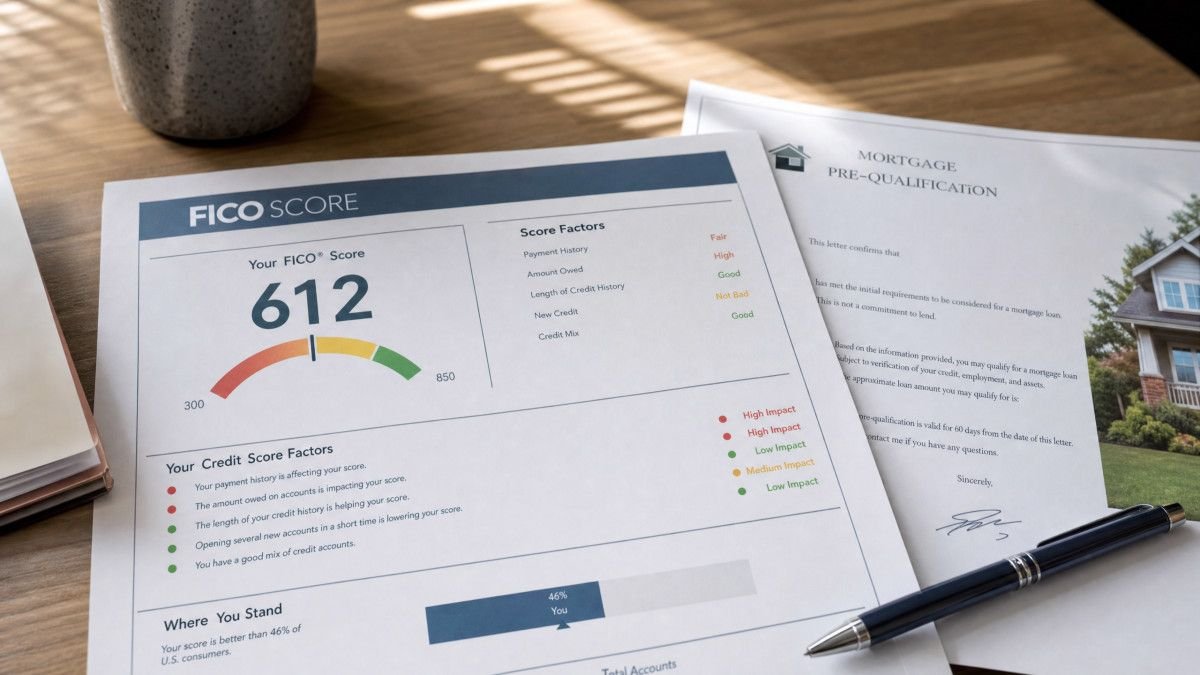
For instance, borrowers with scores between 760 and 850 generally receive the best available mortgage rates. Scores in the 700 to 759 range still qualify for favorable rates but slightly higher than the excellent tier. Those with scores from 640 to 699 face noticeably increased interest rates, while scores below 620 may require alternative loan programs or result in rejection. The difference in rates can affect not only the monthly payment but also the total interest paid throughout the loan term, making the credit score a key determinant in the overall cost of homeownership.

Besides impacting the interest rates, credit scores can also influence other loan terms, such as the required down payment and eligibility for certain loan programs. Borrowers with higher credit scores might benefit from lower down payment requirements or fewer lender-imposed fees. Conversely, those with lower scores may face additional mortgage insurance costs or stricter lending conditions, which further increase the cost of borrowing.

Mortgage lenders often use credit scores as a first screening tool to decide whether to proceed with an application. A strong credit score can speed up the approval process and improve the chances of obtaining competitive offers from multiple lenders. As a result, borrowers with excellent credit scores often have more negotiating power and can secure better overall mortgage terms.

Credit Score Ranges and Their Rate Impact

Credit scores fall into distinct ranges that correspond to typical mortgage interest rates. These ranges help lenders quickly assess risk and determine loan pricing. Borrowers in higher score brackets benefit from lower monthly payments and reduced total interest costs. Each incremental improvement in credit score within these ranges can yield tangible financial benefits by lowering the interest rate applied to the mortgage.

Lower credit scores translate into higher interest rates, increasing monthly mortgage payments and total loan costs. For example, a borrower with a score of 760 or above might receive a 7% interest rate on a $300,000 30-year mortgage, whereas a score between 640 and 679 could result in an 8% rate. This difference can mean a monthly payment variation of approximately $200 and an additional $72,000 in interest over the loan’s lifetime. Such disparities emphasize the importance of maintaining a solid credit standing when planning to purchase a home.

Credit Score Range Typical Mortgage Interest Rate Loan Approval Likelihood Loan Type Options
760–850 (Excellent) Lowest available rates High approval rate Conventional, FHA, VA, USDA
700–759 (Good) Slightly higher rates High approval rate Conventional, FHA, VA, USDA
640–699 (Fair) Noticeably higher rates Moderate approval rate Conventional, FHA, VA, USDA
580–639 (Poor) Significantly higher rates Low approval rate for conventional FHA likely needed
Below 580 Very high or no rates Most conventional lenders deny Limited options, possible FHA with higher down payment

These ranges also guide borrowers in setting realistic expectations for their mortgage application process. Those with credit scores in the fair or poor categories might consider taking time to improve their credit before applying, as the cost savings over time are substantial. Additionally, alternative loan programs designed for lower credit scores often come with trade-offs such as higher down payments or added fees, which borrowers should carefully evaluate.

Moreover, understanding these credit score ranges assists borrowers in identifying where they stand in the mortgage market and how lenders perceive their creditworthiness. It can also help them determine which lenders or loan products might be the best fit, thereby streamlining the shopping and application experience. Knowledge of these ranges empowers borrowers to make more informed, strategic decisions about their home financing.

How Credit Score Is Calculated

Credit scores are computed using five primary factors, each contributing a different weight to the final number. Payment history accounts for 35% of the score and reflects how reliably borrowers make payments on time. This is the most critical component influencing creditworthiness. Late payments, collections, and bankruptcies can severely damage this aspect and lead to lower scores.

Amounts owed, or credit utilization, comprise 30% and measure how much revolving credit is used relative to credit limits. Length of credit history contributes 15%, rewarding longer-established accounts. New credit, including recent inquiries and accounts opened, makes up 10%. Lastly, credit mix—the variety of credit types—also accounts for 10%, indicating how well a borrower manages different credit forms. A well-rounded credit profile typically boosts scores by demonstrating responsible credit management across various accounts.

Each of these factors interacts to form a comprehensive picture of a borrower’s credit health. For example, someone with a long credit history but high credit utilization may have a lower score than someone with a shorter history but lower utilization. Because of this complexity, improving a credit score often requires addressing multiple facets of credit behavior simultaneously. Lenders rely on these detailed algorithms to analyze risk and set mortgage terms accordingly.

Credit scoring models are periodically updated to reflect evolving lending practices and consumer behaviors. While the core factors remain consistent, the way they are weighted or interpreted can change over time. Being aware of the fundamental components helps borrowers focus their efforts on actions that typically yield the greatest score improvement, such as consistently paying bills on time and reducing outstanding debt.

how-credit-score-impacts-mortgage-interest-rates-2
Disputing inaccurate negative items on a credit report — such as incorrectly reported late payments or accounts that do not belong to you — can produce measurable score improvements within 30 to 45 days.

Loan Types and Minimum Credit Score Requirements

Different mortgage loan types have varying credit score minimums. Conventional loans typically require a minimum credit score of 620 to qualify. FHA loans offer more flexibility, allowing scores as low as 580 with a 3.5% down payment or 500 with a 10% down payment. This flexibility makes FHA loans attractive to borrowers with less-than-perfect credit or limited down payment resources.

VA loans do not have a federally mandated minimum credit score, but most lenders require at least 620. USDA loans usually require a minimum score of 640. These minimums affect which loan programs are accessible to borrowers based on their credit profiles, influencing available interest rates and down payment requirements. Borrowers with lower scores may find government-backed loans more accessible, but should consider the additional criteria and potential costs associated with these programs.

Each loan type also has unique eligibility criteria beyond credit scores, including income limits, property location, and borrower military service status in the case of VA loans. Understanding these nuances is crucial when selecting the most suitable mortgage option. Additionally, lenders may impose their own overlays, which are stricter requirements than the minimums set by loan programs, further impacting borrower qualification.

Choosing the appropriate loan type based on credit score and financial situation can optimize mortgage affordability. Borrowers with excellent credit might benefit from conventional loans with lower interest rates and fewer fees, while those needing more flexible credit requirements might prefer FHA or VA loans despite potentially higher costs. Consulting with lenders about specific loan options can provide clarity tailored to individual credit profiles.

Tips to Improve Credit Score Before Applying

Improving a credit score before mortgage application can enhance loan terms and approval chances. Paying down credit card balances to keep utilization below 30% is an effective strategy. Consistently making all payments on time prevents negative marks that can lower scores. Even small late payments can trigger downturns in credit rating, so maintaining punctuality is essential.

Borrowers should also review their credit reports for errors and dispute inaccuracies promptly. Avoiding new credit accounts in the 6 to 12 months before applying helps maintain score stability. Additionally, keeping older credit accounts open preserves credit history length, benefiting the overall score. Closing old accounts may reduce credit history length and available credit lines, potentially lowering the score.

Other strategies include paying off outstanding collection accounts if possible, as some newer credit scoring models ignore paid collections, potentially improving the score. Setting up automatic payments or reminders can help maintain on-time payment records. Borrowers should also refrain from making large purchases on credit prior to applying, as sudden increases in debt levels can negatively influence credit utilization and scoring.

Patience is critical when improving credit scores. While some positive changes may take effect quickly, others require months of consistent behavior. Borrowers should monitor their credit reports regularly, track progress, and avoid actions that could inadvertently harm their credit profile before submitting a mortgage application. Preparing well in advance can lead to better mortgage offers and smoother approval processes.

FAQs About Credit Score and Mortgage Rates

What is the best credit score for obtaining the lowest mortgage interest rates?

A credit score of 760 or above is generally considered excellent and typically qualifies borrowers for the lowest mortgage interest rates available. Scores in this range demonstrate strong financial responsibility and reliability, which reduces the lender’s risk. Borrowers with scores in this top tier often receive preferential loan terms, including lower interest rates, reduced fees, and more flexibility in down payment options.

What is the minimum credit score required for a conventional mortgage loan?

The minimum credit score for most conventional mortgage loans is 620. Borrowers with scores below this threshold often need to consider government-backed loans like FHA or work on improving their credit before applying. While a 620 score is generally the minimum, higher scores within the conventional range can secure significantly better interest rates and loan terms, making credit improvement worthwhile.

What is the FHA loan minimum credit score requirement?

FHA loans typically require a minimum credit score of 580 to qualify with a 3.5% down payment. Borrowers with scores between 500 and 579 may still qualify but must provide a 10% down payment. This makes FHA loans accessible to individuals with challenged credit histories, though the higher down payment requirement can be a financial consideration. FHA loans also have more lenient underwriting standards overall.

How long does it take to improve a credit score before applying for a mortgage?

Meaningful credit score improvements can often be seen within three to six months of consistent positive credit behavior, such as paying down debt and making timely payments. However, some changes, like removing late payments or resolving collections, can take much longer. The length of time depends on the severity of negative marks and the borrower’s ongoing credit habits. Early and steady efforts yield the best results.

Does a hard inquiry from a mortgage application significantly impact my credit score?

A hard inquiry typically reduces a credit score by about five points temporarily. Multiple mortgage-related inquiries within a short period, usually 14 to 45 days depending on the scoring model, are treated as a single inquiry to minimize score impact during rate shopping. This allows borrowers to compare mortgage offers without major damage to their credit scores. It is advisable to conduct such inquiries within a focused timeframe.

Conclusion

The credit score plays a pivotal role in determining mortgage interest rates and loan approval chances. Higher credit scores signal lower risk to lenders, often resulting in more favorable interest rates and reduced overall borrowing costs. Borrowers with strong credit profiles can expect lower monthly payments and savings that accumulate significantly over the life of a mortgage. Having a clear understanding of credit score ranges and their implications helps individuals plan effectively for home financing.

Working proactively to improve credit scores before applying for a mortgage can make a considerable difference in loan terms and affordability. Strategies such as reducing credit utilization, ensuring on-time payments, and maintaining a diverse credit mix contribute to a healthier credit profile. By managing credit responsibly, borrowers increase their chances of obtaining competitive mortgage offers and achieving greater financial flexibility in homeownership.

Is It Worth Refinancing Your Mortgage Now? Key Factors to Consider

Refinancing a mortgage involves replacing an existing home loan with a new one, often to secure a lower interest rate or adjust the loan terms, explains SGI Property Management Phoenix specialists. Determining if refinancing is worthwhile depends on multiple factors such as current interest rates compared to your existing rate, the amount of equity you have in the home, and how long you plan to remain in the property. A calculated approach helps ensure refinancing will save money rather than increase expenses.

Lower interest rates can significantly reduce monthly payments and total interest paid over the life of the loan. However, refinancing comes with closing costs that must be recouped through monthly savings to make the process financially sensible. Evaluating the break-even period—the time it takes for savings to cover refinancing costs—is crucial before proceeding.

In addition to rate savings, refinancing offers options like switching from an adjustable-rate mortgage (ARM) to a fixed-rate loan, shortening the loan term, or accessing home equity through a cash-out refinance. Each scenario has distinct financial implications and should be assessed carefully in light of your credit profile, home equity, and long-term plans.

Refinancing can also be a strategic tool to improve your financial flexibility. For example, some homeowners use refinancing to consolidate high-interest debts, which can streamline payments and potentially reduce overall interest costs. Others may seek to free up cash for large expenses such as education, medical bills, or major home renovations. Understanding how these financial goals interplay with your mortgage terms can help you determine if refinancing aligns with your broader financial strategy.

Market conditions and economic trends also play a role in deciding when to refinance. Interest rates fluctuate based on various economic factors including inflation, Federal Reserve policies, and housing market dynamics. Staying informed about these trends and how they impact mortgage rates can provide an advantage when considering whether to refinance now or wait for more favorable conditions. Timing can influence not only savings but also qualification criteria and loan options.

Understanding Mortgage Refinancing Basics

Mortgage refinancing replaces your current home loan with a new one, usually to obtain better loan conditions. The most common goal is to reduce the interest rate, which lowers monthly payments and total interest over time. Refinancing may also involve shortening the loan term from 30 years to 15 years, which increases monthly payments but decreases overall interest costs. Alternatively, refinancing can provide access to home equity through a cash-out option, enabling funds for home improvements or debt consolidation.

There are different types of refinancing strategies. Rate-and-term refinancing focuses on obtaining a lower interest rate or adjusting the loan duration without increasing the loan amount. Cash-out refinancing increases the loan balance to withdraw equity as cash. Another common reason is switching from an adjustable-rate mortgage to a fixed-rate loan to avoid future rate increases. Each approach carries distinct trade-offs in terms of costs, monthly payments, and loan length.

Understanding the terms and conditions of your new loan is critical when refinancing. Factors such as prepayment penalties, loan fees, and mortgage insurance requirements should be carefully reviewed. Some loans may have penalties for paying off the original mortgage early, which could offset savings. Additionally, changes to loan servicing or escrow accounts might affect your monthly obligations and overall loan management.

Refinancing also impacts your credit report and score since it involves a new credit inquiry and potentially affects your debt-to-income ratio. While the initial inquiry may cause a slight dip in your credit score, responsible management of the new loan can improve your credit profile over time. Being aware of these nuances allows you to plan refinancing in a way that supports your financial health.

Key Factors to Evaluate When Considering Refinancing

Deciding whether to refinance requires analyzing several elements. The difference between your current interest rate and the new rate is critical; generally, a drop of at least 0.5 to 1 percent is needed to justify refinancing. Closing costs, which typically range from 2 to 5 percent of the loan amount, must be weighed against expected monthly savings. These costs include appraisal fees, title insurance, origination fees, and recording charges.

Another important consideration is the break-even period, calculated by dividing the total closing costs by the monthly savings gained from refinancing. If you plan to stay in your home beyond this break-even timeframe, refinancing becomes financially advantageous. Additionally, your credit score and the amount of equity in your home affect loan eligibility and terms. A higher credit score generally results in lower rates, and at least 20 percent equity is often required to avoid private mortgage insurance.

It is also essential to assess your long-term financial plans and stability. If you anticipate major life changes such as relocation, job shifts, or changes in household income, refinancing may not be the best option despite favorable rates. Conversely, if you foresee staying in your home for many years, locking in a lower interest rate can provide sustained savings. Evaluating your financial resilience and future goals helps ensure refinancing aligns with your overall financial well-being.

Market conditions and lender offers vary, so shopping around for the best refinance terms is prudent. Different lenders may provide varying interest rates, fees, and loan programs that could significantly affect your costs and savings. Comparing multiple offers allows you to identify the most beneficial deal tailored to your credit profile and financial goals. Additionally, reviewing customer service and lender reputation can impact your refinancing experience.

Refinancing Options Comparison

There are several refinancing options, each suited to different financial goals. Rate-and-term refi is ideal for lowering interest rates or changing loan duration without increasing debt. Cash-out refinancing allows homeowners to tap into equity for expenses but increases the loan balance and monthly payment. No-closing-cost refinancing rolls fees into the loan or interest rate, beneficial for those planning to sell soon as it reduces upfront expenses but may result in a higher rate.

Term changes in refinancing can reduce interest costs by shortening the loan from 30 to 15 years, but this raises monthly payments. Switching from an ARM to a fixed-rate loan provides payment stability, which is advantageous if rates are expected to rise. Each option has trade-offs between upfront costs, monthly payments, loan length, and total interest paid over the life of the loan.

Choosing the right refinancing option depends on your immediate financial needs and long-term objectives. For example, a cash-out refinance might be appealing if you need funds for a major project, but it can also increase your debt burden and monthly payments. On the other hand, a no-closing-cost refinance reduces initial expenses but might carry a higher interest rate, leading to more paid interest over time. Understanding these trade-offs ensures your decision supports your financial health.

Some borrowers may consider hybrid approaches, such as refinancing to a shorter term loan while also accessing some cash-out funds, but these options require careful analysis. The impact on monthly cash flow, total interest, and loan duration should be simulated using mortgage calculators or by consulting with financial advisors. Tailoring refinancing to your unique situation optimizes benefits and minimizes financial risks.

Refinancing Option Primary Benefit Typical Closing Costs Effect on Monthly Payment Best For
Rate-and-Term Refinance Lower interest rate or change loan term 2–5% of loan amount Usually lowers payment Reducing monthly payments or shortening loan
Cash-Out Refinance Access home equity as cash 2–5% of loan amount Increases payment due to higher loan balance Home improvements, debt consolidation
No-Closing-Cost Refinance Minimal upfront fees None upfront; costs rolled into loan or rate May increase payment due to higher rate Selling soon or short-term ownership
ARM to Fixed-Rate Refinance Lock in stable interest rate 2–5% of loan amount Payment may increase or decrease depending on rate Protect against rising interest rates
Term Reduction Refinance Save interest by shortening loan 2–5% of loan amount Monthly payment increases Pay off mortgage faster, save interest
is-it-worth-refinancing-your-mortgage-now-key-fact-2
The break-even point — calculated by dividing total closing costs by monthly payment savings — is the single most important number in any refinancing decision, as it determines how long you must stay in the home to profit.

Calculating Break-Even and When to Refinance

The break-even period is a key metric in refinancing decisions. It represents how many months it takes for your monthly savings from a lower interest rate to cover the closing costs incurred during refinancing. This is calculated by dividing the total closing costs by the monthly savings amount. For example, if closing costs are $5,000 and monthly savings are $200, the break-even point is 25 months.

If you plan to stay in your home longer than the break-even period, refinancing usually makes financial sense because you will recoup the initial expense and benefit from lower payments afterward. Conversely, if you expect to sell or move before reaching this point, refinancing may result in a net loss. Additional factors such as remaining loan term and how much interest you have already paid also impact whether refinancing is beneficial.

It is also helpful to consider how changes in interest rates might affect your break-even analysis. If rates are expected to decline further, waiting might yield better opportunities, whereas rising rates might incentivize refinancing sooner. Additionally, personal financial changes such as an increase in income or improved credit score could qualify you for better refinance terms, thereby shortening your break-even period and enhancing potential savings.

Refinancing decisions should incorporate a holistic view of your mortgage timeline. For example, if you are in the early years of a 30-year mortgage, more interest remains to be paid, so refinancing can have a greater impact. However, if you are near the end of your mortgage term, savings from a rate reduction might be marginal. Evaluating how much time remains on your current loan alongside break-even calculations can guide whether refinancing is a prudent financial move.

Frequently Asked Questions About Refinancing

Minimum Rate Drop Needed to Refinance?

Typically, lenders and financial advisors suggest refinancing is worthwhile if the new interest rate is at least 0.5 to 1 percent lower than your current mortgage rate. Smaller differences may not generate enough monthly savings to offset closing costs and fees, making refinancing less beneficial. The exact threshold depends on your loan size, closing costs, and how long you plan to keep the new loan.

How Is the Break-Even Period Calculated?

The break-even period is found by dividing the total closing costs by the amount saved each month after refinancing. For instance, if closing costs are $4,500 and monthly savings are $180, the break-even period is 25 months. This tells you how long you must keep the new loan to recover expenses. It is a crucial figure to avoid refinancing losses.

What Is a Cash-Out Refinance?

A cash-out refinance replaces your existing mortgage with a larger loan, allowing you to receive the difference in cash. This is often used to fund home renovations or pay off higher-interest debts. However, it increases your loan balance and monthly payments, so the costs and benefits should be carefully evaluated. Consider whether the cash will generate value exceeding the additional loan costs.

What Are Typical Closing Costs for Refinancing?

Closing costs on a refinance typically range from 2 to 5 percent of the loan amount. These fees cover loan origination, home appraisal, title insurance, recording fees, and other administrative expenses. For a $200,000 loan, closing costs might fall between $4,000 and $10,000. Some lenders may offer no-closing-cost options that roll fees into the loan balance or interest rate.

What Credit Score Is Needed for Refinancing?

Lenders usually require a minimum credit score of about 620 to qualify for refinancing. Borrowers with scores above 740 generally receive the best interest rates and loan terms. Higher credit scores improve your chances of approval and better financial conditions. Maintaining timely payments and reducing debt helps improve creditworthiness prior to applying.

Can Refinancing Affect My Credit Score?

Yes, refinancing can impact your credit score in several ways. When you apply, a hard inquiry is made, which may cause a slight temporary dip. Opening a new loan and closing the old one can also affect the length of your credit history and credit mix. However, if managed responsibly, refinancing can improve your credit profile over time by lowering your debt-to-income ratio and ensuring timely payments.

Is It Advisable to Refinance Multiple Times?

Refinancing multiple times can be beneficial if each refinance reduces your interest rate or improves loan terms significantly. However, frequent refinancing may lead to repeated closing costs and potential credit score impacts. It is important to evaluate if the cumulative savings outweigh the costs and disruptions. Consulting with a mortgage professional can help determine the optimal refinancing frequency for your situation.

Conclusion

Refinancing a mortgage can provide significant financial benefits, particularly when current interest rates are substantially lower than your existing rate and you plan to remain in your home beyond the break-even period. Understanding the types of refinancing options, associated costs, and your personal financial situation is essential to making an informed decision. Carefully calculating monthly savings and closing costs will help determine if refinancing aligns with your goals.

It is equally important to consider factors such as your credit score, amount of home equity, and loan term remaining. Refinancing is not advantageous for everyone, especially if you intend to move soon or have already paid off most interest on your current loan. A prudent evaluation of these variables ensures refinancing will enhance your financial position rather than create unnecessary expenses.

What to Look for in a Chimney Inspection

A thorough chimney inspection is a critical preventative measure for homeowners, ensuring the safe and efficient operation of their heating systems, points out Service Star Realty Buckeye. These inspections go beyond a simple visual check, delving into the structural integrity, functional components, and overall safety of the chimney system. Understanding what a professional chimney inspection entails can help homeowners maintain their properties, prevent potential hazards such as chimney fires or carbon monoxide leaks, and comply with safety standards. Regular assessments by certified professionals are essential for identifying issues early, safeguarding both property and occupants.

Understanding the Different Levels of Chimney Inspection

A chimney inspection typically falls into one of three levels, each designed for specific circumstances and offering varying degrees of scrutiny, from basic visual checks to comprehensive structural evaluations.

Chimney inspections are categorized into three distinct levels by the National Fire Protection Association (NFPA) Standard 211, “Standard for Chimneys, Fireplaces, Vents, and Solid Fuel-Burning Appliances.” These levels dictate the scope and invasiveness of the inspection, ensuring that the assessment matches the chimney’s usage history and any observed issues. Selecting the appropriate level is crucial for an accurate evaluation of the chimney’s condition and safety.

Level 1 inspections are the most basic and are recommended for chimneys under continued service, with no changes in appliance type or fuel, and no known issues. This level involves a visual examination of readily accessible portions of the chimney, its connections, and the flue. The inspector will check for obstructions and combustible deposits, ensuring the chimney structure is sound and functional. This is often performed during routine chimney cleaning.

Level 2 inspections are more comprehensive and are required when changes are made to the heating appliance, fuel type, or the chimney’s flue. This level is also necessary after an external event that might have damaged the chimney, such as a building fire, earthquake, or severe weather. A Level 2 inspection includes all aspects of a Level 1 inspection, plus a visual examination of accessible portions of the chimney exterior and interior, including attics, crawl spaces, and basements. It typically involves the use of a video camera to inspect the internal surfaces and joints of the flue liner, and may include performance tests like smoke and pressure tests. This level is also recommended upon the sale or transfer of a property.

Level 3 inspections are the most intensive and are only performed when a Level 1 or Level 2 inspection indicates a hidden hazard that cannot be assessed without opening up concealed areas. This could involve removing parts of the chimney or building structure to gain access to specific sections. A Level 3 inspection is rare and is typically reserved for serious issues where significant damage is suspected, such as after a chimney fire or when structural integrity is severely compromised. The goal is to fully evaluate and reconstruct damages, including broken tiles or flue relining needs.

Key Components of a Chimney to Inspect

A thorough chimney inspection meticulously examines several critical components, including the flue liner, chimney cap, flashing, and damper, each playing a vital role in the chimney’s safety and efficiency.

The integrity of a chimney system relies on the proper functioning and condition of its various components. Each part serves a specific purpose, and damage or deterioration in any one area can compromise the entire system, leading to potential hazards. A professional inspection will systematically evaluate these elements to ensure they meet safety and operational standards.

The flue liner is perhaps the most critical internal component, acting as a protective barrier between the combustion byproducts and the chimney’s masonry. It prevents heat transfer to combustible materials of the house and contains corrosive gases. Inspectors look for cracks, gaps, or deterioration in the liner, which can allow dangerous gases like carbon monoxide to leak into the home or ignite nearby framing. The type of liner (clay tile, metal, or cast-in-place) will influence the inspection methods and criteria.

Chimney caps are essential for protecting the flue from rain, snow, debris, and animal intrusion. A damaged or missing cap can lead to water damage within the chimney structure, fostering mold growth, and accelerating masonry deterioration. It can also allow birds or other animals to nest inside, creating obstructions that impede proper venting and increase fire risk. Inspectors will check for secure attachment, corrosion, and proper screening.

Flashing is the sheet metal installed at the intersection where the chimney meets the roofline. Its primary function is to create a watertight seal, preventing water from entering the home. Improperly installed or damaged flashing is a common source of roof leaks, which can lead to significant structural damage, rot, and costly repairs. During an inspection, the flashing will be examined for rust, cracks, loose seals, or signs of water penetration.

The damper is a movable plate located either at the top of the flue or just above the firebox, designed to seal the chimney when the fireplace is not in use. A properly functioning damper prevents heat loss from the home and keeps cold air, odors, and pests out. Inspectors will check for proper sealing, smooth operation, and any signs of rust or damage that could prevent it from closing completely, which can lead to energy inefficiency and drafts.

Identifying Common Chimney Problems

Common chimney problems range from dangerous creosote buildup and structural damage like cracks and deteriorating mortar to obstructions caused by debris or animal nests, all of which can compromise safety and efficiency.

Chimneys, exposed to the elements and the harsh byproducts of combustion, are susceptible to a variety of issues that can impact their performance and safety. Recognizing these common problems is a key aspect of any thorough inspection, allowing for timely repairs and preventing more severe consequences.

Creosote buildup is one of the most significant hazards associated with wood-burning fireplaces. Creosote is a highly flammable residue that forms inside the flue as smoke cools. As it accumulates, it can ignite, leading to a dangerous chimney fire. Inspectors assess the amount and type of creosote, recommending professional cleaning (sweeping) if the buildup exceeds 1/8 inch, as per industry standards. Different stages of creosote (flaky, tarry, glazed) indicate varying levels of fire risk.

Structural damage can manifest in several ways, including cracks in the masonry, deteriorating mortar joints, or a leaning chimney stack. These issues can be caused by settling, weather exposure, or seismic activity. Cracks in the flue liner or exterior masonry can allow heat and dangerous gases to escape into the home, posing fire and carbon monoxide risks. Deteriorated mortar can weaken the entire structure, potentially leading to collapse. Inspectors will examine both the interior and exterior for any signs of structural compromise.

Obstructions within the flue are another frequent problem. These can include animal nests (birds, squirrels, raccoons), leaves, twigs, or other debris that fall into the chimney. An obstructed flue prevents the proper venting of smoke and combustion gases, forcing them back into the living space. This can lead to carbon monoxide poisoning and smoke damage. Blockages also increase the risk of chimney fires by trapping heat and potentially igniting flammable materials. A Level 2 inspection, often utilizing video scanning, is particularly effective at identifying and assessing such obstructions.

The Importance of Professional Chimney Inspections

Professional chimney inspections are paramount for ensuring home safety, maintaining regulatory compliance, and achieving long-term cost savings by identifying and addressing issues before they escalate.

While some homeowners might be tempted to perform a cursory visual check, the complexities of chimney systems and the potential dangers involved necessitate the expertise of certified professionals. These specialists possess the training, tools, and knowledge to conduct thorough evaluations that untrained eyes would likely miss.

Ensuring home safety is the primary reason for professional inspections. Chimneys are integral to venting hazardous combustion byproducts, including carbon monoxide, and preventing chimney fires. A professional inspector can identify subtle cracks in the flue, excessive creosote buildup, or faulty components that could lead to these dangers. According to the Consumer Product Safety Commission (CPSC), thousands of chimney fires occur annually, underscoring the importance of preventative measures. [1]

Maintaining regulatory compliance is another crucial aspect. Building codes and safety standards, such as those set by the NFPA, govern chimney construction and maintenance. Professional inspectors are familiar with these regulations and can ensure that your chimney system meets current requirements. This is particularly important during real estate transactions, where a Level 2 inspection is often required to certify the chimney’s condition for new homeowners.

Long-term cost savings are a significant benefit of regular professional inspections. Early detection of minor issues, such as small cracks or deteriorating flashing, allows for timely and less expensive repairs. Ignoring these problems can lead to extensive damage, requiring costly major overhauls or even complete chimney reconstruction. Preventative maintenance, guided by professional inspections, extends the lifespan of the chimney and avoids emergency repairs.

When to Schedule a Chimney Inspection

Chimney inspections should ideally be scheduled annually, after significant weather events, or before purchasing a new home to ensure continuous safety and optimal performance.

Knowing when to have your chimney inspected is as important as understanding what the inspection entails. Proactive scheduling can prevent unforeseen problems and ensure your heating system operates safely and efficiently throughout the year.

Annual inspections are the most common recommendation from industry experts, including the Chimney Safety Institute of America (CSIA). Even if you don’t use your fireplace frequently, an annual check can identify issues caused by weather exposure, animal activity, or minor structural shifts. For those who use their fireplace regularly, annual inspections are critical for monitoring creosote buildup and wear and tear on components. This routine maintenance helps catch small problems before they become major hazards.

After significant weather events, such as severe storms, earthquakes, or high winds, it is prudent to schedule an inspection. These events can cause hidden damage to the chimney structure, flue liner, or cap that may not be immediately apparent from the ground. Hail, lightning, or falling tree branches can also compromise the chimney’s integrity, leading to leaks or structural instability. An inspection after such events can confirm the chimney’s safety and prevent further damage.

Before purchasing a new home, a Level 2 chimney inspection is highly recommended, and often required by lenders or insurance companies. This provides a comprehensive assessment of the chimney’s condition, revealing any pre-existing issues that could become costly repairs for the new homeowner. It offers peace of mind and can be a crucial part of the home buying due diligence, ensuring that the chimney system is safe and up to code.

Inspection Level Scope of Inspection When Recommended
Level 1 Visual examination of readily accessible portions of the chimney, connections, and flue. Checks for obstructions and combustible deposits. During routine cleaning, continued service with no changes in appliance or fuel, no known issues.
Level 2 All aspects of Level 1, plus visual examination of accessible exterior and interior (attics, crawl spaces), video scanning of flue, and performance tests. Changes to appliance/fuel type, after external events (fire, earthquake, severe weather), property sale/transfer.
Level 3 Most intensive; involves removal of chimney/building parts to access concealed areas. When Level 1 or 2 indicates a hidden hazard requiring invasive investigation (e.g., severe damage after a chimney fire).
what-to-look-for-in-a-chimney-inspection-1
A detailed view of a chimney flue, highlighting areas prone to creosote accumulation and structural wear.

Frequently Asked Questions

How often should a chimney be inspected?

It is generally recommended that chimneys be inspected annually by a certified professional. This frequency ensures that any creosote buildup, obstructions, or structural issues are identified and addressed promptly, regardless of how often the fireplace is used. Regular inspections are a key preventative measure against chimney fires and carbon monoxide intrusion.

What is creosote and why is it dangerous?

Creosote is a highly flammable tar-like substance that accumulates inside chimney flues as a byproduct of burning wood. It is dangerous because it can easily ignite, leading to a chimney fire that can cause significant damage to the home and pose a serious safety risk. Professional chimney sweeps remove creosote during cleaning to mitigate this hazard.

Can I inspect my chimney myself?

While homeowners can perform a basic visual check of the readily accessible parts of their chimney, a comprehensive inspection requires the expertise, specialized tools, and knowledge of a certified chimney professional. DIY inspections are insufficient for identifying hidden structural damage, flue liner issues, or dangerous creosote buildup, which require advanced techniques like video scanning.

What happens if a chimney inspection reveals problems?

If a chimney inspection reveals problems, the certified professional will provide a detailed report outlining the issues and recommending necessary repairs. These recommendations can range from minor fixes like cleaning or sealing small cracks to major repairs such as flue relining or structural reconstruction. Addressing these issues promptly is crucial for maintaining safety and preventing further damage.

Regular and thorough chimney inspections are an indispensable part of home maintenance, safeguarding against potential hazards and ensuring the longevity of your heating system. By understanding the different inspection levels, key components, common problems, and the importance of professional oversight, homeowners can make informed decisions that protect their property and loved ones. Prioritizing these inspections is not merely a recommendation but a vital practice for responsible homeownership.

References

  1. Consumer Product Safety Commission (CPSC) – Chimney Fires
  2. Chimney Safety Institute of America (CSIA) – Why Annual Inspections?

How to Identify Signs of Termite Damage

Termites are insidious pests that can cause significant structural damage to homes and buildings, often without immediate visible signs, warns RPM Reliance Salem. These silent destroyers feed on cellulose-based materials, including wood, paper, and fabric, leading to costly repairs if infestations are left unchecked. Early detection is paramount to mitigating the extent of damage and protecting property value. Understanding the various indicators of termite presence is the first step in safeguarding your investment.

The ability to distinguish between subtle environmental changes and definitive signs of termite activity requires careful observation and knowledge of their behavior patterns. Homeowners should regularly inspect vulnerable areas, such as basements, crawl spaces, and attics, for any anomalies. Awareness of common termite species and their specific habits can further aid in accurate identification, allowing for timely intervention by pest management professionals.

Mud Tubes: A Clear Indicator of Subterranean Termites

Mud tubes are pencil-sized tunnels constructed by subterranean termites, serving as protected pathways between their underground colonies and food sources within structures. Their presence is a definitive sign of an active infestation.

Subterranean termites, which are the most common and destructive type, build distinctive mud tubes to travel between their nests in the soil and the wood in a structure. These tubes, typically about the width of a pencil, are made from soil, wood, and termite saliva. They protect the termites from predators and dry environments as they forage for food. These tubes are most commonly found on foundation walls, floor joists, or other structural elements that connect to the ground.

Inspecting for mud tubes requires a thorough examination of the perimeter of your home, including the foundation, support beams, and any wooden structures in contact with the soil. Breaking open a mud tube can reveal live termites, confirming an active infestation. If the tubes are empty, it may indicate a past infestation or that the termites have moved to another location, but further investigation is still warranted to ensure the problem is fully resolved.

The presence of mud tubes is a critical warning sign that should prompt immediate action. According to the National Pest Management Association (NPMA), subterranean termites are responsible for the majority of termite damage in the United States, causing billions of dollars in property damage annually [1]. Regular inspections, particularly in areas prone to moisture, can help detect these tubes before extensive damage occurs.

Damaged Wood: Tunnels and Hollow Sounds

Termite-damaged wood often appears hollowed out, with internal galleries, and produces a dull, hollow sound when tapped, indicating significant internal consumption.

Termites consume wood from the inside out, often leaving the exterior surface intact. This makes visual detection challenging until the damage is extensive. Infested wood may appear normal on the outside but will have a honeycomb-like pattern of tunnels or galleries within. Tapping on suspected wood with a screwdriver or hammer can reveal a hollow sound, indicating that the internal structure has been compromised. This sound is distinctly different from the solid thud of healthy wood.

Areas particularly susceptible to this type of damage include door frames, window sills, baseboards, and wooden structural components in basements or crawl spaces. Probing the wood with a sharp object can expose these hidden tunnels. The presence of these galleries, often filled with mud or frass (termite droppings), confirms termite activity. It is important to note that wood damage can sometimes be mistaken for water damage, but termite galleries are typically clean and smooth, unlike the rough, discolored texture of water-damaged wood.

The extent of wood damage can vary significantly depending on the duration and severity of the infestation. In advanced cases, structural integrity can be severely compromised, leading to sagging floors, crumbling walls, and even roof collapse. The U.S. Environmental Protection Agency (EPA) emphasizes the importance of early detection to prevent such catastrophic outcomes, recommending annual professional inspections [2].

Discarded Wings and Frass: Evidence of Swarmers and Drywood Termites

Discarded termite wings, often found near windows or light sources, indicate a recent termite swarm, while small piles of granular, sand-like pellets (frass) are characteristic droppings of drywood termites.

Termite swarmers, also known as alates, are reproductive termites that emerge from mature colonies to establish new ones. They are often mistaken for flying ants, but key differences exist: termites have straight antennae, a thick waist, and two pairs of wings of equal size, whereas ants have elbowed antennae, a constricted waist, and forewings longer than hindwings. After swarming, these termites shed their wings, leaving small piles of translucent, delicate wings near windowsills, doorways, or light fixtures. The presence of discarded wings is a strong indicator of a nearby termite colony.

Drywood termites, unlike their subterranean counterparts, do not require soil contact and infest dry, sound wood. Their presence is often indicated by the accumulation of frass, which are their fecal pellets. These pellets are small, hard, and hexagonal in shape, resembling sawdust or coarse sand. Drywood termites push these pellets out of small kick-out holes in the infested wood, forming small piles on surfaces below. The color of the frass can vary depending on the type of wood consumed, ranging from light to dark brown.

Inspecting for discarded wings and frass requires attention to detail in less obvious areas, such as attics, furniture, and wooden structural elements not in contact with the ground. The California Department of Pesticide Regulation notes that drywood termite infestations can be particularly challenging to detect due to their cryptic nature and lack of mud tubes [3]. Regular cleaning and careful observation of these areas can help identify these subtle signs.

Sign of Termite Damage Description Common Termite Type
Mud Tubes Pencil-sized tunnels on foundations or walls, made of soil and wood. Subterranean Termites
Hollow-Sounding Wood Wood that sounds dull or hollow when tapped, indicating internal galleries. Subterranean & Drywood Termites
Discarded Wings Small, translucent wings found near windows or light sources after a swarm. Subterranean & Drywood Termites
Frass (Fecal Pellets) Small, granular, hexagonal droppings resembling sawdust. Drywood Termites
Blistered or Bubbling Paint Paint that appears uneven or blistered due to termites tunneling beneath the surface. Subterranean Termites
Tight-Fitting Doors/Windows Doors or windows that become difficult to open or close due to warped frames caused by termite damage. Subterranean & Drywood Termites

Blistered Paint and Warped Wood: Indirect Indicators

Blistered or bubbling paint and warped wooden structures can indirectly signal termite activity, as termites tunneling beneath surfaces or consuming wood can cause these cosmetic and structural changes.

While not direct evidence of termites, certain changes in a home’s appearance can be indirect indicators of an infestation. Blistered or bubbling paint, for instance, can occur when termites tunnel close to the surface of painted wood. The moisture and activity beneath the paint can cause it to peel or bubble, mimicking water damage. However, upon closer inspection, the underlying wood may reveal termite galleries rather than water stains or rot. This sign is particularly common with subterranean termites, which introduce moisture into the wood as they forage.

Similarly, warped or distorted wooden structures, such as door frames, window frames, or floors, can also be a sign of termite damage. As termites consume wood, they compromise its structural integrity, leading to sagging, buckling, or uneven surfaces. Doors and windows may become difficult to open or close due to the warping of their frames. These changes are often gradual, making them easy to overlook until the damage is significant. It is crucial to investigate any unexplained warping or distortion in wooden elements, especially if accompanied by other potential termite signs.

The U.S. Department of Agriculture (USDA) highlights that these indirect signs often appear after an infestation has been present for some time, underscoring the importance of proactive inspections [4]. Homeowners should be vigilant for any unexplained changes in their home’s structure or finishes, as these could be early warnings of a hidden termite problem. Prompt investigation by a qualified professional can help differentiate between termite damage and other issues.

how-to-identify-signs-of-termite-damage-1
A close-up view of a wooden beam severely damaged by termites, revealing extensive internal tunneling.

Termite Droppings (Frass) and Odor: Distinctive Clues

Termite droppings, known as frass, are small, granular pellets that indicate drywood termite activity, while a faint, musty odor can sometimes suggest a large, hidden termite colony.

As previously mentioned, frass is a key indicator of drywood termite infestations. These tiny, sand-like pellets are expelled from infested wood through small “kick-out” holes. The appearance of frass can vary in color, often matching the color of the wood the termites are consuming. Homeowners might find these piles on windowsills, floors, or inside cabinets, particularly in areas where drywood termites are active, such as attics or furniture. The presence of frass should always prompt a thorough inspection by a pest control expert.

In some cases, a faint, musty odor similar to mildew can indicate a severe termite infestation, particularly with subterranean termites. This odor is often associated with the presence of large colonies and the moisture they bring into a structure. While not as common or as easily identifiable as mud tubes or frass, a persistent unexplained musty smell, especially in conjunction with other signs, warrants further investigation. This odor is a result of the termites’ metabolic processes and the decomposition of wood, creating a unique microbial environment.

The University of California Statewide Integrated Pest Management Program notes that while frass is a direct sign, the musty odor is a less reliable indicator and usually points to a well-established infestation [5]. Therefore, relying on more tangible evidence like mud tubes, damaged wood, or discarded wings is generally more effective for early detection. However, any unusual odors should not be dismissed, especially if other subtle signs of termite activity are present.

Frequently Asked Questions

What are the earliest signs of termite activity?

The earliest signs of termite activity often include the presence of mud tubes on foundations or walls, discarded wings near windowsills or light sources, and small piles of what appears to be sawdust, known as frass. These indicators suggest that termites are actively foraging or have recently swarmed.

How can I differentiate between termite damage and water damage?

Differentiating between termite and water damage can be challenging, but key distinctions exist. Termite damage typically involves tunnels or galleries within the wood, often appearing clean and smooth. Water-damaged wood, conversely, tends to be discolored, soft, and may show signs of mold or rot. A screwdriver test can reveal the integrity of the wood; termite-damaged wood will often crumble easily.

Are there different types of termites, and do they leave different signs?

Yes, there are several types of termites, with subterranean and drywood termites being the most common in residential areas. Subterranean termites build distinctive mud tubes for protection and moisture, while drywood termites do not require soil contact and often leave behind hexagonal fecal pellets (frass) and may infest furniture or attics without visible external signs.

What should I do if I suspect termite damage?

If you suspect termite damage, it is crucial to contact a professional pest control service promptly. Early detection and intervention can prevent extensive structural damage to your property. Avoid disturbing the affected areas, as this can cause termites to relocate and make them harder to treat effectively.

Identifying termite damage early is critical for protecting your home from extensive and costly repairs. By understanding the various signs, from mud tubes and hollow-sounding wood to discarded wings and frass, homeowners can take proactive steps to detect infestations. Regular inspections and prompt professional intervention upon suspicion of termite activity are essential to safeguard your property from these destructive pests.

References

  • [1] National Pest Management Association. (n.d.). Termites. https://www.pestworld.org/pest-guide/termites/
  • [2] U.S. Environmental Protection Agency. (n.d.). Termite Control: What You Need to Know. https://www.epa.gov/safepestcontrol/termite-control-what-you-need-know
  • [3] California Department of Pesticide Regulation. (n.d.). Drywood Termites. https://www.cdpr.ca.gov/docs/pestmgt/ipminfo/drywood.htm
  • [4] U.S. Department of Agriculture. (n.d.). Protecting Your Home from Termites. https://www.fs.usda.gov/t-d/pubs/htmlpubs/htm00732813/htm00732813.htm
  • [5] University of California Statewide Integrated Pest Management Program. (n.d.). Termites. https://ipm.ucanr.edu/PMG/PESTNOTES/pn74108.html

How to Handle Buyer Contingencies When Selling Your Home

Buyer contingencies are standard clauses in real estate purchase contracts that grant buyers the right to exit a deal under specific conditions without losing their earnest money deposit, reports Real Property Management Viking experts. These contractual safeguards are designed to protect buyers from unforeseen circumstances or undesirable outcomes, such as a home failing inspection or an appraisal coming in too low. For sellers, understanding and strategically navigating these contingencies is paramount to a successful and timely home sale, as they can significantly impact the transaction’s certainty and timeline. Effectively managing these clauses can mean the difference between a swift closing and a prolonged, complicated process.

Understanding Common Buyer Contingencies

Common buyer contingencies include inspection, appraisal, and financing clauses, each designed to protect the buyer’s interests by allowing them to withdraw from the purchase under specific, predefined conditions. These provisions are critical for buyers to ensure the property meets their expectations and financial capabilities, while also presenting potential hurdles for sellers aiming for a straightforward transaction.

The most prevalent contingencies encountered in real estate transactions are the home inspection, appraisal, and financing contingencies. A home inspection contingency permits the buyer to hire a professional inspector to evaluate the property’s condition, often leading to negotiations for repairs or credits if significant issues are discovered. This protects buyers from inheriting costly problems and ensures they are fully aware of the property’s state before finalizing the purchase.

An appraisal contingency ensures that the property’s value, as determined by a professional appraiser, is at least equal to the agreed-upon purchase price. If the appraisal falls short, the buyer typically has the option to renegotiate the price, cover the difference in cash, or terminate the contract. This is particularly vital for buyers using a mortgage, as lenders will not finance more than the appraised value of the home.

A financing contingency, sometimes called a mortgage contingency, makes the sale conditional upon the buyer securing the necessary loan to complete the purchase. It specifies a period within which the buyer must obtain a commitment for financing. Should the buyer be unable to secure a mortgage, this contingency allows them to withdraw from the agreement without penalty, safeguarding their earnest money deposit.

Evaluating the Strength of an Offer with Contingencies

Assessing an offer with contingencies requires sellers to weigh the potential risks and delays against the overall attractiveness of the bid, considering factors like the buyer’s financial stability, the market’s competitiveness, and the specific terms of each contingency. A strong offer might still include contingencies but could feature a higher price, a larger earnest money deposit, or shorter contingency periods, making it more appealing.

When multiple offers are on the table, sellers must look beyond the headline price and carefully analyze the contingencies attached to each. An all-cash offer, for instance, typically carries fewer risks and a faster closing time because it eliminates financing and appraisal contingencies. Conversely, an offer with numerous or lengthy contingencies can signal potential delays or a higher likelihood of the deal falling through, even if the purchase price is attractive.

Consider the buyer’s earnest money deposit as an indicator of their commitment. A substantial deposit suggests the buyer is serious and less likely to walk away frivolously, as they stand to lose more if the deal collapses due to their actions. Furthermore, evaluating the buyer’s pre-approval or pre-qualification status for a mortgage can provide insight into the likelihood of their financing contingency being met successfully. A full pre-approval from a reputable lender is generally stronger than a simple pre-qualification.

The current market conditions also play a significant role in how sellers should evaluate offers with contingencies. In a hot seller’s market, where demand outstrips supply, sellers have more leverage to demand fewer contingencies or shorter timeframes. In a buyer’s market, however, sellers may need to be more flexible and accept offers with more contingencies to secure a sale. According to the National Association of Realtors, 76% of contracts included an appraisal contingency in March 2024, highlighting their commonality even in varying markets [1].

Strategies for Negotiating Contingencies

Sellers can employ several negotiation strategies to mitigate the impact of buyer contingencies, such as proposing shorter contingency periods, requesting non-refundable earnest money after certain milestones, or offering minor concessions in exchange for waiving specific clauses. Open communication and a willingness to compromise can lead to mutually beneficial agreements that protect both parties’ interests while moving the sale forward efficiently.

One effective strategy is to negotiate shorter timeframes for contingencies. For example, reducing an inspection period from 10 days to 7 days can accelerate the process and minimize the time the property is off the market. This puts a reasonable pressure on the buyer to complete their due diligence promptly. Sellers can also propose that a portion of the earnest money becomes non-refundable after the inspection contingency is satisfied, increasing the buyer’s commitment.

Another approach involves offering a credit for minor repairs instead of undertaking the repairs themselves, particularly after a home inspection. This gives the buyer flexibility and saves the seller the hassle of coordinating contractors. For more significant issues, sellers might offer a reduced purchase price in lieu of repairs, which can sometimes be more appealing to buyers and simplify the transaction.

In competitive situations, sellers might encourage buyers to waive certain contingencies, especially if the property is in excellent condition or if the buyer is highly motivated. However, this should be approached cautiously, as waiving critical protections like an inspection contingency can expose buyers to significant risks. “A seller should always consult with their real estate agent and legal counsel before agreeing to any waivers,” advises Sarah Chen, a real estate attorney at Property Law Group. “Understanding the potential liabilities is crucial.”

When to Push Back on Buyer Contingencies

Sellers should consider pushing back on buyer contingencies when market conditions favor them, the offer is exceptionally strong in other aspects, or the requested contingencies are unusually broad or lengthy. This strategic resistance can help secure a more favorable and less risky transaction, particularly when multiple competitive offers are available, allowing the seller to maintain control over the sale process.

In a strong seller’s market, where homes are selling quickly and often above asking price, sellers have significant leverage to push back on buyer contingencies. If you receive multiple offers, you can counter with terms that minimize contingencies or shorten their durations, knowing that other buyers might be willing to accept more favorable terms to secure the property. This competitive environment allows sellers to be more selective.

Even in a balanced market, if an offer is otherwise exceptional—perhaps an all-cash offer with a quick close or a significantly above-asking price—a seller might still push back on certain contingencies. The overall strength of the offer can justify taking a firmer stance on terms that introduce uncertainty. It is important to communicate clearly through your agent about which contingencies are problematic and why.

Sellers should also push back if contingencies are unusually broad, vague, or have excessively long timeframes. For example, an inspection contingency that allows the buyer to back out for any reason, rather than for significant defects, is overly broad. Similarly, a financing contingency extending for 45 days in a market where 30 days is standard might warrant negotiation. Such terms can unnecessarily prolong the selling process and increase the risk of the deal collapsing.

The Impact of Contingencies on Closing Timelines

Buyer contingencies directly influence the closing timeline of a home sale, as each contingency period must expire or be satisfied before the transaction can proceed to its final stages. Delays in fulfilling these conditions, such as waiting for inspection reports or appraisal results, can extend the closing date, requiring careful management and communication to keep the process on track.

Each contingency comes with a specified timeframe during which the buyer must complete their due diligence. For instance, a typical home inspection contingency might last 7 to 10 days, while a financing contingency could extend for 21 to 30 days. These periods are not merely suggestions; they are legally binding deadlines that dictate the pace of the transaction. Failure to meet these deadlines can lead to contract termination or renegotiation.

Delays in satisfying contingencies are common and can arise from various factors, including scheduling conflicts with inspectors or appraisers, slow lender processing times, or unexpected issues discovered during inspections. Such delays can push back the agreed-upon closing date, which can be problematic for sellers who have their next move planned or are working with tight deadlines. Effective communication between all parties—buyers, sellers, and their agents—is crucial to anticipate and address potential delays proactively.

Sellers can help minimize delays by ensuring their home is well-maintained and ready for inspection, providing all necessary disclosures upfront, and working with an experienced real estate agent who can effectively manage the timeline. A proactive approach to preparing for contingencies can significantly reduce the likelihood of unexpected holdups and contribute to a smoother, more predictable closing process. In some cases, a buyer might request an extension for a contingency, which the seller can either grant or deny based on their circumstances and market leverage.

Contingency vs. Contingent Offer Comparison

While often used interchangeably, a “contingency” refers to a specific condition within a contract, whereas a “contingent offer” describes an entire purchase proposal that is dependent on one or more of these conditions being met. Understanding this distinction is vital for both buyers and sellers to accurately interpret real estate agreements and negotiate effectively.

A contingency is a clause in a real estate contract that outlines a specific condition that must be met for the sale to proceed. Examples include the home inspection contingency, appraisal contingency, and financing contingency. These are individual protective measures embedded within the broader agreement, each with its own terms and deadlines. They provide an escape hatch for the buyer if certain events do not unfold as expected.

A contingent offer, on the other hand, is an offer to purchase a property that includes one or more of these contingencies. When a seller accepts a contingent offer, it means they have agreed to the sale, but the transaction is not yet final because certain conditions still need to be satisfied. The property is often listed as “contingent” or “under contract – contingent” in real estate listings, indicating its status.

The primary difference lies in scope: a contingency is a single condition, while a contingent offer is the entire agreement that is conditional upon those clauses. For sellers, a contingent offer means the deal is not guaranteed until all specified contingencies are removed or satisfied. This distinction is important for managing expectations and understanding the true solidity of a purchase agreement. For instance, a recent report indicated that roughly 30% of contingent offers fall through before closing due to unmet conditions [2].

Contingency Type Buyer Protection Seller Impact
Home Inspection Allows buyer to assess property condition and negotiate repairs or credits. Potential for renegotiation, repair requests, or deal termination.
Appraisal Ensures home value matches purchase price; protects against overpaying. Risk of price renegotiation if appraisal is low, or deal falling through.
Financing Guarantees buyer can secure a mortgage; prevents obligation for unaffordable home. Deal is dependent on buyer’s loan approval; potential for delays or termination.
Sale of Previous Home Buyer can sell their current home before purchasing the new one. Significant uncertainty and extended timeline; often less attractive to sellers.

Frequently Asked Questions

What is a home inspection contingency?

A home inspection contingency allows the buyer to have the property professionally inspected within a specified timeframe. If the inspection reveals significant issues, the buyer can negotiate repairs, request a credit, or even withdraw their offer without losing their earnest money deposit. This contingency protects buyers from unforeseen structural or system defects.

How does an appraisal contingency protect the buyer?

An appraisal contingency ensures that the home’s appraised value meets or exceeds the purchase price. If the appraisal comes in lower, the buyer can renegotiate the price, pay the difference in cash, or walk away from the deal. This is crucial for buyers relying on a mortgage, as lenders typically won’t finance more than the appraised value.

What is a financing contingency?

A financing contingency, also known as a mortgage contingency, makes the purchase agreement dependent on the buyer securing a loan. It specifies a period during which the buyer must obtain loan approval. If financing falls through, the buyer can cancel the contract and recover their earnest money, safeguarding them from being obligated to purchase a home they cannot afford.

Can a seller refuse an offer with contingencies?

Yes, a seller can refuse an offer with contingencies, especially in a competitive market. While contingencies protect buyers, they introduce uncertainty for sellers. Sellers often prefer offers with fewer or waived contingencies, as they represent a more straightforward and less risky path to closing. However, the decision depends on market conditions and the seller’s individual priorities.

Navigating buyer contingencies is an intricate but essential aspect of selling a home. By thoroughly understanding each type of contingency, strategically evaluating offers, and employing effective negotiation tactics, sellers can significantly increase their chances of a smooth and successful transaction. Proactive communication, combined with expert guidance from a real estate professional, empowers sellers to make informed decisions that align with their selling goals and minimize potential disruptions. Ultimately, a well-managed contingency process leads to a more predictable and satisfying outcome for all parties involved in the real estate journey.

References

  1. National Association of Realtors. (2024). Realtors Confidence Index Survey, March 2024. Retrieved from https://www.nar.realtor/research-and-statistics/research-reports/realtors-confidence-index
  2. HousingWire. (2023). Contingent Offers: How Many Fall Through? Retrieved from https://www.housingwire.com/articles/contingent-offers-how-many-fall-through/

Why Professional Cleaning Before Selling Your Home Matters

A professionally cleaned home significantly enhances its market appeal, directly influencing buyer perception and potentially increasing its sale value and speed, observes Real Property Management Engage Specialist. Buyers often form their initial impressions within moments of viewing a property, and a pristine environment communicates meticulous care and attention to detail, suggesting a well-maintained residence.

The First Impression Advantage

Creating an impeccable first impression is paramount when selling a home, as potential buyers often make subconscious decisions about a property within seconds of entering. A professionally cleaned space conveys a sense of quality and care, allowing buyers to envision themselves living in a pristine environment without the immediate burden of cleaning or repairs.

The visual impact of a spotless home cannot be overstated in the competitive real estate market. When a buyer walks into a property that gleams, from polished floors to sparkling windows, their immediate reaction is positive. This initial emotional connection is crucial, as it sets a favorable tone for the rest of the viewing and can overshadow minor imperfections elsewhere in the home. A clean environment suggests that the current owners have taken excellent care of the property, implying fewer hidden problems and a higher overall quality of maintenance.

Conversely, a home that appears dirty or neglected can deter buyers instantly, regardless of its underlying value or features. Dust, grime, unpleasant odors, or stained surfaces create an impression of disrepair and can lead buyers to assume that deeper, more significant issues might be present. This negative perception can result in lower offers or even cause potential buyers to dismiss the property entirely, costing the seller valuable opportunities and potentially extending the time the home spends on the market.

Real estate professionals consistently emphasize the importance of presentation. According to a survey by the National Association of Realtors, 82% of buyers’ agents reported that staging a home made it easier for a buyer to visualize the property as a future home, and cleanliness is a fundamental aspect of effective staging [1]. A clean home not only looks better but also feels better, creating an inviting atmosphere that encourages buyers to linger and appreciate the space.

Boosting Perceived Value and Offer Prices

A professionally cleaned home can significantly boost its perceived value, leading to higher offer prices and a more favorable return on investment for the seller. The immaculate condition suggests a premium property, justifying a higher asking price and reducing the likelihood of buyers negotiating down due to perceived maintenance issues.

Buyers are often willing to pay more for a home that appears move-in ready and meticulously maintained. A deep clean eliminates the need for buyers to factor in cleaning costs or the effort of undertaking such a task themselves, making the property more attractive. This perceived added value can translate directly into higher bids. For instance, a study by HomeLight found that a well-staged home, which inherently includes a high level of cleanliness, can sell for up to 17% more than an unstaged home [2]. This demonstrates the tangible financial benefits of presenting a home in its best possible light.

Furthermore, a clean home reduces the ammunition buyers might use to negotiate a lower price. When a home is spotless, there are fewer visible flaws for buyers to point out as reasons for a reduced offer. This strengthens the seller’s position during negotiations, allowing them to hold firm on their asking price or secure an offer closer to it. The investment in professional cleaning is often recouped many times over through a quicker sale and a better final price.

The psychological impact on buyers is also profound. A clean home instills confidence that the property has been cared for, reducing concerns about hidden problems or deferred maintenance. This peace of mind is a valuable commodity for buyers, making them more comfortable with their investment and more likely to make a strong offer. It shifts the focus from potential problems to the home’s positive attributes.

Identifying Key Areas for Deep Cleaning

While every part of a home benefits from cleaning, certain areas demand particular attention during a pre-sale deep clean due to their high visibility and impact on buyer perception. Kitchens, bathrooms, and flooring are critical zones where meticulous cleaning can yield the most significant returns, signaling a well-maintained and hygienic living space.

Kitchens are often considered the heart of the home and are a major focal point for potential buyers. A deep clean here involves degreasing stovetops and ovens, sanitizing countertops, polishing sinks and fixtures, and ensuring appliances sparkle inside and out. Cabinets should be wiped down, and floors should be thoroughly scrubbed and disinfected. Any lingering food odors must be eliminated. A pristine kitchen suggests a home ready for entertaining and daily life, without the need for immediate renovation.

Bathrooms are another high-impact area where cleanliness is paramount. Buyers scrutinize these spaces for hygiene and maintenance. This includes scrubbing showers and tubs to remove soap scum and mildew, disinfecting toilets, polishing mirrors and chrome fixtures, and cleaning grout lines. Ensuring fresh caulk and a lack of water stains or mold is crucial. A sparkling bathroom conveys a sense of personal care and attention to detail, reassuring buyers about the home’s overall condition.

Flooring throughout the home also plays a significant role. Carpets should be professionally shampooed to remove stains and odors, while hardwood, tile, and laminate floors need to be thoroughly cleaned, polished, or waxed to restore their luster. Even subtle dirt or scuff marks can detract from a home’s appeal. Windows, both inside and out, should be streak-free to maximize natural light and offer clear views, further enhancing the home’s brightness and perceived spaciousness.

What Professional Cleaning Services Cover

Professional cleaning services offer a comprehensive approach to preparing a home for sale, extending far beyond typical household chores to address every detail with specialized equipment and expertise. These services ensure a deep, consistent clean that homeowners often cannot achieve on their own, covering everything from hidden grime to overlooked surfaces.

A standard professional deep clean for a home sale typically includes a thorough cleaning of all living spaces. This encompasses dusting and wiping down all surfaces, including baseboards, doorframes, light fixtures, and ceiling fans. Windows and mirrors are cleaned to a streak-free shine, and all floors are vacuumed, mopped, or steam-cleaned depending on the material. Kitchens receive intensive cleaning of appliances, countertops, sinks, and cabinets, while bathrooms are disinfected and scrubbed from top to bottom, including grout and fixtures.

Beyond these standard tasks, many professional services offer additional specialized options that can be particularly beneficial for selling a home. These might include carpet shampooing, tile and grout cleaning, window washing (interior and exterior), pressure washing for exteriors and pathways, and even odor removal treatments. Some companies also provide services like decluttering assistance or minor repairs, though these are typically separate offerings. The goal is to present a home that is not just clean, but truly immaculate and inviting.

The expertise of professional cleaners also means they use industrial-grade equipment and cleaning solutions that are more effective than consumer-grade products. They are trained to identify and address areas that homeowners might overlook, such as high ledges, inside cabinets, or behind appliances. This meticulous attention to detail ensures that no corner is left untouched, providing a consistent level of cleanliness throughout the entire property. This comprehensive approach saves sellers time and effort, allowing them to focus on other aspects of the selling process.

The Impact on Buyer Perception and Offer Prices

The cleanliness of a home profoundly influences buyer perception, shaping their emotional connection to the property and directly impacting their willingness to make a strong offer. A pristine environment fosters a sense of trust and value, whereas a dirty home can trigger negative associations and lead to lower bids.

When buyers encounter a spotlessly clean home, they often project a positive image of the previous owners and the overall maintenance of the property. This creates an emotional connection, making it easier for them to envision themselves living there. A clean home feels cared for, safe, and ready for a new chapter, which can significantly sway a buyer’s decision-making process. This positive emotional response can lead to quicker decisions and more competitive offers, as buyers feel a stronger desire to secure the property.

Conversely, a home that is visibly dirty or has unpleasant odors can immediately deter potential buyers. Even minor issues like dusty surfaces, dirty bathrooms, or a lingering pet smell can create a strong negative impression that is difficult to overcome. Buyers may perceive these issues as indicators of deeper, unaddressed problems, leading to distrust and a reluctance to invest. This often results in lower offers, or buyers moving on to other properties that present a more appealing and well-maintained image.

Real estate experts consistently highlight the link between cleanliness and perceived value. According to a report by the National Association of Home Builders, 90% of potential buyers consider cleanliness to be a very important factor when viewing a home [3]. This statistic underscores the critical role that a clean environment plays in the buyer’s evaluation process. A home that looks and smells fresh communicates quality and care, making it a more desirable and valuable asset in the eyes of prospective purchasers.

DIY vs. Professional Cleaning: A Comparison

Deciding between a do-it-yourself cleaning effort and hiring professional cleaners before selling a home involves weighing the trade-offs between cost, time, and the level of cleanliness achieved. While DIY can save money, professional services often deliver a superior, more consistent result that maximizes buyer appeal.

DIY cleaning offers the advantage of cost savings, as sellers only invest their time and the cost of cleaning supplies. This can be an attractive option for those on a tight budget or with ample time. However, achieving a truly deep and comprehensive clean requires significant effort, specialized knowledge, and the right tools. Homeowners may overlook areas, struggle with stubborn stains, or lack the industrial-grade equipment needed to achieve a professional-level shine. The emotional stress of selling a home can also make a thorough DIY clean feel overwhelming and time-consuming.

Professional cleaning services, while an upfront expense, provide several distinct benefits. They bring specialized equipment, powerful cleaning agents, and trained personnel who are efficient and thorough. Professionals can tackle hard-to-reach areas, remove deep-seated grime, and address specific issues like pet odors or carpet stains with expertise. Their objective eye ensures that the home is presented in the best possible light, free from personal biases or emotional attachments that might cause a homeowner to overlook imperfections. This results in a consistently high standard of cleanliness across the entire property.

The table below outlines a comparison between DIY and professional cleaning for home sellers:

Feature DIY Cleaning Professional Cleaning
Cost Lower (supplies only) Higher (service fee)
Time Investment High Low
Level of Cleanliness Variable, often superficial Deep, consistent, expert-level
Equipment & Products Standard household Industrial-grade, specialized
Expertise Limited Extensive, trained personnel
Impact on Buyer Perception Moderate to High Very High

Ultimately, the decision depends on the seller’s resources and priorities. For maximum impact and a stress-free selling process, professional cleaning is often the preferred choice, as it directly contributes to a faster sale and potentially higher offer prices by presenting an impeccably maintained home.

Long-Term Benefits Beyond the Sale

While the immediate goal of professional cleaning is to facilitate a successful home sale, the benefits extend beyond the transaction, contributing to a smoother transition for both seller and buyer. A thoroughly cleaned home ensures a positive handover, potentially reducing post-sale disputes and fostering goodwill.

For the seller, leaving a home in pristine condition can prevent potential issues or complaints from the buyer after closing. A clean home demonstrates respect for the new owners and reflects positively on the seller’s integrity. This can minimize the chances of disputes over property condition, which can sometimes arise if a buyer discovers unexpected dirt or damage after moving in. A smooth closing process, free from such complications, is a significant benefit for any seller.

For the buyer, moving into a professionally cleaned home is a welcoming experience. It allows them to settle in immediately without the added burden of cleaning, making the transition less stressful and more enjoyable. This positive initial experience can foster goodwill between buyer and seller, which can be beneficial if any minor questions or needs arise after the sale is complete. It sets a positive tone for their new homeownership journey.

Moreover, a deep clean can uncover minor maintenance issues that might have been overlooked, allowing the seller to address them proactively before they become larger problems or negotiation points. This proactive approach can save money and stress in the long run. The investment in professional cleaning is not just about the sale; it’s about ensuring a positive experience for all parties involved and upholding the value of the property even after it changes hands.

Frequently Asked Questions

How much does professional cleaning cost?

The cost of professional cleaning varies significantly based on the size of the home, its current condition, and the specific services requested. Deep cleaning services typically range from $200 to $800, but can be higher for larger properties or specialized treatments. Obtaining multiple quotes from reputable cleaning companies is advisable to compare pricing and service inclusions.

What areas should be prioritized for cleaning before selling?

Key areas to prioritize for cleaning include kitchens and bathrooms, as these rooms often have the greatest impact on buyer perception. Focus on sparkling appliances, sanitized countertops, clean grout, and streak-free mirrors. Additionally, ensure all flooring is thoroughly cleaned, windows are spotless, and common living areas are free of dust and grime.

Can I clean my home myself instead of hiring professionals?

While a thorough DIY cleaning can certainly improve a home’s appearance, professional cleaners possess specialized equipment, industrial-grade products, and expertise to achieve a deeper level of cleanliness. They can address overlooked areas, remove stubborn stains, and ensure a consistent, high-quality finish that often surpasses what homeowners can achieve on their own. This can be particularly beneficial for maximizing buyer appeal.

How does cleanliness affect a home appraisal?

While appraisers primarily focus on structural integrity, comparable sales, and permanent fixtures, the overall condition and cleanliness of a home can subtly influence their perception. A well-maintained and spotless home suggests responsible ownership, potentially leading to a more favorable appraisal. Conversely, a dirty or neglected home might signal underlying issues, even if none exist, which could negatively impact the appraised value.

Investing in professional cleaning before listing a home for sale is a strategic decision that yields significant returns. Beyond creating an inviting atmosphere, it directly influences buyer perception, boosts perceived value, and can lead to faster sales and higher offer prices. The meticulous attention to detail provided by professionals ensures every corner of the home shines, presenting a property that is not only aesthetically pleasing but also communicates a history of diligent care. This investment ultimately streamlines the selling process and maximizes the seller’s financial outcome.

References

  1. National Association of Realtors. (2023). 2023 Profile of Home Staging. Retrieved from [Insert NAR Staging Report URL Here]
  2. HomeLight. (2023). Top Agent Insights for Q4 2023. Retrieved from [Insert HomeLight Report URL Here]
  3. National Association of Home Builders. (2022). What Home Buyers Really Want. Retrieved from [Insert NAHB Report URL Here]

How to Sell Your Home Fast

Selling a home quickly requires a strategic approach that combines competitive pricing, effective marketing, and an understanding of current market dynamics, explains RENOSY Milwaukee. Homes that sell rapidly often benefit from being meticulously prepared, professionally presented, and priced to attract immediate buyer interest. Understanding the factors that influence market speed and implementing proven tactics can significantly reduce the time your property spends on the market, ensuring a swift and successful transaction.

Strategic Pricing for a Quick Sale

Setting the right price is the single most influential factor in how quickly a home sells, as an accurately valued property attracts more buyers and generates stronger offers from the outset. Overpricing can deter potential buyers and lead to prolonged market time, while underpricing might result in leaving money on the table. A data-driven pricing strategy is essential for optimizing both speed and profitability in a home sale.

An accurate and competitive listing price is the cornerstone of a fast home sale. Buyers are highly informed and will quickly recognize an overpriced property, often bypassing it entirely. Conversely, a home priced correctly for its market segment can generate significant interest, leading to multiple offers and a quicker closing process. Real estate professionals emphasize that the initial price point is crucial, as the first few weeks on the market are when a property receives the most attention.

To determine an optimal price, sellers should conduct a thorough comparative market analysis (CMA), examining recent sales of similar homes in the immediate area. This analysis considers factors such as square footage, number of bedrooms and bathrooms, age of the property, and specific amenities. According to ATTOM Data Solutions, sellers who close in May and June historically earn premiums of 5.9% to 12.8% above estimated market value, compared with just 3–4% during winter months, highlighting the impact of market timing on pricing strategy [1].

Avoiding emotional attachment to a price is vital. While every homeowner believes their property is unique, the market ultimately dictates value. A realistic assessment, often guided by an experienced real estate agent, ensures the home is positioned to attract serious buyers. Pricing slightly below market value can also create a sense of urgency and competition, potentially driving the final sale price higher than the initial asking price.

Enhance Curb Appeal and Staging

First impressions are critical in real estate, making curb appeal and professional staging indispensable for accelerating a home sale. A well-maintained exterior draws buyers in, while a thoughtfully staged interior allows them to envision themselves living in the space, fostering an emotional connection that encourages faster offers. These visual enhancements create a welcoming atmosphere and maximize a property’s perceived value.

The exterior of a home is the first thing potential buyers see, whether online or in person. Investing in curb appeal can significantly impact how quickly a property sells. Simple improvements like fresh landscaping, a newly painted front door, clean windows, and a tidy yard create an inviting impression. These efforts signal to buyers that the home has been well-maintained, setting a positive tone before they even step inside.

Once inside, professional staging transforms a house into a desirable home. Staging involves decluttering, depersonalizing, and arranging furniture to highlight the property’s best features and maximize its perceived space. A professionally staged home helps buyers visualize the potential of each room without being distracted by personal items or clutter. According to the National Association of Realtors (NAR), 82% of buyer’s agents said staging helped their clients visualize the property as a future home [2].

Even minor updates, such as fresh paint in neutral colors, updated light fixtures, and thorough cleaning, can make a significant difference. These improvements create a blank canvas that appeals to a broader range of buyers, making it easier for them to imagine their own belongings in the space. The goal is to present a move-in ready property that minimizes perceived effort for the buyer, thereby encouraging a quicker decision.

Leverage Professional Photography and Virtual Tours

In an increasingly digital real estate market, high-quality professional photography and immersive virtual tours are essential tools for attracting buyers and accelerating a home sale. These visual assets provide compelling first impressions online, encouraging more showings and helping properties stand out in competitive listings. Superior visuals capture buyer interest and convey a home’s true appeal before an in-person visit.

The vast majority of home searches begin online, making high-quality visuals paramount. Professional photographs showcase a home’s best features, proper lighting, and optimal angles, creating an enticing first impression. Poorly lit, blurry, or amateur photos can deter potential buyers, causing them to scroll past a listing without a second thought. An investment in professional photography is an investment in attracting more qualified leads.

Beyond static images, virtual tours and 3D walkthroughs have become powerful tools for accelerating sales. These immersive experiences allow prospective buyers to explore a property from the comfort of their own home, providing a detailed sense of the layout and flow. Virtual tours can significantly reduce the number of casual inquiries, ensuring that those who schedule in-person showings are genuinely interested and well-informed about the property.

“In today’s market, a home’s online presence is its most important open house,” states Sarah Davis, a top-producing real estate agent at Premier Properties Group. “Listings with professional photos and virtual tours consistently generate more clicks, more showings, and ultimately, faster offers. It’s about creating an immediate emotional connection and making it easy for buyers to fall in love with a property before they even step inside.” This expert perspective underscores the critical role of digital presentation in a rapid home sale.

Strategic Timing and Market Awareness

Understanding and leveraging strategic timing, alongside acute market awareness, can significantly compress the sales cycle for a home. Listing a property during peak buyer activity and aligning with favorable economic conditions maximizes visibility and demand, leading to quicker offers and potentially higher sale prices. A well-timed entry into the market capitalizes on existing momentum and buyer enthusiasm.

While general trends suggest spring and early summer as prime selling seasons, local market conditions can vary significantly. Sellers should consult with their real estate agent to understand the best time to list in their specific area. Factors such as school calendars, local events, and regional economic indicators can all influence buyer activity. A well-timed listing can capitalize on periods of high demand and limited inventory, creating a competitive environment.

Monitoring mortgage rates and the overall economic outlook is also crucial. When interest rates are low or stable, buyer purchasing power increases, often leading to a surge in market activity. Conversely, rising rates can cool demand. In 2026, the Freddie Mac Primary Mortgage Market Survey shows 30-year fixed rates hovering in the mid-6% range, a stabilization that has brought more buyers into the market, benefiting sellers [3].

The “days on market” metric provides valuable insight into local market speed. If homes in your area are selling quickly, it indicates a strong seller’s market, suggesting a faster sale is probable. If homes are lingering, it may require a more aggressive pricing strategy or additional preparations. Being informed about these dynamics allows sellers to make proactive decisions that align with their goal of a fast sale.

Effective Marketing and Exposure

Maximizing a home’s exposure through a comprehensive and effective marketing strategy is paramount for achieving a fast sale. Beyond listing on the Multiple Listing Service (MLS), leveraging digital platforms, social media, and an agent’s network ensures the property reaches a wide audience of potential buyers. Broad visibility generates increased interest, leading to more showings and a quicker path to an offer.

Listing a home on the Multiple Listing Service (MLS) is foundational, but effective marketing extends far beyond this initial step. A robust marketing plan includes high-quality online listings with detailed descriptions, professional photos, and virtual tours distributed across major real estate portals. This ensures the property is easily discoverable by the vast majority of buyers who begin their search online.

Leveraging social media platforms can also significantly boost a home’s visibility. Targeted ads and engaging posts can reach specific demographics of potential buyers, creating buzz and driving traffic to the listing. An experienced real estate agent will have a strong online presence and a network of contacts to further amplify the property’s reach, often sharing listings directly with interested parties or other agents.

Open houses, while traditional, remain an effective tool for generating interest and allowing multiple buyers to view the property simultaneously. Well-advertised open houses, coupled with attractive staging, can create a sense of competition and urgency. Additionally, agents often utilize email marketing campaigns to alert their client base about new listings, ensuring that the home is presented to a pre-qualified audience actively seeking properties.

Negotiation and Closing Efficiency

Streamlining the negotiation and closing processes is crucial for ensuring a fast home sale once an offer is received. Prompt and clear communication, realistic expectations regarding contingencies, and proactive preparation of all necessary documentation can significantly reduce delays. An efficient closing process maintains buyer enthusiasm and prevents potential complications from extending the timeline.

Once an offer is on the table, efficient negotiation becomes key to a fast sale. Sellers should be prepared to respond promptly and clearly to offers, counter-offers, and any requests for repairs or concessions. While it is important to protect one’s interests, excessive back-and-forth or unreasonable demands can frustrate buyers and lead to them withdrawing their offer, restarting the entire sales process.

Understanding common contingencies, such as financing, inspection, and appraisal, is also vital. While some contingencies are standard, sellers aiming for a fast sale might prioritize offers with fewer or more flexible conditions. For instance, a cash offer often bypasses financing contingencies, significantly shortening the closing timeline. Being prepared with all necessary documentation, such as property disclosures and title information, can also prevent delays.

Working with an experienced real estate agent who is adept at managing the closing process is invaluable. They can help navigate legal requirements, coordinate with lenders and title companies, and ensure all deadlines are met. A smooth and efficient closing keeps the buyer engaged and confident, minimizing the risk of last-minute issues that could prolong the sale or even cause it to fall through.

Selling a home fast is an achievable goal with the right strategy and execution. By focusing on competitive pricing, enhancing curb appeal and staging, leveraging professional photography, understanding market timing, implementing effective marketing, and ensuring efficient negotiation and closing, homeowners can significantly reduce their property’s time on market. These proactive steps not only accelerate the sale but can also contribute to achieving the best possible price for the home.

Frequently Asked Questions

What is the best time of year to sell a home quickly?

Historically, late spring, specifically May and June, offers the highest sale prices and fastest closing times nationwide. This period sees peak buyer demand, often driven by families looking to relocate before the new school year begins and favorable weather conditions for showings. While these are national trends, local market conditions can influence the optimal selling window.

How important is pricing when trying to sell a home fast?

Pricing is paramount when aiming for a quick sale. Homes priced competitively, often at or slightly below market value, attract more immediate interest and can even spark bidding wars. Overpricing can lead to extended time on the market, requiring subsequent price reductions that may signal desperation to buyers. A well-researched, strategic price point is crucial for accelerating the sales process.

Does home staging really help sell a house faster?

Yes, home staging significantly contributes to selling a house faster. Staged homes often appear more appealing and move-in ready to prospective buyers, allowing them to envision themselves living in the space. Professional staging can highlight a home’s best features, neutralize personal touches, and create an inviting atmosphere, leading to quicker offers and potentially higher sale prices.

What role do professional photos play in a fast home sale?

Professional photos are critical in today’s digital real estate market. High-quality images are often the first impression buyers have of a property, and they can dramatically increase online engagement and showing requests. Poor or amateur photos can deter potential buyers, causing a home to linger on the market. Investing in professional photography ensures your listing stands out and attracts serious interest quickly.

References

  1. ATTOM Data Solutions. (2026). *Seasonal Analyses of Home Sales*.
  2. National Association of Realtors. (2023). *Profile of Home Staging*.
  3. Freddie Mac. (2026). *Primary Mortgage Market Survey*.