Aqviz

Tips for Selling a Home With Pets

Selling a home with pets requires strategic planning to ensure the property appeals to the broadest possible range of buyers, including those without animals, explains Real Property Management Del Mar. Pet odors and visible signs of animal habitation are among the primary deterrents for potential buyers, often leading to lower offers or a complete lack of interest. Addressing these concerns proactively, from neutralizing lingering smells to repairing minor damages and managing pet presence during showings, is crucial for a successful and profitable sale. A comprehensive approach ensures the home presents as clean, neutral, and inviting, allowing buyers to focus on its inherent value rather than any pet-related distractions.

Neutralizing Pet Odors Effectively

Eliminating pet odors is paramount when selling a home, as even faint smells can deter potential buyers and negatively impact property value. A multi-faceted approach involving deep cleaning, specialized products, and professional services ensures a fresh, neutral environment that appeals to everyone.

Lingering pet odors are often the most significant challenge for pet owners trying to sell their homes. What might be unnoticeable to a pet owner can be overwhelmingly apparent to a visitor, especially those without pets or with allergies. These odors can permeate carpets, upholstery, drapes, and even walls, creating an unwelcoming atmosphere. The first step in odor neutralization is a thorough deep clean. This goes beyond surface cleaning and involves steam cleaning carpets and upholstery, washing all washable fabrics (curtains, bedding, throw blankets), and cleaning hard surfaces with appropriate pet-safe, odor-eliminating cleaners. Ensure all pet bedding, litter boxes, and food bowls are meticulously cleaned or removed from the premises.

For more stubborn odors, enzymatic cleaners are highly effective as they break down odor-causing molecules rather than just masking them. These can be used on carpets, subflooring, and even concrete where pet accidents may have occurred. It is crucial to identify the source of the odor; sometimes, urine can seep into subflooring, requiring more extensive treatment or even replacement of affected sections. Professional cleaning services specializing in pet odor removal often have industrial-grade equipment and stronger solutions that can tackle deeply embedded smells. According to a survey by Zillow, 68% of buyers are turned off by pet odors, making it a top concern during home viewings [1].

Beyond cleaning, consider airing out the home regularly by opening windows and using fans to circulate fresh air. Replace air filters in your HVAC system, as these can trap pet dander and odors. During showings, avoid using strong air fresheners or diffusers, as these can sometimes exacerbate the problem by mixing with existing odors or signaling to buyers that odors are being concealed. Instead, aim for a truly neutral scent. The goal is for the home to smell clean and fresh, allowing buyers to focus on it

Minimizing Visible Pet Damage

Addressing visible pet damage is crucial for presenting a well-maintained home, as obvious wear and tear can lead buyers to assume deeper structural issues and prompt them to offer lower prices. Proactive repairs and cosmetic enhancements ensure that the home appears pristine and cared for, maximizing its appeal and value.

Visible signs of pet ownership, such as scratched hardwood floors, chewed doorframes, or stained carpets, can immediately detract from a home’s perceived value. These damages suggest neglect and can lead buyers to factor in significant repair costs, even for minor issues. Before listing, conduct a comprehensive walkthrough of the entire property, paying close attention to areas where pets spend the most time. This includes examining flooring for scratches or stains, checking baseboards and door casings for chew marks, and inspecting window screens for tears. Addressing these issues proactively demonstrates to buyers that the home has been well-maintained and eliminates potential negotiation points.

Repairing pet damage often involves a combination of DIY efforts and professional assistance. Minor scratches on hardwood floors can sometimes be buffed out or concealed with wood repair kits, while deeper gouges may necessitate professional refinishing. For carpets, small stains might be removed with specialized cleaners, but extensive or set-in stains often require professional cleaning or even replacement of the affected area. Repainting walls can cover scuffs and provide a fresh, neutral backdrop, which is always appealing to buyers. According to a report by the National Association of Realtors, homes with visible pet damage can see a reduction in offers by as much as 10-15% [2].

Beyond repairs, consider temporary measures to conceal pet-related wear during showings. Area rugs can strategically cover minor floor imperfections, and well-placed furniture can hide scuffs on walls. The objective is to present a home that looks as close to new as possible, allowing buyers to envision themselves living there without the immediate concern of costly repairs. This attention to detail not only improves the home’s aesthetic but also communicates a strong message about the owner’s care and diligence, fostering trust with potential buyers.

Staging for Success: Pet Edition

Effective home staging for pet owners involves creating a neutral and appealing environment that minimizes pet presence while highlighting the home’s best features. This strategic approach ensures that potential buyers, regardless of their stance on animals, can envision themselves comfortably living in the space.

When staging a home with pets, the primary goal is to depersonalize the space and remove any overt signs of animal habitation. This means packing away all pet toys, food bowls, beds, crates, and leashes. While it might feel counterintuitive to hide beloved family members’ belongings, it allows buyers to see the home as a blank canvas, free from distractions. Consider storing these items off-site or in a discreet, easily accessible location during showings. The aim is to create an atmosphere that is clean, spacious, and universally appealing, rather than one that caters specifically to pet owners.

Strategic furniture arrangement can also play a role in pet-friendly staging. If certain pieces of furniture have been heavily used by pets, consider temporarily replacing them or covering them with clean, neutral throws. Ensure that all surfaces are free of pet hair and paw prints. Highlighting durable, pet-friendly features, such as tile or laminate flooring in high-traffic areas, can be a subtle way to appeal to pet owners without alienating others. However, this should be done without making the home feel like a dedicated pet haven. The focus remains on the home’s inherent qualities and its potential for any buyer.

Creating a welcoming ambiance extends to the outdoor spaces as well. Ensure that yards are free of pet waste and any signs of digging or damage. Repairing fences and maintaining landscaping can significantly enhance curb appeal, which is the first impression many buyers will have. A well-maintained exterior suggests a well-maintained interior, and this perception is critical for pet owners who might have concerns about their animals’ impact on the property. By meticulously staging both inside and out, sellers can present a home that feels fresh, clean, and ready for its next occupants, regardless of their furry companions.

Managing Showings with Pets

Successfully navigating home showings with pets requires careful planning and execution to ensure a smooth, stress-free experience for both animals and prospective buyers. The objective is to remove pets from the premises during viewings, allowing buyers to explore the home without distraction or potential discomfort.

The golden rule for showings when selling a home with pets is simple: pets should not be present. Even the most well-behaved animals can be a distraction, and some buyers may have allergies or phobias that could negatively impact their perception of the home. Arrange for pets to stay with a friend, family member, or at a pet daycare during scheduled showings and open houses. This ensures that buyers can freely explore the property without any interruptions or concerns about animal interaction. It also reduces stress for the pets, who might find the presence of strangers in their territory unsettling.

Beyond physical removal, it is important to eliminate all traces of pet presence just before a showing. This includes a quick vacuum to pick up any stray hairs, a final check for odors, and ensuring all pet-related items are out of sight. Even a hidden litter box or a forgotten dog toy can signal to buyers that pets live in the home, potentially triggering concerns about cleanliness or damage. A study by Coldwell Banker found that 85% of real estate agents believe removing pets from a home during showings is beneficial [3]. This statistic underscores the importance of creating a neutral environment.

For sellers with pets that cannot be easily relocated, such as fish in an aquarium, ensure their enclosures are impeccably clean and well-maintained. Provide clear instructions to agents regarding any remaining pets, emphasizing that they are contained and will not interfere with the showing. However, this should be a last resort. The ideal scenario is a completely pet-free home during all viewings, allowing buyers to focus solely on the property’s merits and envision it as their own, free from any animal-related associations.

Legal and Disclosure Considerations

Understanding the legal and disclosure requirements related to pet ownership during a home sale is vital to avoid potential liabilities and ensure a transparent transaction. Sellers must be aware of what information they are legally obligated to provide and how to address any pet-related incidents responsibly.

While specific disclosure laws vary by state and locality, sellers are generally required to disclose any known material defects of the property. This can include significant pet damage that impacts the structural integrity or value of the home, such as extensive urine stains that have seeped into subflooring or severe scratching that compromises the integrity of doors or walls. Failure to disclose such issues could lead to legal repercussions after the sale. It is always advisable to consult with a real estate attorney or your agent to understand the precise disclosure requirements in your jurisdiction. Transparency builds trust and can prevent future disputes, even if it means addressing minor pet-related issues upfront.

Beyond structural damage, sellers should also consider potential liabilities related to pet behavior. If a pet has a history of aggression or has caused injury to individuals on the property, this information might need to be disclosed, especially if the pet will remain on the premises during showings. While most buyers are understanding, any undisclosed risks could lead to serious legal issues. A proactive approach involves addressing behavioral issues before listing the home or ensuring the pet is never present when potential buyers are viewing the property. This protects both the seller and the prospective buyer from unforeseen incidents.

Furthermore, some homeowner associations (HOAs) have specific rules regarding pet ownership, including breed restrictions or limits on the number of animals. Sellers should be prepared to provide potential buyers with a copy of the HOA’s pet policies, as this information can be a significant factor in a buyer’s decision-making process. “Full disclosure, even of seemingly minor pet-related issues, is always the best policy,” advises David Lee, a real estate lawyer specializing in property transactions. “It fosters goodwill and prevents surprises that could derail a sale or lead to litigation down the line.” Ensuring all legal and ethical considerations are met provides a smoother, more secure selling process for everyone involved.

Post-Sale Deep Clean

A comprehensive deep clean after vacating the property is a final, critical step for pet owners, ensuring the home is truly pristine for the new occupants and preventing any lingering pet traces. This meticulous cleaning reinforces a positive impression and avoids potential issues for the buyers.

Even after all the staging and pre-sale cleaning efforts, a final, thorough deep clean once the home is empty is highly recommended for pet owners. This ensures that any remaining pet dander, hairs, or subtle odors are completely eradicated, leaving the home in immaculate condition for the new owners. This final cleaning should go beyond a superficial wipe-down and include professional services for carpets, drapes, and potentially even air duct cleaning. The goal is to deliver a home that feels brand new, free from any reminders of previous animal occupants. This gesture of goodwill can significantly enhance the buyer’s move-in experience and prevent any post-sale complaints related to pet residue.

Consider hiring a professional cleaning service that specializes in pet odor and dander removal. These services often use industrial-grade equipment and specialized cleaning agents that are more effective than standard household products. Pay particular attention to areas that pets frequented, such as corners, behind furniture, and any enclosed spaces where odors might concentrate. Cleaning all hard surfaces, including floors, countertops, and cabinets, with appropriate disinfectants is also essential. This comprehensive approach ensures that even buyers with severe pet allergies will find the home comfortable and welcoming.

The investment in a post-sale deep clean is a small price to pay for peace of mind and a smooth closing. It demonstrates respect for the new homeowners and ensures that the transition is as seamless as possible. “Leaving a home impeccably clean, especially after having pets, is a mark of a considerate seller,” states Maria Rodriguez, a veteran real estate agent. “It sets a positive tone for the new owners and can prevent any last-minute issues or dissatisfaction.” This final act of diligence ensures that the home is truly ready for its next chapter, free from any lingering traces of its previous furry residents.

Aspect Pet-Friendly Home (Before Sale) Staged Home (For Sale)
Odors Familiar pet scents may be present. Neutralized, fresh, and inviting.
Visible Damage Scratches, chew marks, stains may be visible. Repaired, concealed, or eliminated.
Pet Items Bowls, toys, beds, crates openly displayed. All pet items removed or discreetly stored.
Cleaning Regular household cleaning. Deep cleaning, professional services.
Showings Pets may be present during viewings. Pets always removed from premises.

Frequently Asked Questions

How can I eliminate pet odors before showing my home?

Eliminating pet odors requires a multi-step approach. Start with a deep clean of all carpets, upholstery, and drapes. Use enzymatic cleaners to break down odor-causing molecules, not just mask them. Consider professional cleaning services for stubborn smells, and ensure litter boxes or pet bedding are removed during showings.

Should I remove my pets during open houses and showings?

Yes, it is highly recommended to remove pets from the home during open houses and showings. This prevents potential distractions, allergies, or fears among buyers. Arrange for pets to stay with a friend, family member, or at a pet daycare to ensure a calm and neutral environment for prospective buyers.

What are common pet-related damages to look for and repair?

Common pet-related damages include scratched floors, chewed baseboards, stained carpets, and damaged screens. Thoroughly inspect your home for these issues and make necessary repairs. Fresh paint can cover minor wall scuffs, and professional carpet cleaning or replacement might be needed for significant stains.

How can I make my home appealing to non-pet owners?

To appeal to non-pet owners, focus on creating a spotless, odor-free, and neutral environment. Remove all pet-related items like bowls, toys, and beds before showings. Emphasize the home’s cleanliness and any durable, pet-friendly features that could also benefit non-pet owners, such as easy-to-clean flooring.

Selling a home when you have pets presents unique challenges, but with careful planning and diligent execution, these obstacles are entirely surmountable. By focusing on odor neutralization, damage repair, strategic staging, and meticulous management of showings, pet owners can significantly enhance their home’s marketability. The ultimate goal is to present a clean, neutral, and inviting space that appeals to the widest possible range of buyers, ensuring a smooth and successful sale for both you and your beloved companions.

References

  1. National Association of Realtors. “Home Buyers and Sellers Generational Trends Report.”
  2. Coldwell Banker. “Selling Your Home with Pets: Tips for a Smooth Sale.”
  3. Coldwell Banker. “Selling Your Home with Pets: Tips for a Smooth Sale.”

Why a Mortgage Pre-Approval Letter Is Essential Before You Buy

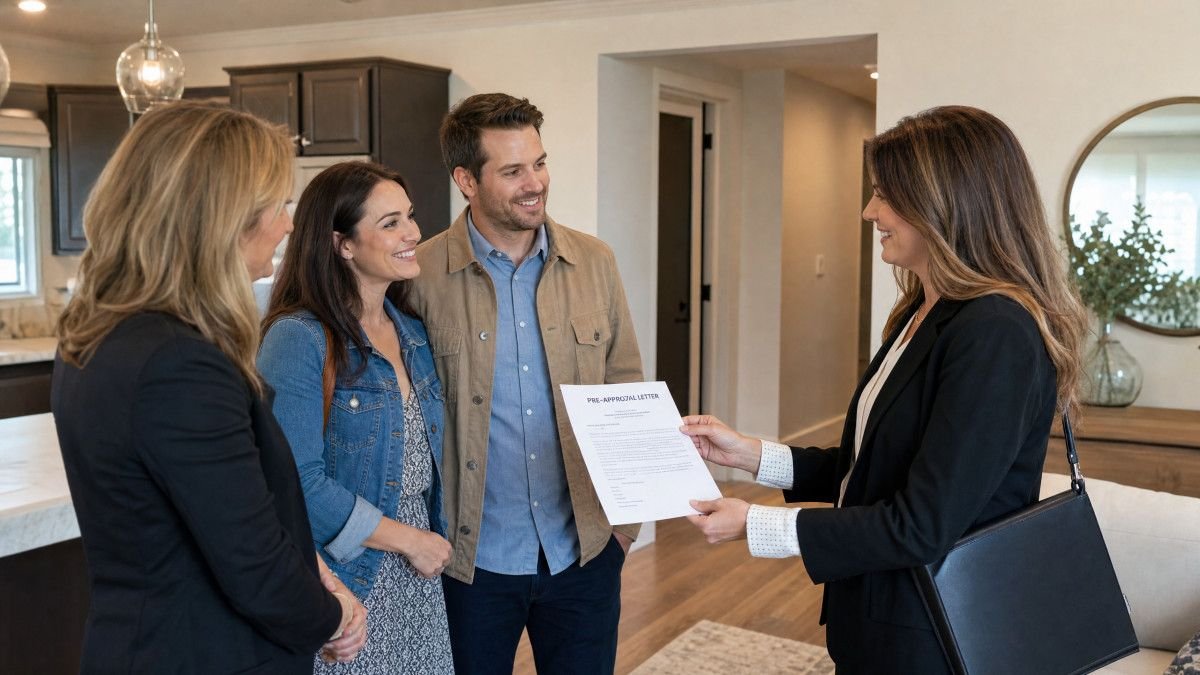
In today’s competitive real estate market, arriving at a showing without a mortgage pre-approval letter is the equivalent of showing up to a job interview without a resume, points out Ravago Group Properties North Las Vegas. Sellers and their agents treat pre-approval as the minimum threshold of seriousness, and in many markets, listing agents will not even schedule a tour for buyers who cannot produce one. Understanding what a pre-approval letter is, how it differs from a simple pre-qualification, and how to obtain one efficiently can mean the difference between securing your dream home and watching it go to another buyer.
A mortgage pre-approval letter is a formal, written commitment from a lender stating that, after reviewing your financial documentation, you are conditionally eligible to borrow a specific loan amount. Unlike a verbal estimate or a quick online calculation, a pre-approval involves a hard credit inquiry, income verification, and asset documentation. The result is a credible, lender-backed document that signals to sellers you are a qualified, serious buyer.

Pre-Qualification vs. Pre-Approval: A Critical Distinction

Many first-time buyers confuse pre-qualification with pre-approval, and the distinction carries significant practical consequences. Pre-qualification is an informal, often instantaneous estimate based entirely on self-reported financial information. You tell the lender your income, debts, and assets, and the lender provides a rough estimate of how much you might be able to borrow. No documentation is reviewed, and no credit check is performed. The result is a soft, unverified number that most sellers and listing agents treat with skepticism.

Pre-approval, by contrast, is a rigorous process. The lender collects and verifies your pay stubs, W-2 forms, tax returns, bank statements, and investment account records. A hard credit inquiry is performed, and your debt-to-income (DTI) ratio is calculated against the lender’s underwriting guidelines. The resulting pre-approval letter reflects a genuine, documented assessment of your borrowing capacity. In competitive markets, only a pre-approval letter – not a pre-qualification – will be taken seriously by sellers.

Feature Pre-Qualification Pre-Approval
Documentation required None (self-reported) Full income, asset, and employment docs
Credit inquiry Soft pull or none Hard pull
Reliability Low High
Accepted by sellers Rarely Yes, in most markets
Time to obtain Minutes 1-3 business days

Why Sellers Require a Pre-Approval Letter

From a seller’s perspective, accepting an offer from an unqualified buyer is a significant financial risk. If a buyer enters into a purchase contract and subsequently fails to secure financing, the seller loses weeks or months of market time, potentially missing other qualified buyers. In a hot market, this can translate to a lower eventual sale price. Sellers and their agents have learned to filter out unqualified buyers early in the process, and the pre-approval letter is the primary tool for doing so.

Beyond mere qualification, the pre-approval letter communicates the maximum loan amount a lender is willing to extend. This allows sellers to assess whether the buyer can realistically afford the asking price or any counter-offer. A pre-approval letter that specifies a loan amount well above the listing price signals financial strength and flexibility, which can be a decisive factor when sellers are evaluating multiple offers.

A pre-approval letter is not just a financial document – it is a negotiating tool. Buyers who present strong pre-approvals from reputable lenders are taken more seriously at every stage of the transaction.

Documents You Need to Gather Before Applying

Preparing your documentation in advance is the single most effective way to accelerate the pre-approval process. Lenders are systematic in their requirements, and delays almost always result from missing or incomplete paperwork. Assembling the following documents before you contact a lender will allow the process to move efficiently.

You will need two years of federal tax returns and W-2 forms, your two most recent pay stubs, two to three months of bank and investment account statements, documentation of any other income sources (rental income, alimony, or self-employment income), a government-issued photo ID, and information on any outstanding debts including student loans, auto loans, and credit cards. Self-employed borrowers will additionally need two years of business tax returns and a current profit-and-loss statement.

How Your Credit Score Affects Pre-Approval

why-a-mortgage-pre-approval-letter-is-essential-be-2

Your credit score is one of the most consequential factors in the pre-approval process. It determines not only whether you qualify for a loan, but also the interest rate you will be offered. Conventional loans typically require a minimum score of 620, while FHA loans may accept scores as low as 580 with a 3.5 percent down payment. VA and USDA loans have their own guidelines, though most lenders apply an internal minimum of 620 regardless of program type.

Beyond the minimum threshold, your credit score directly influences your mortgage rate. According to data from the Consumer Financial Protection Bureau, the difference between a 620 and a 760 credit score can translate to a rate differential of 1.5 percentage points or more. On a $400,000 loan over 30 years, that difference represents tens of thousands of dollars in additional interest. Buyers who are on the cusp of a higher credit tier should consider delaying their home search by three to six months to improve their score before applying.

Understanding Debt-to-Income Ratio Requirements

Your debt-to-income (DTI) ratio is calculated by dividing your total monthly debt obligations by your gross monthly income. Lenders evaluate two versions of this ratio: the front-end ratio, which includes only your projected housing payment (principal, interest, taxes, and insurance), and the back-end ratio, which includes all monthly debt obligations. Most conventional lenders prefer a back-end DTI of 43 percent or below, though some programs allow up to 50 percent with compensating factors such as a large down payment or substantial cash reserves.

Reducing your DTI before applying for pre-approval is one of the most effective strategies for improving your borrowing capacity. Paying down revolving credit card balances, avoiding new debt in the months before applying, and refraining from large purchases that could appear on your credit report are all practical steps that can meaningfully improve your DTI and, consequently, the loan amount for which you qualify.

How to Choose the Right Lender for Pre-Approval

Not all pre-approval letters carry equal weight. A pre-approval from a well-known, reputable lender – particularly one that has a strong local presence or an established relationship with listing agents in your target market – will generally be received more favorably than one from an unfamiliar online lender. In multiple-offer situations, listing agents sometimes advise their seller clients to favor offers accompanied by pre-approvals from lenders they know and trust.

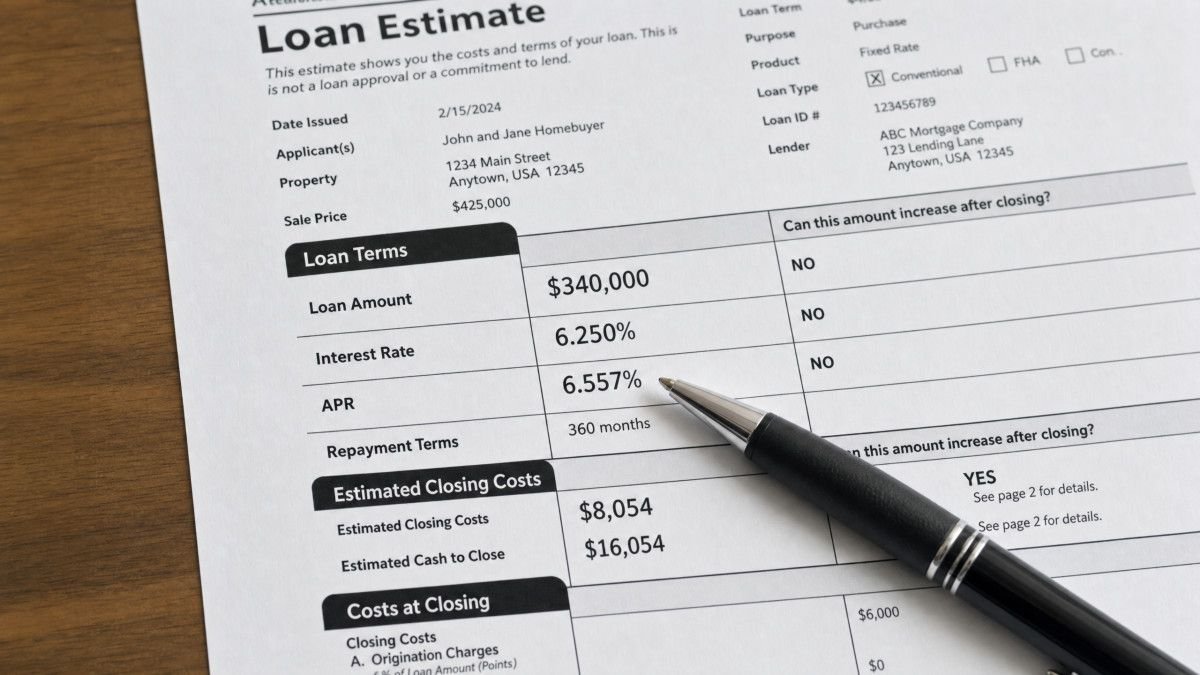
Buyers should compare at least three lenders before selecting one for pre-approval. Key factors to evaluate include the interest rate and annual percentage rate (APR), loan origination fees, the lender’s responsiveness and communication style, their experience with the specific loan type you are seeking, and their estimated timeline from application to closing. Shopping multiple lenders within a 45-day window is treated as a single hard inquiry by the major credit bureaus under the FICO scoring model, so comparison shopping carries minimal credit score impact.

The Pre-Approval Letter in a Multiple-Offer Scenario

In a seller’s market characterized by low inventory and high demand, multiple competing offers are common. In this environment, the pre-approval letter becomes a differentiating factor. Buyers can strengthen their position by obtaining a pre-approval from a lender willing to provide a fully underwritten approval – sometimes called a “credit-approved” or “TBD approval” – in which all financial documentation has been reviewed and approved by an underwriter before a specific property is identified. This level of approval is significantly stronger than a standard pre-approval and can effectively function as a near-guarantee of financing.

Additionally, buyers should ensure their pre-approval letter is dated recently and reflects a loan amount appropriate to the properties they are targeting. A pre-approval letter that specifies a maximum loan amount far above the offer price can inadvertently signal to sellers that the buyer has more room to negotiate upward. Some lenders will issue a letter customized to a specific purchase price upon request, which is a common and strategically sound practice.

Pre-Approval Expiration and Renewal

Most mortgage pre-approval letters are valid for 60 to 90 days. If your home search extends beyond this window, you will need to renew your pre-approval, which typically requires updated pay stubs, bank statements, and a new credit inquiry. Buyers who are actively searching should be proactive about tracking their pre-approval expiration date and initiating the renewal process before the letter lapses.

Significant changes to your financial situation during the pre-approval period – such as a job change, a large purchase, taking on new debt, or a significant drop in savings – can affect your eligibility and should be disclosed to your lender promptly. Attempting to conceal material changes is both counterproductive and potentially fraudulent, as lenders typically run a final credit check immediately before closing.

Common Reasons Pre-Approvals Are Denied

Understanding why pre-approvals are denied allows buyers to address potential issues before applying. The most common reasons include a credit score below the lender’s minimum threshold, a DTI ratio that exceeds program limits, insufficient employment history (most lenders require two years of continuous employment in the same field), inability to document income (particularly common for self-employed borrowers and those with variable income), and insufficient assets for the down payment and closing costs.

A denial is not necessarily permanent. In many cases, buyers can address the underlying issue – paying down debt, building savings, or correcting errors on their credit report – and reapply within a few months. Working with a HUD-approved housing counselor can provide structured guidance for buyers who have been denied and need a roadmap to qualification. You can find a HUD-approved counselor through the HUD Housing Counselor Locator.

Frequently Asked Questions

What is a mortgage pre-approval letter?

A mortgage pre-approval letter is a written statement from a lender indicating that, based on a preliminary review of your financial information, you are conditionally approved to borrow up to a specific loan amount.

How long does a mortgage pre-approval last?

Most mortgage pre-approval letters are valid for 60 to 90 days.

What is the difference between pre-qualification and pre-approval?

Pre-qualification is an informal estimate based on self-reported financial information. Pre-approval is a formal process involving document verification and a hard credit pull.

What documents are needed for mortgage pre-approval?

You will typically need recent pay stubs, W-2 forms and federal tax returns for the past two years, bank and investment account statements, and a valid government-issued ID.

Can a pre-approval be denied?

Yes. A pre-approval can be denied if your credit score is too low, your debt-to-income ratio is too high, your employment history is insufficient, or your income cannot be adequately documented.

Conclusion

A mortgage pre-approval letter is not merely a formality – it is the foundation of a credible, competitive home purchase. It defines your budget with precision, signals your seriousness to sellers, and positions you to act decisively when the right property becomes available. Buyers who invest the time to gather their documentation, understand their credit profile, and obtain a strong pre-approval from a reputable lender are measurably better positioned than those who begin their home search without one. In a market where the difference between winning and losing an offer can come down to hours, being pre-approved is not optional – it is essential.

How to Evaluate the Energy Efficiency of a House Before Buying

The energy efficiency of a home has a direct and measurable impact on the cost of ownership, notes Portside Property Management Summerville. A poorly insulated, drafty home with an aging HVAC system can cost thousands of dollars more per year to heat and cool than a comparable home with modern, efficient systems and a well-sealed building envelope. For buyers, evaluating energy efficiency before purchase is not merely an environmental consideration – it is a financial one. Understanding how to assess a home’s energy performance, and what improvements are most cost-effective, allows buyers to make more informed decisions and to negotiate more effectively when deficiencies are identified.Energy efficiency in a residential building is determined by the interaction of multiple systems: the building envelope (walls, roof, foundation, windows, and doors), the heating and cooling systems, the water heating system, lighting, and appliances. A weakness in any one of these systems can significantly increase energy consumption. The most comprehensive way to assess a home’s overall energy performance is through a professional home energy audit, but buyers can also conduct a meaningful preliminary assessment using visual inspection and publicly available utility data.

Reviewing Utility Bills Before Making an Offer

One of the most practical steps a buyer can take is to request 12 to 24 months of utility bills from the seller. This data provides a real-world picture of the home’s energy consumption across all seasons and eliminates the uncertainty of theoretical estimates. High utility bills relative to comparable homes in the area are a reliable indicator of energy efficiency deficiencies, and they provide a quantifiable basis for negotiating a price reduction or requesting improvements as a condition of sale.

When reviewing utility bills, normalize the data by dividing the annual energy cost by the home’s square footage to arrive at a cost-per-square-foot figure. This allows for meaningful comparison across homes of different sizes. Additionally, note whether the home uses natural gas, electricity, or a combination for heating and cooling, as fuel type significantly affects both the cost and the efficiency profile of the home’s systems.

Assessing the Building Envelope

The building envelope – the physical boundary between the conditioned interior of the home and the exterior environment – is the most fundamental determinant of energy efficiency. A well-sealed, well-insulated envelope minimizes the transfer of heat between the interior and exterior, reducing the load on the heating and cooling systems. Deficiencies in the building envelope are among the most common and most impactful sources of energy waste in residential buildings.

In the attic, assess the depth and type of insulation. The U.S. Department of Energy recommends R-38 to R-60 of insulation in attics for most climate zones. Blown-in fiberglass or cellulose insulation should be at least 10 to 15 inches deep to achieve adequate R-values. Inspect the attic for gaps around light fixtures, plumbing penetrations, and HVAC ducts that allow conditioned air to escape – these air leaks are often more significant sources of energy loss than inadequate insulation alone.

Evaluating Windows and Doors

how-to-evaluate-the-energy-efficiency-of-a-house-b-2

Windows and doors are among the most significant sources of heat loss and gain in a residential building. Single-pane windows, which are still present in many older homes, have an R-value of approximately 1, compared to R-3 to R-5 for double-pane windows with low-emissivity (low-E) coatings and R-5 to R-10 for triple-pane windows. The difference in energy performance between single-pane and modern double-pane windows is substantial, and replacement windows represent one of the most impactful energy efficiency upgrades available to homeowners.

To assess window quality during a property tour, look for condensation between the panes of double-pane windows, which indicates that the insulating gas seal has failed and the window is no longer performing at its rated efficiency. Check for drafts around window frames by holding your hand near the edges on a windy day. Inspect weatherstripping on exterior doors for compression and integrity, and check the threshold seal at the base of each door.

HVAC System Age and Efficiency

The heating, ventilation, and air conditioning (HVAC) system is typically the largest single consumer of energy in a residential building, accounting for 40 to 50 percent of total energy use in most climates. The age and efficiency rating of the HVAC system are therefore critical factors in evaluating a home’s energy performance and future maintenance costs. Most central air conditioning systems have a useful life of 15 to 20 years; furnaces and heat pumps typically last 15 to 25 years. Systems approaching or exceeding these ages should be evaluated for near-term replacement.

HVAC efficiency is rated using standardized metrics: SEER (Seasonal Energy Efficiency Ratio) for air conditioners and heat pumps, and AFUE (Annual Fuel Utilization Efficiency) for furnaces. Higher numbers indicate greater efficiency. Current federal minimum standards require a SEER rating of at least 14 to 15 (depending on region) for new central air conditioners. A system with a SEER rating of 10 or below is significantly less efficient than current standards and will cost meaningfully more to operate. Ask the seller for maintenance records and the model numbers of all HVAC equipment so you can research the age and efficiency ratings independently.

Professional Home Energy Audit

A professional home energy audit, conducted by a certified energy auditor, provides the most comprehensive and objective assessment of a home’s energy performance. The audit typically includes a blower door test, which measures the overall air leakage of the building envelope; thermal imaging with an infrared camera, which reveals areas of heat loss and moisture infiltration; and a systematic assessment of all major energy-consuming systems. The auditor produces a detailed report that identifies specific deficiencies and recommends improvements ranked by cost-effectiveness.

The cost of a professional energy audit ranges from $200 to $600 for most residential properties. Many utility companies offer subsidized or free energy audits to their customers, and some state energy offices provide additional incentives. Buyers who are seriously considering a property can commission an energy audit as part of their due diligence process, using the findings to negotiate improvements or a price reduction that reflects the cost of addressing identified deficiencies.

Frequently Asked Questions

What is a home energy audit?

A home energy audit is a systematic evaluation of a home’s energy performance, conducted by a certified energy auditor, including a blower door test, thermal imaging, and assessment of all major energy-consuming systems.

How much does a home energy audit cost?

A professional home energy audit typically costs between $200 and $600, depending on the size of the home and the depth of the assessment.

What is a good energy efficiency rating for a house?

The HERS Index is the most widely used residential energy efficiency rating. A score of 100 represents a standard reference home; lower scores indicate greater efficiency. New ENERGY STAR certified homes typically score 85 or below.

How do I know if a house is well insulated?

You can assess attic insulation by measuring its depth and comparing it to recommended R-value levels for your climate zone. Signs of inadequate insulation include uneven temperatures and high energy bills.

What HVAC age is considered too old?

HVAC systems older than 15 years should be considered for near-term replacement, as efficiency degrades significantly and the risk of major failure increases substantially.

Conclusion

Evaluating the energy efficiency of a home before buying is a financially prudent step that can save thousands of dollars annually and prevent costly surprises after closing. By reviewing utility bills, assessing the building envelope, evaluating HVAC systems, and commissioning a professional energy audit when warranted, buyers can develop a clear picture of a home’s energy performance and factor that information into their purchase decision and negotiating strategy. In an era of rising energy costs and increasing awareness of environmental impact, energy efficiency is not a secondary consideration – it is a core component of a home’s value and livability.

The Key Benefits of Using a Buyer’s Agent in Real Estate

Buying a home is one of the most significant financial decisions most people will ever make, observes PMI Prime Property specialists, yet many buyers navigate the process without dedicated professional representation. A buyer’s agent – a licensed real estate professional whose sole obligation is to represent the buyer’s interests – provides expertise, negotiating leverage, and transactional guidance that can meaningfully improve both the outcome and the experience of purchasing a home. Understanding the specific benefits a buyer’s agent provides helps buyers make an informed decision about whether to engage one and how to select the right professional for their needs.
The fundamental distinction between a buyer’s agent and a listing agent lies in the concept of fiduciary duty. A listing agent is contractually obligated to act in the seller’s best interest – to secure the highest possible price and most favorable terms for the seller. A buyer’s agent, by contrast, owes a fiduciary duty to the buyer, which includes duties of loyalty, confidentiality, disclosure, obedience, and accounting. This legal obligation to act in the buyer’s interest is the foundation of the value a buyer’s agent provides.

Access to Market Data and Off-Market Opportunities

One of the most tangible benefits of working with a buyer’s agent is access to comprehensive market data that is not available to the general public. While consumer-facing platforms like Zillow and Realtor.com provide broad listing information, buyer’s agents have access to the Multiple Listing Service (MLS), which contains more detailed and up-to-date information on active, pending, and recently sold properties. This data allows agents to conduct accurate comparative market analyses and identify whether a listing is priced fairly, above, or below market value.

Beyond MLS data, experienced buyer’s agents often have access to off-market opportunities – properties that are available for sale but not publicly listed. These “pocket listings” or “coming soon” properties can give buyers a significant advantage in competitive markets by allowing them to make an offer before a property is exposed to the broader market. An agent’s professional network – including relationships with other agents, builders, and property owners – is a resource that no amount of independent online searching can replicate.

Professional Negotiation on Your Behalf

the-key-benefits-of-using-a-buyers-agent-in-real-e-2

Negotiating a real estate transaction involves far more than agreeing on a purchase price. The terms of a purchase contract – including the closing date, contingencies, repair requests, personal property inclusions, and seller concessions – all represent negotiable elements that can have significant financial implications. A skilled buyer’s agent brings professional negotiating experience to every aspect of the transaction, advocating for terms that protect the buyer’s interests and maximize the value of the purchase.

In a multiple-offer situation, a buyer’s agent can advise on offer strategy, help structure an offer that is competitive on dimensions beyond price, and communicate effectively with the listing agent to understand the seller’s priorities. After a home inspection, a buyer’s agent can negotiate repair credits or price reductions based on documented deficiencies, drawing on knowledge of typical repair costs and market norms to set realistic expectations and achieve fair outcomes.

Contract Guidance and Legal Protection

A real estate purchase contract is a legally binding document that can run to dozens of pages and contain provisions with significant financial and legal consequences. Buyer’s agents are trained to explain contract terms in plain language, identify provisions that may be unfavorable to the buyer, and ensure that all necessary contingencies and disclosures are properly included. While a buyer’s agent is not a substitute for a real estate attorney in states where attorney review is standard practice, their contract expertise provides an important layer of protection throughout the transaction.

Buyer’s agents also coordinate the due diligence process – scheduling inspections, reviewing disclosure documents, tracking contingency deadlines, and communicating with lenders, title companies, and other parties to ensure the transaction progresses smoothly toward closing. This coordination function is particularly valuable for first-time buyers who are unfamiliar with the transaction timeline and the consequences of missing critical deadlines.

The 2024 NAR Settlement and Buyer Agent Compensation

The real estate industry underwent a significant structural change following the 2024 National Association of Realtors (NAR) settlement, which changed how buyer agent compensation is disclosed and negotiated. Under the new rules, buyers must sign a written buyer representation agreement before touring homes with an agent, and the agreement must specify the compensation the buyer’s agent will receive. Sellers are no longer required to offer buyer agent compensation through the MLS, though they may still choose to do so as a negotiating tool.

This change has made buyer agent compensation more transparent and negotiable. Buyers should discuss compensation expectations with their agent upfront and understand that in many transactions, the seller may still agree to cover some or all of the buyer agent’s fee as part of the negotiated terms of the sale. The key is to have a clear, written agreement before beginning your home search.

Emotional Guidance and Objective Perspective

Home buying is an emotionally charged process. Buyers can become attached to properties, make impulsive decisions under competitive pressure, or become discouraged after a series of unsuccessful offers. A skilled buyer’s agent provides an objective, professional perspective that helps buyers maintain focus on their priorities and make decisions based on data and strategy rather than emotion. This guidance is particularly valuable in competitive markets where the pressure to act quickly can lead to costly mistakes.

Frequently Asked Questions

What is the difference between a buyer’s agent and a seller’s agent?

A buyer’s agent represents the buyer’s interests exclusively with a fiduciary duty to act in the buyer’s best interest. A seller’s agent is obligated to secure the best possible price and terms for the seller.

How does a buyer’s agent get paid?

Following the 2024 NAR settlement, buyer agent compensation must be disclosed and agreed upon in a written buyer representation agreement before touring homes.

Do I need a buyer’s agent?

While not legally required, using a buyer’s agent provides significant advantages: dedicated representation, professional negotiation, access to market data, and guidance through a complex legal and financial process.

What percentage do buyer’s agents make?

Buyer’s agent commissions have historically been around 2.5 to 3 percent of the purchase price, but following the 2024 NAR settlement, compensation is now more explicitly negotiated.

Can I use the seller’s agent as my agent?

In some states, a listing agent can act as a dual agent, but this creates an inherent conflict of interest. Most experienced buyers’ advocates recommend against dual agency.

Conclusion

The value of a buyer’s agent extends well beyond finding available listings. From market analysis and off-market access to professional negotiation, contract guidance, and emotional support, a skilled buyer’s agent is a comprehensive resource that protects the buyer’s interests at every stage of one of the most consequential financial transactions of their life. In a market environment that has become increasingly complex – with new compensation rules, competitive bidding dynamics, and evolving disclosure requirements – the professional guidance of a dedicated buyer’s agent is more valuable than ever.

How to Prepare for a Home Staging Consultation

A staging consultation is a $200 to $500 investment that can return 10 to 20 times its cost in sale price and speed. But the stager can only work with what they see. If they walk into a house where every counter is covered in mail and every closet is stuffed to the hinges, the consultation becomes an expensive version of someone telling you to clean up. How to prepare for a home staging consultation means clearing the canvas before the artist arrives, so the advice you get is about furniture placement, traffic flow, and buyer psychology — not about the pile of laundry on the treadmill.

According to the Real Estate Staging Association, professionally staged homes spend 73% less time on the market than unstaged homes. A consultation is the budget version of full staging: you get the expert eye and the written report without paying for the furniture rental. But the value of that report depends entirely on the condition of the house when the stager walks through the door.

What a Staging Consultation Covers

A stager evaluates every room through the lens of a buyer seeing it for the first time. They assess four things in sequence: furniture placement, traffic flow, focal points, and color palette. Furniture that blocks natural walkways makes rooms feel smaller.

A sofa facing away from the entry makes the room feel unwelcoming. Dark walls in a north-facing room compound the gloom. A stager catches all of these within the first five minutes.

They will also identify the single biggest problem in every room. That oversized sectional that fits your family? It is shrinking your living room by a third to anyone who does not live there. Those family photos covering every wall?

They prevent a buyer from imagining their own children in the space. The collection of 47 houseplants on the windowsill? It is blocking the light that makes the room feel alive. The stager’s job is to tell you what you cannot see because you have lived in the house too long.

A consultation typically runs 90 minutes to two hours and produces a written report with room-by-room recommendations. Some stagers include a follow-up phone call. The report will itemize items to remove, items to rearrange, color changes, lighting upgrades, and sometimes accessories to add. The recommendations are ranked by priority and cost.

Declutter Before the Stager Arrives

The biggest waste of a stager’s time is wading through clutter. If the professional walks into a kitchen with countertops buried under appliances, mail, and snack boxes, their first five recommendations will be variations of clear the surfaces. That advice costs you nothing and you already knew it.

Spend the weekend before the consultation removing 50% of your belongings from every room. Rent a storage unit if necessary. A half-empty closet looks spacious. A stuffed closet looks like the house lacks storage.

Clear every horizontal surface a buyer might touch or look at. Kitchen counters should hold nothing except a coffee maker and a bowl of fresh fruit. Bathroom vanities should display a soap dispenser and a neatly folded towel.

Bookshelves should be two-thirds empty with the remaining books arranged by size or color. Remove personal photographs, children’s artwork from the refrigerator, diplomas from the office wall, and anything with a name or a face. Buyers cannot picture their own life in the home when yours is staring back from every surface.

Pack away seasonal items, excess kitchenware, and anything stored in plain sight that belongs behind a door. A buyer will open every cabinet and closet. If those spaces look organized and half-empty, the home feels like it has abundant storage. If they are packed to the point of avalanching when opened, the home feels like it does not have enough room for the buyer’s things either.

Clean to a Standard You Have Never Cleaned To Before

The house must be cleaner for the consultation than it has ever been. The stager needs to see the bones of the home — the light, the proportions, the surfaces — without the distraction of dirt. Windows must be spotless on both sides, because light is the stager’s primary tool and dirty glass cuts light transmission by up to 30%. Light fixtures and ceiling fans must be free of dust, because buyers look up more than sellers realize. Baseboards, door frames, and switch plates need to be wiped down because a buyer’s eye catches contrast, and dirty white trim against a clean wall stands out like a stain.

Bathrooms and kitchens demand the deepest attention. Grout lines that have darkened over years of use can be restored with a steam cleaner and an afternoon of work. Shower doors and mirrors need to be streak-free.

The oven, microwave, and refrigerator interiors must be cleaned, because buyers open them. A buyer who sees a spotless oven assumes the rest of the home was maintained with equal care. A buyer who sees grease on the range hood assumes the opposite.

Odors must be eliminated, not masked. Do not light candles or plug in air fresheners before the consultation. Those signal to the stager , and later to buyers , that something is being covered up. Run an ozone machine if pets have lived in the home. Wash all soft surfaces: curtains, throw pillows, area rugs, pet beds. The house should smell like nothing. No scent is the most expensive scent to produce.

Enhanced article illustration

Make a List of Your Own Observations

Walk through every room with a notepad before the stager arrives. Write down the rooms that feel awkward or cramped. Note the corners that stay dark even during the day.

Flag the pieces of furniture you suspect are too large for their spaces. Identify the rooms with unclear purposes , that spare bedroom that became a storage dump, the dining room that has not hosted a meal in years. The stager will find these things independently, but highlighting them ensures they address your specific anxieties.

Also write down what you believe are the home’s best features. The fireplace, the bay window, the vaulted ceiling, the view , these are what the stager builds the strategy around. If you do not tell them, they might inadvertently place furniture in front of the feature that sells the house.

What Happens During and After the Consultation

The stager will walk through the front door and pause. They are experiencing what every buyer will experience: the first impression. They will note whether the entryway feels open or cramped, bright or dark, welcoming or closed off. They will then move through the house methodically, pausing in each room to assess proportion, function, and appeal.

They will touch surfaces, open curtains, and sometimes move small items to test arrangements. Be present for the first 15 minutes to answer questions, then let them work alone. A stager who feels they must be diplomatic about your decorating choices gives softer advice. You are paying for honesty.

By the end of the session, you will have a prioritized action list. Start with the zero-cost items: rearranging existing furniture, removing excess pieces, opening curtains fully, swapping light bulbs for higher wattage, removing area rugs that break up sightlines. These changes take a weekend and cost nothing. Do them immediately while the feedback is fresh.

The items that cost money , painting walls a neutral color, replacing dated light fixtures, updating cabinet hardware , should be evaluated against your timeline and budget. A $300 lighting update that makes a room feel five years newer returns far more in perceived value than the receipt suggests.

If you are in a slow market, do everything the stager recommends. If you are in a hot market with multiple offers expected, the cosmetic recommendations become optional.

Preparation Step Time Required Cost ROI Impact
Declutter 50% of belongings 1 weekend $0-$100 (storage unit) High — rooms feel 20% larger
Deep clean (professional) 1 day $350-$600 Very High — #1 buyer perception driver
Remove personal items/photos 2-3 hours $0 High — buyers visualize their own life
Minor repairs (paint, caulk, hardware) 1 weekend $100-$300 High — signals maintenance care
Pre-consultation walkthrough notes 30 minutes $0 Medium — ensures concerns addressed

Frequently Asked Questions

How much does a home staging consultation cost?

A staging consultation typically costs $150 to $500 for a two-hour session with a written report, with prices rising to $400 to $800 in high-cost metro areas like San Francisco, New York, and Los Angeles.

Most stagers charge a flat fee based on home size rather than an hourly rate. The consultation is a fraction of the cost of full staging, which runs $2,000 to $5,000 per month for furniture rental and setup.

What is the difference between a staging consultation and full staging?

A consultation is advice you execute yourself. The stager provides a room-by-room plan; you do the work. Full staging means the stager brings furniture, art, rugs, and accessories from their inventory and sets up the home for showings. Consultations work best for occupied homes where the seller’s furniture stays. Full staging is nearly mandatory for vacant homes, which photograph poorly and feel cold and undefined without furniture.

How long before listing should I schedule the consultation?

Schedule the consultation at least three to four weeks before your target listing date. You will need time to execute the recommendations, have professional photos taken, and make any follow-up adjustments. Rushing the process means listing with incomplete staging, which undermines the point of the consultation.

Should I be present during the entire consultation?

Be present for the opening walkthrough so the stager can ask questions and you can flag concerns. Then leave them alone to work independently for the remainder. The most useful feedback comes when the stager is not filtering their observations to protect your feelings about your furniture.

Understanding the Market Value of Your Home

Understanding the market value of your home begins with a simple truth: a house listed at $425,000 in April sold for $407,000 in July. Same house. Same street. The difference was not the granite countertops or the school district. The difference was three months of rising inventory and one seller who finally stopped arguing with the comps. Understanding the market value of your home is not about what you paid, what you owe, or what your neighbor claims to have gotten. It is about what a buyer who toured three other houses this weekend is willing to write on a contract.

Market value sits at the intersection of three forces that shift independently of each other: what comparable homes recently sold for, what competing homes are listed at right now, and how many buyers are actively looking. Fixating on any one of these three while ignoring the others is how sellers end up six weeks into a listing with no offers and a growing suspicion that their agent gave them a flattering number to secure the signature. When that happens, the conversation is no longer about market value. It is about the price of flattery, and the seller pays it in days on market.

What Market Value Actually Means

Market value is the price a willing buyer and a willing seller agree upon when neither is under unusual pressure to act and both have reasonable knowledge of the relevant facts. That definition comes from federal banking regulations and is the standard appraisers use. In practice, it means the number that emerges when your home competes against every other listing in your price band and wins a signed offer.

Market value is not what you paid for the home. It is not what Zillow displays in bold print at the top of your property page. It is not what the county tax assessor mailed you in January, and it is not what your neighbor listed at last month before cutting the price twice. All of those numbers exist in the same orbit, but only one — the signed purchase agreement — actually clears at closing. According to the Federal Housing Finance Agency, the gap between automated valuation estimates and actual sale prices averages 5% to 8% in either direction, meaning a $400,000 home could be overvalued or undervalued by $20,000 to $32,000 by an algorithm.

Market Value Versus Appraised Value Versus Assessed Value

Three different people will give you three different numbers for the same house, and they are all correct within their own systems. The tax assessor calculates assessed value using a mass appraisal formula that caps annual increases by law in most jurisdictions.

A home assessed at $280,000 that would sell for $420,000 is not a mistake. It is a policy choice. The assessment is for taxation, not for pricing.

An appraiser is hired by the buyer’s lender to determine whether the contract price is supported by recent comparable sales data. The appraiser visits the property, measures rooms, photographs condition, selects three to six comparable sales, and adjusts for differences. Appraised value protects the lender. If the appraisal comes in below the contract price, the buyer must cover the gap in cash, renegotiate, or walk. An appraisal is not the same as market value. In a rising market where bidding wars push prices above recent comps, the appraised value often lags behind what buyers are actually paying. The appraiser can only use closed sales as data points, and a closed sale from 60 days ago in a market that has moved up 3% since then is already stale.

The market value is what survives the collision between the seller’s ask, the buyer’s offer, the lender’s appraisal, and the inspection report. It is the only number that produces a closed transaction. Everything else is an estimate, and estimates are wrong in both directions.

How Market Value Is Actually Determined

An appraiser or a skilled agent starts with recently sold homes within a half-mile radius that are similar in square footage, bedroom count, bathroom count, age, and condition. These are the comparables, or comps. The sale prices of those comps form a range. Adjustments are then made for differences.

A comparable with a renovated kitchen that sold for $410,000 becomes $395,000 when adjusted against your home with original finishes. A comparable on a busy street that sold for $365,000 becomes $380,000 when adjusted against your home on a cul-de-sac. The adjusted prices cluster around a number. That number, give or take 3%, is the market value.

The three comps that matter most are the three that sold most recently. A sale from 30 days ago carries far more weight than a sale from six months ago, because market conditions change.

If interest rates have risen since that older comp closed, today’s buyer pool is smaller and today’s market value is lower. Weighting recency over total sale price is the most common correction experienced agents make that algorithms and amateur sellers miss.

What Increases Market Value

Location factors are the heavy hitters, and they are largely fixed. Homes in top-rated school districts command a premium of 20% to 30% over comparable homes in average districts, according to research by the National Bureau of Economic Research.

Walkability, public transit access, low crime rates, and proximity to employment centers all move value in the same direction. A home with a 15-minute commute to a major employer is worth more than an identical home with a 45-minute commute, and the market prices that difference with remarkable precision.

Physical improvements return wildly different amounts at sale. A minor kitchen remodel — new countertops, refaced cabinets, updated appliances , returns roughly 70% to 80% of its cost in increased sale price, according to Remodeling Magazine’s annual Cost vs. Value report.

A major upscale kitchen renovation returns closer to 40% to 50%. The projects that return the most are the ones buyers see immediately: a new front door, fresh exterior paint, updated landscaping, refinished hardwood floors, modern light fixtures. These cost thousands, not tens of thousands, and they make the home feel maintained rather than neglected.

Market conditions are the third driver, and they operate entirely outside your control. Low inventory relative to buyer demand pushes values up. Rising interest rates push them down by shrinking the buyer pool.

Seasonality matters more than many sellers realize. Homes listed in May consistently sell for 2% to 4% more than homes listed in December, controlling for all other factors, according to Zillow research. If you have the flexibility to time your sale, listing in late spring captures the seasonal premium that exists in nearly every U.S. market.

Understanding the Market Value of Your Home

What Decreases Market Value

Deferred maintenance is the single largest drag on market value that sellers can control. A roof with five years of remaining life, an HVAC system that makes irregular noises, windows with broken seals, a driveway cracking toward the foundation , buyers price these repairs at retail cost plus a risk premium.

A $10,000 roof replacement you avoid becomes $15,000 off the offer. Buyers pay more for a finished product than a project. Every time.

Functional obsolescence is harder to fix. A three-bedroom home with one bathroom competes poorly against three-bedroom homes with two bathrooms, regardless of square footage.

A kitchen closed off from the living space in a market where open floor plans dominate carries a structural discount. A home without a primary suite, without central air conditioning, with outdated electrical panels, or with a floor plan that forces foot traffic through bedrooms , these deficiencies reduce value by amounts that exceed the cost of correcting them, because the correction is often impossible without rebuilding.

External factors outside your property line depress value as well. A neighboring property with peeling paint, an overgrown yard, or a barking dog kennel subtracts from your sale price. Short-term rentals on the block, proximity to a landfill or airport flight path, and high-traffic roads all reduce value in ways comps sometimes fail to capture because the comps share the same negative externality.

How to Track Your Home’s Value Over Time

Check online valuation tools quarterly. Zillow, Redfin, and Realtor.com each run their own automated valuation models with different algorithms and different error rates. Watching all three gives you a range rather than a single data point.

The Zestimate publishes a margin of error by metro area, updated monthly. If the margin for your area is 5%, a $400,000 Zestimate means the likely sale price is somewhere between $380,000 and $420,000. That range, not the headline number, is what matters.

Attend open houses in your neighborhood twice a year. Walk through homes similar to yours that are actively listed. Compare their condition, their updates, and their asking prices to your own.

The most valuable market intelligence you can gather costs nothing and takes an hour on a Sunday afternoon. No algorithm can tell you that the house around the corner has water stains on the ceiling and a smell of mildew in the basement. You can only learn that by walking through.

Request a comparative market analysis from an agent annually, even if you are not planning to sell. Agents provide these for free, and a good one will walk you through the comps, the adjustments, and the inventory trends in your specific neighborhood. Treat it as a no-obligation annual physical for your largest financial asset.

Value Type Who Determines It Purpose Accuracy vs Sale Price
Market Value Buyer + Seller in open market Actual transaction price Exact (it is the sale price)
Appraised Value Licensed Appraiser (for lender) Protect lender from over-lending ±3-5% in stable markets
Assessed Value County Tax Assessor Property tax calculation Often 20-50% below market
Zestimate/AVM Algorithm (Zillow, Redfin) Quick online estimate ±5-8% median error

Frequently Asked Questions

How is market value different from the Zillow Zestimate?

A Zestimate is an algorithm-generated estimate based on public records and recent sales data, with a median error rate of 2% to 7% depending on the market. It cannot account for interior condition, upgrades, or unique property features.

Market value is determined by what an actual buyer offers after touring the property and comparing it to competing listings. The Zestimate is a starting point. The signed contract is the finish line.

Does a tax assessment reflect market value?

Almost never. Tax assessments use mass appraisal formulas that often lag behind market conditions by one to three years and are capped by law in many jurisdictions. In states with assessment caps, homes routinely sell for 30% to 50% above their assessed values. The assessment is a tool for distributing the property tax burden, not a pricing guide for sellers.

What is the fastest way to find my home’s market value?

Ask three local real estate agents for a comparative market analysis. Each will produce a slightly different number based on which comps they select and how they adjust. The range between the three estimates is usually narrow enough to price within. A formal pre-listing appraisal provides the most rigorous estimate and costs $400 to $600. Online tools provide an instant estimate with a known margin of error.

How often does market value change?

Market value shifts continuously as comparable homes sell, new listings enter the market, and interest rates fluctuate. In a stable market, monthly changes are small , typically under 1%. In a rapidly moving market, values can shift 2% to 3% per month. Sellers should refresh their market analysis if a listing has been active for more than 30 days without an offer.

Can I increase my home’s market value without spending a lot?

The highest-return improvements cost the least. Deep cleaning, aggressive decluttering, fresh neutral paint, updated light fixtures, and improved curb appeal through landscaping and a clean front entry cost under $2,000 combined and can increase offers by 3% to 5%. The perception of a well-maintained home is worth far more than any single upgrade, because it removes the buyer’s fear of hidden deferred maintenance.

What happens if my home appraises below the contract price?

If the appraisal comes in below the contract price, the buyer’s lender will only fund up to the appraised value.

The buyer must then cover the shortfall with additional cash, renegotiate the price with you, or cancel the contract if an appraisal contingency is in place. The most common resolution is a price reduction to the appraised value, because the appraisal effectively resets the market value for that transaction and any subsequent buyer using financing will face the same constraint.

How to Negotiate Commissions With a Real Estate Agent (and Actually Win)

Knowing how to negotiate commissions with a real estate agent starts with a simple fact: real estate commissions are negotiable. They always have been, legally speaking. But until recently, most sellers never tried.

A 2024 federal court ruling against the National Association of Realtors changed that — and suddenly, the conversation about negotiating commissions with a real estate agent shifted from something theoretical to something every seller should do. The average commission in the United States now runs between 4.5% and 6%, split between the listing agent and the buyer’s agent. On a $400,000 home, that 1.5% spread represents a $6,000 difference in your pocket. Most sellers leave at least that much on the table because they never ask.

The rules changed in August 2024. Buyer agent commissions are no longer automatically listed on the MLS. Sellers are no longer presumed to pay both sides. The old assumption that the seller pays 6% and the agents split it is gone. Knowing how to negotiate commissions with a real estate agent now means knowing what the new rules allow — and what they do not.

Why Agent Commissions Are Negotiable Now

Commissions have never been fixed by law. The Sherman Antitrust Act has prohibited price-fixing among real estate agents for decades. What made them feel fixed was convention: nearly every listing agreement in a given market listed the same percentage because agents followed local norms and the MLS displayed the buyer agent split.

The NAR settlement dismantled that second piece. The MLS no longer shows what the seller is offering the buyer’s agent. That means sellers can negotiate the total commission freely, including whether they pay the buyer’s agent at all.

The practical effect is that listing agents now compete on price in ways they rarely did before. In competitive markets like Phoenix, Austin, and Denver, agents are increasingly offering 4% to 4.5% total commissions to win listings. Some flat-fee brokerages charge $3,000 to $5,000 regardless of sale price. The bottom of the market is shifting. The middle will follow.

Know the Numbers Before You Start Talking

Walking into a commission negotiation without doing the math is like walking into a car dealership without knowing the invoice price. The listing agent’s cut of a 6% commission on a $400,000 sale is $12,000. At 5%, it is $10,000.

At 4.5%, it is $9,000. The spread between 6% and 4.5% on that same house is $6,000. That is real money — enough to cover moving costs, a repair credit for the buyer, or a weekend away after the closing.

Sale Price 6% Commission 5% Commission 4.5% Commission Your Savings (6% → 4.5%)
$300,000 $18,000 $15,000 $13,500 $4,500
$400,000 $24,000 $20,000 $18,000 $6,000
$500,000 $30,000 $25,000 $22,500 $7,500
$750,000 $45,000 $37,500 $33,750 $11,250

The commission is not the only variable. Ask the agent to show you what their marketing spend looks like. Some agents pay for professional photography, drone footage, floor plans, and premium listing placement out of their own pocket.

Others charge you separately for everything. If one agent charges 5% and spends $2,000 marketing your home, while another charges 4.5% and you pay $1,500 for photos, the cheaper agent is actually more expensive. Always compare the net cost after marketing expenses, not just the headline rate.

The NAR Settlement Changed Everything

Before August 2024, the standard practice in most markets was that the seller paid a total commission of 5% to 6%, which was then split between the listing agent and the buyer’s agent. The split was published on the MLS, so buyer agents knew exactly what they would earn before showing a property.

If a seller offered less than the local norm, buyer agents might steer clients away from the listing. The NAR settlement made that practice illegal.

Now, the MLS cannot display any commission offer to buyer agents. Sellers can still choose to cover the buyer’s agent fee , and most still do, because a buyer who has to pay their agent out of pocket has less cash for the down payment , but the amount is negotiated outside the MLS, directly between the parties. This structural change means every dollar of the total commission package is open to discussion.

No default. No convention. Just whatever you and the agent agree to in writing.

Five Specific Ways to Lower the Commission

Asking for a lower commission without a reason is a lot like asking for a discount at a restaurant because you feel like it. Agents hear it every week and almost always say no. Giving them a reason that makes business sense changes the dynamic entirely. Here are five approaches that work because they address what the agent actually cares about: their time, their risk, and their margins.

Offer a shorter listing period. A 60-day exclusive at 4.5% with a promise to re-list with the same agent at 5.5% if it does not sell gives the agent a shot at a quick deal and protects you from overpaying for a listing that drags on.

Agents value speed almost as much as the rate itself. A listing that closes in three weeks at 4.5% makes them more money per day than one that closes in three months at 5.5%.

Bundle the buy side. Tell the agent you will use them as your buyer’s agent for your next purchase if they reduce the listing commission by half a point.

A buyer-side commission on a new home purchase typically earns an agent 2.5% to 3%. That is a $10,000 payday on a $400,000 purchase , far more than the half-point they gave up on your sale. This works especially well in markets where you are both selling and buying.

Do the prep work yourself. A house that needs decluttering, minor repairs, and staging costs the agent time and money before it even hits the market.

If you present a move-in-ready home with fresh paint, a professional deep clean, and landscaping already done, the agent’s job is significantly easier. Less work for the agent means more room to negotiate the rate. Offer to handle the staging, the photography coordination, and the open house refreshments yourself, and ask for a 0.5% reduction in exchange.

Interview multiple agents and let them know you are doing it. Competition is the most powerful negotiation lever that exists. Tell every agent you sit down with that you are talking to two others.

Ask each one to put their commission structure and marketing plan in writing. When Agent A offers 5% with drone photography included and Agent B offers 4.5% with standard photos, show Agent A the competing proposal and ask if they can match the rate. Most will , not because they want to, but because losing a listing to a competitor costs more than giving up half a point.

Explore flat-fee and limited-service options. Flat-fee MLS services charge a one-time amount , typically $300 to $1,000 , to list your home on the MLS, and you handle everything else.

Discount brokers like Redfin charge 1.5% to 2% for the listing side. For sellers with experience and a home in a hot market, the full-service 3% listing fee is increasingly hard to justify. A flat-fee service plus a buyer’s agent commission of 2.5% puts you at a total cost of roughly 3% , half the traditional model.

What to Say in the Conversation

The conversation you have with an agent about their commission is not a confrontation. It is a business discussion between two people who might enter into a partnership. The right words get you to yes. The wrong ones get you a polite version of no.

Start with “I want to make this work with you, and I need to understand your commission structure so I can compare offers fairly.” That signals competition without being aggressive. Follow with a specific, reasonable ask: “Would you consider 4.5% total if I commit to a 45-day listing and handle the minor repairs and staging myself?” The specificity is what works.

A vague request for a discount gets a vague refusal. A specific proposal anchored to a shorter timeline, less work for the agent, or a bundled deal gives the agent something to say yes to.

What not to say: “My last agent did it for less.” Agents hate being compared to someone else’s deal because they do not know if that agent did a good job. “The market is hot, you do not have to do much” suggests you do not value their work, which is a terrible way to start a negotiation. “I read online that commissions are negotiable” sounds like you are quoting a blog post.

Instead of any of these, anchor your ask in the value you are bringing: a clean house, a realistic price, a quick close.

When Negotiating Is a Bad Idea

There are situations where pushing too hard on commission backfires. If you are selling a difficult property , a flood-zone home, a house with a foundation issue, a rural property with a tiny buyer pool , you want the best agent you can find, and the best agents do not discount.

A property that requires six months of marketing, twenty open houses, and creative deal structure to sell is not one you want a discount agent handling. You want the agent who charges full price and has a track record of moving hard-to-sell homes.

The same logic applies in a buyer’s market. When listings outnumber buyers and homes sit for 60 to 90 days, an agent working for a discounted commission has less incentive to spend money on marketing and less motivation to push for every showing.

Their time is better spent on listings that pay full freight. You risk becoming the client who gets the B-team treatment because the economics do not justify the A-team effort.

If the agent you want has sold 40 homes in your neighborhood in the last two years and consistently closes at 98% of list price within two weeks, paying them 6% is almost certainly a better financial decision than paying a discount agent 4.5% who takes three months and closes at 94% of list price. A 4% gap on a $400,000 home is $16,000.

The commission savings of $6,000 vanish next to a $16,000 loss on the sale price. Negotiate the commission. But do not lose the negotiation on the far bigger number , the sale price itself.

Commission comparison showing 6 percent versus 4.5 percent on a 400,000 dollar home, highlighting 6,000 dollars in savings
A half-point reduction on a $400,000 sale puts $6,000 back in your pocket. That spread gets wider as the sale price climbs.

Frequently Asked Questions About Negotiating Commissions With a Real Estate Agent

Are real estate commissions negotiable by law?

Yes. Real estate commissions have always been negotiable under federal antitrust law. Nothing requires a seller to pay any specific percentage. The NAR settlement effective August 2024 reinforced this by removing commission offers from the MLS, making the negotiation more transparent and giving sellers more leverage than they had under the old system where buyer agent commissions were effectively preset.

What is a fair commission to pay a real estate agent in 2026?

A fair total commission in most U.S. markets now falls between 4.5% and 5.5%, split between the listing agent and the buyer’s agent.

Individual listing agent fees range from 1.5% for discount brokerages to 3% for full-service agents. The right number depends on your market, your home’s price point, and the level of service the agent provides , including whether marketing, photography, and staging are included.

How do I ask a real estate agent to lower their commission?

The most effective approach is to offer something in return: a shorter listing period, a commitment to use them as your buyer’s agent, a home already prepared for market, or a competing offer from another agent.

A specific ask paired with a specific concession works far better than asking for a discount without giving the agent a reason to agree. Interviewing multiple agents and letting each know you are comparing offers is the single strongest leverage point.

Can I negotiate the buyer’s agent commission separately?

Yes. Under the post-settlement rules, you can negotiate the buyer’s agent commission independently from the listing agent’s.

You might pay your listing agent 2.5% and offer the buyer’s agent 2%, for a total of 4.5%. Or you might decide not to cover the buyer’s agent commission at all , though doing so limits your buyer pool, since buyers who cannot afford to pay their agent out of pocket will skip your listing.

Is it worth paying a higher commission for a better agent?

In most cases, yes. A top-performing agent who charges 6% but sells your home for the full asking price in two weeks is almost always a better financial outcome than a discount agent who charges 4.5% but takes three months and closes below list.

The sale price and time on market matter far more than the commission rate. A good agent saves you money on the biggest number in the transaction , not just the fee you see on the settlement statement.

Selecting a Trustworthy Home Inspector: Your Essential Guide

Knowing how to choose a reliable home inspector is one of the most consequential decisions in the home-buying process. A skilled inspector can identify structural deficiencies, failing mechanical systems, and safety hazards that are invisible to the untrained eye — potentially saving you tens of thousands of dollars and years of frustration. Conversely, an underqualified or conflicted inspector may overlook critical issues, leaving you with expensive surprises after closing, where KRS Property Management solutions can help owners think through post-purchase property responsibilities.

The home inspection industry is regulated inconsistently across different states, meaning that the qualifications and standards of inspectors vary widely. Some states require licensure, continuing education, and adherence to professional standards; others impose minimal requirements. This variability places the burden on the buyer to conduct their own due diligence when selecting an inspector. This guide provides a systematic framework for making that selection with confidence.

Key Qualities of a Professional Home Inspector

A reliable home inspector combines formal credentials from a nationally recognized organization, substantial hands-on experience, professional liability insurance, and a commitment to objectivity. These qualities work together to ensure that the inspection is thorough, independent, and genuinely useful for your purchase decision.

Professional credentials are the first filter. Look for inspectors who hold certifications from nationally recognized organizations such as the American Society of Home Inspectors (ASHI) or the International Association of Certified Home Inspectors (InterNACHI). These organizations require members to pass competency examinations, complete continuing education, and adhere to a published code of ethics and standards of practice. Membership in these organizations does not guarantee perfection, but it establishes a meaningful baseline of knowledge and accountability.

Experience is equally important. An inspector who has completed thousands of inspections across a variety of property types and ages will have encountered a far broader range of issues than a newly certified practitioner. Ask specifically about experience with properties similar to the one you are purchasing — a Victorian-era home presents very different challenges than a 1990s suburban construction, and an inspector’s familiarity with the relevant building era matters. Additionally, look for inspectors who carry Errors and Omissions (E&O) insurance, which provides financial protection if the inspector misses a significant defect.

Where to Find and Vet Potential Inspectors

The most reliable sources for inspector referrals are the ASHI and InterNACHI member directories, independent online reviews, and personal recommendations from recent homebuyers in your area. Relying exclusively on your real estate agent’s referral introduces a potential conflict of interest that buyers should be aware of.

Finding qualified candidates requires looking beyond the most convenient referral. While your real estate agent may offer a recommendation, it is important to understand the potential conflicts of interest inherent in that referral and to conduct independent research. Real estate agents have a financial interest in the transaction closing successfully. An inspector who consistently produces thorough, detailed reports that identify significant issues may generate more renegotiations and deal cancellations — outcomes that are not in the agent’s financial interest.

Effective sources for independent referrals include the ASHI inspector directory, which allows you to search for certified members by location. Online review platforms such as Google Reviews and the Better Business Bureau can provide insight into past clients’ experiences. Asking friends, family members, or colleagues who have recently purchased homes in the same area for personal recommendations is another reliable approach. Compile a shortlist of at least three candidates before making a final selection.

Crucial Questions to Ask Before Hiring

Vetting a home inspector requires asking specific questions about credentials, experience, insurance, report format, and inspection scope. A confident, experienced inspector will answer these questions readily and in detail. Reluctance or vague answers should be treated as warning signs.

Question to Ask What a Good Answer Looks Like
What certifications do you hold? ASHI or InterNACHI membership; state license if required
How many inspections have you completed? Hundreds to thousands; relevant property type experience
Do you carry E&O and liability insurance? Yes, with willingness to provide proof of coverage
Can I see a sample report? Detailed narrative with photographs; not just checkboxes
Can I attend the inspection? Yes, and they actively encourage it
What is included in the standard fee? Clear scope; add-ons (radon, sewer) disclosed upfront

Begin by asking about their specific credentials and how long they have been practicing. Follow up by asking how many inspections they complete annually and what types of properties they most frequently inspect. Request a sample inspection report from a recent comparable property — a high-quality report should be detailed, clearly written, and include photographs of every identified issue. A report that consists primarily of checkboxes with minimal narrative description is a warning sign.

Understanding the Inspection Report and Next Steps

A well-structured inspection report distinguishes between safety hazards, major defects, and minor maintenance items, allowing buyers to prioritize their response. The report is a negotiating tool as much as a disclosure document — use it to request repairs, a price reduction, or a seller credit before closing.

The inspection report is the primary deliverable of the inspection process, and understanding how to interpret it is essential for making effective use of the findings. Safety hazards — such as exposed wiring, carbon monoxide risks, or structural instability — require immediate attention and should be addressed as a condition of purchase. Major defects — including a failing roof, a deteriorating foundation, or a non-functional HVAC system — represent significant capital expenditures that should be factored into your purchase price negotiation. Minor maintenance items, while important for long-term upkeep, typically do not warrant renegotiation.

selecting-a-trustworthy-home-inspector-your-essent-2
Reviewing the inspection report carefully — and consulting with contractors for cost estimates on major findings — is essential before finalizing your purchase decision.

Once you have reviewed the report, consult with your real estate agent and, if warranted, with specialized contractors to obtain cost estimates for significant repairs. You then have several options: request that the seller complete specific repairs before closing, negotiate a price reduction to account for the cost of the work, request a seller credit at closing, or, if the issues are severe enough, exercise your inspection contingency to withdraw from the transaction.

Red Flags and Legal Considerations in Home Inspections

An inspector who offers to perform repairs on issues they identify, refuses to allow client attendance, or delivers a report suspiciously free of significant findings should be disqualified. The inspection contract’s liability limitations should be reviewed carefully before signing.

Certain behaviors and practices should raise immediate concerns about an inspector’s reliability and objectivity. An inspector who offers to perform repairs on issues they identify during the inspection has a clear financial conflict of interest. Most professional standards organizations prohibit this practice, and any inspector who suggests it should be disqualified immediately. Similarly, an inspector who provides a verbal-only report, refuses to allow the buyer to attend, or delivers a report that is suspiciously free of significant findings warrants skepticism.

From a legal standpoint, the inspection contract — which you will be asked to sign before the inspection begins — typically contains liability limitations that cap the inspector’s financial exposure in the event of a missed defect. Read this contract carefully before signing. Some contracts limit liability to the cost of the inspection fee itself, which may be inadequate if a major defect is overlooked. If a significant defect is discovered after closing that the inspector should reasonably have identified, consulting a real estate attorney about your options is the appropriate course of action.

Frequently Asked Questions

How do I find the best home inspector in my area?

The most reliable approach is to search the member directories of ASHI or InterNACHI for certified inspectors in your area, cross-reference their names on independent review platforms, and ask for personal recommendations from recent homebuyers in your community. Compile a shortlist, request sample reports, and ask each candidate the vetting questions outlined above before making a final selection.

What is the biggest red flag in a home inspection?

Evidence of foundation movement — including horizontal cracks in basement walls, stair-step cracks in masonry, or significant differential settlement — is the most serious category of finding. Active water intrusion, evidence of mold, and outdated or hazardous electrical systems are also high-priority concerns that warrant immediate specialist evaluation.

What qualities define a good home inspector?

A good inspector combines formal certification from a recognized professional organization, substantial hands-on experience with properties similar to yours, strong written communication skills, professional liability insurance, and a commitment to objectivity. They welcome client attendance, explain findings clearly, and produce detailed, photographic reports.

What does a home inspection not cover?

Standard home inspections are visual assessments of accessible components and do not include invasive testing, specialized environmental testing (such as radon, mold, or asbestos), sewer scope inspections, or assessments of items that are not visible or accessible. Buyers who want comprehensive coverage should discuss add-on services with their inspector before the appointment.

How much does a home inspection cost?

The cost of a standard home inspection for a typical single-family home ranges from approximately $300 to $600, depending on the size of the property, its age, and the local market. Larger or older homes, or those requiring specialized testing, will cost more. This fee is one of the most cost-effective investments in the home-buying process relative to the potential financial protection it provides.

Conclusion

Choosing a reliable home inspector requires the same diligence you apply to every other aspect of the home-buying process. By prioritizing credentials, experience, and professional independence over convenience, you maximize the likelihood of receiving an honest, thorough assessment of the property you are considering. The inspection report is your most important source of objective information about the home’s true condition, and the quality of that report depends entirely on the quality of the inspector who produces it. Invest the time to choose well.

Mastering Property Resale: Evaluate Future Value Confidently

Evaluating the future resale value of a property is a skill that separates strategic real estate investors from buyers who simply hope for the best. Every purchasing decision carries an implicit bet on the future: that the property will appreciate, that the neighborhood will remain desirable, and that the broader market will support a profitable exit when the time comes. Making that bet with evidence rather than optimism requires a systematic approach to valuation, and Peak Property Management Petersburg can be a useful reference for owners considering long-term value.

Resale value is not determined by a single factor but by the interaction of location, property characteristics, market conditions, and economic forces. Some of these variables are knowable at the time of purchase; others require careful analysis of trends and indicators. This guide provides a comprehensive framework for assessing future resale potential before you commit to a purchase, drawing on both established valuation methods and forward-looking market analysis.

Key Factors Influencing Property Resale Value

The foundational determinants of resale value are location, property condition, floor plan functionality, school district quality, and neighborhood trajectory. Location is the single most powerful driver, but the interaction of all these factors determines how a property performs over time.

Location remains the single most powerful determinant of long-term property value. Proximity to employment centers, quality schools, transportation infrastructure, and amenities drives demand in ways that no amount of interior renovation can replicate. Within a given location, the specific characteristics of the street, the block, and the immediate surroundings matter enormously. A home on a quiet cul-de-sac in an established neighborhood will typically outperform a comparable home on a busy arterial road, even within the same zip code.

Property condition and floor plan functionality are the next tier of influence. Buyers consistently pay premiums for move-in-ready homes with open floor plans, updated kitchens and bathrooms, and adequate storage. Conversely, deferred maintenance, awkward layouts, and dated finishes suppress value and extend time on market. The key insight for resale planning is that improvements to kitchens and bathrooms yield the highest return on investment, while highly personalized renovations often reduce appeal to the broadest pool of buyers.

School district quality and neighborhood trajectory are forward-looking factors that require ongoing monitoring. A neighborhood in the early stages of revitalization — evidenced by new business investment, infrastructure improvements, and rising median incomes — may offer superior appreciation potential compared to an already-established area where most of the value has already been priced in.

Economic Indicators and Market Trends Analysis

Interest rates, local employment trends, and population dynamics are the primary macro-economic variables that shape property appreciation over time. Buyers who monitor these indicators are better positioned to time their purchases and anticipate future market conditions.

Interest rates are the most immediate economic variable affecting property values. When mortgage rates rise, affordability decreases, demand softens, and price appreciation slows or reverses. When rates fall, the opposite occurs. Monitoring Federal Reserve policy statements and the trajectory of the 10-year Treasury yield — the primary benchmark for 30-year mortgage rates — provides advance warning of rate movements.

Local employment trends are equally critical. Real estate values are ultimately supported by the income of local residents, and areas with diversified, growing employment bases tend to sustain demand more reliably than those dependent on a single industry or employer. Tracking job creation data, corporate relocations, and infrastructure investment in your target market provides insight into the economic fundamentals that underpin long-term value.

Population trends — including net migration, household formation rates, and demographic shifts — are longer-cycle indicators that reveal the underlying demand dynamics for housing in a given area. Markets experiencing consistent population inflows, particularly of working-age households, tend to sustain housing demand and support appreciation over time.

Property Appreciation Models and Valuation Methods

The sales comparison approach, the income approach, and professional appraisals provide the most reliable foundation for property valuation. Automated valuation models are useful as a starting point but carry significant limitations that make them unsuitable as a sole basis for purchase decisions.

Valuation Method Best Used For Key Limitation
Sales Comparison (Comps) Residential properties in active markets Requires truly comparable recent sales
Income Approach (GRM) Investment / rental properties Less relevant for owner-occupied homes
Professional Appraisal Any purchase; required for financing Point-in-time snapshot; cost involved
Automated Valuation Model (AVM) Quick preliminary estimate Cannot account for condition, unique features

The sales comparison approach — also known as the comparable sales or “comps” method — is the most widely used method for residential valuation. It involves identifying recently sold properties that are similar in size, condition, location, and features, then adjusting for differences to arrive at an estimated value for the subject property. Buyers should review comps carefully with their agent, paying attention to the direction of price trends over the most recent 12 to 24 months.

The income approach is primarily used for investment properties and involves estimating value based on the income the property can generate. The gross rent multiplier (GRM) — calculated by dividing the property’s price by its annual gross rental income — provides a quick comparative metric. Automated valuation models (AVMs), such as those used by Zillow and Redfin, provide convenient estimates but carry significant limitations and should never substitute for a professional appraisal or a thorough comparative market analysis.

Strategies to Enhance and Preserve Resale Value

Kitchen and bathroom renovations, curb appeal improvements, and energy efficiency upgrades consistently deliver the strongest return on investment. Highly personalized renovations and the conversion of bedrooms to specialty spaces narrow buyer appeal and should be avoided if resale is a priority.

Kitchen and bathroom renovations consistently deliver the strongest return on investment among home improvement projects. According to industry research, a mid-range kitchen remodel typically recoups 60 to 80 percent of its cost at resale, while a bathroom renovation yields similar returns. The key is to align the quality of the renovation with the price point of the neighborhood; over-improving relative to comparable homes in the area rarely yields a proportional return.

mastering-property-resale-evaluate-future-value-co-2
Neighborhoods in the early stages of revitalization — evidenced by new business investment and infrastructure improvements — often offer the strongest future appreciation potential.

Curb appeal — the visual impression a property makes from the street — has a disproportionate impact on buyer perception and, consequently, on offers received. Maintaining the exterior paint, landscaping, driveway, and entry area in excellent condition is a cost-effective way to maximize first impressions. Energy efficiency improvements, including upgraded insulation, windows, and HVAC systems, are increasingly valued by buyers and can command a premium in markets where energy costs are high.

Equally important is what not to do. Highly personalized renovations, unusual color choices, and the conversion of bedrooms to specialty spaces narrow the pool of potential buyers and can suppress value. Maintaining the property’s appeal to the broadest possible audience is the guiding principle for resale-oriented improvement decisions.

Legal Considerations in Property Valuation and Sales

Title issues, zoning restrictions, and disclosure obligations can significantly affect a property’s resale value and the ease with which it can be sold. Thorough due diligence at the time of purchase is the most effective way to avoid inheriting legal problems that will complicate your eventual resale.

Title issues — including unresolved liens, boundary disputes, and undisclosed easements — can cloud a property’s title and make it difficult or impossible to sell until they are resolved. Obtaining an owner’s title insurance policy at closing protects against pre-existing title defects and is one of the most cost-effective legal safeguards available to buyers.

Zoning regulations and deed restrictions can limit how a property may be used or modified, affecting its appeal to certain categories of buyers. A property with a deed restriction prohibiting short-term rentals, for example, is less attractive to investors who plan to use it as a vacation rental. Understanding these restrictions before purchase allows you to assess their impact on your intended use and future resale options.

Finally, disclosure obligations vary by jurisdiction but generally require sellers to disclose known material defects. Conducting thorough due diligence — including a professional inspection, a title search, and a review of all available disclosure documents — is the most effective way to avoid inheriting legal problems that will complicate your eventual resale. For a comprehensive overview of the legal framework governing real estate transactions, the Consumer Financial Protection Bureau’s homebuying resources provide accessible and authoritative guidance.

Frequently Asked Questions

What is the 7% rule in real estate?

The 7% rule is an informal guideline suggesting that real estate values appreciate at an average annual rate of approximately 7% over the long term, roughly in line with historical stock market returns. While this figure is a useful long-term benchmark, actual appreciation varies enormously by location, property type, and market cycle. It should not be used as a reliable projection for any specific property or time period.

What is the 3-3-3 rule in real estate?

The 3-3-3 rule is a conservative affordability guideline: spend no more than three times your annual household income on a home, make a down payment of at least 30%, and ensure that monthly housing costs do not exceed 30% of your monthly gross income. Adhering to this framework reduces financial stress and preserves flexibility for future investment.

What is the hardest month to sell a house?

January and February are historically the most challenging months to sell a home in most U.S. markets, due to cold weather, post-holiday financial fatigue, and reduced buyer activity. The spring months — March through June — consistently produce the highest transaction volumes and the strongest prices, making them the optimal window for listing a property.

What devalues a house the most?

The factors with the greatest negative impact on resale value include foundation problems, deferred maintenance, proximity to nuisance uses (such as industrial facilities or busy highways), declining school district quality, rising local crime rates, and the presence of unremediated environmental hazards. External market forces, including rising interest rates and local economic decline, can also suppress values regardless of the property’s physical condition.

How do you gauge the future resale value of a house?

The most reliable approach combines a comparative market analysis of recent sales trends, an assessment of the neighborhood’s economic and demographic trajectory, an evaluation of the property’s condition and floor plan relative to buyer preferences, and an analysis of macro-economic indicators such as interest rate trends and local employment growth. No single metric is sufficient; a multi-factor analysis provides the most robust foundation for a forward-looking valuation.

Conclusion

Evaluating the future resale value of a property is both an art and a science. It requires combining rigorous data analysis with qualitative judgment about neighborhood trajectory, buyer preferences, and economic conditions. Buyers who invest the time to conduct this analysis systematically — rather than relying on intuition or the optimism of the moment — make better purchase decisions and are better positioned to realize strong returns when they eventually sell. The principles outlined in this guide provide a durable framework for that analysis, applicable across property types, markets, and economic cycles.

Navigating Older Homes: Advantages, Disadvantages, and Key Considerations

The pros and cons of buying an older home represent one of the most enduring debates in residential real estate. For every buyer drawn to the craftsmanship, character, and established neighborhoods that older properties offer, there is another deterred by the prospect of aging systems, hazardous materials, and unpredictable renovation costs. The reality is that neither perspective is universally correct — the right answer depends on the specific property, the buyer’s financial resources, and their tolerance for complexity, with Oklahoma Red Door Management Forest Park offering a useful property-management perspective for older-home decisions.
Older homes — generally defined as those built before 1980 — constitute a significant portion of the available housing stock in most U.S. markets. Understanding their distinctive advantages and challenges is essential for any buyer considering this segment of the market. This guide provides a balanced, evidence-based assessment of the key factors that should inform your decision.

The Compelling Advantages of Older Homes

Older homes offer genuine advantages that newer construction often cannot replicate: superior craftsmanship and materials, established neighborhoods with mature landscaping, larger lot sizes, and architectural character that commands a premium in many markets. These qualities make them attractive to a broad range of buyers.

The construction quality of homes built in earlier eras is frequently superior to that of contemporary production housing. Old-growth lumber — used extensively in homes built before the mid-20th century — is denser, stronger, and more dimensionally stable than the fast-grown timber used in modern construction. Plaster walls, hardwood floors, and solid wood millwork are standard features in many older homes that would be considered premium upgrades in new construction today.

Location is another significant advantage. Older homes are disproportionately concentrated in established urban and inner-suburban neighborhoods with walkable street grids, mature tree canopies, and proximity to employment centers, cultural amenities, and public transit. These location characteristics are increasingly valued by buyers and are difficult or impossible to replicate in newer suburban developments built on the urban periphery.

Lot sizes in older neighborhoods tend to be larger relative to the home’s footprint, providing more outdoor space and privacy. The architectural diversity of older neighborhoods — where homes were built over decades by different builders and owners — creates a visual richness that is absent from planned developments where all homes share a similar aesthetic.

The Significant Challenges of Older Homes

The primary challenges of older homes are the presence of hazardous materials, aging mechanical systems, deferred maintenance, and floor plans that may not align with contemporary living preferences. These issues are manageable with proper due diligence and budgeting, but they require honest assessment before purchase.

Homes built before 1978 may contain lead-based paint, which was federally banned for residential use in that year. Homes built before the mid-1980s may contain asbestos in insulation, floor tiles, pipe wrap, and other materials. Neither of these hazards poses an immediate risk if the materials are in good condition and undisturbed, but renovation work that disturbs them requires specialized abatement procedures that add significant cost and complexity to any project.

Mechanical systems — including electrical, plumbing, and HVAC — have finite lifespans. A home built in the 1950s may have original knob-and-tube wiring, galvanized steel pipes, or an oil-fired boiler, all of which are approaching or past the end of their functional life. Replacing these systems is expensive, disruptive, and often requires bringing the entire system up to current code, which can multiply the cost of what initially appears to be a simple repair.

Floor plan functionality is a subtler but important consideration. Many older homes were designed around the social norms and lifestyle patterns of their era — separate formal rooms, small kitchens isolated from living areas, and limited bathroom counts relative to bedroom count. Reconfiguring these layouts to meet contemporary preferences requires structural work that adds cost and complexity to the renovation budget.

Why Inspection Is Critical for Older Properties

A standard home inspection is necessary but not sufficient for an older property. Buyers should supplement it with specialist evaluations for structural integrity, electrical systems, plumbing, and environmental hazards. The cost of these additional inspections is minimal relative to the financial protection they provide.

The standard home inspection provides a general overview of the property’s condition but is limited in scope. For older homes, supplemental specialist evaluations are strongly advisable. A structural engineer can assess the foundation, framing, and load-bearing elements for signs of movement, deterioration, or inadequate capacity. An electrician can evaluate the age and condition of the electrical panel and wiring, identifying hazards that a general inspector may not be qualified to assess in depth.

navigating-older-homes-advantages-disadvantages-an-2
Foundation inspection is among the most critical steps when evaluating an older home — structural issues can be extremely costly to remediate.

Environmental testing for lead paint, asbestos, and radon should be considered standard practice for any home built before 1980. Radon — a naturally occurring radioactive gas that is the second leading cause of lung cancer in the United States — is present at elevated levels in many older homes and requires testing to detect. Mitigation systems are effective and relatively affordable, but the presence of radon should be disclosed and addressed before closing.

A sewer scope inspection — in which a camera is inserted into the sewer lateral to assess its condition — is particularly valuable for older homes, where clay tile or cast iron pipes may be deteriorating, root-infiltrated, or collapsed. Sewer lateral replacement is one of the most expensive repairs a homeowner can face, and identifying the need before closing provides the opportunity to negotiate or walk away.

Renovation Budgeting and Financial Planning

Renovation budgets for older homes should include a contingency reserve of at least 20 to 30 percent above the initial estimate, as hidden conditions discovered during construction routinely add cost. Buyers should obtain contractor estimates before closing, not after, to ensure their financial plan is grounded in reality.

One of the most common financial mistakes buyers make with older homes is underestimating renovation costs. Contractor estimates prepared before walls are opened are inherently uncertain, because the true condition of structural elements, wiring, and plumbing is not fully visible until work begins. Discovering that a wall contains asbestos insulation, that the framing is undersized, or that the plumbing requires a full replacement can double or triple the cost of a project that initially appeared straightforward.

System / Component Typical Lifespan Estimated Replacement Cost
Roof (asphalt shingles) 20–30 years $8,000 – $20,000+
Electrical panel upgrade 30–40 years $2,500 – $6,000
Plumbing (full replacement) 50–70 years (varies by material) $8,000 – $25,000+
HVAC system 15–25 years $5,000 – $12,000
Sewer lateral replacement 50–100 years (varies) $3,000 – $15,000+
Foundation repair (moderate) Varies $5,000 – $30,000+

The most financially prudent approach is to obtain detailed contractor estimates for all identified work before finalizing the purchase price, then negotiate a price reduction or seller credit that reflects the cost of necessary repairs. Entering a purchase with a realistic, fully-loaded renovation budget — including a 20 to 30 percent contingency — is the foundation of a successful older home purchase.

Investment Potential of Older Homes

Older homes in established, high-demand urban locations have historically demonstrated strong long-term appreciation, driven by land scarcity and the irreplaceable value of their locations. The investment case is strongest when the purchase price reflects the cost of necessary repairs and the renovation plan is realistic and well-budgeted.

The investment thesis for older homes rests primarily on location. In high-demand urban markets where land is scarce and new construction is constrained by zoning, the value of an older home is substantially driven by the value of its lot. This land value tends to appreciate reliably over time, providing a floor under the property’s market value even when the structure itself requires significant investment.

Buyers who purchase older homes at prices that reflect their true condition — rather than paying a premium for cosmetic updates that mask underlying issues — and who execute well-planned renovations can achieve strong returns. The key is to ensure that the total investment (purchase price plus renovation cost) is supported by the comparable sales in the neighborhood, and that the renovation plan is aligned with what the market values rather than personal preferences that may not translate to resale value.

For guidance on evaluating older homes from a preservation and investment perspective, the National Park Service’s historic preservation resources provide valuable context on the standards and incentives available for historically significant properties.

Frequently Asked Questions

Is it better to buy an older or newer house?

Neither is universally superior; the right choice depends on your priorities, budget, and risk tolerance. Older homes offer character, established locations, and often lower purchase prices, but carry higher maintenance costs and renovation risks. Newer homes offer modern systems, energy efficiency, and builder warranties, but may lack the character and location advantages of older properties.

What is the biggest red flag in a home inspection?

Foundation issues — particularly horizontal cracks in basement walls or evidence of significant structural movement — are the most serious red flags because they can be extremely expensive to remediate and may indicate ongoing instability. Active water intrusion, evidence of mold, and outdated electrical systems are also high-priority concerns that warrant specialist evaluation.

Is it okay to buy a very old house?

Yes, with appropriate due diligence. A century-old home can be an excellent purchase if you conduct a thorough inspection, engage a structural engineer, obtain accurate renovation cost estimates, and enter the transaction with a realistic budget and timeline. The key is to understand what you are buying before you commit.

What devalues a house the most?

Deferred maintenance, foundation problems, a poor location, outdated floor plans, and the presence of unremediated hazardous materials are the factors most likely to suppress an older home’s value. External factors such as neighborhood decline, rising crime, or deteriorating school quality can also significantly reduce market value.

Is buying an old house a good investment?

It can be, particularly in high-demand urban locations where land is scarce and new construction is limited. The investment case is strongest when the purchase price reflects the cost of necessary repairs, the renovation plan is realistic and well-budgeted, and the location supports long-term appreciation.

Conclusion

Buying an older home is neither inherently wise nor inherently risky — it is a decision that depends entirely on the quality of your due diligence, the accuracy of your financial planning, and the alignment between the property’s characteristics and your personal and investment goals. The buyers who succeed with older homes are those who approach the process with clear eyes, thorough inspections, realistic budgets, and a genuine appreciation for the unique qualities that these properties offer. Those who rush in attracted by charm alone, without accounting for the full cost of ownership, are the ones who end up with regrets.