
How to Inspect a Crawl Space?: Steps, Checklist

To inspect a crawl space properly, you need to follow these 12 steps. Download the checklist below and check each one when you are done.
- Check the entry and accessibility of the crawl space
- Check the ground surface and moisture conditions
- Check the foundation walls and footings
- Check the floor framing system (joists, beams, subfloor)
- Check the ventilation and airflow in the crawl space
- Check the plumbing and HVAC components
- Check the electrical and utilities in the crawl space
- Check for pest infestation in the crawl space
- Check insulation and vapor control
- Check the sump pump and French drain system
- Check odor, mold, and air quality issues
- Check for the past repairs and their impacts
A crawl space inspection is the process of examining the area beneath a building (typically between the ground and the first floor) to assess its condition and determine suitable solutions. When you inspect a crawl space, you should follow the recommended expert step-by-step guide below with suitable tools and equipment. As well as, you can also use the Aqviz crawl space inspection checklist as guidance for the inspection process.
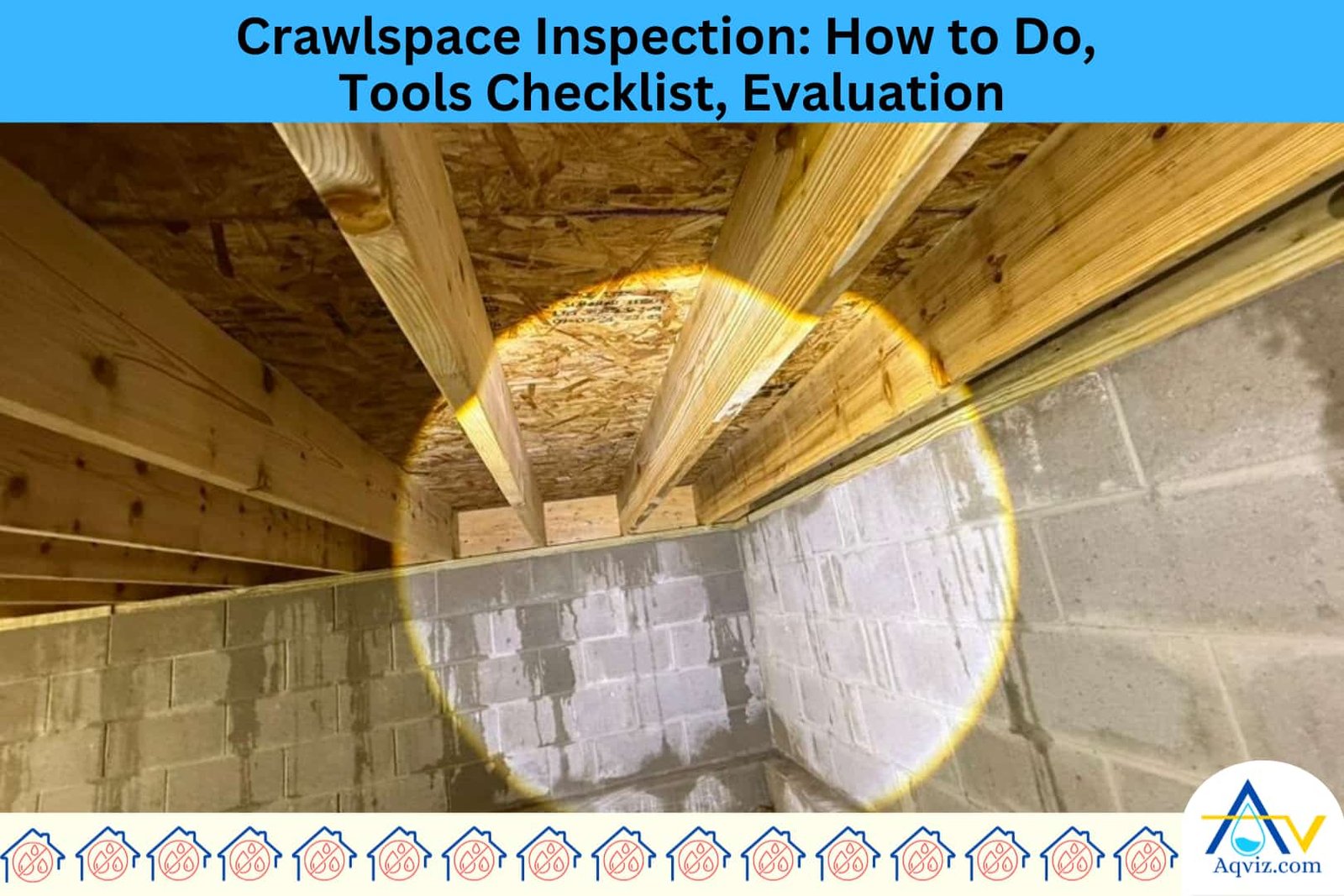
1. Check the entry and accessibility of the Crawl Space
- Inspect concrete or block walls for cracks, damp spots, or bowing
- Check for moisture or leaks at cold joints or pipe entry points
- Look for efflorescence (white powdery mineral deposits)
- Check the footing area for pooling or seepage after rainfall
- Note structural shifting or settling signs (gaps, uneven walls)
Download the crawlspace inspection checklist
As waterproofing experts, Aqviz experts have prepared a complete crawlspace inspection checklist for the crawlspace. It includes all the above checking items.
A crawl space inspection checklist consists of examining items, check boxes, and a note space in the list. Aqviz crawl space inspection checklist is more user-friendly and easy re-evaluate for troubleshooting.
2. Check the ground surface and moisture conditions in the crawl space
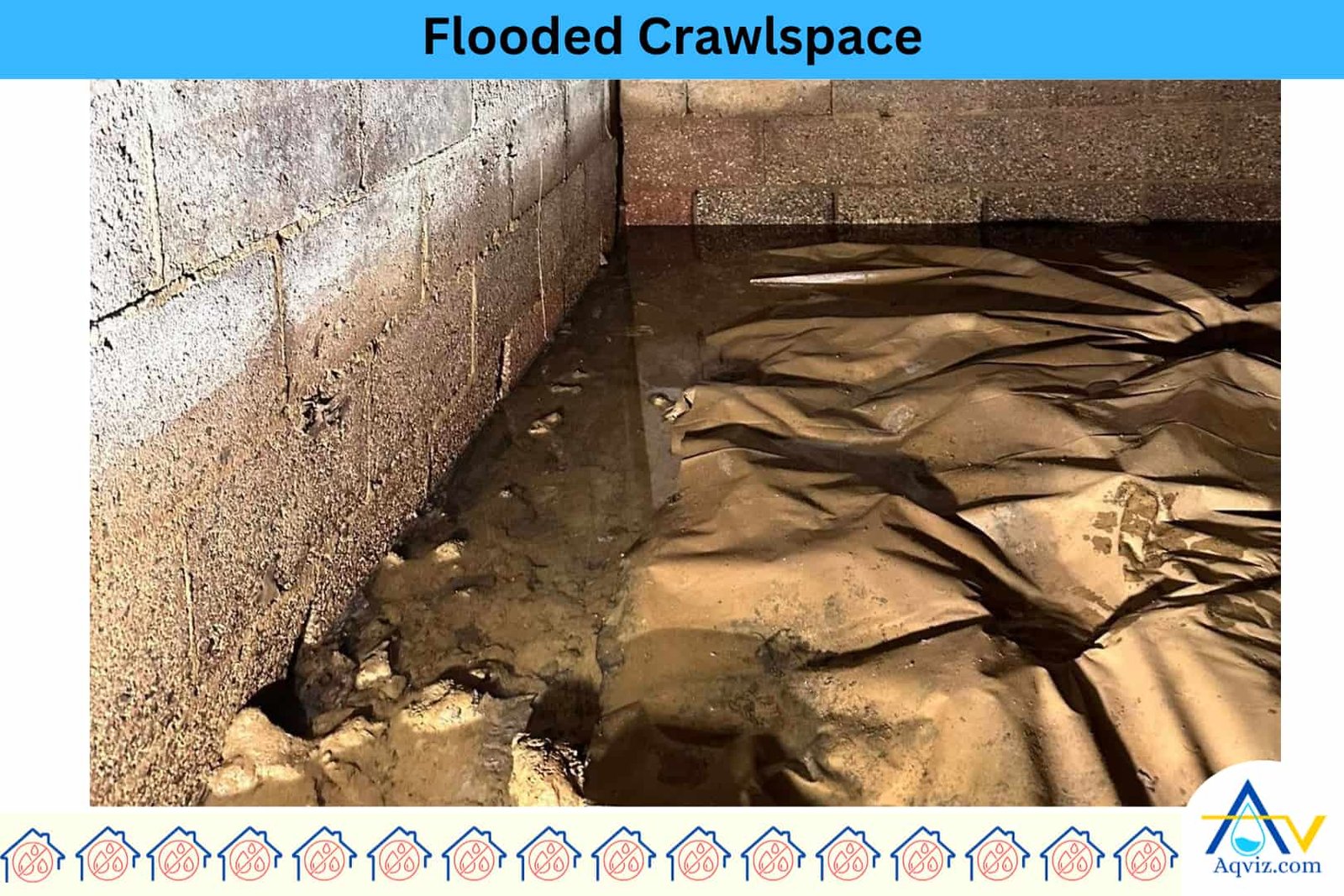
- Check for standing water, wet soil, or mud under the vapor barrier
- Inspect the vapor barrier (if present) for tears, gaps, or improper coverage
- Look for efflorescence or water trails along the perimeter
- Use a moisture meter to test the ground saturation level
- Check for signs of mold or mildew growth on ground surfaces
3. Check the foundation walls and footings in crawl space
- Inspect concrete or block walls for cracks, damp spots, or bowing
- Check for moisture or leaks at cold joints or pipe entry points
- Look for efflorescence (white powdery mineral deposits)
- Check the footing area for pooling or seepage after rainfall
- Note structural shifting or settling signs (gaps, uneven walls)
4. Check the floor framing system (joists, beams, subfloor) in crawl space
- Inspect wood framing for signs of rot, mold, or fungal growth
- Check for sagging or warped joists or girders
- Look for rusted nails, brackets, or fasteners
- Inspect the underside of the subfloor for water stains or wet insulation
- Check for termite damage or frass near wood-to-soil contact areas
5. Check the ventilation and airflow in the crawl space
- Confirm all crawl space vents are clear and open (unless sealed by design)
- Check that the vapor barrier does not block vents
- Inspect mechanical vents or exhaust fans for operation
- Note musty or stagnant air, which indicates poor ventilation
- Check the humidity level with a gauge, whether it is below 60%
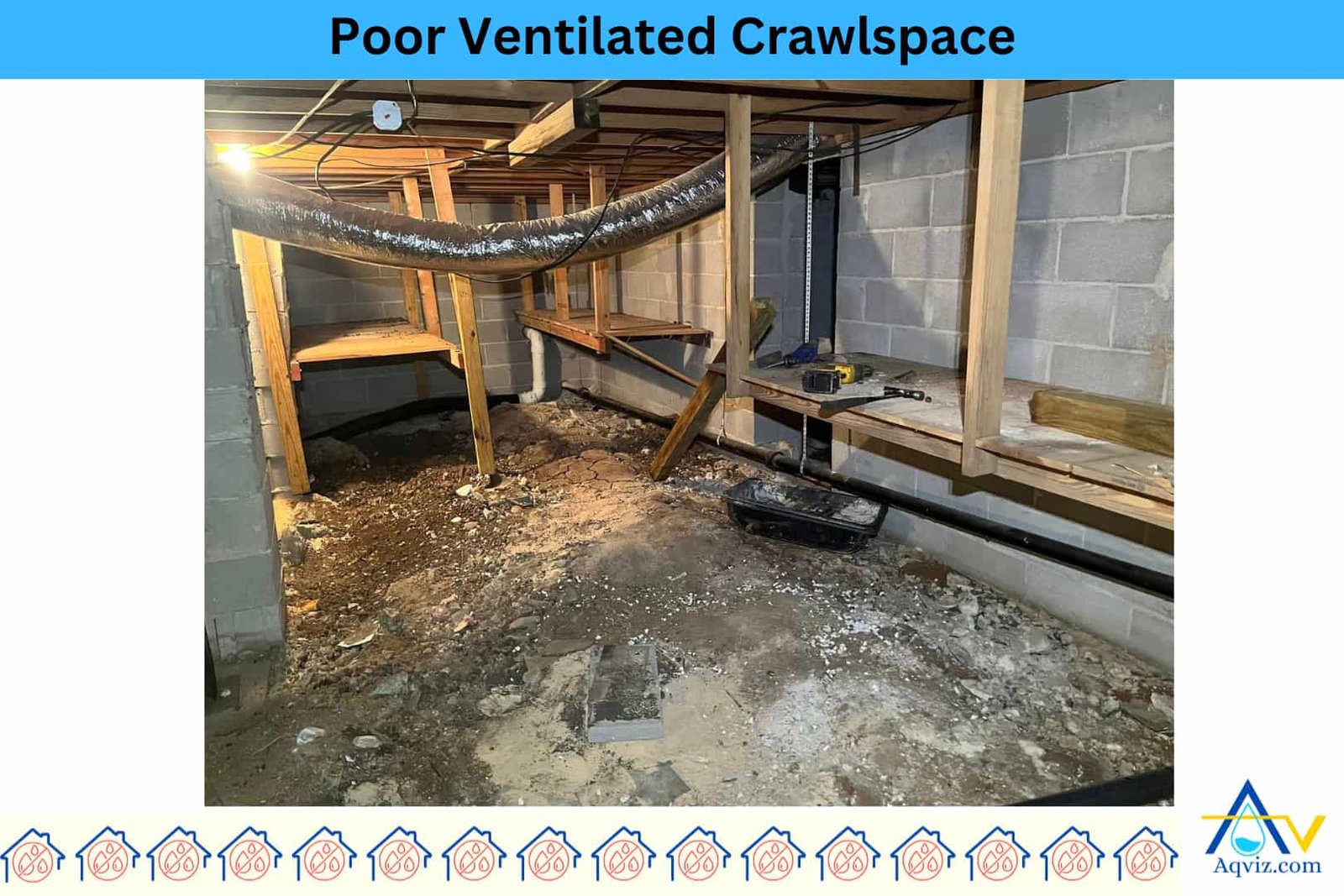
6. Check the plumbing and HVAC components in crawl space
- Inspect all visible plumbing lines for drips, corrosion, or sweating
- Check for leaks at joints, valves, or cleanouts
- Look for condensation on ductwork or HVAC components
- Ensure drain pipes slope correctly and don’t pool
- Inspect for signs of previous flooding or pipe bursts
7. Check the electrical and utilities in the crawl space
- Check for rodent droppings, nests, chewed insulation, or burrows
- Look for insect activity like ants, termites, or cockroach trails
- Inspect wood framing for mud tubes (termite indicator)
- Note any entry points or gaps that allow pest intrusion
8. Check for the pest infestation signs in the crawl space
- Check for rodent droppings, nests, chewed insulation, or burrows
- Look for insect activity like ants, termites, or cockroach trails
- Inspect wood framing for mud tubes (termite indicator)
- Note any entry points or gaps that allow pest intrusion
9. Check insulation and vapor control in crawl space
- Inspect fiberglass batts or foam board for sagging, wetness, or mold
- Ensure the vapor barrier covers 100% of the ground with 6-mil or thicker plastic
- Check if walls have rigid foam insulation and sealed seams
- Note areas where insulation is missing or improperly installed
- Inspect rim joists for spray foam coverage or air leaks
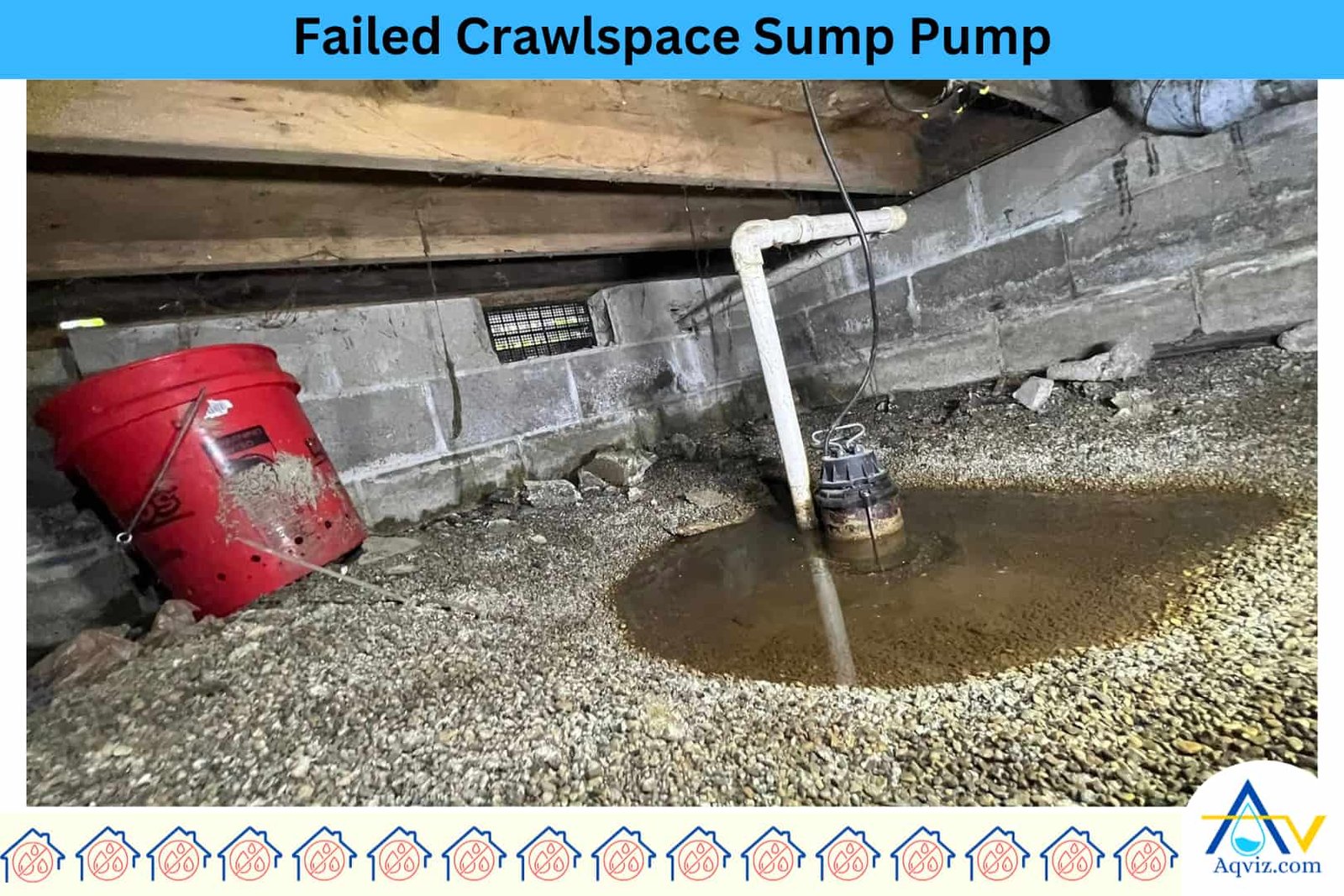
10. Check the sump pump and French drain system in crawl space
- Check for interior perimeter drains or French drain systems
- Inspect the sump pit for debris and confirm pump operation
- Test the float switch to activate the pump manually
- Ensure the discharge line runs outside and is not blocked
- Check if a backup power or alarm system is installed
12. Check odor, mold, and air quality issues in crawl space
- Note musty or earthy odors
- Check for visible mold on wood, insulation, or vapor barriers
- Use a moisture meter to detect hidden damp spots
- Measure relative humidity to assess condensation risk
13. Check for the past repairs and their impacts crawl space
- Inspect the wall or floor crack repairs for effectiveness
- Check crawl space encapsulation materials and seal conditions
- Note previous use of dehumidifiers or liners
- Document patching, sump installation, or foundation reinforcement work
- Look for improper materials used in DIY repairs (tar, duct tape, etc.)
What is Crawl Space Inspection?
Crawl space inspection is the process of examining the area beneath a building (typically between the ground and the first floor) to assess its condition and determine suitable solutions. Crawl space inspection evaluates the moisture condition, structural condition, insulation, pests, ventilation, and water damage.
Crawl space inspection helps to determine early crawl space problems, improve indoor air quality, protect structural integrity, increase energy efficiency, and increase home value and safety.
What Safety Features Are Needed for a Crawl Space Inspection?
Personal protective equipment for crawl space inspection
- Coveralls or work clothes
- Gloves
- Respirator or dust mask
- Safety glasses or goggles
- Knee pads
- Helmet or bump cap
Lighting and visibility equipment for crawl space inspection
- Headlamp or hands-free light
- Backup flashlight
Environmental safety tools for crawl space inspection
- Moisture meter
- Gas detector
- Temperature and humidity gauge
Pest and structural awareness for crawl space inspection
- Probe or stick
- First aid kit
- Mobile phone or Two-way radio
Read More About: 21 Essential Waterproofing Tools: Professional, Safety, and Basic
What Should You Do after a Crawl Space Inspection?
You should follow the steps below after the crawl space inspection
- Review the crawl space inspection report or findings
- Prioritize and plan crawl space repairs or maintenance
- Hire qualified crawl space professionals (if needed)
- Clean and organize the crawl space properly
- Schedule regular crawl space inspections
- Document everything after crawl space inspection
Read More About: Crawl Space Waterproofing: Everything You Should Know
Can I Inspect the Crawl Space DIY?
Yes, you can inspect a crawl space DIY if it’s safely accessible. Wear protective gear, use good lighting, and follow a checklist to look for moisture, pests, structural damage, and insulation issues. For serious problems, consult a professional.
