10 Types of Membrane Waterproofing: Properties, Applications, Pros, and Cons

Membrane waterproofing is the installation of a waterproofing system on the substrate to prevent water penetration, seepage, and moisture migration through structural elements. Membrane waterproofing is mainly of two categories: sheet waterproofing membranes and liquid waterproofing membranes. Below are the 10 types of membrane waterproofing you can use for building waterproofing.
These are the 10 types of membrane waterproofing.
- Cementitious waterproofing
- Epoxy waterproofing
- Bituminous waterproofing
- Acrylic waterproofing
- EPDM waterproofing
- HDPE waterproofing
- PVC waterproofing
- Polymer waterproofing
- Admixture waterproofing
- Hypalon waterproofing
Each of these waterproofing types has various properties. Hence, these membranes have specific pros and cons. As well as these are also used for specific building areas such as foundations, basements, bathrooms, etc. Liquid waterproofing can be applied on the surface by using a brush, roller, or spray. Torch membranes can be installed on the surface by using a gas torch, while self-adhesive membranes are stuck to the surface without heating it.
Below, we have included details about all the types of waterproofing membranes and their practical usage, pros and cons, applications, and maintenance from our experience.

1. Cementitious Waterproofing Membrane
The cementitious waterproofing is making a water-impervious layer by using cement and its refined versions on the concrete and masonry surface. Cementitious waterproofing consists of sand, silica, and chemical additives. When it is mixed with water, it forms a rigid, water-resistant barrier that blocks water penetration through concrete and masonry surfaces.
Cementitious waterproofing membranes are mainly of 5 types according to their usage.
- Polymer-modified cementitious waterproofing
- Acrylic cementitious waterproofing
- Crystalline cementitious waterproofing
- Slurry cementitious waterproofing
- Elastomeric cementitious waterproofing
Cementitious waterproofing membranes can be applied as a liquid coating. Hence, it can be applied on basements, foundations, swimming pools, bathrooms, slabs, and balconies. Due to the liquidity, uneven surfaces and vertical surfaces can be successfully use a brush. The durability of the cementitious waterproofing membrane is more than 10 years. But durability can vary with the environmental effects and structural stability.
Cementitious waterproofing membranes have higher breathability. Hence, it can bond with the concrete perfectly and remove the excess vapor in the structure without damaging the waterproofing layer. Cementitious waterproofing membranes are UV-resistant. Hence, it can be applied to the open concrete areas to prevent water from leaking.
So far, we have used Baumerk PUR 625 as a better UV-proof waterproofing coating for our waterproofing project with minimal complaints. The cementitious waterproofing membrane should be maintained properly without damaging the layer.
We have seen that these membranes are mostly damaged due to structural movement, careless drilling, and cutting tasks. You have to spend $5.25 per square foot to apply the cementitious waterproofing on the surface. We highly recommend you as experts, to use these popular cementitious waterproofing products such as Laticrete, Hydroban, Sika, Mampei, and Ardex because these products provide minimal maintenance and higher durability for the outdoors.

2. Epoxy Waterproofing Membrane
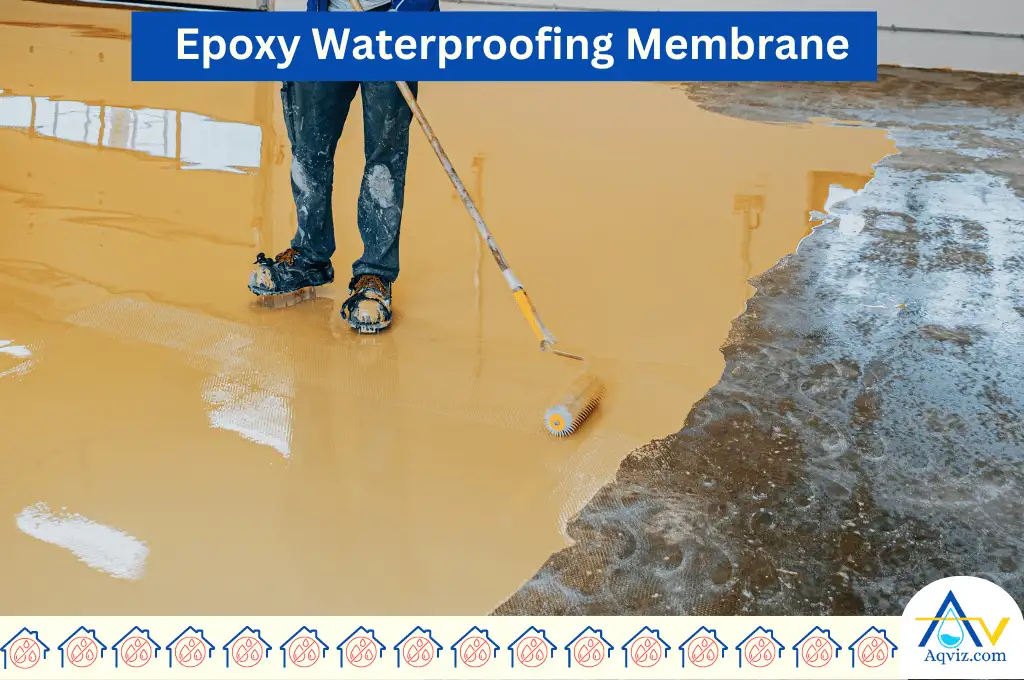
Epoxy waterproofing is a liquid membrane waterproofing that is used to waterproof and seal surfaces. Epoxy waterproofing membrane consists of two main components: epoxy resin and epoxy hardener.
Epoxy waterproofing membranes are mainly 5 types according to their usage
- Epoxy coating: Use for basements, garage floors,
- Epoxy sealants: Epoxy sealants are used for crack and joint sealants
- Epoxy grout: Epoxy grout is used for filling gaps between tiles and stone
- Epoxy putty: Epoxy putty is used for patching and repairing leaks and holes.
- Epoxy resin and hardener: Use as a coating and layer
- Epoxy waterproofing membranes: Use for larger flat roofs, balconies, and underground structures
Epoxy waterproofing membranes last about 30 – 35 years. Epoxy waterproofing membranes are used on commercial and industrial kitchens, shower areas, swimming pool decks, and floors on building surfaces. Due to the corrosive resistance, epoxy can be used to waterproof the metals, also.
The epoxy membrane is not breathable. Epoxy is a fully covered coating for the material. Epoxy is a hard and brittle material; hence, it can be damaged easily with external force. Epoxy waterproofing membranes are UV-resistant. Hence, it can be used for outdoor surfaces such as swimming pool decks, restaurants, etc. Epoxy resin and hardener should be mixed 1:1 before applying on the surface and kept in until dry, but if you wish to use it for immersing purposes, you should cure it for 7 days under 78 degrees.
The epoxy waterproofing membrane is not easy to maintain. Although it is fully and permanently waterproof membrane, it is difficult to maintain due to external forces, structure movements, vibrations, and temperature variations. Epoxy waterproofing cost will vary between $3 – $10. You can use Sikafloor – 7500, Sikagard – 62, Gorilla Epoxy, JB weld, ProChem and Devcon.
3. Bituminous Waterproofing Membrane
A bituminous waterproofing membrane is a waterproofing layer made from asphalt-based compounds modified with polymers to create a water-impervious barrier that prevents moisture penetration through concrete and masonry surfaces.
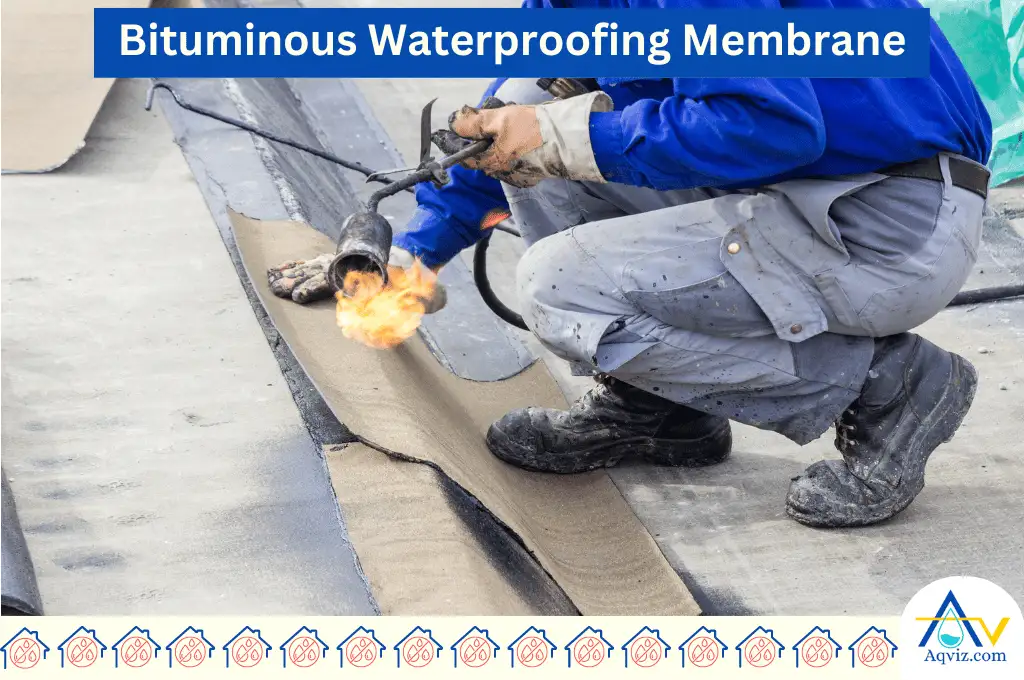
Bituminous waterproofing is available as both liquid and sheet membrane waterproofing. Sheet bituminous waterproofing membranes are mainly of two types: torch membranes and self-adhesive membranes.
The durability of bituminous waterproofing membrane is between 10 to 15 years. You can apply a liquid bituminous waterproofing membrane by using a brush, roller, or spray.
When you install a torch bituminous membrane, you have to use a gas torch to heat the membrane, but the self-adhesive membranes stick to the surface.
Bituminous waterproofing products include bituminous paint, coating, membrane, and bituminous sealant. These membranes are not breathable; hence it can’t pass the moisture. These membranes are flexible; therefore, they can withstand minor structural movements. Some bituminous waterproofing membranes are UV-resistant, but this can depend on the specific product.
Self-adhesive bituminous membranes are easy to install, considering other types of sheet membranes, but torch-membrane application requires professional expertise. These membranes are easy to maintain, usually only requiring regular inspections and minor repairs if damage occurs.
Bituminous waterproofing membrane can be damaged due to poor installation, physical damage from heavy objects, exposure to harsh weather conditions, or aging of the material. The cost of bituminous waterproofing membranes can range from $3 to $6 per square foot.
4. Acrylic Waterproofing Membrane
The acrylic waterproofing is a liquid membrane waterproofing. That is installed on the building surface to prevent water from leaking inside the structure. Acrylic waterproofing consists of 6 compounds: acrylic polymer, water, fillers, pigments, additives, and preservatives. Acrylic waterproofing membranes are mainly 3 types: liquid, sheet, and cementitious.
The durability of acrylic waterproofing membranes is more than 8 years. These membranes are breathable; hence, they allow vapor water to escape while retaining liquid water. Acrylic waterproofing is a flexible membrane; hence, it can be used for minor fluctuations in building stability. Most acrylic waterproofing membranes are UV-resistant; hence, these are suitable for outdoor use.
Liquid acrylic waterproofing membranes can be applied using a brush, roller, or sprayer. But sheet membranes need an experienced skill for the best result. These membranes are easy to maintain, usually requiring only regular cleaning to remove dirt and debris on the surface.
Sharp objects, chemicals, extreme temperatures, and improper installation can damage acrylic waterproofing membranes. The acrylic waterproofing on the surface will cost $1 to $5 per square foot.

5. EPDM Waterproofing Membrane
EPDM (Ethylene Propylene Diene Monomer) is a sheet membrane waterproofing that is made of synthetic rubber. EPDM waterproofing membranes are of two main types: non-reinforced EPDM membranes and reinforced EPDM membranes. These membranes are available in different thicknesses and widths.
The durability of EPDM waterproofing membranes is more than 50 years, with proper maintenance and care. EPDM waterproofing products are available as EPDM sheets, EPDM seam tape, EPDM primer, and EPDM adhesives. These membranes can be used as sheet waterproofing membranes in roofing, pond lines, foundations, decks, balconies, landscapes and gardens, tunnels, and bridges
EPDM membranes are breathable. Hence, they allow moisture to evaporate through the waterproofing layer. EPDM waterproofing membranes are flexible. Hence, they withstand minor building movements and temperature fluctuations without cracking or losing their waterproofing properties. These membranes are UV-resistant. Therefore, they can withstand prolonged exposure to sunlight without degrading.
EPDM waterproofing membranes are easy to install because they are available as large sheets in order to reduce the number of seams and make the installation process quicker and more efficient. After you install these membranes are easy to maintain, require minimal maintenance, and can be easily repaired if damaged.
EPDM waterproofing membranes can be damaged due to punctures, cuts, or improper installation; exposure to certain chemicals can also damage the membrane. The cost of the EPDM membrane is between $3 to $5 per square foot for materials and installation.

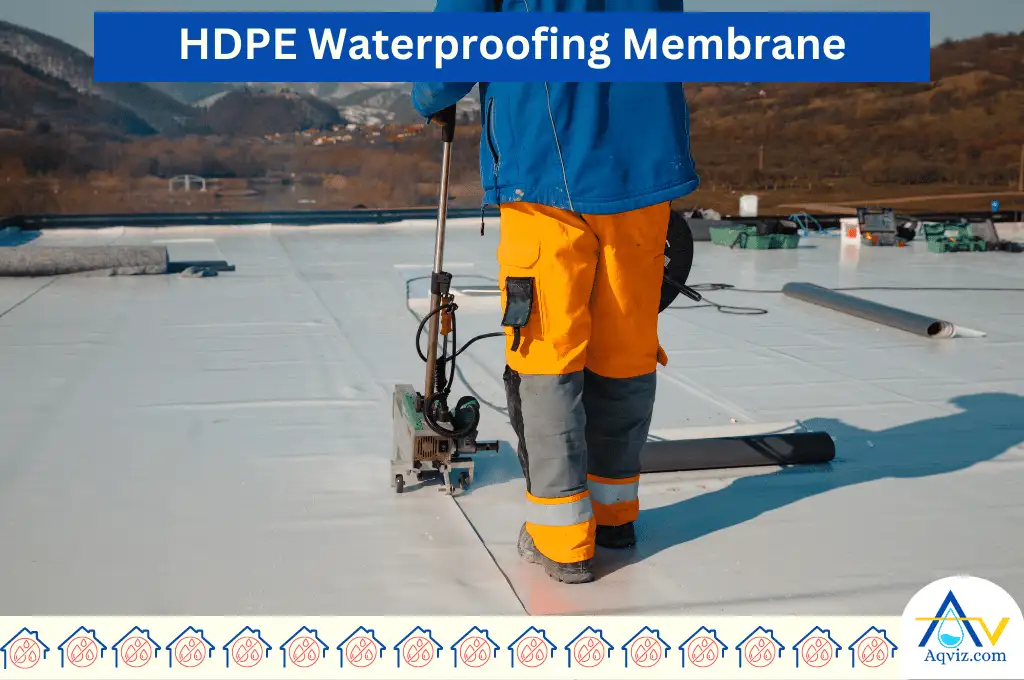
6. HDPE Waterproofing Membrane
HDPE waterproofing is a sheet membrane waterproofing that is made of High-Density Polyethylene, which is used to prevent water penetration into the building. HDPE waterproofing membranes are smooth and textured and consist of two main types: single-layered and double-layered
The durability of HDPE waterproofing membranes is more than 20 years if they are maintained properly. HDPE membranes are applied on the surface by heating or using an adhesive bond. These membranes are available as large sheets in the market. You can use HDPE waterproofing membranes for roofing, basements and foundations, tunnels and bridges, ponds and reservoirs, landfills and waste management, and swimming pools.
HDPE waterproofing membranes are not breathable; hence, they do not allow water vapor. But HDPE waterproofing membranes are flexible and UV-resistant; therefore, they can be installed on any outside surface. HDPE is easy to install, but it requires some expertise to ensure a watertight seal.
HDPE waterproofing membranes are easy to maintain. These membranes can occur through punctures or tears, often due to improper installation or physical stress. The cost of the HDPE waterproofing is typically ranges from $0.25 to $1.50 per square foot.
7. PVC Waterproofing Membrane
PVC waterproofing is a sheet membrane waterproofing. PVC waterproofing is a water-impermeable layer made of Polyvinyl Chloride. PVC waterproofing membranes are 3 types: homogeneous PVC, PVC with a reinforcement layer, and PVC with a fleece backing.
The durability of PVC waterproofing membranes is more than 20 years with proper installation and maintenance. You can use these membranes for roof waterproofing, decks, basements, tunnels, and swimming pools. These membranes are available in the market as PVC membranes, PVC waterstops, and PVC waterproofing tapes.
These membranes are not breathable. Hence installed PVC layer can be blistered due to the air bubbles. PVC waterproofing membranes are flexible and UV resistant, hence it can be used for uneven outdoor surface which is open to sunlight.
PVC waterproofing membranes are easy to install by using a heat gun for seaming and detail work. These membranes are easy to maintain and require fewer repairs. PVC waterproofing membranes can occur through punctures, cuts, or excessive wear and tear. The cost of PVC waterproofing can range from $5 to $10 per square foot, including materials and labor.

8. Polymer Waterproofing Membrane
Polymer waterproofing is a process of applying a polymer-based solution or membrane to a surface to prevent water penetration. 3 types of Polymer waterproofing membranes are liquid-applied membranes, sheet-based membranes, and cementitious waterproofing.
Polyurethane (PU) waterproofing is the most popular polymer waterproofing. Polyurethane is a liquid type of waterproofing, and it is mostly used for swimming pools, rooftops, and balcony waterproofing.
The durability of polymer waterproofing membranes is between 8 and 10 years. You can use polymer waterproofing membranes for roofs, balconies, terraces, basements, bathrooms, and other areas prone to water exposure.
These waterproofing membranes are breathable, flexible, and UV-resistant. Hence, these membranes can be used on uneven surfaces with minor movement fluctuations, such as temperature changes.
Polymer waterproofing membranes are easy to install and maintain. These waterproofing membranes can be damaged by sharp objects, heavy impact, or improper installation. Chemical exposure or extreme temperatures can also cause damage.

9. Admixture Waterproofing Membrane
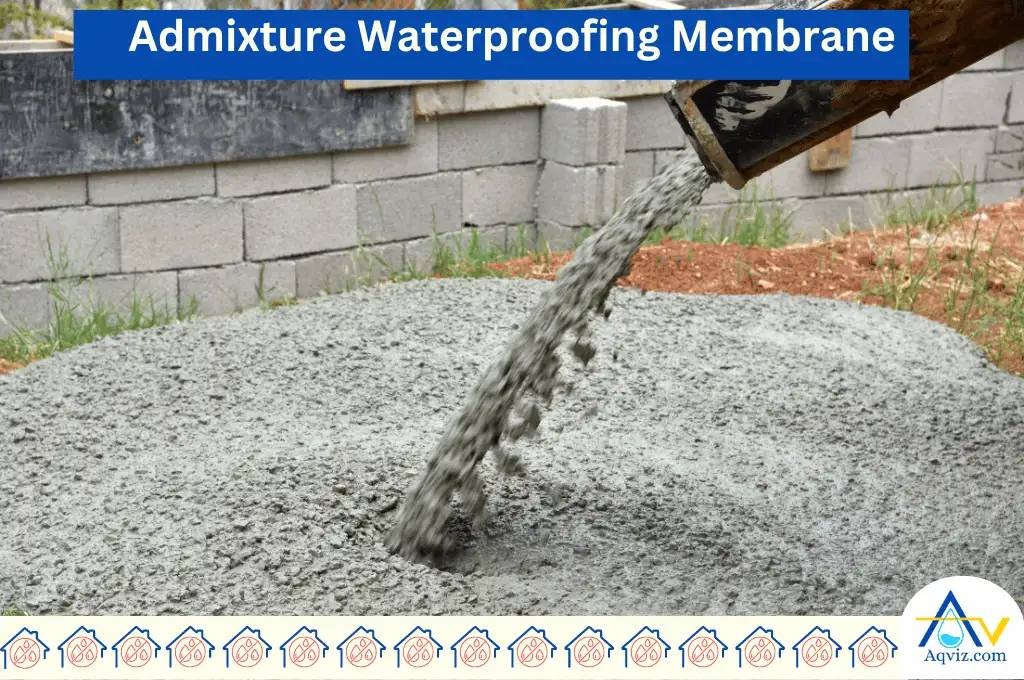
An admixture waterproofing is a liquid-type waterproofing membrane that involves the addition of a liquid or powder admixture into the concrete mix during the batching process. This admixture helps to reduce the permeability of the concrete and makes it effectively waterproof.
The durability of admixture waterproofing is 50 years which is similar to building service life. But durability can be varied with the temperature variation and crack formings. Admixture waterproofing is commonly used in structures such as basements, swimming pools, water tanks, and other concrete structures that need to be protected from water penetration. The admixture works by filling the pores and capillaries in the concrete. It prevents water from seeping through the concrete structure.
The benefits of an admixture waterproofing membrane include its durability and longevity, as it becomes an integral part of the concrete structure. It does not require additional waterproofing layers or coatings to be applied on the surface. Admixture waterproofing is less expensive than other types of waterproofing membranes.
10. Hypalon Waterproofing Membranes
Hypalon waterproofing membrane is a type of synthetic rubber membrane that is often used for waterproofing applications. Hypalon is the brand name for chlorosulfonated polyethylene (CSPE), a product manufactured by DuPont.
Hypalon waterproofing membranes have excellent resistance to weathering and UV light. Hence, this is suitable for use in outdoor applications. It also has good chemical resistance and can withstand exposure to a range of acids, alkalis, and solvents.
Hypalon waterproofing membranes are flexible, allowing them to accommodate movement in the structure without cracking or failing. They are also easy to install and can be adhered, mechanically fastened, or heat-welded to the substrate.
Despite these advantages, Hypalon is no longer being produced by DuPont, so availability can be a challenge. However, other manufacturers have developed similar products with comparable properties.

What is Membrane Waterproofing?
Membrane waterproofing is the installation of a waterproofing system on the substrate to prevent water penetration, seepage, and moisture migration through structural elements. Membrane waterproofing is mainly of two types: sheet membrane waterproofing and liquid membrane waterproofing.
What is a Liquid Membrane Waterproofing?
Liquid waterproofing membrane is a fluid applied coating made from a blend of polymers, resins, and additives that create a seamless, flexible, and highly durable waterproof barrier on the substrate once cured. It can be applied with a roller, brush, or sprayer.
Liquid waterproofing membranes are highly recommended on complex and vertical surfaces, hairline cracked surfaces, and for different thickness requirements. Polyurethane liquid membrane(PU), Acrylic liquid membrane, and bituminous liquid membrane are the most commonly used liquid waterproofing membranes for residential water leaks.
What is Sheet Membrane Waterproofing?
Sheet waterproofing membrane is a pre-formed waterproof barrier made from materials like modified bitumen, PVC, TPO, HDPE, or EPDM. Adhered, torched, and mechanically fastened are the three types of sheet waterproofing membrane by their installation method.
Sheet waterproofing membranes create a durable, watertight, uniform thickness layer on the surface with seams and joints. Sheet waterproofing membranes are highly recommended for large flat areas, consistent thickness requirements, and high-pressure water environments. Bituminous sheet membrane, PVC, TPO, HDPE, and EPDM rubber sheet membrane are the most commonly used sheet waterproofing membranes for residential and commercial waterproofing requirements.
What is Crack Injection Waterproofing?
Crack injection waterproofing is a technique where specialized resins such as polyurethane, epoxy, or acrylic are injected directly into cracks or voids in concrete structures to seal leaks, restore structural integrity, and prevent further water ingress. Crack injection is mainly of two types: epoxy crack injection and polyurethane crack injection. Crack injection helps to seal the cracks in the concrete to prevent water infiltration and seepage. Crack injection is commonly used in foundation waterproofing, basement waterproofing, and bathroom waterproofing.
How Can a Waterproofing Membrane Get Damaged?
A waterproof membrane can be damaged due to these 9 ways.
- Careless Construction activities on the waterproofing membrane
- Improper substrate preparation for waterproof installation
- Wrong waterproofing installation and poor skill
- Waterproofing membranes are open to harsh chemicals
- Waterproofing membranes is open to UV radiation
- Inadequate drainage in the waterproofed area
- Ponding water on the waterproof layer
- Roots and vegetation growth through the waterproof layer
- Poor waterproofing maintenance
We observed last 5 years that a waterproofing membrane is damaged due to careless activities such as drilling, and cutting the surface. To prevent this, homeowners should have professional knowledge about the tasks.
When Should I Call a Waterproofing Contractor?
You should call a waterproofing contractor if you notice these water damages, including paint peeling, blistering, wood rotting and warping, efflorescence, stain marks, metal corrosion, musty odor, mold and mildew growth impacts, cracking damages, concrete spalling, blistering, floor buckling, drywall crumbling, and brick deterioration in the building. The waterproofing expert will check the damage and investigate the water problems. Then, he will reveal possible solutions and suggest the next steps you should take.
How to Protect a Waterproofing Membrane?
We highly recommend you protect waterproofing membranes by following these essential 6 steps.
- Install the membranes properly
- Prevent water exposure during curing
- Seal the joints and penetrations
- Protect from UV rays
- Protect from external damage
- Do regular inspections and maintenance