
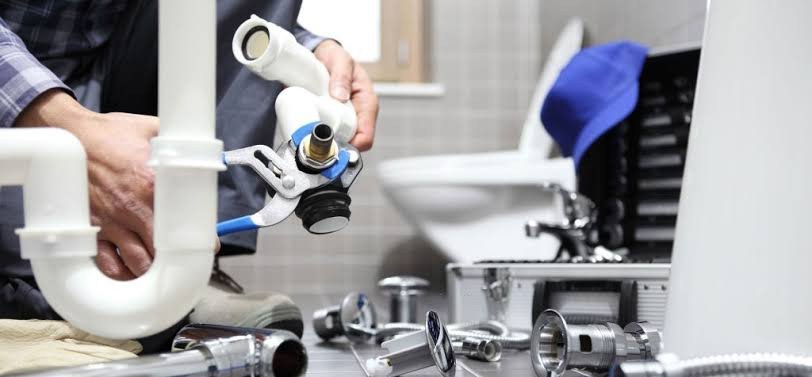

Most homeowners notice plumbing only when it fails. Yet pipes, valves, and heaters shape how a home feels every day. Water temperature, pressure, noise, and taste all come from the system behind your walls. A few targeted upgrades can improve all four.
Start With Water Pressure
Pressure is the base of a good shower. Residential systems should run between 40 and 60 psi. Above 80 psi, fixtures and appliances wear out faster. Below 40 psi, you get a weak spray.
A licensed Plumber San Diego can test static pressure with a gauge on a hose bib. If the reading is high, a pressure reducing valve (PRV) brings it down. Most PRVs sit near the main shutoff. Replacement often takes only a few hours.
Low pressure has other causes. Check for these:
- Corroded galvanized supply lines
- A partly closed main valve
- Clogged aerators or shower cartridges
- Undersized pipe on long runs
Upgrade How You Heat Water
Waiting for hot water is a daily annoyance. Long pipe runs waste both time and water. A recirculation pump fixes this. It keeps hot water moving through a loop or a dedicated return line. Many models run on a timer or a temperature sensor, which limits energy use.
Tankless heaters are another option. They heat water on demand. You get steady temperature and no standby loss. Sizing matters, though. Check the flow rate in gallons per minute and the temperature rise you need. An undersized unit gives lukewarm water when two fixtures run at once.
Set tank thermostats to 120°F. This prevents scalding and saves energy. Flush a tank heater once a year to remove sediment. Sediment causes popping sounds and slow recovery.
Quiet the Pipes
Banging pipes disturb sleep. They also signal stress in the system. Water hammer happens when a valve closes fast. The moving water stops hard and sends a shock wave through the line. Over time, joints and fittings can fail.
The fixes are direct:
- Install water hammer arrestors at the washer and dishwasher
- Add pipe straps or cushioned hangers on loose runs
- Lower system pressure with a PRV
- Replace worn washing machine valves
Insulating sleeves on hot lines also reduce the ticking sound when copper expands.
Replace Aging Supply Lines
Old pipe harms comfort quietly. Galvanized steel corrodes from the inside. The bore narrows and flow drops. Rust can tint the water. Polybutylene, common in homes from the 1970s to the mid 1990s, is prone to failure.
Repiping with PEX or copper restores flow and removes that risk. PEX is flexible and needs fewer fittings. Copper lasts for decades and holds up well in many water conditions.
Improve Water Quality
Hard water leaves scale on fixtures. It dries skin and shortens water heater life. A whole-house softener uses ion exchange to remove calcium and magnesium. Test hardness first. Measure it in grains per gallon so the unit is sized correctly.
Taste and odor are separate problems. A carbon filter handles chlorine. A point-of-use reverse osmosis system at the kitchen sink reduces dissolved solids in drinking water. Change cartridges on schedule. Skipped changes defeat the purpose.
Choose Efficient Fixtures That Still Perform
Low flow no longer means weak flow. The EPA WaterSense label requires showerheads to use 2.0 gallons per minute or less. They must also pass tests for spray force, spray coverage, and pressure compensation. The EPA states that the average family could save about 2,700 gallons a year with labeled showerheads. You can read the full criteria on the EPA WaterSense showerheads page.
Swapping a showerhead takes minutes. Wrap the threads with plumber’s tape. Check the washer or O-ring while the old unit is off.
Toilets deserve attention too. A WaterSense toilet uses 1.28 gallons per flush or less. Look for a high MaP score, which rates how much waste a toilet clears in one flush. Faucet aerators rated at 1.5 gpm also cut use without hurting the feel of the stream.
Add Shutoff Valves and Leak Detection
Comfort includes peace of mind. Install an isolation valve at every fixture. A repair then stops one tap, not the whole house.
Consider a smart shutoff valve with flow monitoring. It closes the main line when it detects abnormal flow. Small leak sensors under sinks and near the water heater give early alerts. Early alerts prevent most water damage claims.
Plan Upgrades in the Right Order
Start with a pressure test and a full inspection. Fix the supply side first. Then handle heating, noise control, and water treatment. Add new fixtures last. This order avoids paying twice. New fixtures on poor pressure will underperform.
Pull permits where required. Water heater swaps and repipes usually need them. Use licensed pros for gas lines and main supply work.
Good plumbing goes unnoticed. When pressure, temperature, and water quality are right, you stop thinking about them. That is the real measure of comfort.
