
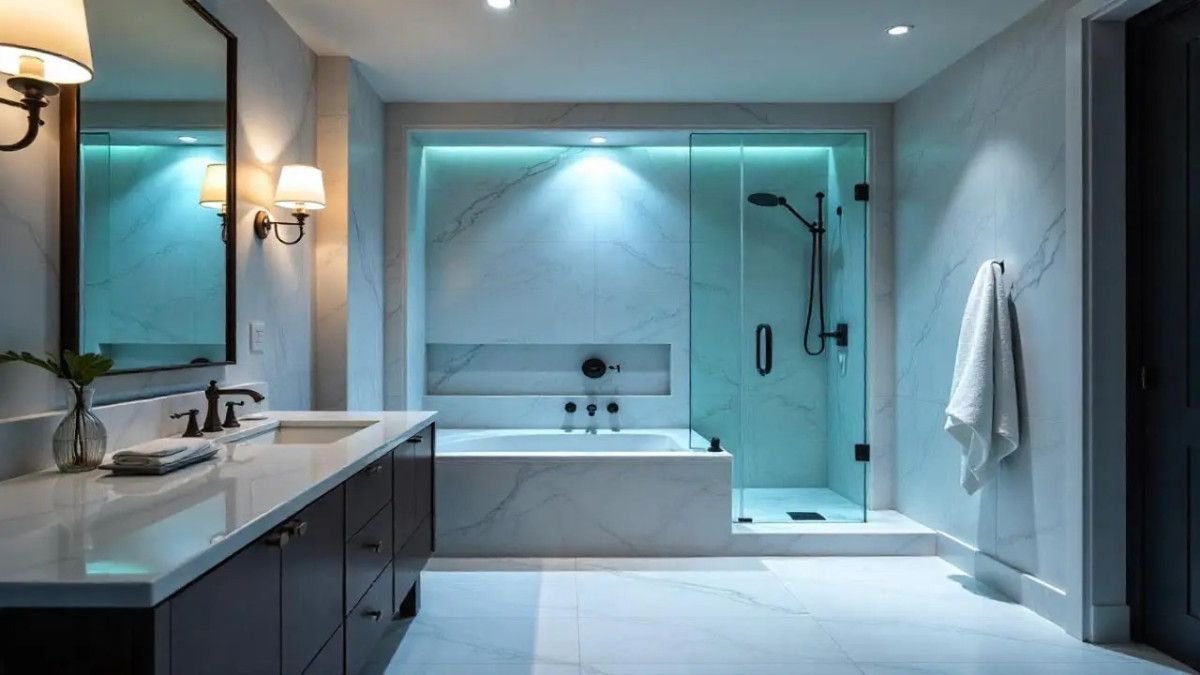

A small bathroom remodel, defined as a 5-foot by 8-foot hall bath or a similarly sized space, takes 3 to 6 weeks for a full gut renovation done by a general contractor, highlights Vineyard Property Management experts. A cosmetic refresh that replaces the vanity, toilet, mirror, lighting, and paint without moving plumbing or opening walls takes 1 to 2 weeks. A DIY full gut remodel done on weekends and evenings by a homeowner takes 2 to 4 months.
The timeline is driven by the work that must happen in sequence. You cannot tile until the backer board is up. You cannot install the backer board until the plumbing rough-in is inspected. You cannot schedule the inspection until the rough-in is complete. The critical path runs through the plumbing, the inspection, and the tile. Here is what happens each week and what slows it down.
Timeline by Remodel Scope
| Scope | Contractor | DIY | What It Includes |
| Cosmetic refresh | 1–2 weeks | 2–4 weekends | Paint, vanity, toilet, mirror, light fixture, faucet |
| Full gut, no layout changes | 3–4 weeks | 2–3 months | Demo, new tub/shower, tile, floor, vanity, toilet, paint |
| Full gut, moving plumbing | 4–6 weeks | 3–4 months | Above plus moving toilet, sink, or shower drain locations |
Week-by-Week for a Full Gut Remodel by a Contractor
Week 1: Demolition and rough-in. The old bathroom is stripped to the studs and subfloor. The plumbing rough-in is completed: new shower valve, new tub or shower pan, any drain relocations. The electrical rough-in is completed: new wiring for lighting, the exhaust fan, and receptacles. The rough plumbing and electrical inspections are scheduled. The inspections are the gate that must be passed before the walls are closed. A failed inspection adds days to a week. Demolition and rough-in are the fastest part of the project and set the pace for everything that follows.
Week 2: Drywall, backer board, and waterproofing. The walls and ceiling are drywalled. The shower walls receive cement backer board and waterproofing. The drywall is taped and mudded. The first coat of mud dries overnight. The second and third coats each take a day with drying time in between. The waterproofing membrane on the shower walls requires 24 hours to cure before tile can be installed. This week has the most curing and drying time baked into it. The work itself takes 2 to 3 days. The drying time fills the rest of the week.
Week 3: Tile, floor, and paint. The shower wall tile is installed over 2 to 3 days. The thinset cures for 24 hours. The grout is applied and cures. The floor tile or vinyl flooring is installed. The walls and ceiling are primed and painted. The tile and paint can proceed in parallel because they are in different parts of the room. The shower tile must be complete before the shower door can be measured, which is a separate appointment.
Week 4: Fixtures, trim, and finish. The vanity and countertop are installed. The toilet is set. The mirror, lighting, towel bars, and accessories are mounted. The shower door is installed. The plumbing fixtures are connected and tested. The exhaust fan is installed and vented. The room is cleaned. The final inspection is scheduled if permits were pulled. The project is complete.
This 4-week timeline assumes a general contractor with a crew of 2 to 3 people working full days, all materials on site before the start date, and no inspection failures or change orders. In practice, 4 to 6 weeks is a more realistic range. The extra 1 to 2 weeks are absorbed by material delays, inspection scheduling, and the inevitable discovery of a problem inside the wall that was not visible before demolition.
Why DIY Takes So Much Longer
A contractor works on the bathroom every day, 8 hours a day, with a crew. A homeowner works on the bathroom on weekends and maybe one or two evenings a week, alone. The same number of labor hours spread over 15 to 20 working days for a contractor is spread over 20 to 30 partial days for a homeowner. The work is the same. The calendar is different.
DIY also has learning time baked in. A contractor has tiled 100 showers. A homeowner has watched 10 YouTube videos. The first row of tile takes an hour. The second row takes 30 minutes. By the tenth row, a row takes 15 minutes. The learning curve costs time on every task the first time it is performed. The second bathroom remodel is twice as fast as the first. Most people only remodel one bathroom.
DIY scheduling is constrained by material runs. A contractor arrives with a truck full of materials. A homeowner runs out of thinset on Sunday at 3 p.m. and the hardware store closes at 5 p.m. The project stops until the next available time to go to the store. A single missing tube of caulk can delay the project by a full day or an entire weekend.
The Critical Path: What Cannot Be Done in Parallel
Several steps in a bathroom remodel must happen in strict sequence. No amount of extra labor speeds them up. Plumbing and electrical rough-in must be complete before the inspection. The inspection must pass before the walls are closed. The backer board and waterproofing must be complete before the tile starts. The thinset must cure before grouting. The grout must cure before sealing. The shower door must be measured after the tile is complete. The door is then ordered and takes 1 to 3 weeks to arrive. The door is installed last. These dependencies create a chain that determines the minimum possible timeline. The fastest a full gut bathroom remodel can be completed by a crew working efficiently is approximately 3 weeks. The realistic minimum is 4 weeks.
What Causes Delays
Inspection scheduling and failures are the most common delay outside the contractor’s control. The inspector may be booked a week out. A failed inspection for a missed nail plate or an improperly supported valve requires correction and a reinspection, adding a week. Moving plumbing drains is the largest time adder within the remodel itself. A toilet drain that needs to move 6 inches requires opening the floor, cutting joists in some cases, running new drain pipe with proper slope, and connecting to the existing vent stack. Moving a drain adds 2 to 5 days to a contractor-led project.
Custom or special-order materials with long lead times delay the finish stage. A custom vanity or a special-order tile that was supposed to arrive in week 2 but arrives in week 5 delays the entire finish sequence. The vanity must be installed before the countertop can be templated. The countertop must be installed before the sink and faucet can be connected. Order all materials before demolition begins. Store them in the garage. The project should never wait on a material that could have been ordered earlier.
Discovery of water damage, mold, or structural problems during demolition is the most expensive delay. The contractor opens a wall and finds rotted studs, a leaking pipe that has been dripping for years, or mold behind the old shower. The repair work must be completed before the remodel can proceed. This is the reason for the contingency line in a remodel budget, typically 10 to 20 percent of the total cost. The wall is open. The problem is visible. Fixing it now is far cheaper than closing the wall and pretending it does not exist.
Frequently Asked Questions
Can I live in the house during a bathroom remodel?
Yes, for a single bathroom remodel, as long as there is a second bathroom in the house. The water to the house remains on except during the plumbing rough-in, when it may be off for a few hours. The bathroom being remodeled is a construction site. It is dusty, noisy during the day, and unusable. If the house has only one bathroom, the remodel must be planned around access to another bathroom. A one-bathroom house remodel is a different project with different logistics.
What is the absolute fastest way to remodel a bathroom?
A cosmetic refresh that replaces the vanity, toilet, mirror, light fixture, and paint without touching the tile, the flooring, or the plumbing. This can be completed in 3 to 5 days by a handyman or 2 weekends by a homeowner. The bones of the bathroom stay the same. The surfaces change. The speed comes from not opening walls, not moving plumbing, and not installing tile. A full gut remodel cannot be accelerated past the curing and drying times of drywall mud, thinset, and grout regardless of how many people are working.
Does replacing the tub with a shower speed up or slow down the remodel?
Neutral to slightly faster. Replacing a tub with a shower pan eliminates the tub installation and tiling the tub apron. The shower pan is set in mortar on day one and is ready for tile the next day. A tub installation requires setting the tub, connecting the drain from above if access is limited, and tiling the front apron. The difference is minor. The tile work on the shower walls is the same square footage as a tub surround.