
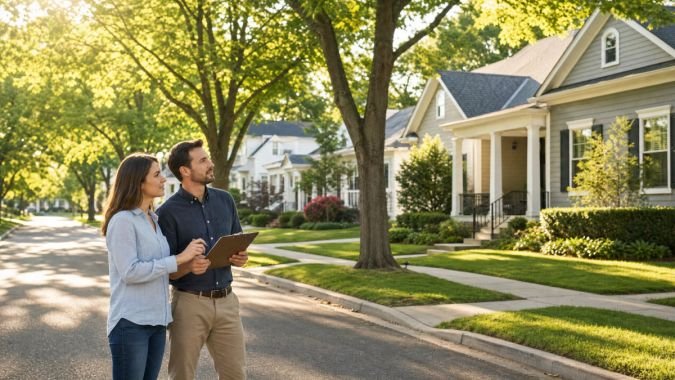

Start with Safety Data — Not Just a Gut Feeling
To evaluate neighborhood safety, review local police department crime reports and the FBI Crime Data Explorer rather than relying on visual impressions. Objective statistics reveal patterns in property and violent crimes, providing a factual baseline for your security assessment.
Visual inspections during a Sunday afternoon open house rarely tell the whole story. Safety is a multifaceted metric that requires both digital research and physical observation. Begin by consulting municipal crime mapping tools, which often provide block-by-block breakdowns of recent incidents. Pay attention to the types of crimes reported; a high incidence of property crimes like vehicle break-ins might indicate different underlying issues than violent offenses.
Physical infrastructure also plays a significant role in community security. During your visits, evaluate the quality of street lighting, the condition of sidewalks, and the presence of neighborhood watch signage. Well-maintained public spaces often correlate with active, engaged communities that deter criminal activity. Furthermore, it is essential to visit the area at various times of the day and week. A street that feels tranquil on a weekday morning might experience disruptive noise or traffic on a Saturday night.
Evaluate Schools Even If You Don’t Have Children
School district quality directly impacts property values and resale demand, making it a crucial factor for all buyers. Utilize platforms like GreatSchools.org to review test scores, graduation rates, and parent feedback to gauge educational standards.
The correlation between high-performing schools and robust real estate markets is well-documented. Homes located within top-tier school boundaries typically command premium prices and retain their value more effectively during economic downturns. Even if you do not plan to utilize the public education system, future buyers likely will, making this a vital component of your investment strategy.
When assessing educational institutions, look beyond aggregate ratings. Investigate student-to-teacher ratios, the availability of advanced placement courses, and the breadth of extracurricular programs. High community involvement, often evidenced by active Parent-Teacher Associations, frequently indicates a neighborhood where residents are invested in local outcomes. Additionally, consider the proximity of the property to the school; while being within walking distance is advantageous for families, being situated directly adjacent to a campus might introduce traffic congestion during drop-off and pick-up hours.
Analyze Property Value Trends and Market Health
Assess market health by analyzing 12 to 24 months of comparable sales data, days on market, and price-per-square-foot trajectories. Consistent appreciation and low vacancy rates indicate a stable, desirable neighborhood with strong long-term investment potential.
Understanding the financial trajectory of a neighborhood requires examining historical data rather than current asking prices. Collaborate with a real estate professional to pull comprehensive market reports. A neighborhood where homes sell quickly and close to their listing price demonstrates strong buyer demand. Conversely, an area characterized by extended days on market or frequent price reductions may signal underlying issues or waning desirability.
It is equally important to identify potential red flags within the local market. High concentrations of foreclosures, short sales, or visibly vacant properties can depress surrounding home values and attract neglect. Furthermore, investigate the ratio of owner-occupied homes to rental properties. Neighborhoods with a high percentage of owner-occupants generally exhibit better exterior maintenance and stronger community cohesion, as residents have a vested financial interest in the area’s upkeep.
Check Amenities, Walkability, and Daily Convenience
Evaluate daily convenience by mapping the distance to grocery stores, healthcare facilities, and recreational spaces. High walkability scores and accessible public transit not only improve quality of life but also contribute to sustained property value appreciation.
The concept of a neighborhood where essential services are accessible within a short walk or bike ride is increasingly driving real estate demand. Assess the proximity of supermarkets, pharmacies, and fitness centers to your potential new home. Neighborhoods that offer a blend of residential tranquility and commercial convenience provide a superior living experience. Additionally, evaluate the quality and accessibility of public parks and green spaces, which serve as vital community gathering points and enhance the area’s aesthetic appeal.
When evaluating amenities, it is also necessary to consider potential nuisances. Proximity to commercial zones is beneficial, but being too close to industrial areas, major highways, or active rail lines can introduce disruptive noise and air pollution. Furthermore, if the community is governed by a Homeowners Association, scrutinize their rules and financial health. While an HOA can maintain neighborhood standards and manage shared amenities like pools or clubhouses, restrictive covenants and high monthly fees can significantly impact your lifestyle and budget.
Assess Environmental and Infrastructure Risks
Identify environmental hazards by consulting FEMA flood maps and local wildfire risk assessments before purchasing. Understanding these risks is essential for anticipating future insurance costs and ensuring the long-term physical safety of your property.
Environmental resilience is a critical component of neighborhood quality that is frequently overlooked until disaster strikes. Investigate whether the property is located within a designated flood zone, which may require expensive, mandatory flood insurance. Similarly, in regions prone to wildfires or seismic activity, evaluate the community’s emergency preparedness and evacuation routes. Properties situated in high-risk areas may face escalating insurance premiums or diminished resale value as climate patterns shift.
Beyond natural hazards, assess the quality of the neighborhood’s infrastructure. Inquire about the age and condition of municipal water and sewer lines, as well as the reliability of the local power grid. The availability of high-speed broadband internet has also transitioned from a luxury to a necessity, particularly for remote workers. Finally, research municipal zoning plans and future development projects. A proposed commercial development or highway expansion nearby could drastically alter the neighborhood’s character and traffic patterns in the coming years.
Use Digital Tools to Build an Objective Picture
Leverage digital platforms like AreaVibes, Niche, and Walk Score to gather comprehensive demographic and livability data. These tools aggregate statistics on crime, education, and amenities, providing a quantitative foundation for your neighborhood assessment.
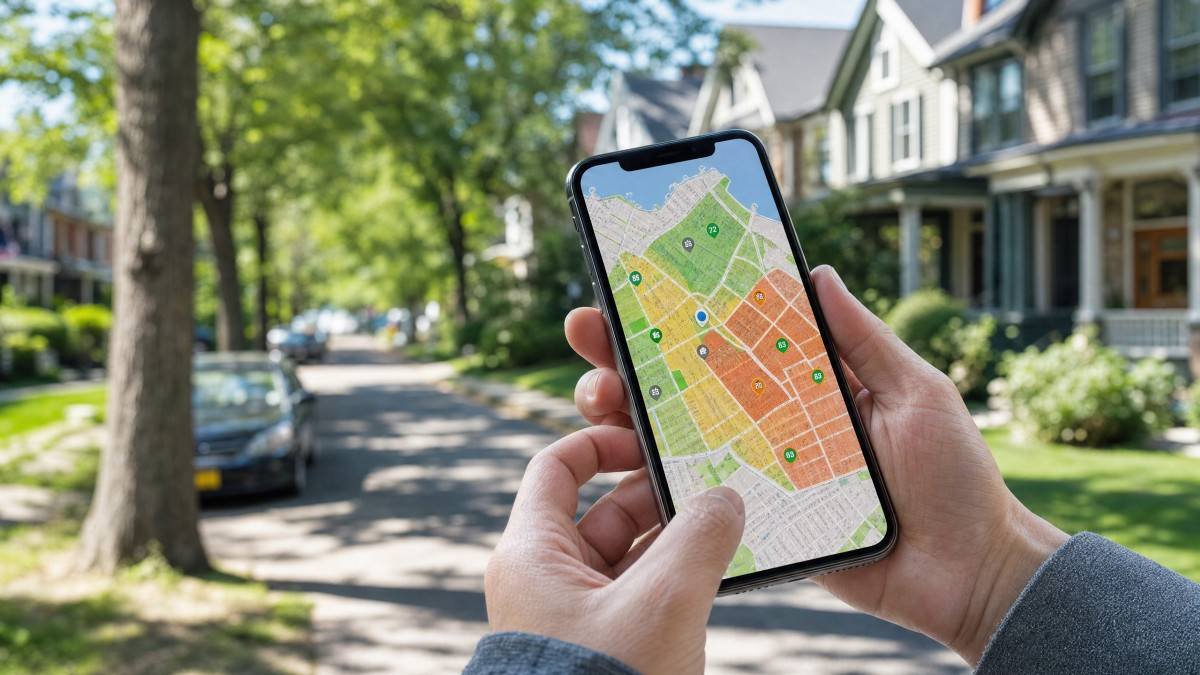
In the modern real estate landscape, a wealth of data is available at your fingertips. Platforms such as AreaVibes assign livability scores based on various metrics, allowing for easy comparison between different communities. Niche provides detailed report cards that include resident reviews, offering a blend of statistical data and subjective experiences. Utilizing these resources helps construct a holistic view of the neighborhood before you even schedule a physical visit.
Social media and community forums can also offer valuable insights, though they require careful interpretation. Local Facebook groups or Reddit threads often highlight hyper-local issues, from frequent power outages to community events. However, it is important to recognize that online forums can sometimes amplify negative voices. Balance these anecdotal reports with objective data and your own physical observations. Additionally, tools like Google Street View’s historical imagery feature can reveal how a street has evolved over the past decade, indicating whether the area is experiencing revitalization or decline.
Frequently Asked Questions
What is the most important factor when assessing neighborhood quality?
While priorities vary by buyer, safety and school district quality are universally considered the most critical factors. These elements not only dictate daily livability but also have the most significant impact on long-term property value and resale demand.
How do I check crime rates in a neighborhood before buying?
The most reliable method is to consult the local police department’s crime mapping tools or request a localized report. Additionally, the FBI Crime Data Explorer provides broader statistical context, while platforms like AreaVibes aggregate safety data for easy review.
Do school ratings affect property values?
Yes, school ratings have a profound effect on property values. Homes located within highly rated school districts consistently command higher prices, experience faster sales, and retain their value better during market fluctuations compared to homes in lower-rated districts.
What are red flags to watch for in a neighborhood?
Key red flags include a high concentration of vacant or boarded-up properties, poorly maintained public infrastructure, an abundance of properties sitting on the market for extended periods, and proximity to disruptive elements like heavy industrial zones or major flight paths.
How many times should I visit a neighborhood before making an offer?
You should visit the neighborhood at least three times: during a weekday morning to observe the commute, on a weekend afternoon to gauge community activity, and late at night to assess noise levels and street lighting effectiveness.
Conclusion
Assessing neighborhood quality requires diligence, research, and a willingness to look beyond the property line. By systematically evaluating safety data, school performance, market trends, and environmental risks, you transform an emotional purchase into a sound, strategic investment. Remember that you are not just buying a structure; you are investing in a community and a lifestyle. Utilize the digital tools available, conduct thorough physical inspections at various times, and consult with local experts to ensure your chosen neighborhood will meet your needs for years to come.