
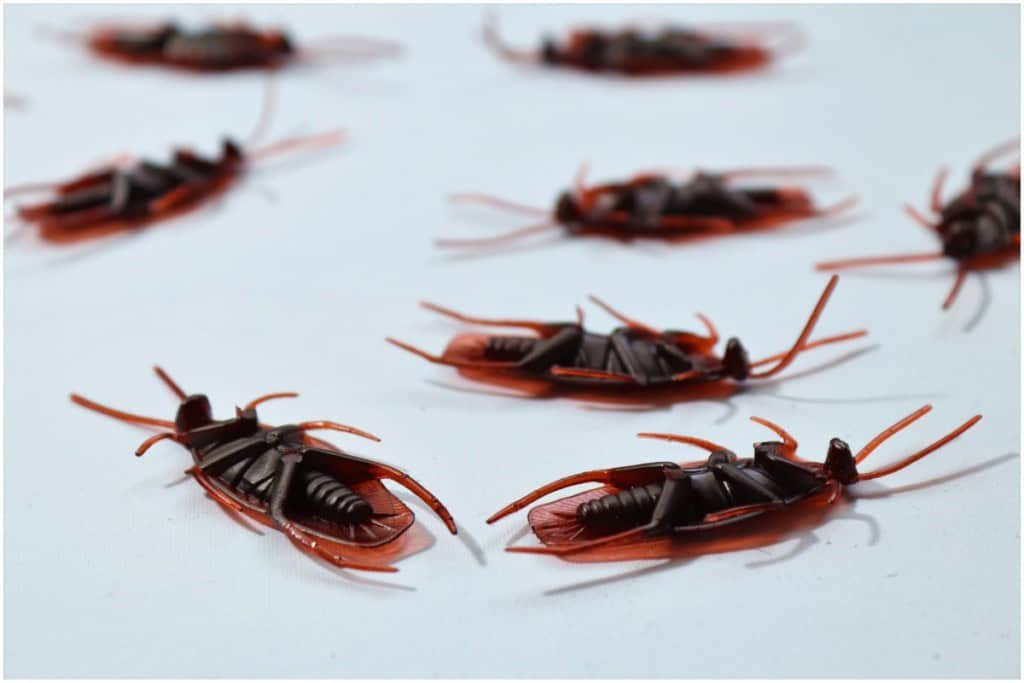

You turned on the kitchen light at midnight and watched a roach disappear under the refrigerator before you could reach for anything, points out Keyrenter Naples. The next morning you found a dropping in the bathroom cabinet and another one on the bedroom baseboard.
Roaches were not in one room. They were in the house. And you needed a plan that covered all of it.
Know Which Roach You Are Fighting Before You Buy Anything
German cockroaches are small, tan, and live almost exclusively indoors. They nest in kitchens and bathrooms near warmth and moisture. If you see dozens of small roaches scatter when you turn on a light, you have German roaches, and you need gel bait and an IGR.
American cockroaches are large, dark, and enter from outside through drains, door gaps, and attic vents. If you see one large roach a week, usually near a door or a drain, you have outdoor American roaches entering from the perimeter. Baiting indoors will not stop them. You need to treat outside.
Oriental cockroaches are shiny, black, and live in damp spaces like crawlspaces, basement floor drains, and the soil around foundation walls. They move slowly and rarely climb vertical surfaces. If you see roaches in the basement or laundry room, near floor drains, you are likely dealing with Oriental roaches, and the fix is moisture control, not more insecticide.
Using the wrong product for the wrong species wastes money and time. Gel bait placed on a kitchen counter kills German roaches. The same gel placed near a basement floor drain does nothing to Oriental roaches living in the pipe below it.
The Kitchen: Where 90% of Infestations Start
Kitchens provide everything a German roach needs: food, water, warmth, and dark hiding spaces behind appliances. The refrigerator motor housing, the gap under the dishwasher, and the void behind the stove are the three most common nesting sites. Treat these three zones first.
Pull the refrigerator out from the wall. You will find crumbs, grease residue, and possibly roach droppings that look like ground pepper in the corner where the wall meets the floor. Vacuum everything. Then apply gel bait in pea-sized dots every twelve inches along the baseboard behind the refrigerator. Do the same behind the stove and under the dishwasher toe kick.
Under the kitchen sink is the second priority zone. Roaches drink from the condensation on cold water pipes and from slow drips at the P-trap connection. Fix the leak. Wipe the cabinet floor dry. Apply gel bait in the back corners of the cabinet where the side walls meet.
Inside cabinets and the pantry, transfer all opened food from cardboard boxes and paper bags into sealed plastic or glass containers. German roaches eat the glue that holds cardboard boxes together. They lay egg cases in the corrugated channels. An unopened Amazon box of pasta sitting in the pantry for three months is not just a storage issue. It is a nursery.
The kitchen counter seam where the backsplash meets the countertop collects crumbs that wiping misses. Run a toothpick through the seam. The debris you scrape out is what attracted the first roach that found your kitchen. Seal the seam with clear silicone caulk after cleaning it.
The Bathroom: Water Source, Not Food Source
Roaches in bathrooms are drinking, not eating. The condensation on toilet tanks, the water that pools around the base of the shower, and the slow drip under the bathroom sink sustain a roach population even when the kitchen is spotless.
Check under every bathroom sink for leaks at the shutoff valve and the P-trap. A slow drip you have ignored for months is the reason roaches chose your bathroom over the neighbor’s. Fix the leak. Dry the cabinet. Then apply a small amount of gel bait in the back corners.
The gap where the bathroom vanity meets the wall is a common entry point for roaches traveling between wall voids. Run a bead of caulk along the seam. Behind the toilet, check the gap where the water supply line enters the wall. This penetration is rarely sealed. Fill it with copper mesh before caulking.
Exhaust fans that vent into the attic instead of outside create a permanently humid zone above the bathroom ceiling. Roaches follow the moisture through the fan housing. If your bathroom exhaust fan does not terminate outside, fix the vent before treating the bathroom. Otherwise the roaches are coming from a nest you cannot reach with bait.
Basements, Crawlspaces, and Laundry Rooms
Basements and crawlspaces are the primary entry zone for American and Oriental roaches. These species live in soil and mulch outside and enter through foundation cracks, unsealed crawlspace vents, and floor drains with dried-out P-traps.
Pour a gallon of water down every basement floor drain once a month. The water refills the P-trap and creates a physical water barrier that blocks sewer gas and roaches from entering through the drainpipe. A dried-out P-trap is an open highway from the sewer to your basement floor.
In the crawlspace, install a polyethylene vapor barrier over the soil. Crawlspace humidity above 60 percent creates the conditions Oriental roaches need to survive. A vapor barrier costs about $200 in materials for a 1,000-square-foot crawlspace and drops humidity below the threshold roaches need within a week.
In the laundry room, pull the washing machine away from the wall and check the drain hose connection. The warm, damp space behind a washing machine is an ideal roach habitat. Apply gel bait along the baseboard behind the machine and seal the gap where the drain hose enters the wall box.
Bedrooms and Living Spaces: How Roaches Spread
Roaches do not start in bedrooms. They spread there from kitchens and bathrooms when the primary infestation grows large enough that some roaches are pushed out of the main nest sites. Finding roaches in a bedroom means the infestation in the kitchen or bathroom has been active for at least two to three months without treatment.
Check under the bed for stored cardboard boxes. Shoes in their original boxes, old paperwork in banker’s boxes, and holiday decorations in corrugated bins are all harborage sites. Replace cardboard with plastic bins with tight-fitting lids.
Electronics are a secondary nesting site, especially in bedrooms. Roaches enter game consoles, cable boxes, and the back of flat-screen TVs through ventilation slots because the warmth from the circuit board mimics the temperature of a nest site inside a wall. If you see roaches near electronics, place a bait station behind the device, not on top of it. Do not spray insecticide directly into electronics.
Sanitation: The Unsexy Step That Makes Everything Else Work
Gel bait competes with every other food source in your home. A roach that has access to crumbs under the toaster and grease behind the stove has no reason to eat your bait. The most effective bait in the world fails in a dirty kitchen because the roaches have better options.
Do not leave pet food out overnight. A bowl of dry cat food sitting on the floor from 6 p.m. to 6 a.m. feeds the roaches as reliably as it feeds the cat. Pick up pet bowls after the evening feeding. Store the bag of pet food in a sealed plastic container, not the original paper bag.
Take out the kitchen trash every night before bed. Roaches forage most actively between midnight and 4 a.m. A full trash can during those hours is an open buffet. Rinse recyclables before putting them in the bin. The residue inside an empty soda can is enough sugar to feed a roach for a day.
Do not leave dirty dishes in the sink overnight. The thin film of food residue on a plate that soaked for eight hours is undetectable to you and a complete meal to a roach. Load the dishwasher and run it, or wash dishes before going to bed. This single habit change reduces roach activity more than any product you can buy.
When to Call a Professional
DIY treatment works for most German roach infestations caught within the first two to three months. Call a professional if you have been treating for four weeks with gel bait and IGR and the roach count on sticky traps has not dropped by at least 80 percent.
Call a professional immediately if you see roaches during the daytime. German roaches are nocturnal. Daytime activity means the infestation is large enough that the available hiding spaces are overcrowded, forcing some roaches to forage in the open during daylight hours. A daytime roach is a population density signal. It is not a random straggler.
If you live in an apartment, a professional is often necessary even for small infestations because the nest is likely in a neighboring unit that you cannot access. Treating your apartment without treating the source unit means you are killing foragers from a colony you cannot reach. Ask the landlord to treat the entire building, not just your unit.
Frequently Asked Questions
What will 100% get rid of roaches?
Nothing guarantees a 100% permanent result because roaches can reintroduce from outside sources at any time. The combination of gel bait for active colony elimination, an IGR to prevent reproduction, thorough sanitation to remove competing food sources, and sealed entry points to block re-entry produces the highest long-term success rate. Homes that maintain this four-part approach report reinfestation rates below 5% over five years. Homes that bait once and stop report reinfestation within twelve months in roughly 60% of cases.
What kills roaches the fastest in a home?
Soapy water sprayed directly on a roach kills it within 30 to 60 seconds by clogging its breathing pores. It is the fastest contact kill available without using aerosol insecticides. For colony elimination, the fastest method is a combination of a fast-acting gel bait like Advion (kills within 24 hours) and an IGR applied to cracks and crevices on the same day. Full colony collapse typically occurs within five to seven days.
Why do I have roaches in a clean home?
Roaches can survive on surprisingly small amounts of food. The glue on an envelope, a single drop of cooking oil behind the stove, and the residue inside a recycling bin are all sufficient food sources. More commonly, roaches in a clean home entered through a gap you have not found: around a plumbing pipe, through a shared apartment wall, inside a grocery bag, or in the corrugated cardboard of a delivery box. A clean home reduces the speed at which a population grows. It does not prevent a single pregnant female from entering and starting a colony.
Do roach bombs work for a whole house?
No. Total-release foggers disperse insecticide into the air where it settles on exposed horizontal surfaces. Roaches hide inside walls, under appliances, and in cracks where the fog cannot penetrate. Research from North Carolina State University found zero reduction in roach populations after fogger use compared to untreated control groups. Foggers also drive roaches deeper into wall voids, which spreads the infestation into rooms that were previously clean. Skip the fogger aisle entirely.
How long does it take to get rid of roaches in a home?
A light German roach infestation caught within the first month can be eliminated in two to three weeks with gel bait and IGR. A moderate infestation that has spread to multiple rooms takes four to six weeks. A severe infestation with daytime roach activity may take eight to twelve weeks and often requires professional treatment. The egg cycle determines the minimum timeline: roach eggs take 28 days to hatch, and any treatment shorter than four weeks will stop before the last eggs open.
The Short Version
Getting roaches out of your home is not about finding a stronger chemical. It is about denying them the three things every roach needs: food, water, and a dark place to hide.
Clean the kitchen until there is nothing left to eat. Fix every slow drip and condensation source. Apply gel bait where they hide and an IGR where they breed. Seal the gaps they use to move between rooms. Do all four at once and stay consistent for four weeks. The house is yours. Stop making it theirs.