
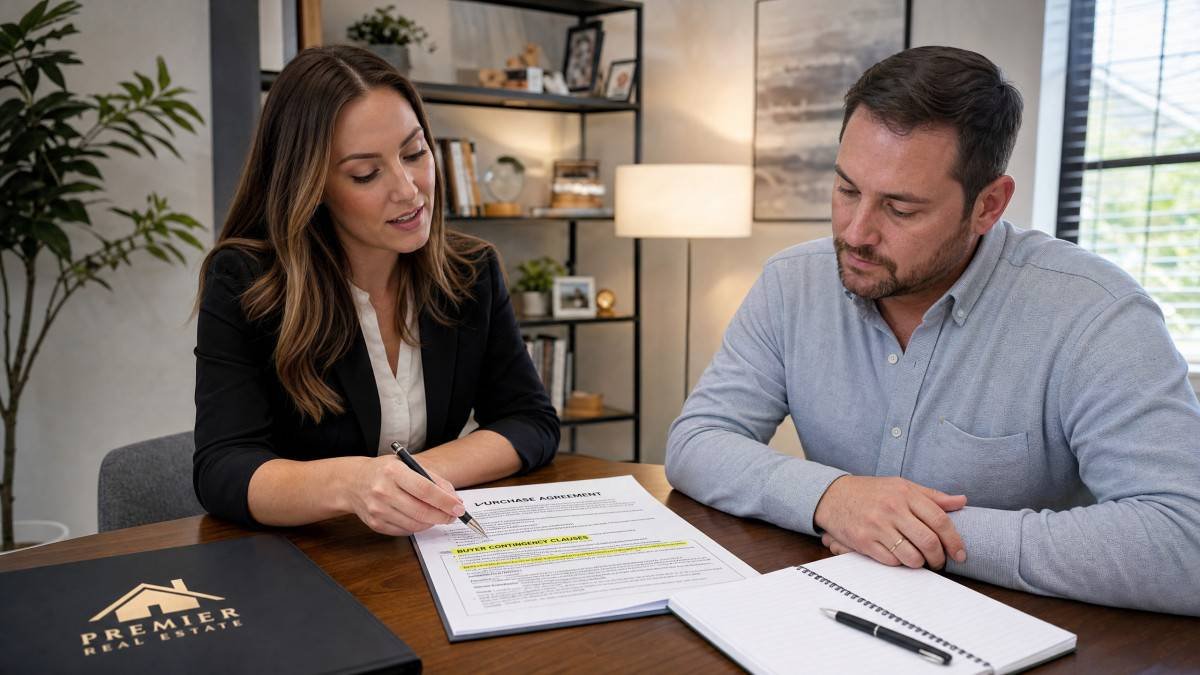

Understanding Common Buyer Contingencies
Common buyer contingencies include inspection, appraisal, and financing clauses, each designed to protect the buyer’s interests by allowing them to withdraw from the purchase under specific, predefined conditions. These provisions are critical for buyers to ensure the property meets their expectations and financial capabilities, while also presenting potential hurdles for sellers aiming for a straightforward transaction.
The most prevalent contingencies encountered in real estate transactions are the home inspection, appraisal, and financing contingencies. A home inspection contingency permits the buyer to hire a professional inspector to evaluate the property’s condition, often leading to negotiations for repairs or credits if significant issues are discovered. This protects buyers from inheriting costly problems and ensures they are fully aware of the property’s state before finalizing the purchase.
An appraisal contingency ensures that the property’s value, as determined by a professional appraiser, is at least equal to the agreed-upon purchase price. If the appraisal falls short, the buyer typically has the option to renegotiate the price, cover the difference in cash, or terminate the contract. This is particularly vital for buyers using a mortgage, as lenders will not finance more than the appraised value of the home.
A financing contingency, sometimes called a mortgage contingency, makes the sale conditional upon the buyer securing the necessary loan to complete the purchase. It specifies a period within which the buyer must obtain a commitment for financing. Should the buyer be unable to secure a mortgage, this contingency allows them to withdraw from the agreement without penalty, safeguarding their earnest money deposit.
Evaluating the Strength of an Offer with Contingencies
Assessing an offer with contingencies requires sellers to weigh the potential risks and delays against the overall attractiveness of the bid, considering factors like the buyer’s financial stability, the market’s competitiveness, and the specific terms of each contingency. A strong offer might still include contingencies but could feature a higher price, a larger earnest money deposit, or shorter contingency periods, making it more appealing.
When multiple offers are on the table, sellers must look beyond the headline price and carefully analyze the contingencies attached to each. An all-cash offer, for instance, typically carries fewer risks and a faster closing time because it eliminates financing and appraisal contingencies. Conversely, an offer with numerous or lengthy contingencies can signal potential delays or a higher likelihood of the deal falling through, even if the purchase price is attractive.
Consider the buyer’s earnest money deposit as an indicator of their commitment. A substantial deposit suggests the buyer is serious and less likely to walk away frivolously, as they stand to lose more if the deal collapses due to their actions. Furthermore, evaluating the buyer’s pre-approval or pre-qualification status for a mortgage can provide insight into the likelihood of their financing contingency being met successfully. A full pre-approval from a reputable lender is generally stronger than a simple pre-qualification.
The current market conditions also play a significant role in how sellers should evaluate offers with contingencies. In a hot seller’s market, where demand outstrips supply, sellers have more leverage to demand fewer contingencies or shorter timeframes. In a buyer’s market, however, sellers may need to be more flexible and accept offers with more contingencies to secure a sale. According to the National Association of Realtors, 76% of contracts included an appraisal contingency in March 2024, highlighting their commonality even in varying markets [1].
Strategies for Negotiating Contingencies
Sellers can employ several negotiation strategies to mitigate the impact of buyer contingencies, such as proposing shorter contingency periods, requesting non-refundable earnest money after certain milestones, or offering minor concessions in exchange for waiving specific clauses. Open communication and a willingness to compromise can lead to mutually beneficial agreements that protect both parties’ interests while moving the sale forward efficiently.
One effective strategy is to negotiate shorter timeframes for contingencies. For example, reducing an inspection period from 10 days to 7 days can accelerate the process and minimize the time the property is off the market. This puts a reasonable pressure on the buyer to complete their due diligence promptly. Sellers can also propose that a portion of the earnest money becomes non-refundable after the inspection contingency is satisfied, increasing the buyer’s commitment.
Another approach involves offering a credit for minor repairs instead of undertaking the repairs themselves, particularly after a home inspection. This gives the buyer flexibility and saves the seller the hassle of coordinating contractors. For more significant issues, sellers might offer a reduced purchase price in lieu of repairs, which can sometimes be more appealing to buyers and simplify the transaction.
In competitive situations, sellers might encourage buyers to waive certain contingencies, especially if the property is in excellent condition or if the buyer is highly motivated. However, this should be approached cautiously, as waiving critical protections like an inspection contingency can expose buyers to significant risks. “A seller should always consult with their real estate agent and legal counsel before agreeing to any waivers,” advises Sarah Chen, a real estate attorney at Property Law Group. “Understanding the potential liabilities is crucial.”
When to Push Back on Buyer Contingencies
Sellers should consider pushing back on buyer contingencies when market conditions favor them, the offer is exceptionally strong in other aspects, or the requested contingencies are unusually broad or lengthy. This strategic resistance can help secure a more favorable and less risky transaction, particularly when multiple competitive offers are available, allowing the seller to maintain control over the sale process.
In a strong seller’s market, where homes are selling quickly and often above asking price, sellers have significant leverage to push back on buyer contingencies. If you receive multiple offers, you can counter with terms that minimize contingencies or shorten their durations, knowing that other buyers might be willing to accept more favorable terms to secure the property. This competitive environment allows sellers to be more selective.
Even in a balanced market, if an offer is otherwise exceptional—perhaps an all-cash offer with a quick close or a significantly above-asking price—a seller might still push back on certain contingencies. The overall strength of the offer can justify taking a firmer stance on terms that introduce uncertainty. It is important to communicate clearly through your agent about which contingencies are problematic and why.
Sellers should also push back if contingencies are unusually broad, vague, or have excessively long timeframes. For example, an inspection contingency that allows the buyer to back out for any reason, rather than for significant defects, is overly broad. Similarly, a financing contingency extending for 45 days in a market where 30 days is standard might warrant negotiation. Such terms can unnecessarily prolong the selling process and increase the risk of the deal collapsing.
The Impact of Contingencies on Closing Timelines
Buyer contingencies directly influence the closing timeline of a home sale, as each contingency period must expire or be satisfied before the transaction can proceed to its final stages. Delays in fulfilling these conditions, such as waiting for inspection reports or appraisal results, can extend the closing date, requiring careful management and communication to keep the process on track.
Each contingency comes with a specified timeframe during which the buyer must complete their due diligence. For instance, a typical home inspection contingency might last 7 to 10 days, while a financing contingency could extend for 21 to 30 days. These periods are not merely suggestions; they are legally binding deadlines that dictate the pace of the transaction. Failure to meet these deadlines can lead to contract termination or renegotiation.
Delays in satisfying contingencies are common and can arise from various factors, including scheduling conflicts with inspectors or appraisers, slow lender processing times, or unexpected issues discovered during inspections. Such delays can push back the agreed-upon closing date, which can be problematic for sellers who have their next move planned or are working with tight deadlines. Effective communication between all parties—buyers, sellers, and their agents—is crucial to anticipate and address potential delays proactively.
Sellers can help minimize delays by ensuring their home is well-maintained and ready for inspection, providing all necessary disclosures upfront, and working with an experienced real estate agent who can effectively manage the timeline. A proactive approach to preparing for contingencies can significantly reduce the likelihood of unexpected holdups and contribute to a smoother, more predictable closing process. In some cases, a buyer might request an extension for a contingency, which the seller can either grant or deny based on their circumstances and market leverage.
Contingency vs. Contingent Offer Comparison
While often used interchangeably, a “contingency” refers to a specific condition within a contract, whereas a “contingent offer” describes an entire purchase proposal that is dependent on one or more of these conditions being met. Understanding this distinction is vital for both buyers and sellers to accurately interpret real estate agreements and negotiate effectively.
A contingency is a clause in a real estate contract that outlines a specific condition that must be met for the sale to proceed. Examples include the home inspection contingency, appraisal contingency, and financing contingency. These are individual protective measures embedded within the broader agreement, each with its own terms and deadlines. They provide an escape hatch for the buyer if certain events do not unfold as expected.
A contingent offer, on the other hand, is an offer to purchase a property that includes one or more of these contingencies. When a seller accepts a contingent offer, it means they have agreed to the sale, but the transaction is not yet final because certain conditions still need to be satisfied. The property is often listed as “contingent” or “under contract – contingent” in real estate listings, indicating its status.
The primary difference lies in scope: a contingency is a single condition, while a contingent offer is the entire agreement that is conditional upon those clauses. For sellers, a contingent offer means the deal is not guaranteed until all specified contingencies are removed or satisfied. This distinction is important for managing expectations and understanding the true solidity of a purchase agreement. For instance, a recent report indicated that roughly 30% of contingent offers fall through before closing due to unmet conditions [2].
| Contingency Type | Buyer Protection | Seller Impact |
|---|---|---|
| Home Inspection | Allows buyer to assess property condition and negotiate repairs or credits. | Potential for renegotiation, repair requests, or deal termination. |
| Appraisal | Ensures home value matches purchase price; protects against overpaying. | Risk of price renegotiation if appraisal is low, or deal falling through. |
| Financing | Guarantees buyer can secure a mortgage; prevents obligation for unaffordable home. | Deal is dependent on buyer’s loan approval; potential for delays or termination. |
| Sale of Previous Home | Buyer can sell their current home before purchasing the new one. | Significant uncertainty and extended timeline; often less attractive to sellers. |
Frequently Asked Questions
What is a home inspection contingency?
A home inspection contingency allows the buyer to have the property professionally inspected within a specified timeframe. If the inspection reveals significant issues, the buyer can negotiate repairs, request a credit, or even withdraw their offer without losing their earnest money deposit. This contingency protects buyers from unforeseen structural or system defects.
How does an appraisal contingency protect the buyer?
An appraisal contingency ensures that the home’s appraised value meets or exceeds the purchase price. If the appraisal comes in lower, the buyer can renegotiate the price, pay the difference in cash, or walk away from the deal. This is crucial for buyers relying on a mortgage, as lenders typically won’t finance more than the appraised value.
What is a financing contingency?
A financing contingency, also known as a mortgage contingency, makes the purchase agreement dependent on the buyer securing a loan. It specifies a period during which the buyer must obtain loan approval. If financing falls through, the buyer can cancel the contract and recover their earnest money, safeguarding them from being obligated to purchase a home they cannot afford.
Can a seller refuse an offer with contingencies?
Yes, a seller can refuse an offer with contingencies, especially in a competitive market. While contingencies protect buyers, they introduce uncertainty for sellers. Sellers often prefer offers with fewer or waived contingencies, as they represent a more straightforward and less risky path to closing. However, the decision depends on market conditions and the seller’s individual priorities.
Navigating buyer contingencies is an intricate but essential aspect of selling a home. By thoroughly understanding each type of contingency, strategically evaluating offers, and employing effective negotiation tactics, sellers can significantly increase their chances of a smooth and successful transaction. Proactive communication, combined with expert guidance from a real estate professional, empowers sellers to make informed decisions that align with their selling goals and minimize potential disruptions. Ultimately, a well-managed contingency process leads to a more predictable and satisfying outcome for all parties involved in the real estate journey.
References
- National Association of Realtors. (2024). Realtors Confidence Index Survey, March 2024. Retrieved from https://www.nar.realtor/research-and-statistics/research-reports/realtors-confidence-index
- HousingWire. (2023). Contingent Offers: How Many Fall Through? Retrieved from https://www.housingwire.com/articles/contingent-offers-how-many-fall-through/