

The Australian property market in 2026 continues to present significant challenges for purchasers, particularly when it comes to the underlying quality of available housing stock. Walking into an open inspection is often an emotional experience, filled with visions of future milestones and styling possibilities.
However, financial experts advise homeowners to budget roughly one per cent of their property value for annual maintenance. For a standard $1.5 million home, that translates to $15,000 a year in standard upkeep alone. Inheriting pre-existing, hidden defects can quickly turn a dream purchase into a financial nightmare, especially with persistently high construction material and labour costs across the country.
Look Beyond the Cosmetic Touches
Sellers naturally want their properties to look flawless, and professional styling coupled with a fresh coat of paint can work wonders, highlights Upper Management Realty company. Unfortunately, cosmetic updates are frequently used to mask serious underlying problems. Many buyers fall into the trap of admiring the updated fixtures while missing the subtle signs of structural cracking or rising damp. In highly competitive pockets of the market, some purchasers even waive building and pest clauses to make their offers more appealing. This is a risky practice driven by a fear of missing out that frequently leads to unmanageable repair bills post-settlement.
Engaging local property experts provides a critical, objective second set of eyes during these walkthroughs. For instance, partnering with a knowledgeable buyer’s agent Sydney can help house hunters conduct forensic due diligence to spot flipped properties where rapid cosmetic renovations are deliberately used to cover up deep structural flaws.
State government bodies strongly advise purchasers to remain vigilant during open houses and not let staging distract from potential faults. As official guidance from Consumer Affairs Victoria notes, a qualified inspector will know what to look for and will see through any cosmetic improvements that cover up faults.
Use Your Senses for Moisture and Structural Red Flags
When you walk through a property, you should be actively evaluating the environment using all your senses. Water damage and poor waterproofing are incredibly common issues in Australian real estate. A New South Wales government strata survey found that 39 per cent of residential apartment buildings constructed between 2014 and 2020 contained serious common property defects, with waterproofing failures being the most frequently reported issue.
One of the earliest indicators of hidden water intrusion is not visual, but olfactory. If you detect a persistent damp odour during your walkthrough, it is a major red flag. This scent often points to structural moisture damage or poor ventilation, which you can learn more about by understanding what a musty smell in a house actually indicates regarding indoor air quality and mould growth.
Structural issues related to moisture can be devastatingly expensive to fix. The cost for structural foundation rectification in Australia, such as underpinning a sinking foundation, typically ranges from $4,000 to $16,000. This figure can quickly escalate beyond $40,000 if the hidden water damage is extensive. Always look at the alignment of doors and windows, as frames that stick or do not close properly are classic signs of foundation movement.
The Silent Threat of Pests and Decay
Beyond water and foundational issues, timber pests remain one of the most destructive forces in Australian housing. Industry and university studies estimate that up to one in three Australian homes will experience a destructive termite infestation at some point. Termites cost Australian homeowners approximately $1.5 billion annually in property damage, frequently compromising structural timber framing and flooring. Standard home insurance policies almost universally exclude coverage for termite damage or gradual structural decay, leaving new buyers entirely liable if these defects are discovered after settlement.
To protect yourself during an open inspection, you should actively look for the following warning signs:
- Bouncy or spongy floors: Walking heavily across timber floors can reveal underlying structural weakness, rot, or termite damage to the supporting joists.
- Blistering paint: While it might look like a simple paint defect, blisters or bubbles on paintwork can indicate active termite activity just beneath the surface.
- Damp brick walls: Moisture marks on exterior or interior brickwork often point to rising damp or salt damp, requiring expensive chemical treatments.
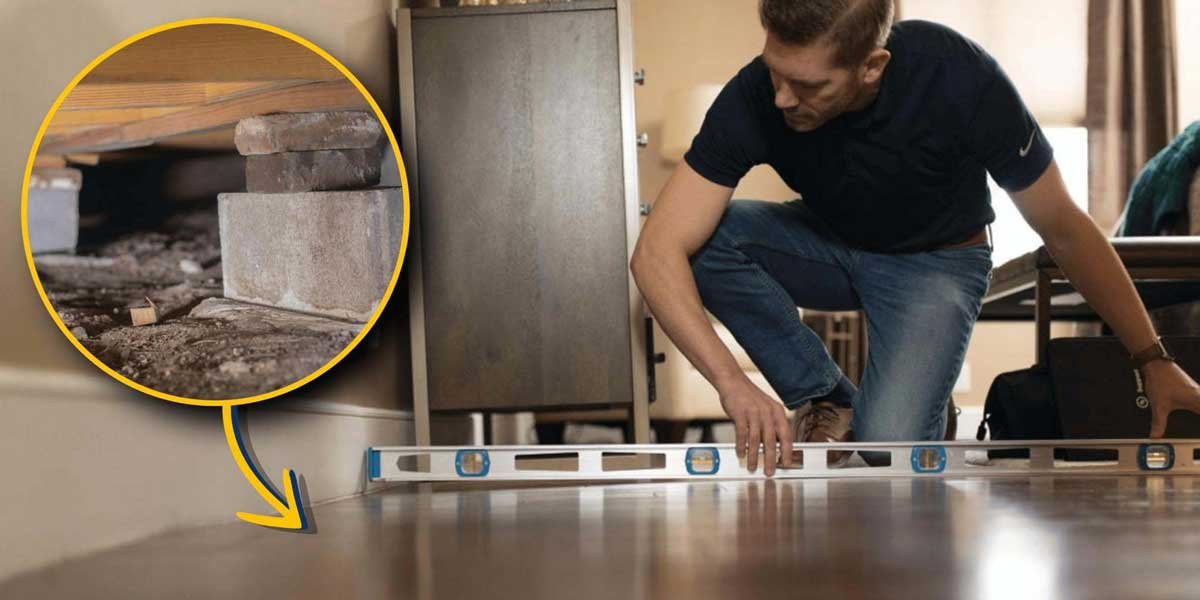
- Uneven skirting boards: Gaps between the floor and the skirting boards often signal that the stumps or foundation have settled unevenly over time.
The Importance of Independent Inspections
Given the sheer volume of potential issues, relying on a casual visual inspection or vendor-supplied reports is never recommended. The Real Estate Buyers Agents Association of Australia actively warns consumers against skipping physical inspections. Furthermore, ensuring that your structural inspections adhere to strict safety codes by using professionals accredited by the Australian Institute of Building Surveyors is essential for true peace of mind.
By maintaining a critical eye, looking past the strategic styling, and insisting on independent, qualified assessments, prospective buyers can protect themselves from inheriting someone else’s structural nightmare. An open house should be viewed as an initial screening rather than a final verdict, giving you the initial clues needed to walk away from a bad investment before it is too late.