
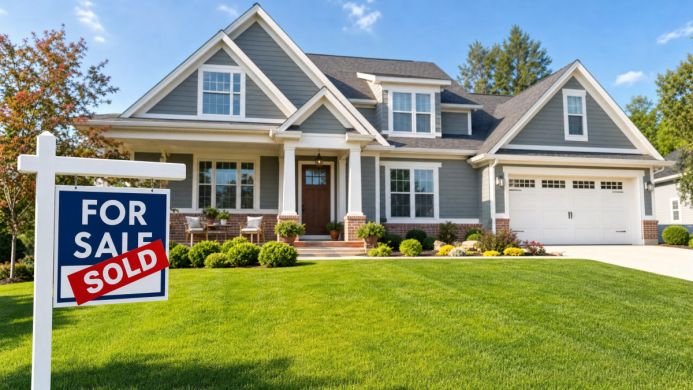

Strategic Pricing for a Quick Sale
Setting the right price is the single most influential factor in how quickly a home sells, as an accurately valued property attracts more buyers and generates stronger offers from the outset. Overpricing can deter potential buyers and lead to prolonged market time, while underpricing might result in leaving money on the table. A data-driven pricing strategy is essential for optimizing both speed and profitability when you’re ready to Get an Offer.
An accurate and competitive listing price is the cornerstone of a fast home sale. Buyers are highly informed and will quickly recognize an overpriced property, often bypassing it entirely. Conversely, a home priced correctly for its market segment can generate significant interest, leading to multiple offers and a quicker closing process. Real estate professionals emphasize that the initial price point is crucial, as the first few weeks on the market are when a property receives the most attention.
To determine an optimal price, sellers should conduct a thorough comparative market analysis (CMA), examining recent sales of similar homes in the immediate area. This analysis considers factors such as square footage, number of bedrooms and bathrooms, age of the property, and specific amenities. According to ATTOM Data Solutions, sellers who close in May and June historically earn premiums of 5.9% to 12.8% above estimated market value, compared with just 3–4% during winter months, highlighting the impact of market timing on pricing strategy [1].
Avoiding emotional attachment to a price is vital. While every homeowner believes their property is unique, the market ultimately dictates value. A realistic assessment, often guided by an experienced real estate agent, ensures the home is positioned to attract serious buyers. Pricing slightly below market value can also create a sense of urgency and competition, potentially driving the final sale price higher than the initial asking price.
Enhance Curb Appeal and Staging
First impressions are critical in real estate, making curb appeal and professional staging indispensable for accelerating a home sale. A well-maintained exterior draws buyers in, while a thoughtfully staged interior allows them to envision themselves living in the space, fostering an emotional connection that encourages faster offers. These visual enhancements create a welcoming atmosphere and maximize a property’s perceived value.
The exterior of a home is the first thing potential buyers see, whether online or in person. Investing in curb appeal can significantly impact how quickly a property sells. Simple improvements like fresh landscaping, a newly painted front door, clean windows, and a tidy yard create an inviting impression. These efforts signal to buyers that the home has been well-maintained, setting a positive tone before they even step inside.
Once inside, professional staging transforms a house into a desirable home. Staging involves decluttering, depersonalizing, and arranging furniture to highlight the property’s best features and maximize its perceived space. A professionally staged home helps buyers visualize the potential of each room without being distracted by personal items or clutter. According to the National Association of Realtors (NAR), 82% of buyer’s agents said staging helped their clients visualize the property as a future home [2].
Even minor updates, such as fresh paint in neutral colors, updated light fixtures, and thorough cleaning, can make a significant difference. These improvements create a blank canvas that appeals to a broader range of buyers, making it easier for them to imagine their own belongings in the space. The goal is to present a move-in ready property that minimizes perceived effort for the buyer, thereby encouraging a quicker decision.
Leverage Professional Photography and Virtual Tours
In an increasingly digital real estate market, high-quality professional photography and immersive virtual tours are essential tools for attracting buyers and accelerating a home sale. These visual assets provide compelling first impressions online, encouraging more showings and helping properties stand out in competitive listings. Superior visuals capture buyer interest and convey a home’s true appeal before an in-person visit.
The vast majority of home searches begin online, making high-quality visuals paramount. Professional photographs showcase a home’s best features, proper lighting, and optimal angles, creating an enticing first impression. Poorly lit, blurry, or amateur photos can deter potential buyers, causing them to scroll past a listing without a second thought. An investment in professional photography is an investment in attracting more qualified leads.
Beyond static images, virtual tours and 3D walkthroughs have become powerful tools for accelerating sales. These immersive experiences allow prospective buyers to explore a property from the comfort of their own home, providing a detailed sense of the layout and flow. Virtual tours can significantly reduce the number of casual inquiries, ensuring that those who schedule in-person showings are genuinely interested and well-informed about the property.
“In today’s market, a home’s online presence is its most important open house,” states Sarah Davis, a top-producing real estate agent at Premier Properties Group. “Listings with professional photos and virtual tours consistently generate more clicks, more showings, and ultimately, faster offers. It’s about creating an immediate emotional connection and making it easy for buyers to fall in love with a property before they even step inside.” This expert perspective underscores the critical role of digital presentation in a rapid home sale.
Strategic Timing and Market Awareness
Understanding and leveraging strategic timing, alongside acute market awareness, can significantly compress the sales cycle for a home. Listing a property during peak buyer activity and aligning with favorable economic conditions maximizes visibility and demand, leading to quicker offers and potentially higher sale prices. A well-timed entry into the market capitalizes on existing momentum and buyer enthusiasm.
While general trends suggest spring and early summer as prime selling seasons, local market conditions can vary significantly. Sellers should consult with their real estate agent to understand the best time to list in their specific area. Factors such as school calendars, local events, and regional economic indicators can all influence buyer activity. A well-timed listing can capitalize on periods of high demand and limited inventory, creating a competitive environment.
Monitoring mortgage rates and the overall economic outlook is also crucial. When interest rates are low or stable, buyer purchasing power increases, often leading to a surge in market activity. Conversely, rising rates can cool demand. In 2026, the Freddie Mac Primary Mortgage Market Survey shows 30-year fixed rates hovering in the mid-6% range, a stabilization that has brought more buyers into the market, benefiting sellers [3].
The “days on market” metric provides valuable insight into local market speed. If homes in your area are selling quickly, it indicates a strong seller’s market, suggesting a faster sale is probable. If homes are lingering, it may require a more aggressive pricing strategy or additional preparations. Being informed about these dynamics allows sellers to make proactive decisions that align with their goal of a fast sale.
Effective Marketing and Exposure
Maximizing a home’s exposure through a comprehensive and effective marketing strategy is paramount for achieving a fast sale. Beyond listing on the Multiple Listing Service (MLS), leveraging digital platforms, social media, and an agent’s network ensures the property reaches a wide audience of potential buyers. Broad visibility generates increased interest, leading to more showings and a quicker path to an offer.
Listing a home on the Multiple Listing Service (MLS) is foundational, but effective marketing extends far beyond this initial step. A robust marketing plan includes high-quality online listings with detailed descriptions, professional photos, and virtual tours distributed across major real estate portals. This ensures the property is easily discoverable by the vast majority of buyers who begin their search online.
Leveraging social media platforms can also significantly boost a home’s visibility. Targeted ads and engaging posts can reach specific demographics of potential buyers, creating buzz and driving traffic to the listing. An experienced real estate agent will have a strong online presence and a network of contacts to further amplify the property’s reach, often sharing listings directly with interested parties or other agents.
Open houses, while traditional, remain an effective tool for generating interest and allowing multiple buyers to view the property simultaneously. Well-advertised open houses, coupled with attractive staging, can create a sense of competition and urgency. Additionally, agents often utilize email marketing campaigns to alert their client base about new listings, ensuring that the home is presented to a pre-qualified audience actively seeking properties.
Negotiation and Closing Efficiency
Streamlining the negotiation and closing processes is crucial for ensuring a fast home sale once an offer is received. Prompt and clear communication, realistic expectations regarding contingencies, and proactive preparation of all necessary documentation can significantly reduce delays. An efficient closing process maintains buyer enthusiasm and prevents potential complications from extending the timeline.
Once an offer is on the table, efficient negotiation becomes key to a fast sale. Sellers should be prepared to respond promptly and clearly to offers, counter-offers, and any requests for repairs or concessions. While it is important to protect one’s interests, excessive back-and-forth or unreasonable demands can frustrate buyers and lead to them withdrawing their offer, restarting the entire sales process.
Understanding common contingencies, such as financing, inspection, and appraisal, is also vital. While some contingencies are standard, sellers aiming for a fast sale might prioritize offers with fewer or more flexible conditions. For instance, a cash offer often bypasses financing contingencies, significantly shortening the closing timeline. Being prepared with all necessary documentation, such as property disclosures and title information, can also prevent delays.
Working with an experienced real estate agent who is adept at managing the closing process is invaluable. They can help navigate legal requirements, coordinate with lenders and title companies, and ensure all deadlines are met. A smooth and efficient closing keeps the buyer engaged and confident, minimizing the risk of last-minute issues that could prolong the sale or even cause it to fall through.
Selling a home fast is an achievable goal with the right strategy and execution. By focusing on competitive pricing, enhancing curb appeal and staging, leveraging professional photography, understanding market timing, implementing effective marketing, and ensuring efficient negotiation and closing, homeowners can significantly reduce their property’s time on market. These proactive steps not only accelerate the sale but can also contribute to achieving the best possible price for the home.
Frequently Asked Questions
What is the best time of year to sell a home quickly?
Historically, late spring, specifically May and June, offers the highest sale prices and fastest closing times nationwide. This period sees peak buyer demand, often driven by families looking to relocate before the new school year begins and favorable weather conditions for showings. While these are national trends, local market conditions can influence the optimal selling window.
How important is pricing when trying to sell a home fast?
Pricing is paramount when aiming for a quick sale. Homes priced competitively, often at or slightly below market value, attract more immediate interest and can even spark bidding wars. Overpricing can lead to extended time on the market, requiring subsequent price reductions that may signal desperation to buyers. A well-researched, strategic price point is crucial for accelerating the sales process.
Does home staging really help sell a house faster?
Yes, home staging significantly contributes to selling a house faster. Staged homes often appear more appealing and move-in ready to prospective buyers, allowing them to envision themselves living in the space. Professional staging can highlight a home’s best features, neutralize personal touches, and create an inviting atmosphere, leading to quicker offers and potentially higher sale prices.
What role do professional photos play in a fast home sale?
Professional photos are critical in today’s digital real estate market. High-quality images are often the first impression buyers have of a property, and they can dramatically increase online engagement and showing requests. Poor or amateur photos can deter potential buyers, causing a home to linger on the market. Investing in professional photography ensures your listing stands out and attracts serious interest quickly.
References
- ATTOM Data Solutions. (2026). *Seasonal Analyses of Home Sales*.
- National Association of Realtors. (2023). *Profile of Home Staging*.
- Freddie Mac. (2026). *Primary Mortgage Market Survey*.
