
Is Caulk Waterproof?

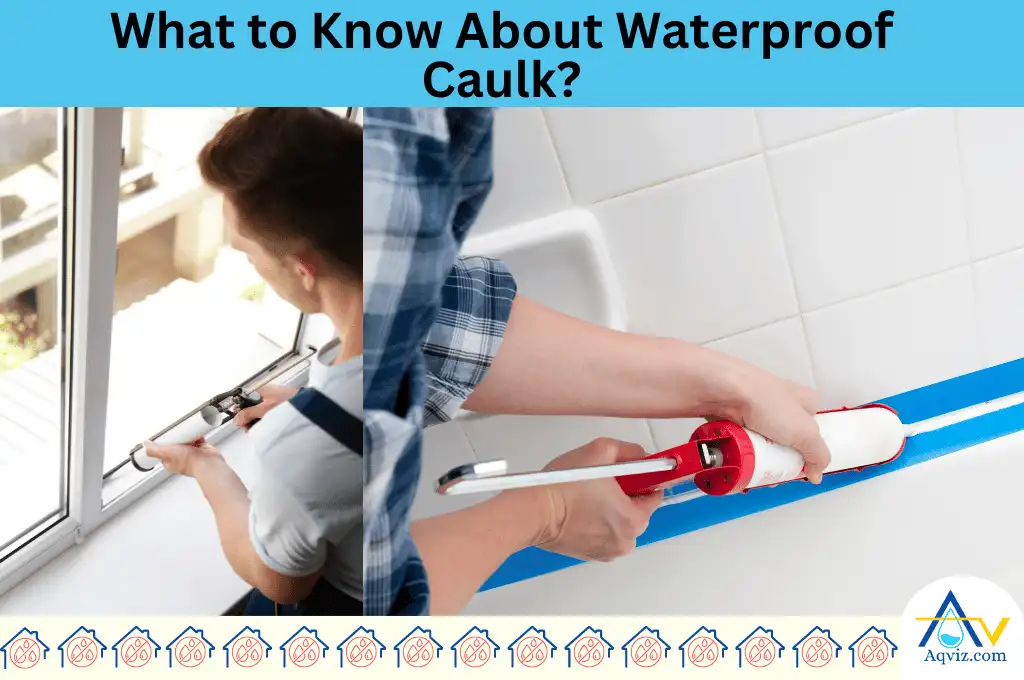
Caulk is a highly water-resistant, flexible, adhesive, and workable sealing material. Caulk is made from acrylic latex, polyurethane, and silicone. Caulk is used to fill the unsealed space, gaps, and joints that are less than ¼” (6.35 mm) between edges and seams, holes in the doors and windows to protect from water, dust, air, and insects with 12-24 hours of curing time.
To apply caulk, you should follow the steps below. The full curing time of the caulk is 24 hours. But it does not adhere after 2-3 hours after it is applied. Caulk can effectively be used on depths between ¼”-½” (6.35 mm – 12.7 mm), and the best temperature to apply caulk is generally between 40°F and 80°F (4°C and 27°C). You can apply caulk to various areas in the building to seal gaps and spaces. Caulk is resistant to heat to a certain extent. When the temperature increase its adhesiveness is decreased.
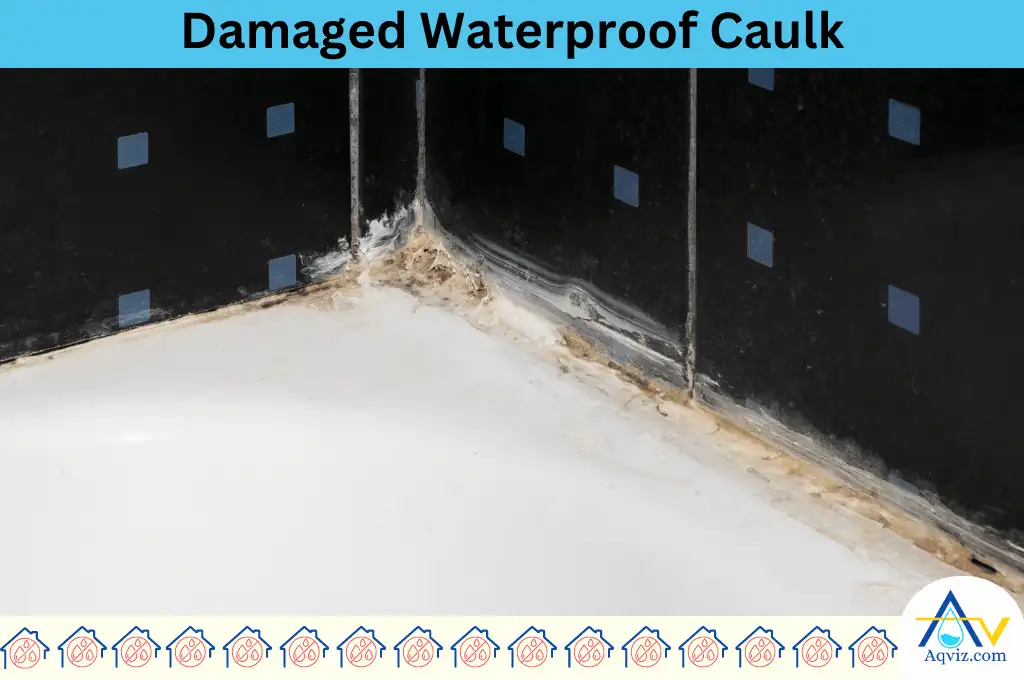
You can’t paint on the caulk types such as silicon due to its less permiability as well as it can be cleaned easily when it is dirty. Caulk is stain resistant material, and when it is damaged, it can be removed easily. When the caulk is damaged, its water tighness decrease and water tends to leak inside. So it should be protected properly as follow.
What is Caulk?
Caulk is a highly water-resistant, flexible, adhesive, and workable sealing material. Caulk is made from acrylic latex, polyurethane, and silicone. Caulk is used to fill the unsealed space, gaps, and joints that are less than ¼” (6.35 mm) between edges and seams, holes in the doors and windows to protect from water, dust, air, and insects with 12-24 hours of curing time.
How to Apply Caulk?
These are the 7 steps to apply caulk.
- Prepare the surface: First you should clean the area where you will apply the caulk. Remove any old caulk, dirt, or debris on the seams, joins or holes. The surface should be dry before applying new caulk.
- Cut the caulk tip: Before applying the caulk, you should cut the tip of the caulk tube at a 45-degree angle. The size of the hole will depend on how wide you want the caulk bead to be.
- Load the caulk gun: You should insert the caulk tube into the caulk gun. Push the rod of the gun into the base of the tube until it’s firm.
- Apply the caulk on the surface: Hold the gun at a 45-degree angle to the gap being filled and apply steady pressure to the trigger to start the flow of caulk. Move the gun smoothly along the length of the area to be sealed.
- Smooth the caulk surface: After the caulk has been applied, it should be smoothed out. You can use a caulk smoothing tool, or your finger (wear rubber gloves for safety). This will ensure a good seal and a neat finish.
- Clean the excess caulk on the surface: Use a damp cloth to clean up any excess caulk before it dries.
- Dry the caulk: Finally, let the caulk dry completely. The drying time will depend on the type of caulk used and the conditions of the room, but generally, it takes 24 hours for the caulk to cure fully.

What is the Curing time of Caulk?
The full curing time of the caulk is 24 hours. But it does not adhere after 2-3 hours after it is applied on. Silicone and latex caulks can dry rapidly and cure more quickly than other types of caulk. You can make sure whether the caulk is cured by touching it. Well-cured caulk does not move here and there and forms a less pushable surface.
If the caulk is open to dust or debris before its initial curing step, debris will adhere to the caulk. But if the caulk is wet by water, its adhesiveness will decrease due to water in the mixture.
How Deep Can a Caulk Apply?
Caulk can effectively be used on depths between ¼”-½” (6.35 mm – 12.7 mm). If the gap is larger than ¼” (6.35 mm) you should install a foam backer rod into the joint before caulking. As well as if the caulking depth is too much, you can use 2 layers of caulk over caulk.
When you apply 2 layers of caulk, you should wait until the bottom layer is dried about 1 hour. If you use both layers together, it takes too long to cure them. If the layers are not cured properly, it tend to shrink and crack the caulk layers.
What is the Best Temperature for Caulking?
The best temperature to apply caulk is generally between 40°F and 80°F (4°C and 27°C). Caulk can be difficult to apply in extremely cold temperatures because it becomes less pliable, and it may not adhere properly in extremely hot temperatures.
Is Caulk Heat Resistance?
Caulk is resistant to heat to a certain extent. It can withstand -40° to 350° F. If the temperature rises more than this waterproof caulk will melt and lose the adhesiveness in the seams.
Where can you use Caulk?
You can use caulks on these such as
- Bathroom fixtures: Caulks can be used on bathtubs, showers, sinks, and toilets to prevent water from seeping behind walls and under floors.
- Kitchens: Caulks can be used around kitchen sinks, countertops, and backsplashes to prevent water damage.
- Windows: Caulk can use for windows. It can used to seal gaps around window frames, preventing water from getting inside and improving energy efficiency.
- Doors: Caulk can be used for doors. it can be used to seal gaps around door frames for weatherproofing.
- Basements: Caulk can be used for basement waterproofing to prevent water seepage.
- Plumbing: Caulk is often used to seal connections in pipes to prevent leaks.
- Roofs: Caulk can be used to seal around roof vents, skylights, or any other structures that penetrate the roof to prevent leaks.
Related: How to Waterproof a Metal Roof? Steps, Tools and Products

Can You Paint on Caulk?
No, you can’t paint on caulk such as silicone. Caulk consists of less permeability, hence the solvent will not evaporate, and the paint will not dry due to the lower permeability of the silicone caulk. When you paint on the caulk, the paint will crack and peel off as it dries. If you really need to paint on waterproof caulk, you should use oil-based paint.
But some caulks, such as acrylic latex caulk and polyurethane caulk, can be painted. These caulks are highly permeable. Hence, paint can adhere to the surface when it is drying. If you need to paint on the caulk, you should wait about 2-3 hours after it is applied. For the best result, you should wait 24 hours until the caulk is fully cured. You can use any primer on the caulk for better adhesion. But never sand on the caulk before painting on the waterproof caulk.
Read More About: Waterproof Paint: Everything You Should Know

How to Clean Caulk?
Caulk can be dirty with oil, dust, and other liquids. Caulk is a stain-resistant material. But dirt and debris can be deposited on the caulk surface when it is not properly maintained and repaired. In order to clean the waterproof caulk, you can use homemade cleaners as well as commercial cleaners.
You should follow the below steps to clean the caulk
- Remove loose debris on the caulk: You should remove loose debris such as dust, leafs, and other loose debris on the caulk areas by using a brush or vacuum.
- Use mild detergent: Mix a mild detergent with warm water. Using a soft cloth or sponge, gently scrub the caulked area. Avoid using abrasive cleaners as they can damage the caulk.
- Rinse thoroughly: Rinse the area with warm water to remove any soap residue on the waterproof caulk area.
- Remove stain marks on the waterproof caulks: If there are any stubborn stains, you can use a mixture of baking soda and water. Apply the paste to the stain, let it sit for 15 minutes, then scrub gently with a soft brush.
- Rinse and dry the caulks: Remove all the remains using a water and let it dry.

How to Remove Caulk?
Damaged or older caulk should be removed when you need to reapply the layer. In order to remove caulk, you can follow the step-by-step guide.
- Use a utility knife for waterproof caulk removal: You should cut carefully along the edges of the caulk with a utility knife. Try to cut as close to the edge as possible to remove as much caulk as you can.
- Use a caulk remover for waterproof caulk removal: Use a caulk remover tool or a putty knife to pry up and remove the old caulk. Be careful not to damage the surrounding surfaces.
- Scrape off the caulk: Once the caulk has softened, use your tool to scrape it off.
How to Damage Caulk on the Surface?
If the waterproof caulk is damaged, its water-tightness will be reduced. It tends to leak water inside and raise many problems. Below are the 5 ways to damage the waterproof caulk.
- Using sharp or abrasive tools on the waterproof caulked surface
- Scrubbing the waterproofing caulk too hard when cleaning it
- Using harsh chemicals or cleaners on the caulk
- Exposing the waterproof caulk to extreme temperature changes
- Applying too much pressure or weight on the waterproofed caulked area
How to Protect Caulk?
Caulk layer should be protected in order to maintain its watertightness and durability.
Below are the 5 ways to protect waterproof caulk properly
- Do regular cleaning the caulk area: Regularly clean the caulked areas with a mild detergent and warm water to prevent the buildup of dirt, grime, or mildew.
- Avoid abrasives: Avoid using abrasive cleaners or tools that could potentially damage the waterproof caulk.
- Apply the waterproof caulk properly: If the caulk is in an area with heavy water exposure, make sure it’s properly sealed and cured to prevent water damage.
- Avoid using caulk on extreme temperatures: Extreme temperatures can damage caulk, so try to maintain a consistent temperature in the area where it’s used.
- Avoid applying excessive pressure on the caulk: Don’t put too much pressure or weight on the caulked area as it can cause the caulk to compress or crack.
Are All Caulks Waterproof?
No, not all caulks are waterproof, but most caulks are water-resistant. The most waterproof caulk type is silicone caulk. Waterproof caulks are tightly adhered to the surface and they build an incredible water-tight surface that does not allow water through. Due to the caulk’s waterproofing capability, it can be used to seal fixtures in wet areas such as bathrooms, kitchens, and basements.
Related: What to Know About Bathroom Waterproofing?
Is Acrylic Latex Caulk Waterproof?
Yes, Acrylic latex caulk is waterproof. Acrylic latex caulk is the most used caulk for general purposes. It is easy to apply and from a smooth surface after applying it. The latex acrylic caulk surface prevents water from seeping through. Any paint can be applied on the caulk surface. But it does not last long as much as silicone caulks.
Is Silicone Caulk Waterproof?
Yes, silicone caulk is a highly waterproof, mold and mildew-resistant sealing material. Hence, silicone caulk can be used as one of the most common caulk types for sealing in wet areas, such as bathrooms and kitchens.
Is Sanded Caulk Waterproof?
Sanded caulk is not waterproof. Sanded caulk doesn’t have as much flexibility as other types of caulk. Hence it can crack and damaged over time when the pressure is applied. If you use sanded caulk in permanent wet areas, it can cause many problems over time. Hence it is not good for wet areas like bathrooms and shower sealings.
Is Grout Caulk Waterproof?
No, Grout caulk is a highly water-resistant material, but it is not completely waterproof. Grout is used to seal and fill the gaps between tiles. When it is applied to the gaps, it forms a rigid and porous surface that helps to fill the space and keep it clean from debris. However, some specially designed grout, such as epoxy grout, is highly waterproof.
Is Fire Caulk Waterproof?
No, fire caulks are not waterproof. Fire caulk, also known as firestop sealant, is primarily designed to prevent the spread of fire and smoke. While it does have some water-resistant properties, it’s not specifically designed to be waterproof.