
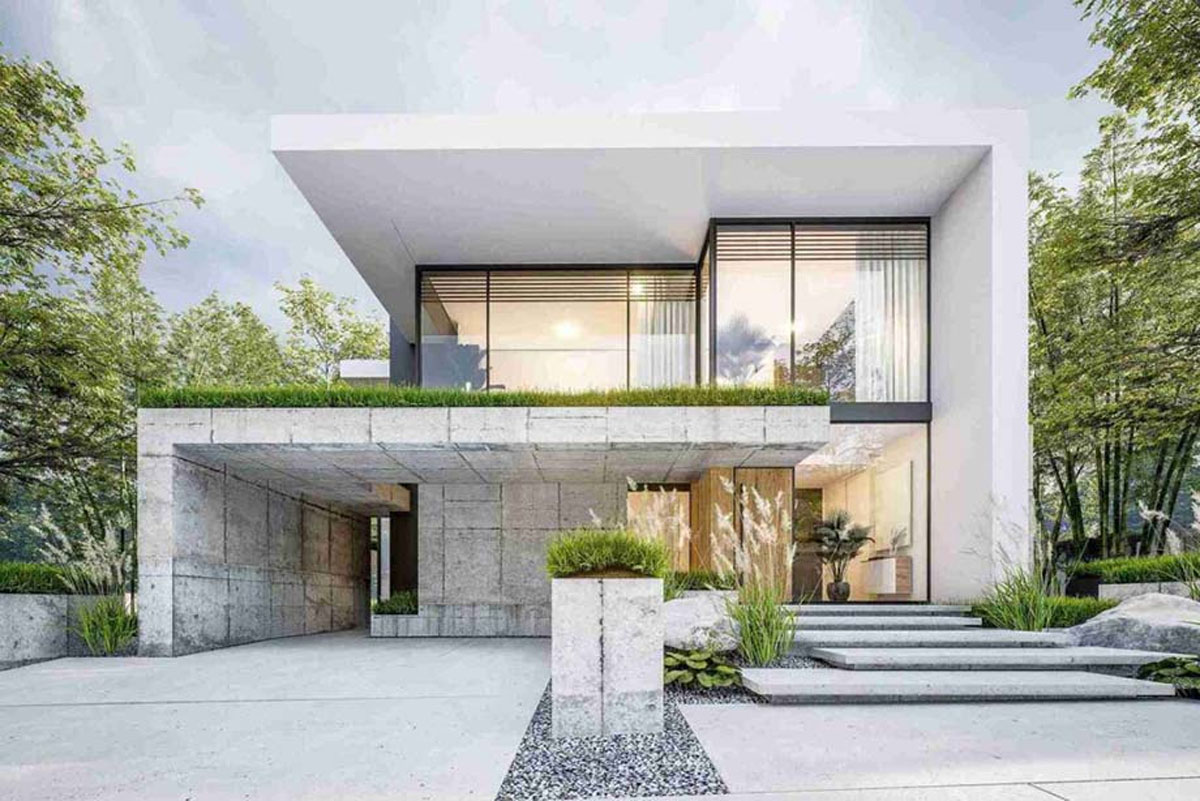

As of 2026, the Australian home renovation market has surged to an impressive valuation of over $48 billion. With total national home improvement spending on track to cross the $51 billion mark by the end of the year, many homeowners are choosing to upgrade their existing properties rather than navigate an increasingly expensive and competitive real estate market. Data from the Housing Industry Association and the Australian Bureau of Statistics confirms that domestic renovation activity has been growing at roughly twice the rate of the broader Australian economy, reflecting a deep shift in how Australians view their living spaces.
While improving street appeal is a common motivation, homeowners are increasingly utilising exterior facade upgrades to future-proof their properties against rising electricity costs and unpredictable weather patterns. Premium, weather-resistant exterior materials are no longer viewed as purely aesthetic choices. Instead, they are treated as long-term financial investments that improve thermal comfort, lower carbon footprints, and protect the structural integrity of the home. When sourcing materials and professional installers for projects like cladding Melbourne, property owners are actively prioritising durable, engineered systems that can easily withstand the varied and often harsh local climate.
The Shift Toward Fabric-First Exterior Design
Achieving modern home energy standards requires a dedicated fabric-first design approach. This construction method places heavy scrutiny on exterior wall assemblies, insulation continuity, and high-performance cladding to prevent heat loss and thermal bridging. Following the significant May 2024 updates to the National Construction Code, all new residential builds and major renovations across most of Australia must achieve a minimum 7-star NatHERS thermal performance rating. This regulatory shift emphasises the importance of an airtight exterior shell.
Reaching this new 7-star rating requires an approximate 25 percent reduction in the energy needed to heat and cool a home compared to the previous 6-star standard. The materials covering the outside of your house play a fundamental role in meeting these ambitious targets. According to the authoritative Australian Government YourHome guide, your choice of cladding systems has a significant effect on your home’s environmental performance, cost, resilience, maintenance requirements, aesthetic appeal, and overall property value. By upgrading older exteriors with modern, thermally efficient materials, homeowners can dramatically decrease their reliance on artificial heating and cooling systems throughout the year.
Navigating Material Safety and Compliance
Beyond thermal performance, safety and regulatory compliance are driving massive changes in how Australian exteriors are designed and built. Cladding Safety Victoria currently manages a $600 million state government program dedicated to identifying, assessing, and rectifying unsafe, combustible exteriors on residential buildings. A July 2024 research report published by the organisation reviewed 1,000 privately owned residential buildings and found that a staggering 72 percent had historically used combustible materials in a non-compliant manner, highlighting a widespread need for safer exterior renovation practices.
Current Victorian building regulations strictly prohibit the use of highly flammable expanded polystyrene and certain aluminium composite panels on specific residential buildings. This stringent regulatory crackdown has rapidly accelerated the popularity of durable, fire-resistant exterior solutions like standing seam metal installations and interlocking architectural panels. Choosing certified, weather-resistant facade systems ensures that the upgrade meets all stringent local compliance standards, preventing future headaches for homeowners and prospective buyers alike.
Under Australian law, builders can carry liability for non-compliant construction for up to seven years. This liability extends to inadequate thermal breaks between structural frames and exterior facades. Because of this legal and financial pressure, both building professionals and property owners are prioritising building materials that offer guaranteed safety, proven longevity, and robust structural protection against the elements.
Popular High-Performance Facade Trends
Recent Houzz Australia exterior design trends highlight a strong consumer shift toward mixed-material facades. By blending high-durability architectural metals with organic textures like charred timber, natural stone, and advanced composites, homeowners can radically modernise their street appeal while maintaining excellent weather resistance. Modernising your facade with a thoughtful mix of these premium products offers several core functional and aesthetic benefits:
- Enhanced Thermal Performance: Dense exterior materials can absorb and store heat, helping to regulate indoor temperatures throughout fluctuating Australian seasons while preventing thermal bridging.
- Superior Moisture Control: Advanced architectural panels often feature built-in drainage cavities that prevent water ingress and protect foundational walls from dampness.
- Strict Fire Resistance: Certified non-combustible metals provide crucial peace of mind in bushfire-prone environments or densely populated urban areas.
- Low Maintenance Requirements: Unlike traditional painted weatherboards, modern metallic and composite facades require minimal ongoing upkeep to retain their visual appeal over decades of use.
Integrating these advanced materials into a broader renovation plan ensures the best possible return on investment. For renovators wanting a deeper dive into protecting their structural shell, exploring a comprehensive guide on home energy efficiency in old houses can provide valuable context on how exterior upgrades work seamlessly together with internal wall insulation and high-performance window sealing to create a tightly sealed, comfortable building envelope.
Making a Long-Term Investment in Your Property
Upgrading your home exterior is about much more than achieving a fresh, contemporary street look. By adopting a proactive fabric-first mentality and selecting high-performance facade materials, you are actively reducing your household energy footprint and protecting your property from harsh, unpredictable weather conditions. As national building codes become stricter and domestic energy costs continue to fluctuate, investing in premium, fully compliant exterior materials remains one of the smartest and most reliable design decisions a forward-thinking homeowner can make today.