
11 Roofing Materials: Minimum Maintenance and Repairs

Roofing is considered as materials, structure, and systems installed on the top of a building to protect the interior from weather elements such as rain, sunlight, wind, snow, and temperature extremes.
These are the 11 most used roofing materials for a roof
- PVC roofing
- TPO roofing
- EPDM rubber roofing
- Composite shingle roofing
- Standing seam metal roofing
- Corrugated metal roofing
- Stone-coated steel roofing
- Clay tile roofing
- Concrete tile roofing
- Slate tile roofing
- Synthetic slate roofing
The main goal of roofing is to provide durability, insulation, waterproofing, and long-term protection for the building and its occupants. Before you choose a roofing, you should consider the weather resistance of the roofing, the waterproofing capability of the roofing, the insulation capability, the material type, the required slope/gradient, and maintenance.
More than that, Aqviz experts highly recommend that you to pay attention to fire-resistant, solar panels integration, vegetation, UV resistance, and energy efficiency of the roofing. These properties will help you to choose the best efficient and durable roofing always.
1. PVC Roofing
A PVC roofing is a single-ply membrane roofing system made from polyvinyl chloride, known for its flexibility, chemical resistance, and welded seam integrity. PVC roofing is highly recommended on commercial and flat residential structures where waterproofing and energy efficiency are critical. A PVC roofing offers lightweight, low-slope coverage with strong resistance to water, UV rays, and ponding.
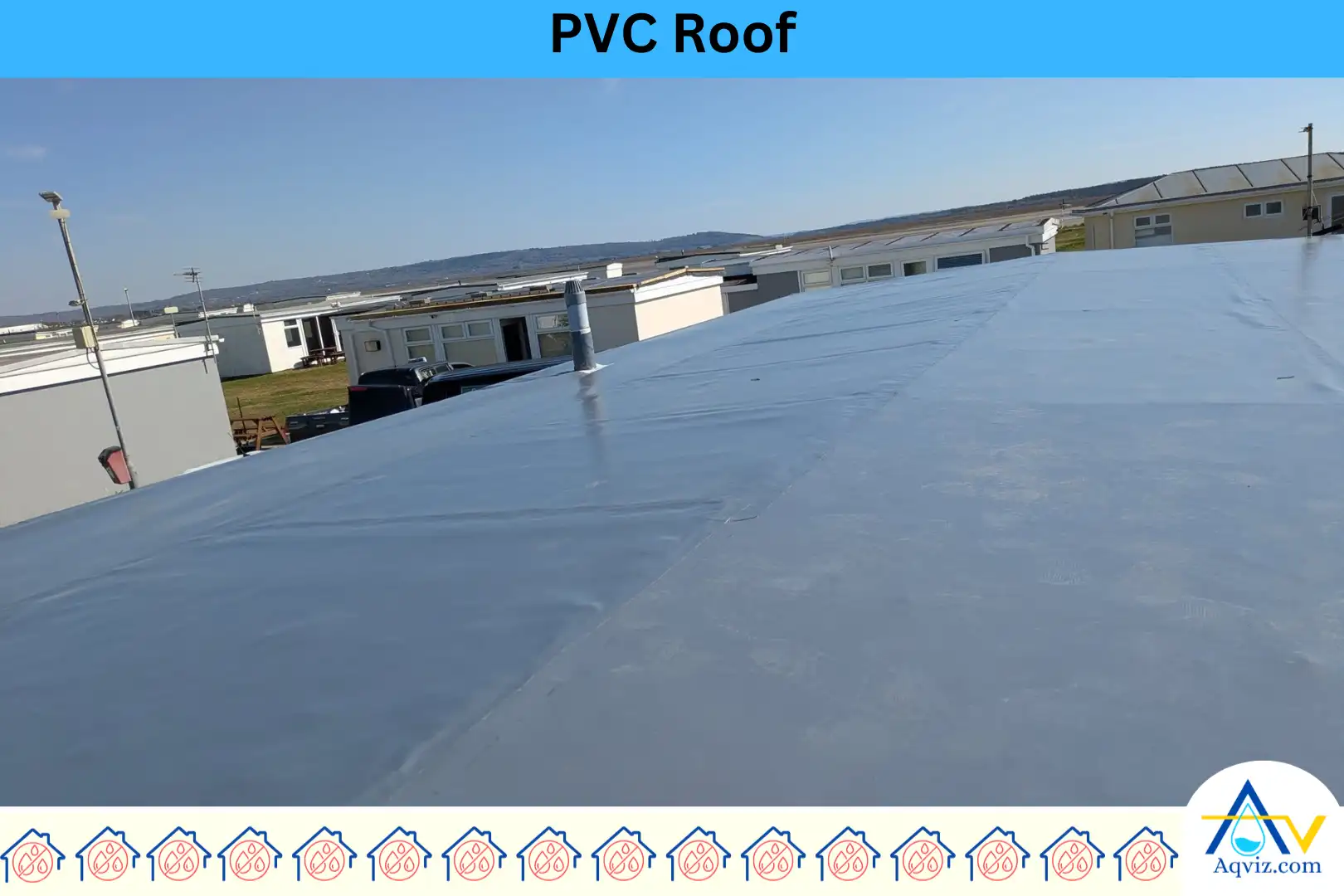
Weather Resistance of PVC Roofing: A PVC roofing withstands sun, wind, and chemical exposure effectively. The membrane remains flexible in varying temperatures and resists UV degradation. While a PVC roofing handles flat-roofing weather challenges better than asphalt systems, it may be less durable under sharp impact than TPO or metal systems.
Waterproofing of PVC Roofing: A PVC roofing offers superior waterproofing performance due to its hot-air welded seams that create a monolithic, watertight surface. We’ve relied on PVC roofing in flat or low-slope designs where water accumulation is a risk. Compared to EPDM, a PVC roofing delivers stronger seam strength and reduced leak potential.
Insulation Capability of PVC Roofing: While the membrane itself doesn’t insulate, we install a PVC roofing over rigid insulation boards like polyiso to achieve strong thermal performance. A PVC roofing reflects up to 90% of sunlight with white or reflective finishes, offering better energy control than EPDM or modified bitumen.
Material Type of PVC Roofing: A PVC roofing is made from polyvinyl chloride plastic, often reinforced with polyester scrim for added strength. This synthetic membrane resists chemicals, grease, and fire. We often recommend PVC roofing in industrial or commercial settings for its durability and ease of repair.
Slope Gradient of PVC Roofing: A PVC roofing performs well on low slopes from 1:12 and above. It’s designed for flat or nearly flat surfaces where traditional shingles or tiles would fail. Proper drainage design is crucial to prevent standing water and maintain membrane integrity.
Maintenance Requirement of PVC Roofing: A PVC roofing requires routine inspections of seams, penetrations, and drainage systems. We clean and check for punctures or seam lift annually. With correct installation and maintenance, a PVC roofing lasts 20-30 years, performing longer than many other flat-roofing membranes.
And also, PVC roofing is fire-resistant, chemically resilient, and compatible with green roofing layers or light solar systems when reinforced. Its bright finish improves energy efficiency, reducing cooling loads in hot climates. A PVC roofing is not self-healing or aesthetic-focused but excels in waterproofing, performance, and environmental adaptability.
2. TPO Roofing
A TPO roofing is a single-ply membrane roofing system made from thermoplastic polyolefin, designed for low-slope and flat roofs. TPO roofings are often installed on residential extensions, commercial buildings, and energy-efficient homes where heat reflection and waterproofing are priorities. A TPO roofing provides an affordable balance between performance, durability, and energy savings, making it one of the most requested flat roofing options in moisture-prone zones.
Weather Resistance of TPO Roofing: A TPO roofing performs well in high heat, UV exposure, and moderate wind. Its flexible membrane resists cracking and thermal expansion. However, a TPO roofing may degrade faster in extreme cold or under sustained ponding when compared to PVC or modified bitumen systems.
Waterproofing of TPO Roofing: A TPO roofing offers excellent waterproofing when installed with hot-air welded seams that fuse the membrane into a single, watertight layer. At Aqviz, we’ve trusted the seam integrity of a TPO roofing in areas prone to standing water. Though durable, a TPO roofing requires precise detailing at drains and penetrations to prevent leaks over time.
Insulation Capability of TPO Roofing: A TPO roofing does not insulate on its own but reflects up to 85-90% of sunlight due to its bright white surface. When we install a TPO roofing over rigid insulation boards like polyiso, it delivers high thermal performance and contributes to lower cooling loads than dark-colored roofing options.
Material Type of TPO Roofing: Each TPO roofing is made from a blend of polypropylene and ethylene-propylene rubber, reinforced with polyester fabric for strength. This flexible membrane resists chemicals, grease, and UV damage, and it’s fully recyclable, making TPO roofing a sustainable roofing choice.
Slope Gradient of TPO Roofing: We recommend a minimum slope of 1:12 for installing a TPO roofing. A proper slope ensures effective drainage and avoids prolonged ponding, which can damage seams or lead to membrane fatigue over time.
Maintenance Requirement of TPO Roofing: A TPO roofing needs annual inspections of seams, flashings, and drainage areas. We clean the membrane surface to maintain reflectivity and check for punctures or seam lifting. With good maintenance, a TPO roofing lasts 20-30 years, offering cost-effective performance for flat roof applications.
Additionally, the TPO roofing is fire-resistant, energy-efficient, and ideal for green roofing systems or solar panel installations. While it lacks aesthetic customization, a TPO roofing offers strong environmental value and excellent performance in water-sensitive flat roof structures.
3. EPDM Rubber Roofing
An EPDM rubber roofing is a single-ply roofing membrane made from ethylene propylene diene monomer, a synthetic rubber material known for its flexibility and UV resistance. Aqviz, we highly recommend EPDM rubber roofing primarily on flat or low-slope residential extensions and commercial buildings. An EPDM rubber roofing is an affordable, long-lasting option that performs well in areas with temperature swings and moderate rainfall, offering reliable waterproofing at a low cost.
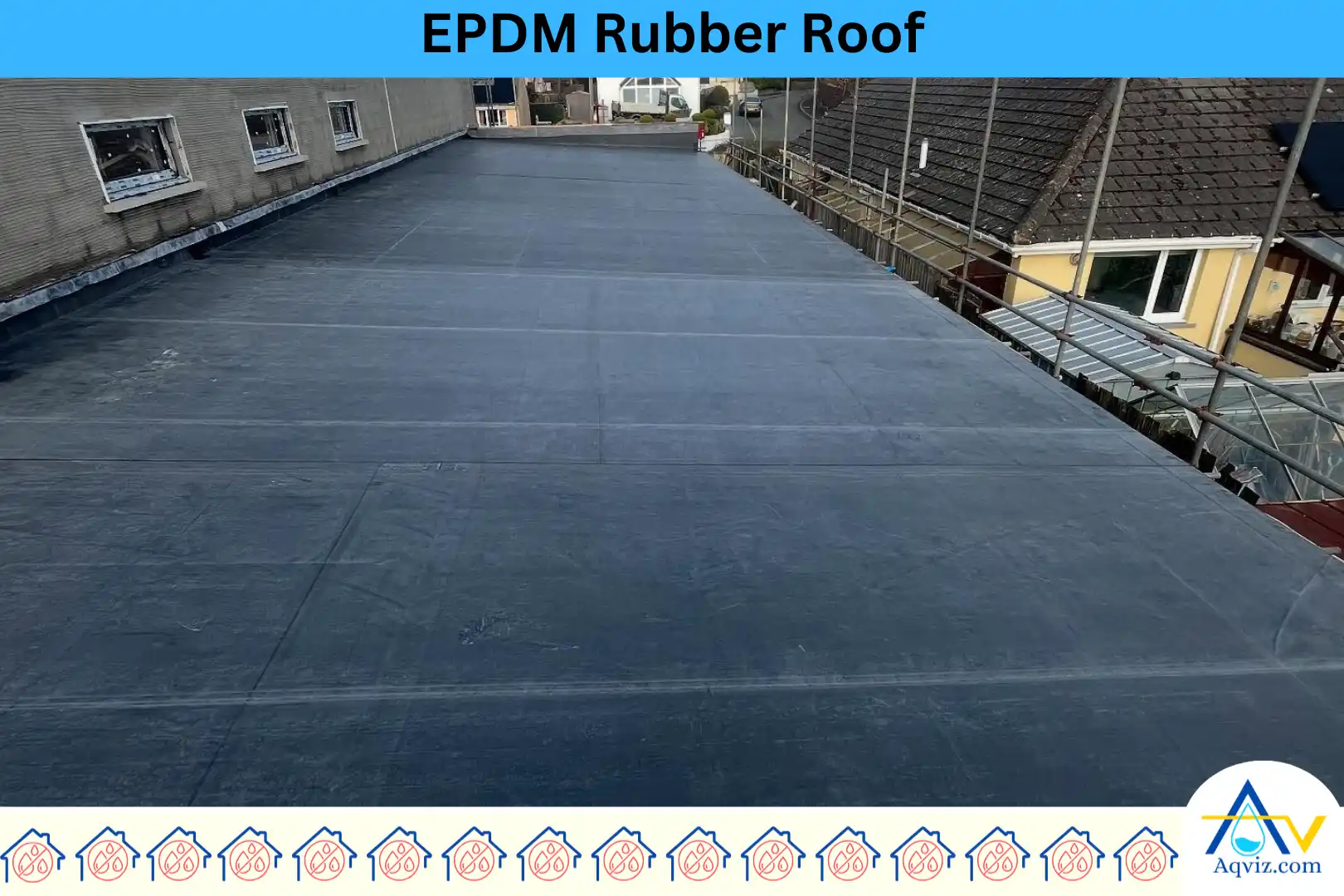
Weather Resistance of EPDM Rubber Roofing: An EPDM rubber roofing holds up well in UV exposure, freeze-thaw cycles, and moderate wind. Its elasticity allows it to expand and contract without cracking. However, an EPDM rubber roofing may be less impact-resistant compared to TPO or PVC, especially in hail-prone areas or where sharp debris is a concern.
Waterproofing of EPDM Rubber Roofing: An EPDM rubber roofing delivers strong waterproofing through its seamless, large-sheet installation. We typically use adhesives and seam tapes to seal overlaps, but these joints are more vulnerable than heat-welded systems like PVC. With proper installation and detailing, an EPDM rubber roofing keeps interiors dry and leak-free, even on low-pitch structures.
Insulation Capability of EPDM Rubber Roofing: While the membrane itself does not insulate, we install an EPDM rubber roofing over polyiso or EPS insulation boards to enhance energy performance. A black EPDM rubber roofing absorbs heat, which benefits colder regions but may increase cooling loads in warmer climates unless paired with adequate insulation.
Material Type of EPDM Rubber Roofing: Each EPDM rubber roofing consists of synthetic rubber compound sheets available in 45 mil to 90 mil thicknesses. The membrane resists ozone, UV rays, and chemical damage. A fully adhered or ballasted EPDM rubber roofing is flexible, easy to repair, and recyclable at the end of its life cycle.
Slope Gradient of EPDM Rubber Roofing: We recommend installing an EPDM rubber roofing on slopes of 1:12 or greater to ensure effective drainage. Though designed for flat roofs, positive slope and proper drain placement are essential to prevent ponding and membrane fatigue over time.
Maintenance Requirement of EPDM Rubber Roofing: An EPDM rubber roofing requires regular inspection of seams, flashings, and rooftop equipment. We clean and reseal joints as needed to maintain waterproof integrity. With consistent maintenance, an EPDM rubber roofing offers a service life of 20-30 years, making it a practical choice for budget-conscious flat roof applications.
An EPDM rubber roofing is fire-resistant, lightweight, and offers flexibility ideal for expansion joints or rooftop movement. While it’s not compatible with solar panels without additional anchoring systems, an EPDM rubber roofing remains a cost-effective, proven solution for low-slope, water-sensitive roofing needs.
4. Composite Shingle Roofing
A composite shingle roofing is a modern roofing system made from a blend of asphalt, fiberglass, recycled plastics, or synthetic materials engineered to mimic the look of wood, slate, or traditional shingles. At Aqviz, we install composite shingle roofing on homes where appearance, affordability, and moderate durability are top priorities. A composite shingle roofing provides balanced protection with simplified installation and wide style variety, making it a popular roofing choice for residential homeowners.
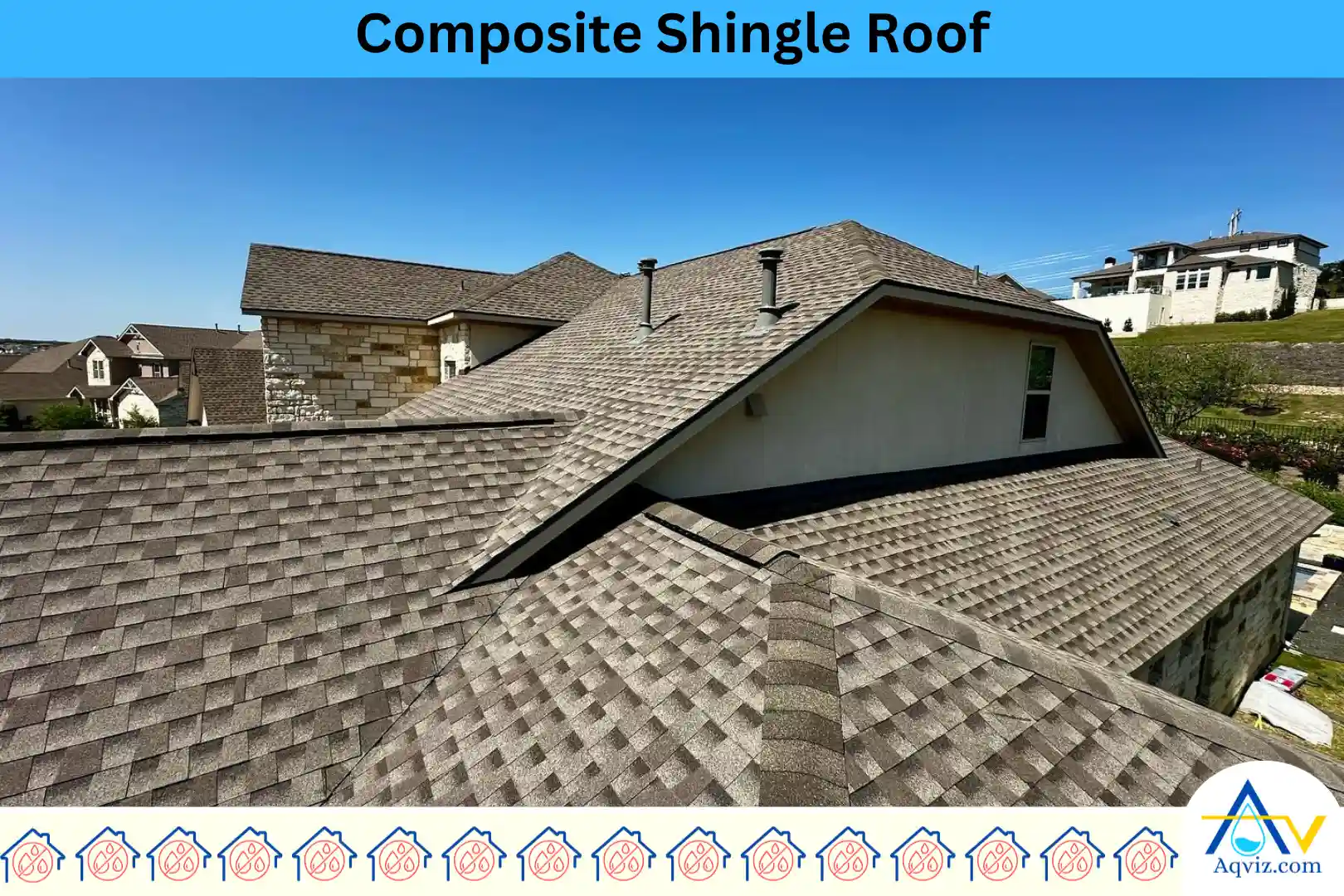
Weather Resistance of Composite Shingle Roofing: A composite shingle roofing resists UV rays, moderate wind, and rain fairly well. Premium-grade composite shingles withstand wind speeds up to 110-130 mph (177-209 km/h). While a composite shingle roofing performs better than traditional asphalt shingles, it offers less resilience than metal or slate under severe weather events.
Waterproofing of Composite Shingle Roofing: A composite shingle roofing uses an overlapping design with underlayment to shed water effectively. If installed properly with flashing and ridge protection, a composite shingle roofing prevents leaks in moderate rain. However, it’s more vulnerable to water intrusion at joints and edges compared to seamless systems like PVC or standing seam metal roofs.
Insulation Capability of Composite Shingle Roofing: A composite shingle roofing offers limited natural insulation but can support a well-insulated attic system beneath. With radiant barriers and ventilation, a composite shingle roofing helps regulate indoor temperatures better than asphalt but not as effectively as tile or reflective metal roofing systems.
Material Type of Composite Shingle Roofing: Each composite shingle roofing is made from synthetic blends of fiberglass, recycled rubber, asphalt, or polymer. These engineered materials resist warping, cracking, and fading while maintaining a lightweight structure. Some high-end composite shingles replicate the texture and color of slate or cedar shakes with impressive detail.
Slope Gradient of Composite Shingle Roofing: We recommend slopes of 4:12 or greater for installing a composite shingle roofing to maintain water runoff and wind resistance. Flatter slopes may require special detailing to prevent seepage and pooling at valleys or penetrations.
Maintenance Requirement of Composite Shingle Roofs: A composite shingle roofing requires periodic inspection for granule loss, edge lifting, or flashing wear. With seasonal cleaning and timely repairs, a composite shingle roofing can last 30-50 years, especially with higher-grade material lines and professional installation.
A composite shingle roofing is fire-resistant, offers good flexibility, and suits solar panel installation with minimal reinforcement. While it lacks self-healing or high-end energy efficiency, a composite shingle roofing provides aesthetic versatility, lower upfront costs, and dependable protection in water-sensitive roofing applications.
5. Standing Seam Metal Roofing
A standing seam metal roofing is a premium roofing system made of vertical metal panels that interlock through raised seams or “legs” that stand above the flat roof surface. Standing seam metal roofs are highly recommended on both residential and commercial buildings, especially in climates prone to heavy rain, high winds, and snow. A standing seam metal roofing is engineered to offer long-term durability with minimal maintenance, making it one of the best low-impact options for water-related roofing issues.
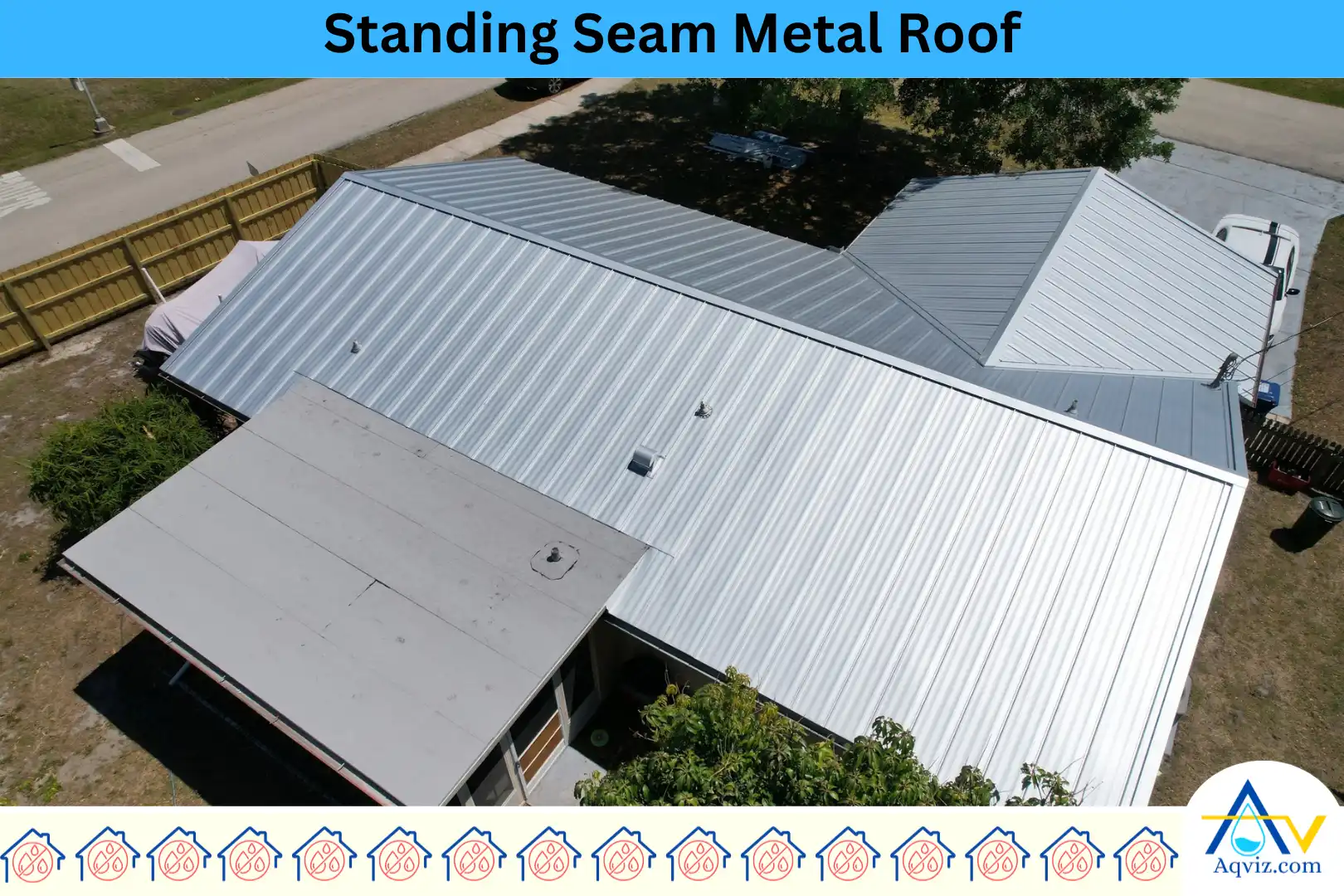
Weather Resistance of Standing Seam Metal Roofing: A standing seam metal roofing resists wind, snow, and hail impact with outstanding performance in bad weather conditions. The interlocking seams and hidden fasteners of a standing seam metal roofing blocks wind uplift and eliminate cracking or curling, outperforming shingles and tiles in harsh weather zones.
Waterproofing of Standing Seam Metal Roofing: The raised seams and concealed fasteners on a standing seam metal roofing stops water from pooling or leaking through. Unlike EPDM or TPO roofing systems, this roofing type reduces weak points and delivers long-term waterproof protection.
Insulation Capability of Standing Seam Metal Roofing: When we pair a standing seam metal roofing with rigid insulation or radiant barriers, it helps regulate indoor temperatures efficiently. A cool roof coating on this roofing boosts heat reflection, outperforming tile roofs in thermal control.
Material Type of Standing Seam Metal Roofing: Standing seam metal roofs are made from galvanized steel, aluminum, or zinc coated with Kynar 500 to ensure long-term durability. Each standing seam metal roofing resists corrosion, adds structural strength, and maintains its appearance for decades.
Slope Gradient of Standing Seam Metal Roofing: We recommend a slope between 3:12 and 12:12 for each standing seam metal roofing to ensure rapid water drainage. This pitch helps a standing seam metal roofing remove snow faster than flatter roofing systems like TPO.
Maintenance Requirements of Standing Seam Metal Roofing: A standing seam metal roofing requires minimal maintenance. Hence, it should be checked annually for cracks, molds, moss, or any broken components. A well-maintained standing seam metal roofing lasts 40-70 years with basic upkeep.
More than that, a standing seam metal roofing is fire-resistant, compatible with solar panel integration, and offers sleek aesthetic appeal for modern and traditional designs. The reflective coating on a standing seam metal roofing improves energy efficiency, reducing cooling loads by up to 25% in summer.
6. Corrugated Metal Roofing
A corrugated metal roofing is a lightweight roofing system made of metal sheets with a wavy or ribbed pattern that increases structural strength. Corrugated metal roofs are highly recommended on homes, sheds, and agricultural buildings due to affordability, water shedding, and longevity. A corrugated metal roofing offers solid performance in rain-heavy regions, with easy installation and lower upfront costs compared to standing seam systems.
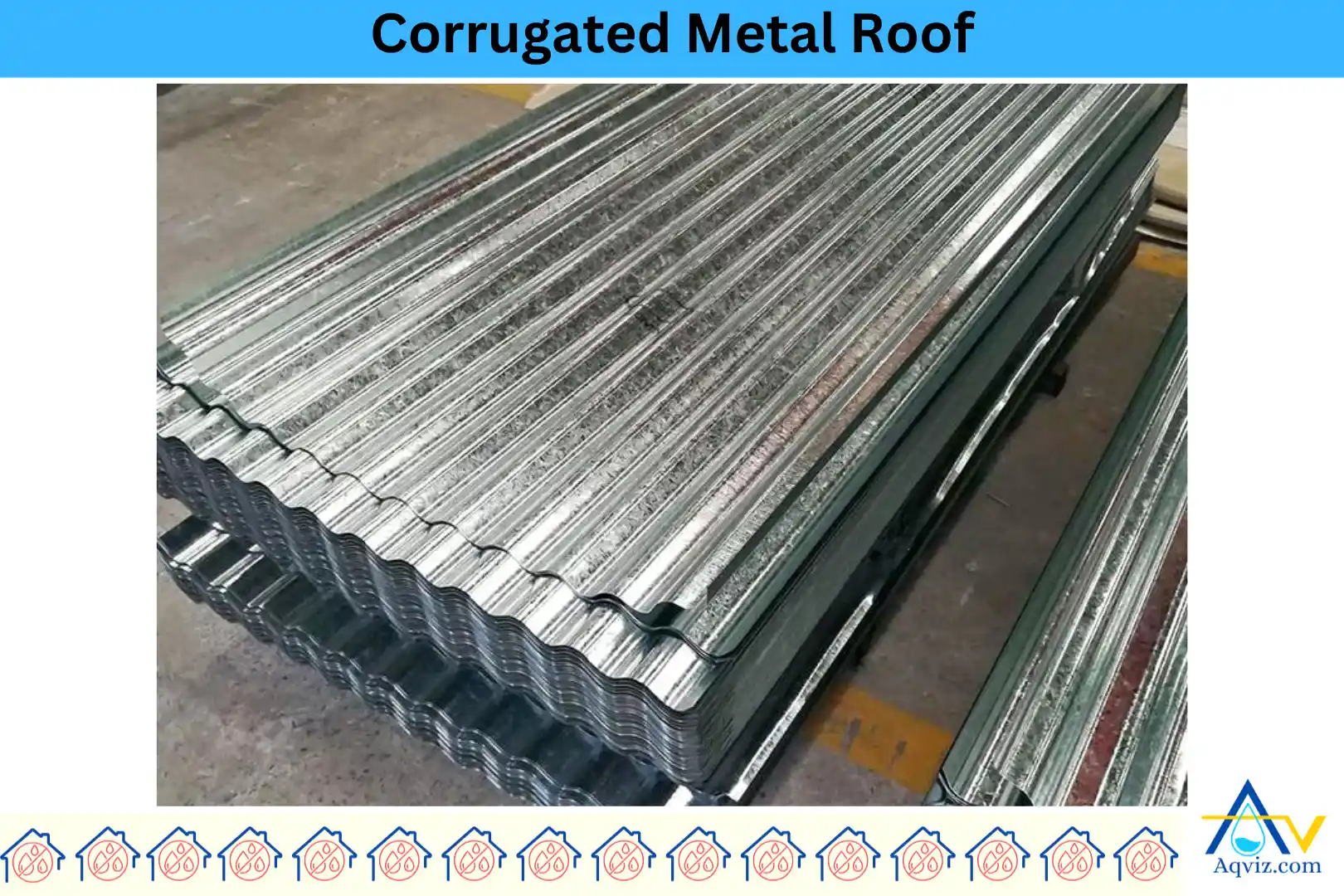
Weather Resistance of Corrugated Metal Roofing: A corrugated metal roofing resists wind, rain, and UV exposure well, though it performs slightly below a standing seam metal roofing in extreme weather. The exposed fasteners make a corrugated metal roofing more vulnerable to wind uplift and water seepage if not properly installed and sealed on the roof structure.
Waterproofing of Corrugated Metal Roofing: A corrugated metal roofing sheds water efficiently due to its sloped channels and ribbed profile. However, its exposed fastener system creates more potential leak points than standing seam systems. We recommend sealing washers and regular inspections to maintain the waterproofing capability of a corrugated metal roof.
Insulation Capability of Corrugated Metal Roofing: A corrugated metal roofing provides limited natural insulation but reflects sunlight effectively when coated with reflective paint. When installed with rigid foam or radiant barriers, a corrugated metal roofing offers decent thermal performance, though not as strong as insulated single-ply membranes or ventilated tile systems.
Material Type of Corrugated Metal Roofing: Each corrugated metal roofing is made from galvanized steel, aluminum, or galvalume coated with protective finishes to prevent rust and corrosion. The material is lightweight, durable, and recyclable, making corrugated metal roofing ideal for both rural and residential use.
Slope Gradient of Corrugated Metal Roofing: We recommend maintaining a slope of 3:12 or greater to allow a corrugated metal roofing to shed water efficiently. Shallow slopes increase the risk of water intrusion around fasteners and overlaps, reducing the roof’s service life.
Maintenance Requirement of Corrugated Metal Roofing: A corrugated metal roofing requires occasional inspection of screws, washers, and sealants. Fastener movement on corrugated metal roofs from thermal expansion can create gaps, so we check annually for leaks or corrosion. With proper care, a corrugated metal roofing lasts 25-50 years, depending on the metal type and coating.
As well as corrugated metal roofing is fire-resistant, recyclable and compatible with solar panel mounting systems. While it lacks the sleek look of a standing seam system, corrugated metal roofing provides energy efficiency, fast installation, and low maintenance for homeowners needing reliable water protection without high cost.
7. Stone-Coated Steel Roofing
A stone-coated steel roofing is a metal roofing system coated with a layer of stone granules bonded to the steel surface with acrylic film. Stone-coated steel roofing is recommended for homeowners who want the durability of metal with the visual appeal of shingles, tiles, or shakes. A stone-coated steel roofing combines strength, aesthetics, and excellent water performance, making it ideal for storm-prone and high-moisture regions.
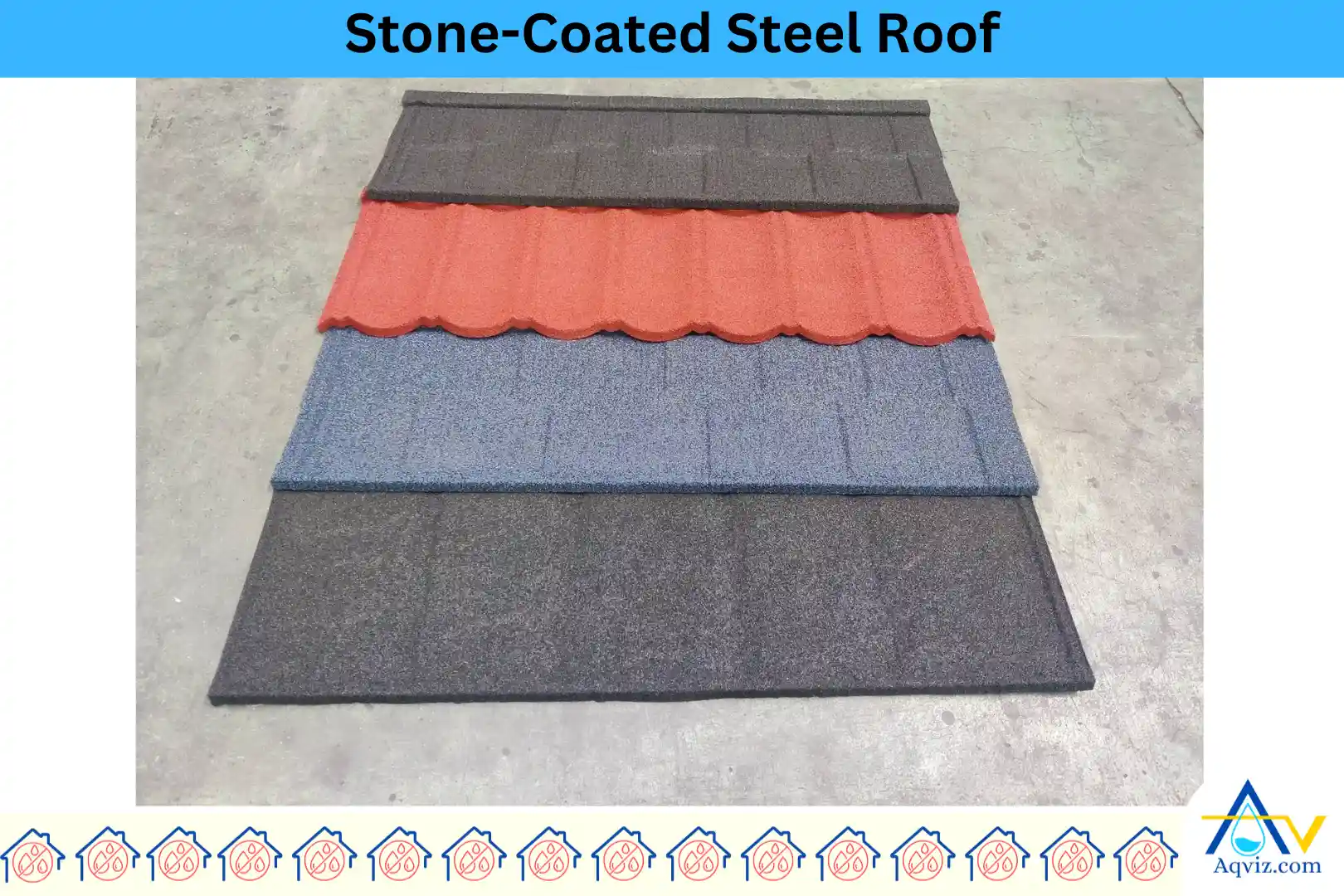
Weather Resistance of Stone-Coated Steel Roofing: A stone-coated steel roofing withstands hail, wind, and heavy rain with superior strength. It resists cracking, curling, and fading better than asphalt or clay tiles. We’ve seen a stone-coated steel roofing outperform many traditional systems in hurricane-prone zones, maintaining integrity even under wind speeds up to 120 mph (193 km/h).
Waterproofing of Stone-Coated Steel Roofing: A stone-coated steel roofing sheds water efficiently due to its interlocking panels and concealed fastening system. The overlapping design of stone-coated steel roofing prevents water penetration, similar to standing seam systems. Compared to traditional shingles, a stone-coated steel roofing drastically reduces leak risks, even on complex roof geometries.
Insulation Capability of Stone-Coated Steel Roofing: A stone-coated steel roofing reflects radiant heat and, when installed with batten systems, allows airspace beneath the panels for thermal regulation. A stone-coated steel roofing offers better energy performance than bare metal or asphalt due to the added granule layer and reflective coatings.
Material Type of Stone-Coated Steel Roofing: Each stone-coated steel roofing is made from galvanized or galvalume steel panels coated with stone chips and an acrylic binder. This fusion of metal and stone resists rust, UV rays, and impact. A stone-coated steel roofing offers the lifespan of metal with the appearance of natural roofing materials.
Slope Gradient of Stone-Coated Steel Roofing: We recommend installing a stone-coated steel roofing on slopes of 3:12 or greater to ensure proper drainage and panel alignment. A steeper slope improves water runoff and prevents granule erosion, although adaptable to complex roof shapes.
Maintenance Requirements of Stone-Coated Steel Roofing: A stone-coated steel roofing requires minimal maintenance. We inspect panel locks, flashings, and ridge caps once a year. The surface resists moss and algae, reducing cleaning needs. A stone-coated steel roofing lasts 40-70 years without major repairs and maintenance.
Not only that stone-coated steel roofing is fire-resistant, lightweight, and compatible with solar panel systems. It offers a strong aesthetic appeal that mimics traditional roofing while delivering the durability and efficiency of metal. While it’s not self-healing or color-changing, a stone-coated steel roofing supports long-term performance in moisture-sensitive roofing environments.
8. Clay Tile Roof
A clay tile roofing is a traditional roofing system made from molded natural clay, baked at high temperatures to create hardened, durable tiles. Clay tile roofings are highly recommended across various residential properties, especially in hot, arid, and coastal regions where their performance stands out. A clay tile roofing offers a naturally elegant look and excellent resistance to heat, pests, and UV exposure.
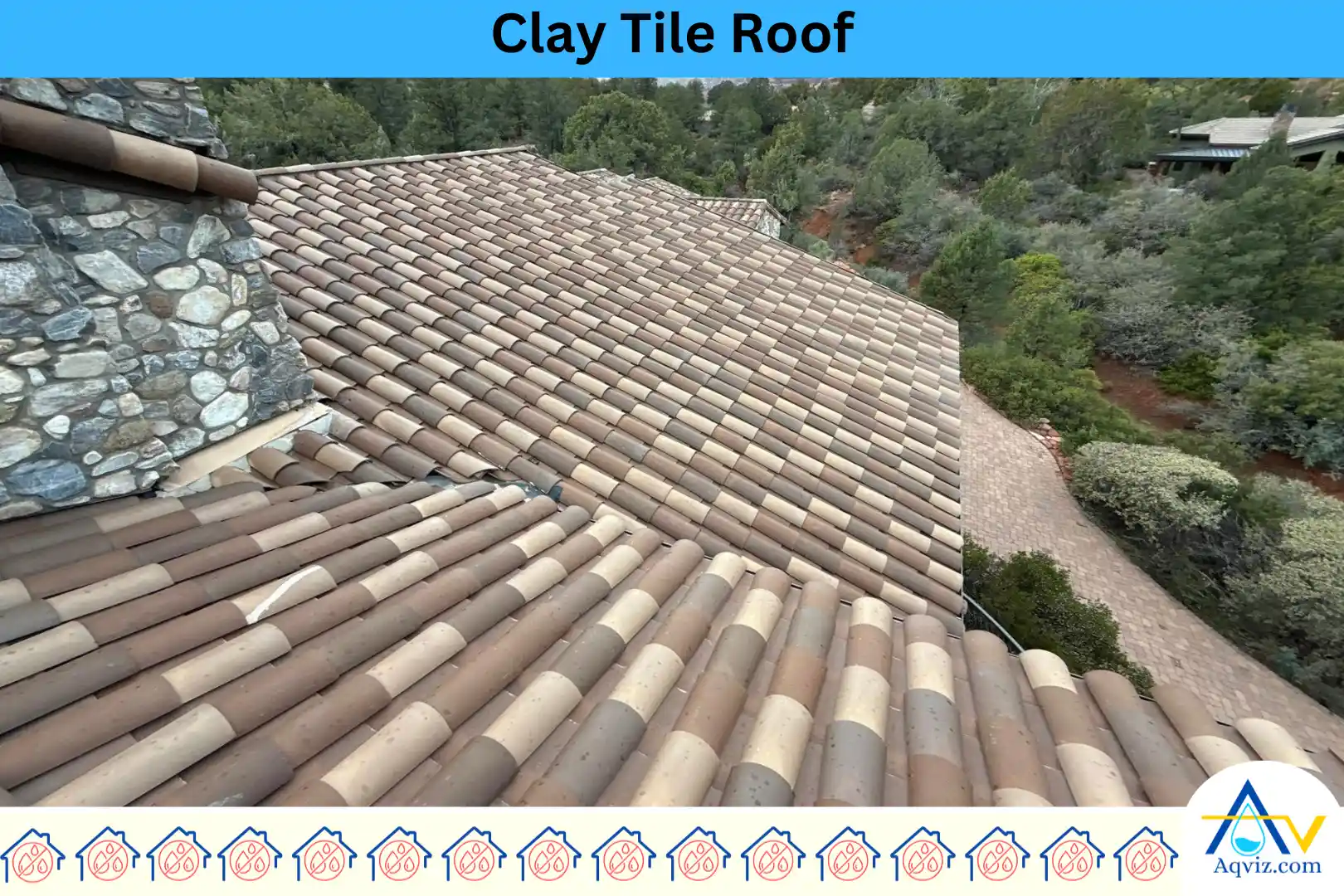
Weather Resistance of Clay Tile Roofing: A clay tile roofing system withstands intense sun, salt air, and high temperatures better than most roofing systems. The dense and fired clay composition of a clay tile roofing resists fading, warping, and deterioration. While a clay tile roofing handles heat well, it is more prone to breakage under hail or during heavy storms compared to metal or synthetic systems.
Waterproofing of Clay Tile Roofing: A clay tile roofing itself is water-shedding, not fully waterproof. The roofing system relies on an underlayment beneath the tiles to prevent water penetration. If installed correctly with proper overlap and flashing, a clay tile roofing offers reliable water protection, though it may allow minor seepage if cracked or improperly aligned, especially when compared to monolithic membranes.
Insulation Capability of Clay Tile Roofing: A clay tile roofing naturally reflects sunlight and allows air circulation beneath the tiles, which improves thermal insulation. This ventilation layer reduces attic heat buildup and offers better performance than asphalt shingles but slightly less energy control than insulated metal or membrane systems with radiant barriers.
Material Type of Clay Tile Roofing: Each clay tile roofing is crafted from natural clay and kiln-fired for strength. The material is heavy but non-combustible, chemically stable, and environmentally friendly. Some clay tile roofs are coated with ceramic glaze for added color retention and surface hardness.
Slope Gradient of Clay Tile Roofing: We recommend installing a clay tile roofing on slopes of 4:12 or greater. A steeper pitch helps a clay tile roofing shed water effectively and prevents water accumulation beneath the tiles. Low-slope applications can lead to increased leak risks if not properly detailed with waterproof underlayment.
Maintenance Requirement of Clay Tile Roofing: More than that clay tile roofing requires periodic inspections to identify and replace broken or shifted tiles. We recommend checking annually for displaced tiles, flashing issues, or underlayment degradation. A clay tile roofing can last 50-100 years with proper care and maintenance.
More than that a clay tile roofing is fire-resistant, highly durable under UV exposure, and offers timeless aesthetic appeal for Mediterranean, Spanish, and Mission-style architecture. While a clay tile roofing is not flexible or self-healing, its natural composition and longevity support green building goals. A clay tile roofing is not suitable for solar panel integration without structural reinforcement due to its weight and tile fragility.
9. Concrete Tile Roofing
A concrete tile roofing is a roofing system composed of molded sand, cement, and water, formed under pressure and heat to create rigid, durable tiles. At Aqviz, we’ve installed many concrete tile roofs for homeowners seeking a cost-effective alternative to clay or slate with reliable performance. A concrete tile roofing offers strength, weather resistance, and longevity, making it a smart option for areas dealing with heavy rain and high moisture levels.
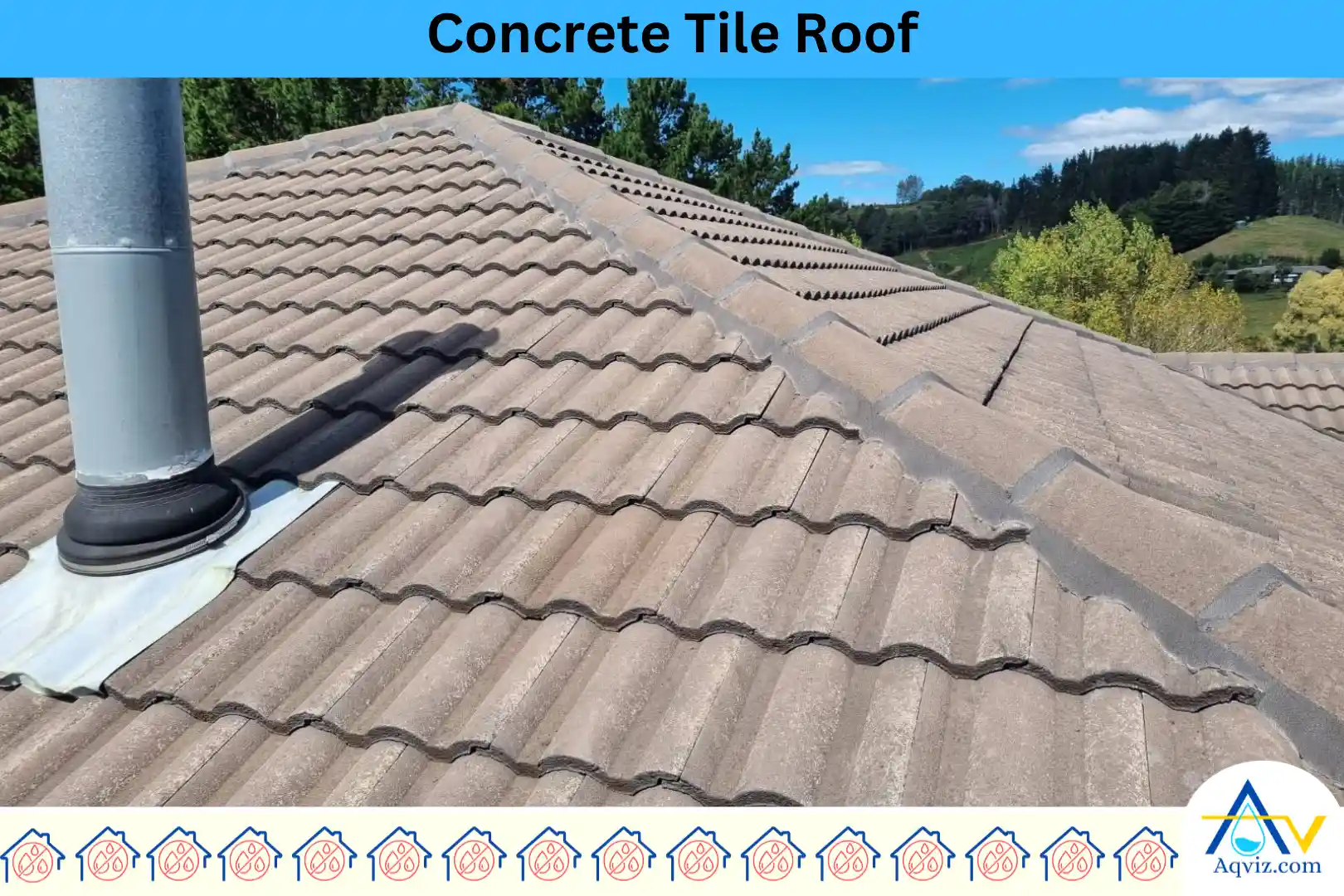
Weather Resistance of Concrete Tile Roofing: A concrete tile roofing handles wind, UV rays, and temperature swings well. It resists rot, fire, and insect damage, though it may absorb more water than clay or slate. Compared to asphalt or composite shingles, a concrete tile roofing offers far better durability in extreme climates but can be prone to cracking under impact.
Waterproofing of Concrete Tile Roofing: A concrete tile roofing is water-shedding, not waterproof by itself. A concrete tile roofing system requires quality waterproof underlayment and proper tile overlapping. If installed with correct flashing and ventilation, a concrete tile roofing protects against water intrusion as reliably as a clay tile roofing, though it requires more attention to prevent water absorption through porous tiles.
Insulation Capability of Concrete Tile Roofing: A concrete tile roofing provides thermal mass, helping stabilize indoor temperatures by absorbing and slowly releasing heat. Though less reflective than metal or PVC, a concrete tile roofing offers better insulation value than asphalt shingles when paired with proper attic ventilation and radiant barriers.
Material Type of Concrete Tile Roofing: Each concrete tile roofing is composed of sand, Portland cement, and water, often coated with synthetic finishes or pigments for enhanced color retention. The material is dense, heavy, non-combustible, and can mimic the appearance of slate, wood, or clay, offering both function and style.
Slope Gradient of Concrete Tile Roofing: Concrete tile roofing require slopes of 4:12 or higher for installing a concrete tile roofing to ensure proper water runoff and prevent leaks. A lower slope increases water pooling risk and requires additional waterproof detailing.
Maintenance Requirements of Concrete Tile Roofing: A concrete tile roofing needs regular inspection for cracked or displaced tiles. We advise homeowners to check flashings, sealants, and gutters annually. With proper care, a concrete tile roofing lasts 40-75 years , though its weight and fragility demand careful maintenance.
As well as concrete tile roofing is fire-resistant, recyclable, and blends well with solar panels when mounted correctly. While not self-healing or flexible, a concrete tile roofing offers strong aesthetic appeal, moderate energy efficiency, and a wide range of design finishes, making it a versatile choice in water-sensitive environments.
10. Slate Tile Roof
A slate tile roofing is a premium roofing system made from natural stone, split and cut into flat, durable tiles. Slate tile roofs are highly recommended on high-end residential properties where both longevity and elegance are needed. A slate tile roofing offers unmatched natural beauty, extreme durability, and resistance to environmental stressors, making it one of the most long-lasting and low water-impact roofing choices available.
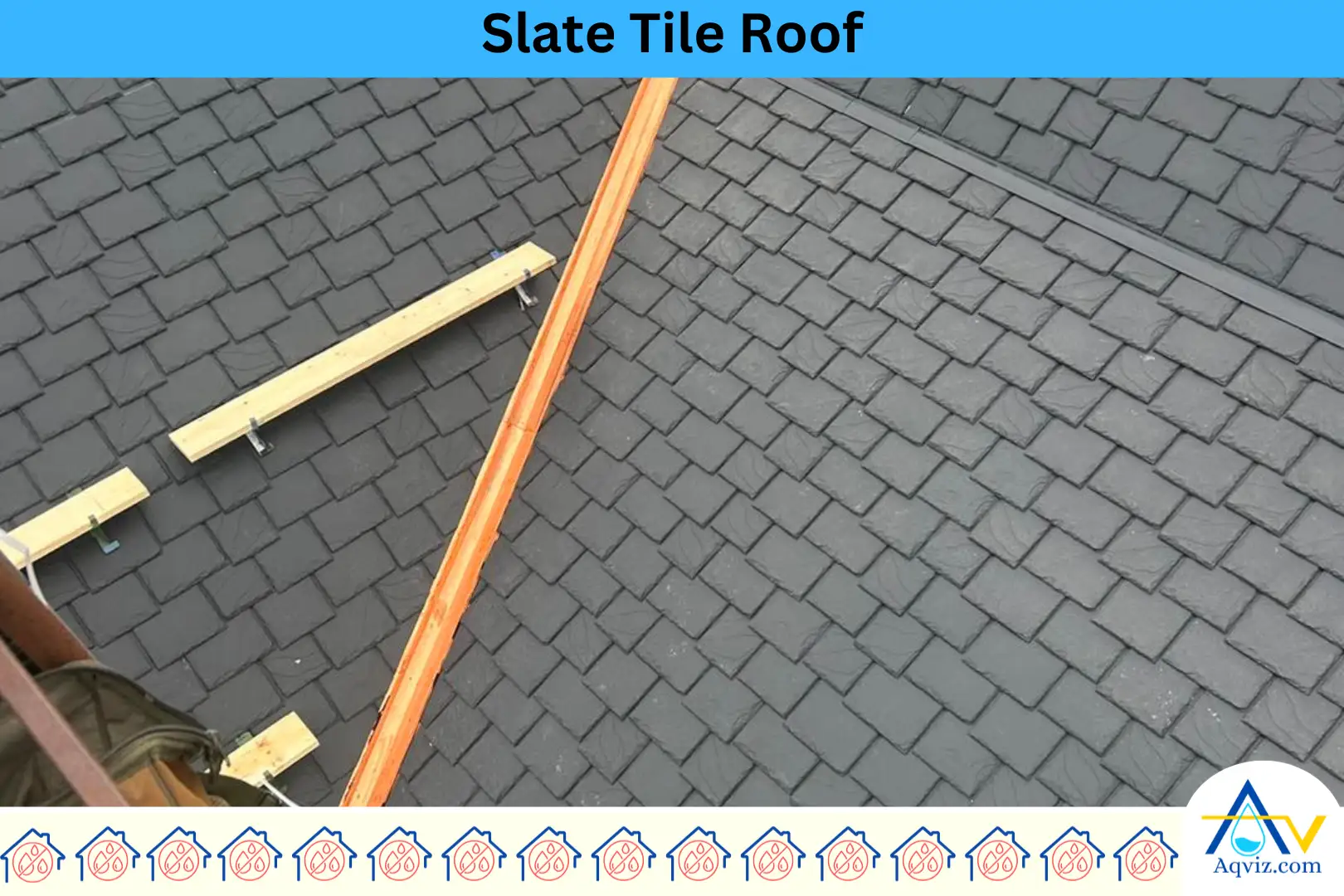
Weather Resistance of Slate Tile Roofing: A slate tile roofing provides exceptional resistance to snow, wind, and temperature fluctuations. Natural stone withstands extreme cold and heat without expanding or deteriorating. A slate tile roofing outperforms most roofing systems in storm resistance, but it can crack under severe impact, similar to clay tiles.
Waterproofing of Slate Tile Roofing: A slate tile roofing sheds water efficiently due to its overlapping pattern, but like clay tiles, it depends on a high-quality underlayment for full waterproofing. If installed with correct slope, flashing, and underlayment, a slate tile roofing offers reliable protection against leaks for over a century.
Insulation Capability of Slate Tile Roofing: A slate tile roofing has low thermal conductivity and naturally helps regulate indoor temperatures. While it doesn’t insulate as actively as foam or reflective coatings, its mass helps stabilize interior temperatures better than asphalt shingles or synthetic materials.
Material Type of Slate Tile Roofing: Each slate tile roofing is made from fine-grained metamorphic rock, cut and split into uniform tiles. This natural stone is dense, fireproof, non-porous, and resistant to rot, mold, and insects. A slate tile roofing is one of the most environmentally friendly roofing materials due to its longevity and minimal processing.
Slope Gradient of Slate Tile Roofing: We recommend a slope of 4:12 or higher for installing a slate tile roofing to promote proper water runoff and prevent seepage. A low slope increases water backup risk and reduces the performance lifespan of the slate tile roofing.
Maintenance Requirement of Slate Tile Roofing: A slate tile roofing requires occasional inspections to identify and replace cracked or slipped tiles. We advise checking flashings, gutters, and underlayment every few years. A well-maintained slate tile roofing lasts 75-150 years, often outliving the structure it covers.
A slate tile roofing is naturally fire-resistant, chemically inert, and visually striking, offering high-end curb appeal for luxury homes. Though not flexible or solar-friendly due to its weight and fragility, a slate tile roofing provides long-term energy savings, reduces environmental impact, and maintains its color and shape for decades without fading.
11. Synthetic Slate Roofing
A synthetic slate roofing is a lightweight roofing system made from engineered polymers, recycled rubber, or plastic, molded to resemble natural slate tiles. We recommend a synthetic slate roofing for homeowners seeking the upscale appearance of real slate without the structural burden or cost. A synthetic slate roofing delivers impressive durability, water resistance, and visual appeal, making it ideal for homes in both wet and storm-prone regions.
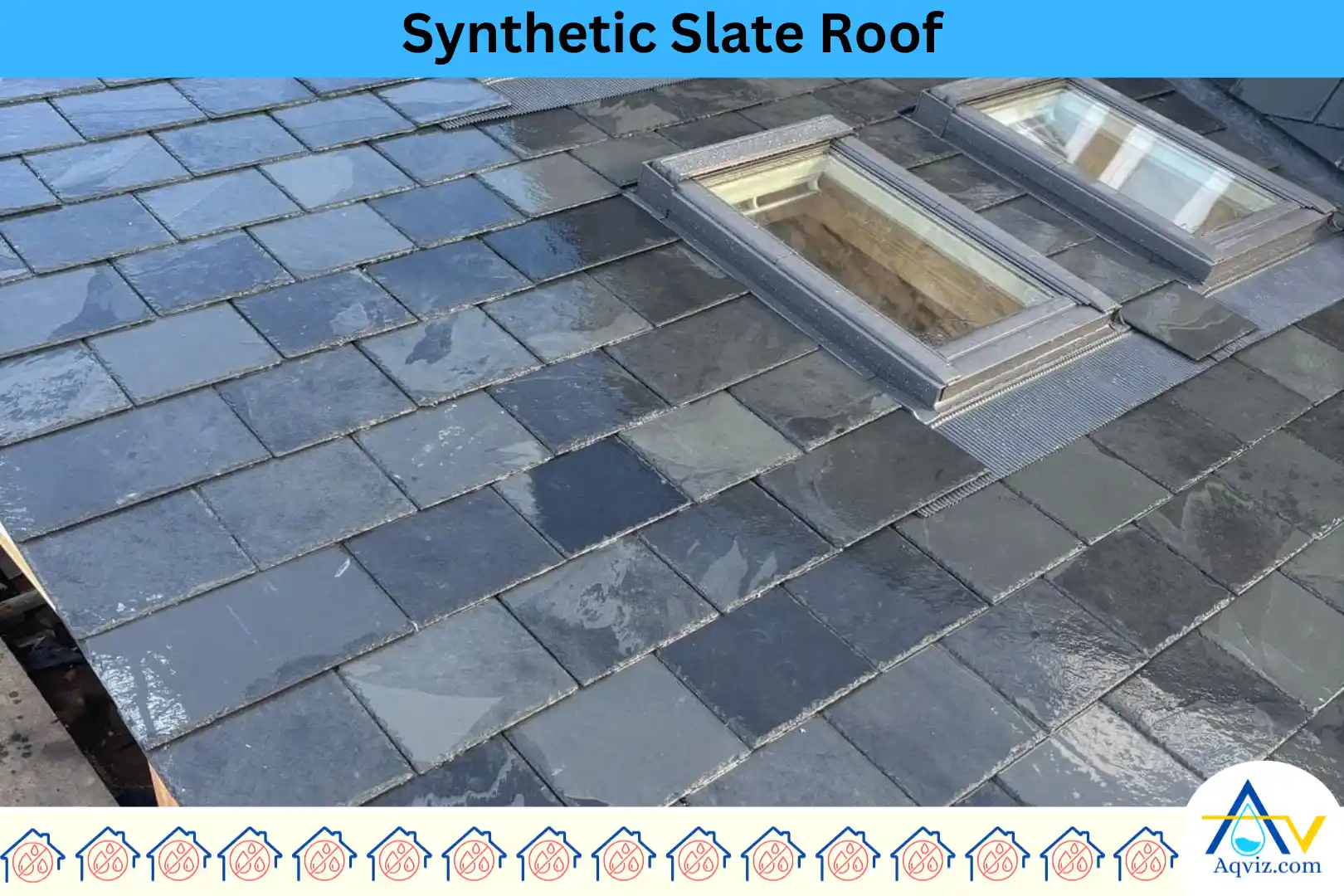
Weather Resistance of Synthetic Slate Roofing: A synthetic slate roofing offers excellent resistance to wind, hail, UV rays, and temperature extremes. With impact ratings of Class 4 and wind resistance up to 110-130 mph (177-209 km/h), a synthetic slate roofing outperforms natural slate in flexibility and impact durability, making it ideal for storm-prone environments.
Waterproofing of Synthetic Slate Roofing: A synthetic slate roofing sheds water effectively due to its overlapping design and modern fastening system. The material does not absorb water or crack under moisture, offering greater waterproofing reliability than natural slate or concrete tiles. With proper underlayment and flashing, a synthetic slate roofing prevents seepage in heavy rain zones.
Insulation Capability of Synthetic Slate Roofing: A synthetic slate roofing provides moderate thermal resistance and helps regulate roofing deck temperature. When paired with attic insulation and ventilation, a synthetic slate roofing supports better energy performance than asphalt but is slightly less reflective than coated metal or TPO systems.
Material Type of Synthetic Slate Roofing: Each synthetic slate roofing is manufactured from rubber, polymer composites, or recycled plastic blended with UV stabilizers and impact modifiers. These lightweight materials resist mold, algae, cracking, and color fading, giving the synthetic slate roofing a longer aesthetic lifespan than many traditional materials.
Slope Gradient of Synthetic Slate Roofing: We recommend a minimum slope of 4:12 or steeper for a synthetic slate roofing to ensure proper drainage and secure tile alignment. A steeper pitch not only improves water runoff but also enhances the visual depth and realism of the synthetic slate roofing profile.
Maintenance Requirement of Synthetic Slate Roofing: A synthetic slate roofing needs low maintenance, requiring occasional inspections for loose or damaged tiles. We advise checking flashings and sealant zones annually. With professional installation and proper upkeep, a synthetic slate roofing can last 40-60 years, matching the longevity of premium roofing systems.
As well as synthetic slate roofing is fire-resistant, flexible, and solar panel compatible, offering the timeless beauty of stone without the weight or fragility. It’s highly resistant to cracking, color loss, and storm damage, making a synthetic slate roofing an ideal long-term solution for water-impact-sensitive, design-conscious homeowners.
What Roofing Types Need Waterproofing?
The following 8 roofing types require roofing waterproofing.
- Clay tile roofing
- Concrete tile roofing
- Slate tile roofing
- Synthetic slate roofing
- Composite shingle roofing
- Corrugated metal roofing
- Standing seam metal roofing
- Stone-coated steel roofing
What is Roof Waterproofing?
Roof waterproofing is defined as the application of a protective layer or membrane on the roof structure to prevent water infiltration from the roof. The main purpose of roof waterproofing is to provide a barrier against water and moisture. Therefore, roof deck, roof tiles, roof valley, roof ridge cap, and roof flashing should be waterproof in order to extend the life of the roof structure.
You can avoid water-related problems such as water leaking, mold and mildew growing, wood rotting, metal corrosion, material decaying and deterioration if you waterproof the roof properly. You can use waterproofing methods such as EPDM (ethylene propylene diene monomer), TPO (thermoplastic olefin), PVC, polyurethane and modified bitumen for both flat and slop roofs.
What are the 10 Cheap Roofing Materials?
- Asphalt shingles
- Corrugated metal sheets
- Rolled roofing (asphalt roll)
- EPDM rubber membrane
- TPO roofing membrane
- Composite shingles
- Bitumen roofing sheets
- PVC roofing panels
- Tar and gravel roofing
- Fiber cement shingles
What Roofing Materials are More Durable?
These 5 roofing materials are more durable roofing.
| Roofing Material | Estimated Lifespan |
| Natural Slate Tile Roof | 75-150 years |
| Standing Seam Metal Roof | 40-70 years |
| Clay Tile Roof | 50-100 years |
| Stone-Coated Steel Roof | 40-70 years |
| Synthetic Slate Roof | 40-60 years |
What Roof Materials Leak More?
These 5 roof materials tend to leak water mostly.
- Asphalt shingles
- Composite shingles (low-grade types)
- Corrugated metal sheets (with exposed fasteners)
- Clay tiles (if cracked or misaligned)
- Concrete tiles (if underlayment fails)
Read More: How To Stop a Roof Leak In 9 Steps?