
8 Roof Shingles: Higher Resistance and Protection

A roof shingle is a type of individual roofing element that overlaps with others to form a complete protective covering on pitched or sloped roofs. Roof shingles are different in types and made from different materials to use in various roof structures.
These are the most used 8 roof shingles.
- Metal shingles
- Slate shingles
- Solar shingles
- Architectural shingles
- Composite shingles
- Asphalt shingles
- Concrete tile shingles
- Clay shingles
When you choose a roof shingle, you should consider the shingle’s material composition, water resistance, UV resistance, fire resistance, hail resistance, algae resistance, mold and mildew resistance, chemical resistance, weight, durability, thermal expansion, maintenance, cost, and installation methods. We have prepared a shingle guide with including all the above information. So we highly recommend this before choosing a shingle for your roof.
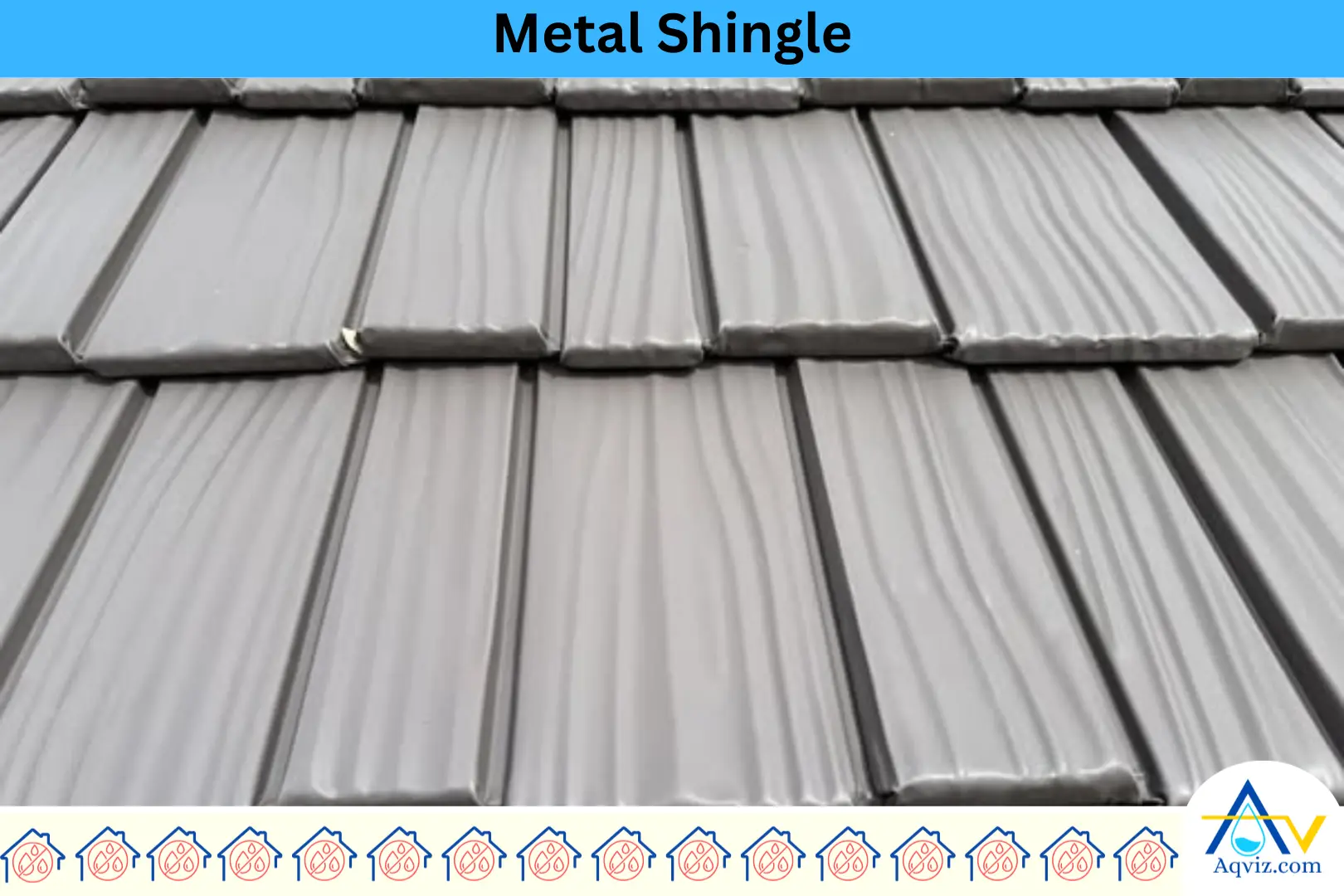
1. Metal Shingles
Metal shingles are interlocking roofing panels designed to replicate traditional roofing materials such as slate, wood, or asphalt while offering superior performance. Metal shingles are made from high-quality metals, including steel, aluminum, copper, and zinc, and are coated for additional protection.
Metal shingles are lightweight yet extremely durable. They are highly resistant to UV light, fire, hail up to 2 inches, algae growth, mold and mildew, chemical exposure, corrosion, and thermal expansion. Their tight interlocking design provides excellent waterproofing and requires professional knowledge for proper installation.
Metal shingles can withstand heavy rain, snow, and freeze-thaw cycles while maintaining energy efficiency through high solar reflectance. They typically last 40 to 70 years, with zinc-coated options reaching up to 80 years. To maximize lifespan, install stainless steel fasteners, matching flashings, and use butyl tape to prevent water infiltration and galvanic corrosion.
Installing metal shingles provides extreme durability, fire resistance, low maintenance, compatibility with various architectural styles, and sustainable material sourcing. Metal shingles require minimal maintenance, with annual inspections for fasteners, sealants, and surface cleaning to preserve performance and appearance.
2. Slate Shingles
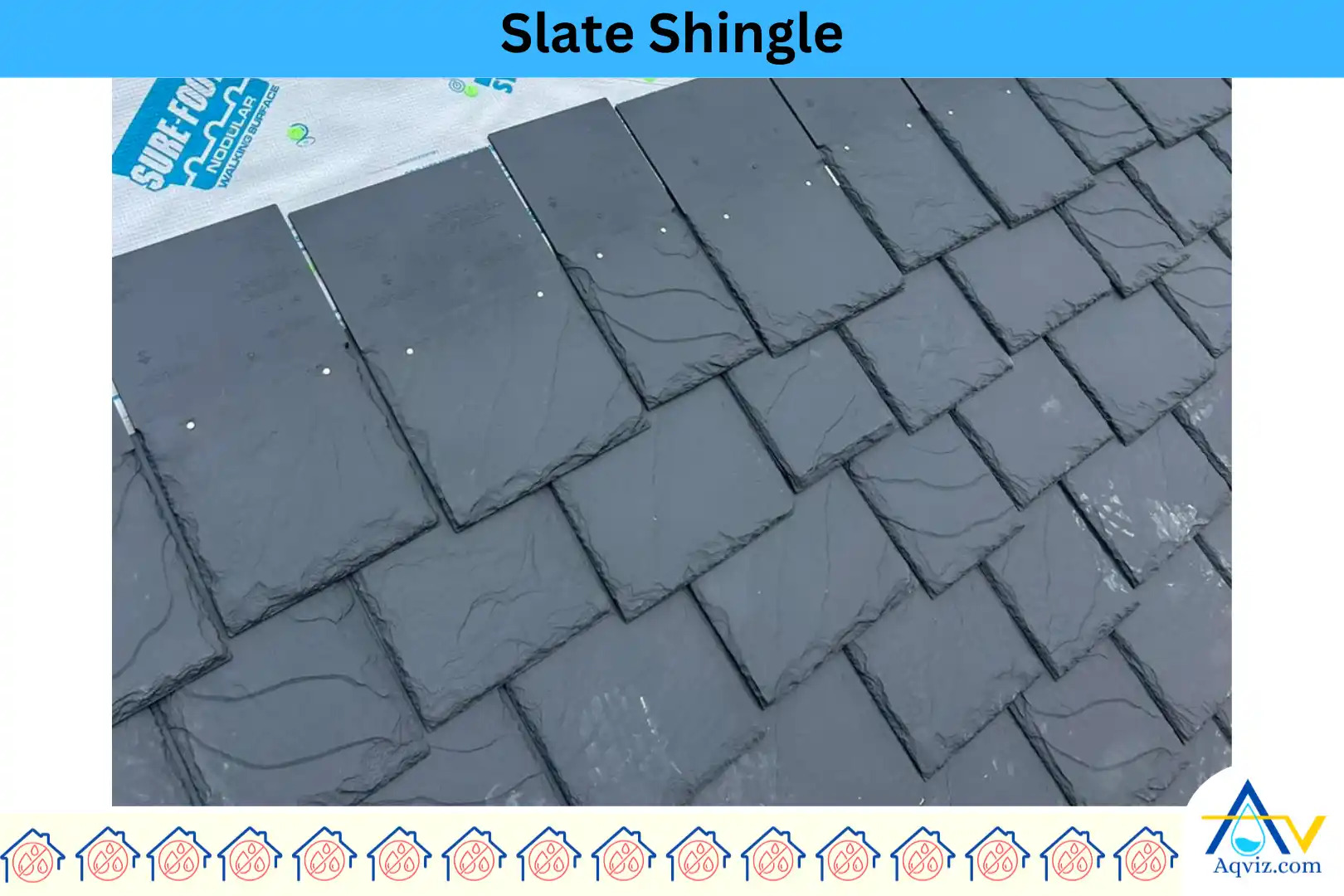
Slate shingles are premium roofing materials crafted from natural metamorphic stone. Slate shingles are made from natural stone split into thin, flat tiles, with mineral content including quartz, chlorite, and mica.
Slate shingles are naturally fireproof, extremely durable, rot-resistant, algae-resistant, UV-stable, chemical-resistant, and insect-proof. Slate shingles repel water effectively due to a low water absorption rate below 0.5%, withstand ice, snow, and heavy rain, and perform well in freeze-thaw cycles. Slate shingles are heavy, ranging between 8-12 lbs/sq.ft., and require professional installation with copper or stainless-steel fasteners, proper support framing, steep slopes, and a suitable drainage system.
Slate shingles typically last 75 to 150 years, depending on stone quality, thickness, and maintenance. To maximize lifespan, replace broken or slipped tiles promptly, inspect ridge caps, valleys, and flashings annually, and avoid walking or pressure washing the surface.
Installing slate shingles provides unmatched fire resistance, extreme durability, timeless aesthetics, low environmental impact, and resistance to weather-related degradation. Slate shingles are fully recyclable, contain no VOCs, and require minimal maintenance while offering long-term performance and visual appeal.
3. Solar Shingles
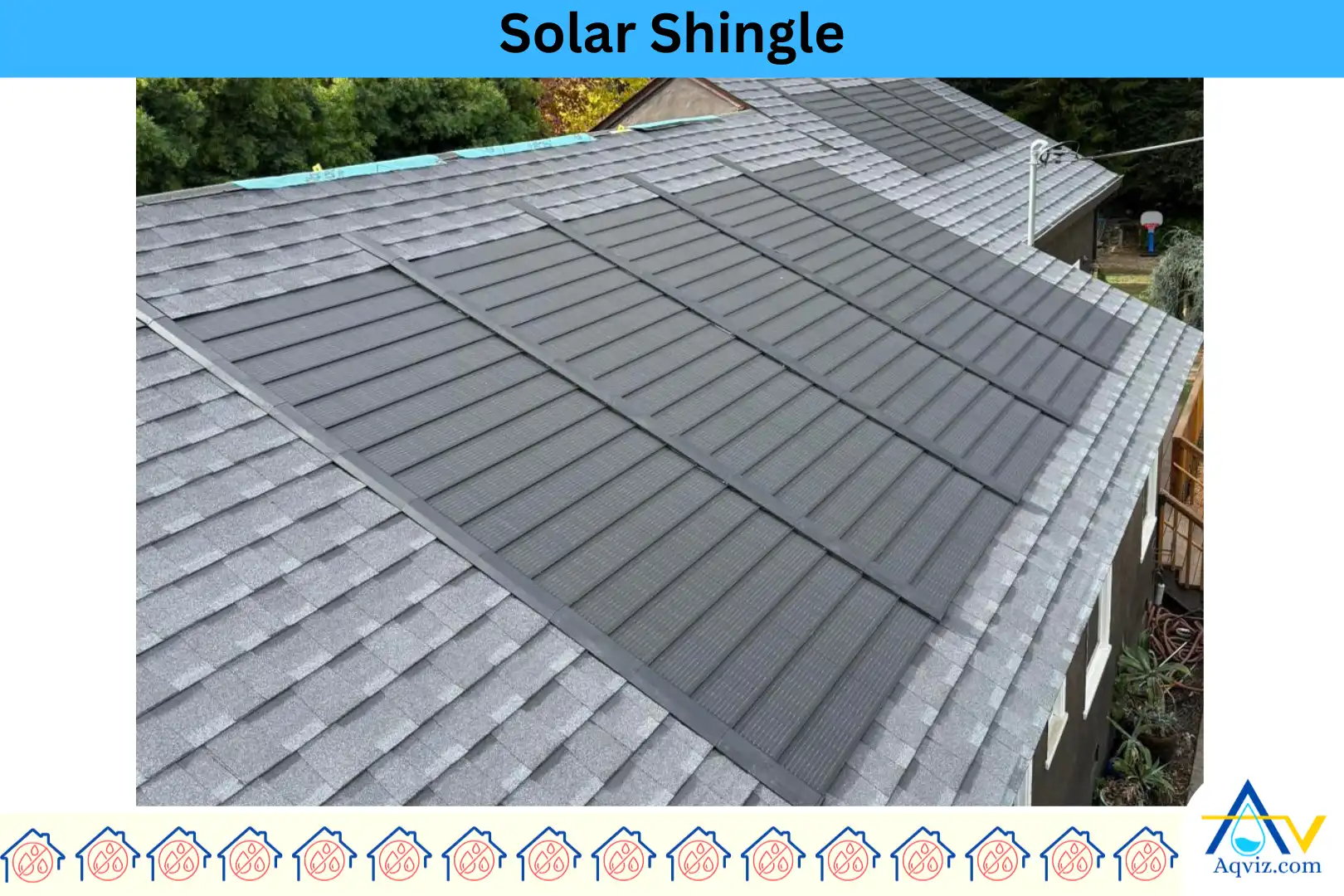
Solar shingles are roofing panels that integrate photovoltaic (PV) technology into the roof covering itself. Solar shingles allow the roof to generate electricity while maintaining a traditional shingle appearance, providing a seamless combination of energy production and aesthetic appeal.
Solar shingles are made from monocrystalline or polycrystalline silicon solar cells embedded in tempered glass and backed by a waterproof membrane or substrate. Solar shingles are highly resistant to water, UV light, fire, hail up to 1.75 inches, thermal extremes, algae, mold, chemical exposure, and impact. Their interlocking design ensures excellent water resistance and structural integration, requiring professional installation for optimal performance.
Solar shingles can withstand heavy rain, snow, high winds, and temperature fluctuations from -40°F to 185°F while producing clean electricity and maintaining Class A fire ratings. Solar shingles typically last 25 to 30 years, with energy production warranties ranging from 20 to 25 years, depending on climate, roof orientation, shading, and maintenance.
To maximize lifespan, install solar shingles with certified PV contractors and integrate smart inverters, battery storage systems, and proper flashings to prevent water infiltration and maintain structural integrity. Installing solar shingles provides energy generation, reduced utility bills, sleek design, long-term savings, and added property value. Solar shingles require minimal maintenance, including gentle cleaning of dust or debris and periodic inverter checks to ensure optimal electricity production.
4. Architectural Shingles
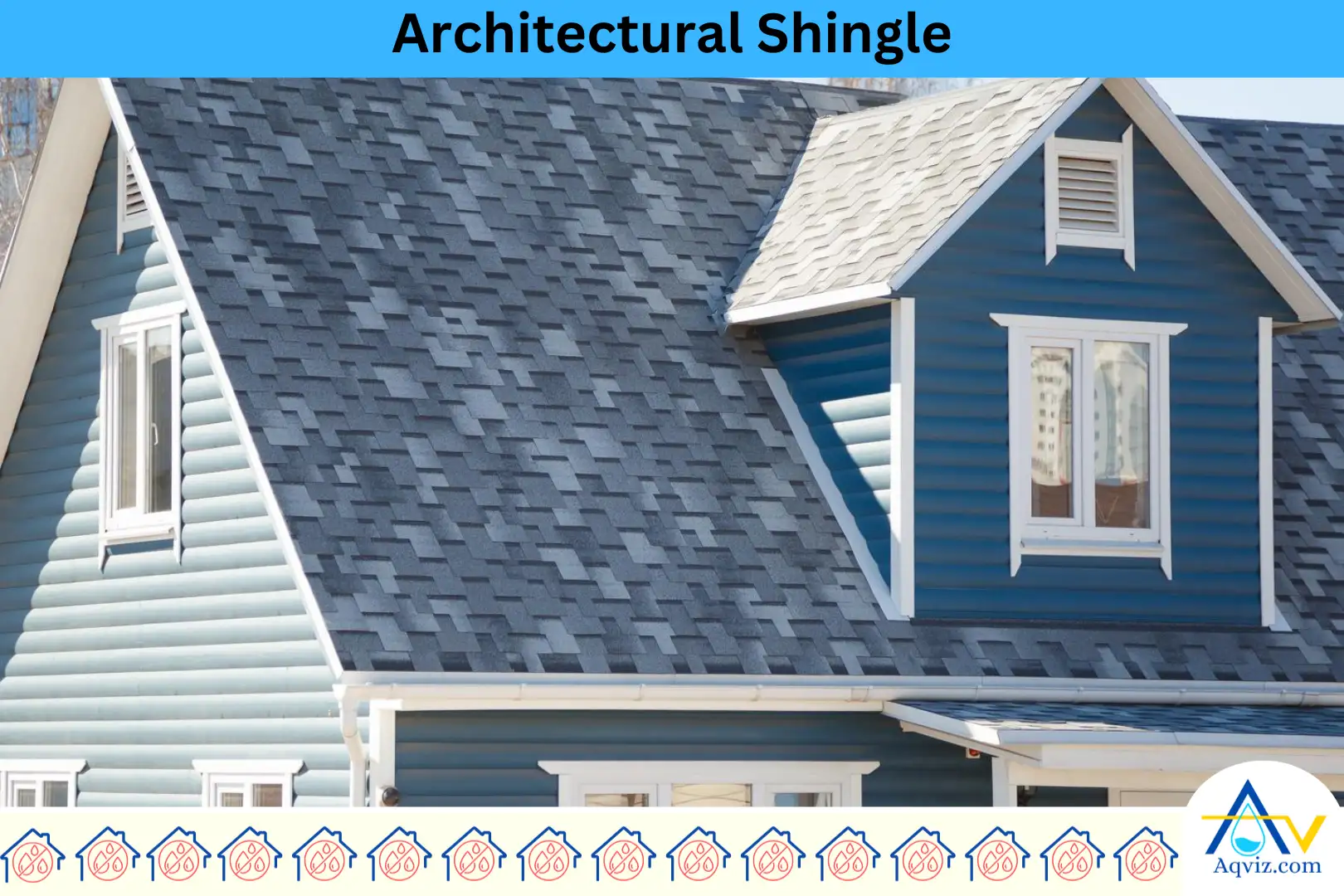
Architectural shingles are high-performance, laminated roofing panels designed as an upgrade to standard asphalt shingles. Architectural shingles mimic the look of slate or wood shakes while offering enhanced durability and weather resistance.
Architectural shingles are made by bonding multiple layers of asphalt-coated fiberglass and mineral granules, creating a thick, dimensional appearance. Architectural shingles are highly resistant to water, UV light, fire, wind up to 130+ mph, algae, mold, impact, and thermal expansion. Their laminated structure provides sound insulation, strength, and flexibility, and requires professional installation for proper sealing, ventilation, and alignment.
Architectural shingles can withstand heavy rain, snow, hail, and extreme wind while maintaining aesthetic appeal. Architectural shingles typically last 30 to 50 years, depending on material quality, installation, and roof ventilation.
To maximize lifespan, install architectural shingles over high-performance underlayments with proper ridge caps, starter strips, and roofing cement sealant at eaves and rakes. Installing architectural shingles provides enhanced curb appeal, superior wind resistance, extended lifespan, reliable weather performance, and a variety of design options. Architectural shingles require minimal maintenance, including periodic inspections, cleaning early algae or moss growth, and snow removal, ensuring long-term durability and consistent roof performance.
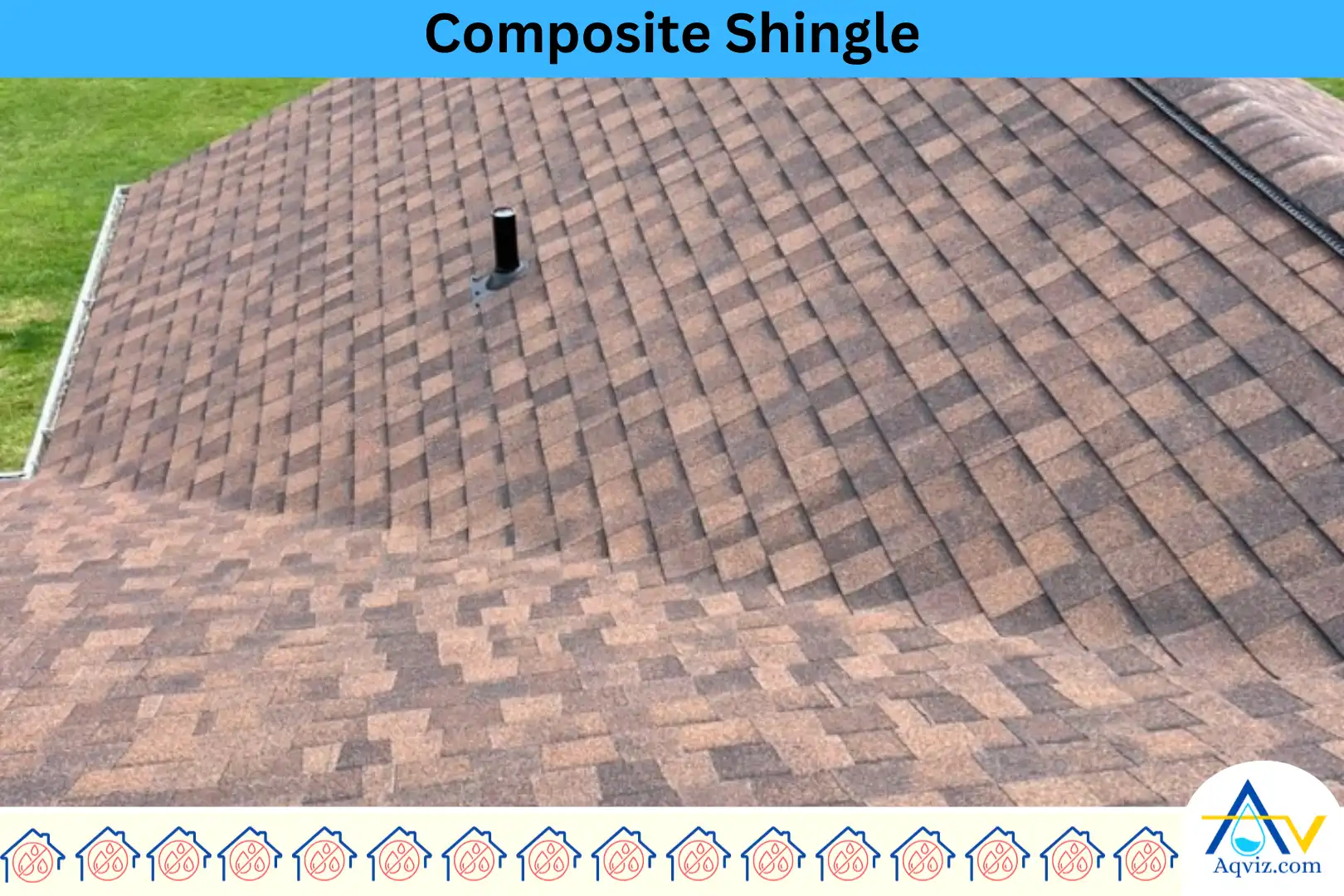
5. Composite Shingles
Composite shingles are engineered roofing panels designed to replicate slate, wood, or architectural asphalt while providing high durability and visual appeal.
Composite shingles are made from polymers, recycled rubber, plastics, and fibers, sometimes reinforced with limestone or cellulose. Composite shingles are highly resistant to water, UV light, fire, wind up to 150 mph, algae, mold, impact, and thermal expansion. Composite shingles are lightweight, interlocking, and require professional installation to ensure proper alignment and uniform expansion.
Composite shingles can withstand heavy rain, snow, ice dams, and strong winds while maintaining appearance. Composite shingles typically last 40 to 50 years, with some systems exceeding 50 years depending on installation and ventilation.
To maximize lifespan, install composite shingles over synthetic underlayments, vented ridge caps, and use polymer-compatible fasteners. Installing composite shingles provides authentic appearance, lighter weight, low maintenance, high durability, and resistance to environmental stress. Composite shingles require minimal maintenance, including routine inspections and gentle cleaning to preserve the surface and coating integrity.
6. Asphalt Shingles
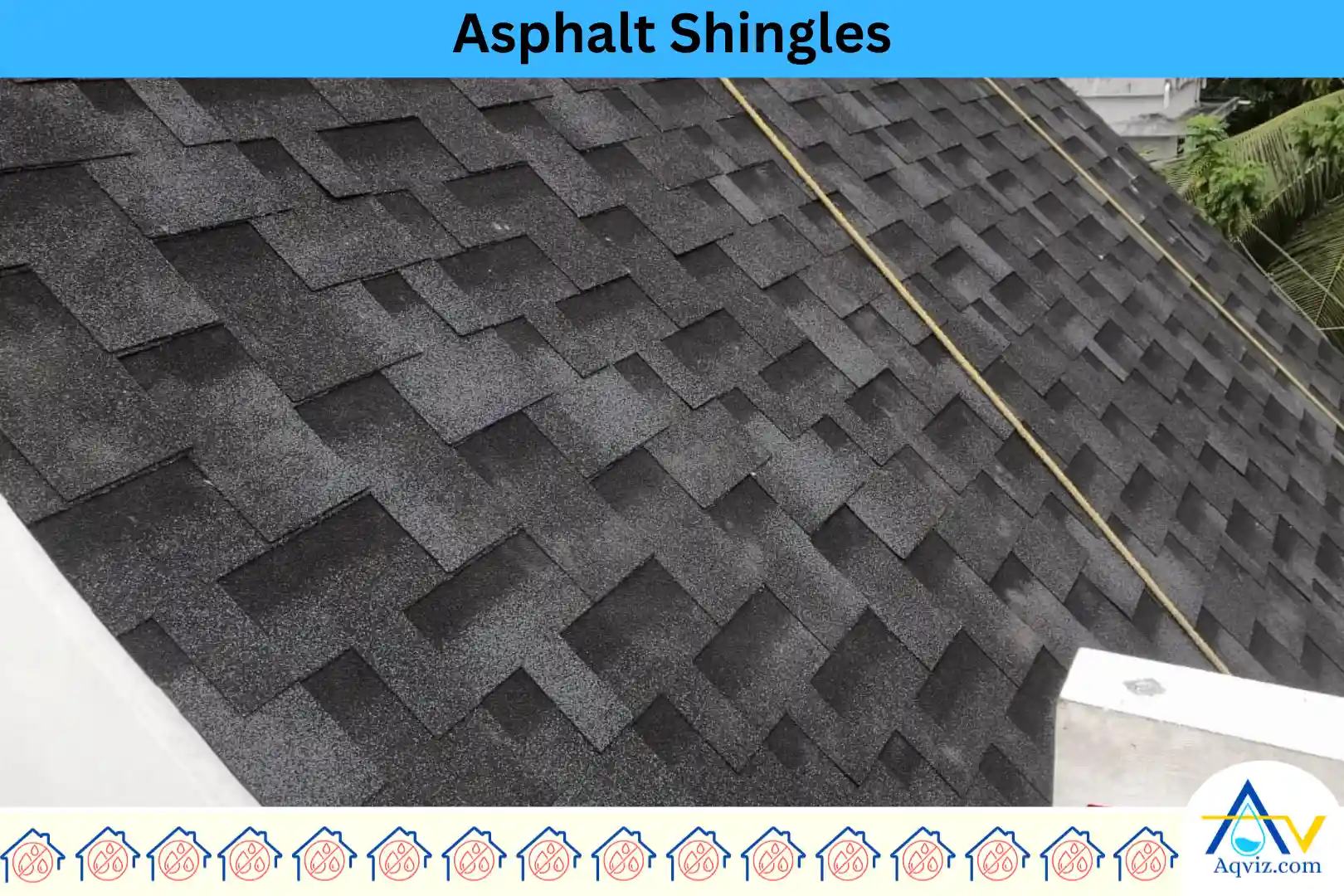
Asphalt shingles are the most widely used roofing panels in the U.S., designed for cost-efficiency, ease of installation, weather resilience, low maintenance, and a wide range of aesthetic styles and colors.
Asphalt shingles are made from fiberglass or organic felt mats coated with waterproof asphalt and surfaced with ceramic mineral granules. Asphalt shingles are resistant to water, UV light, fire, wind up to 130 mph, algae, mold, impact, and thermal stress. Asphalt shingles rely on layered overlap and interlocking design for water shedding and require professional installation for proper ventilation, alignment, and sealing.
Asphalt shingles can withstand rain, snow, and moderate hail while maintaining their appearance. Asphalt shingles typically last 20 to 30 years, depending on climate, ventilation, slope, and underlayment quality.
To maximize lifespan, install asphalt shingles over high-quality underlayments with proper attic ventilation and ice and water shields. Installing asphalt shingles provides affordability, ease of installation, reliable weather performance, low maintenance, and aesthetic flexibility. Asphalt shingles require minimal maintenance, including periodic inspection for granule loss, curling, and flashing wear, and gentle cleaning to preserve surface integrity.
7. Concrete Tile Shingles
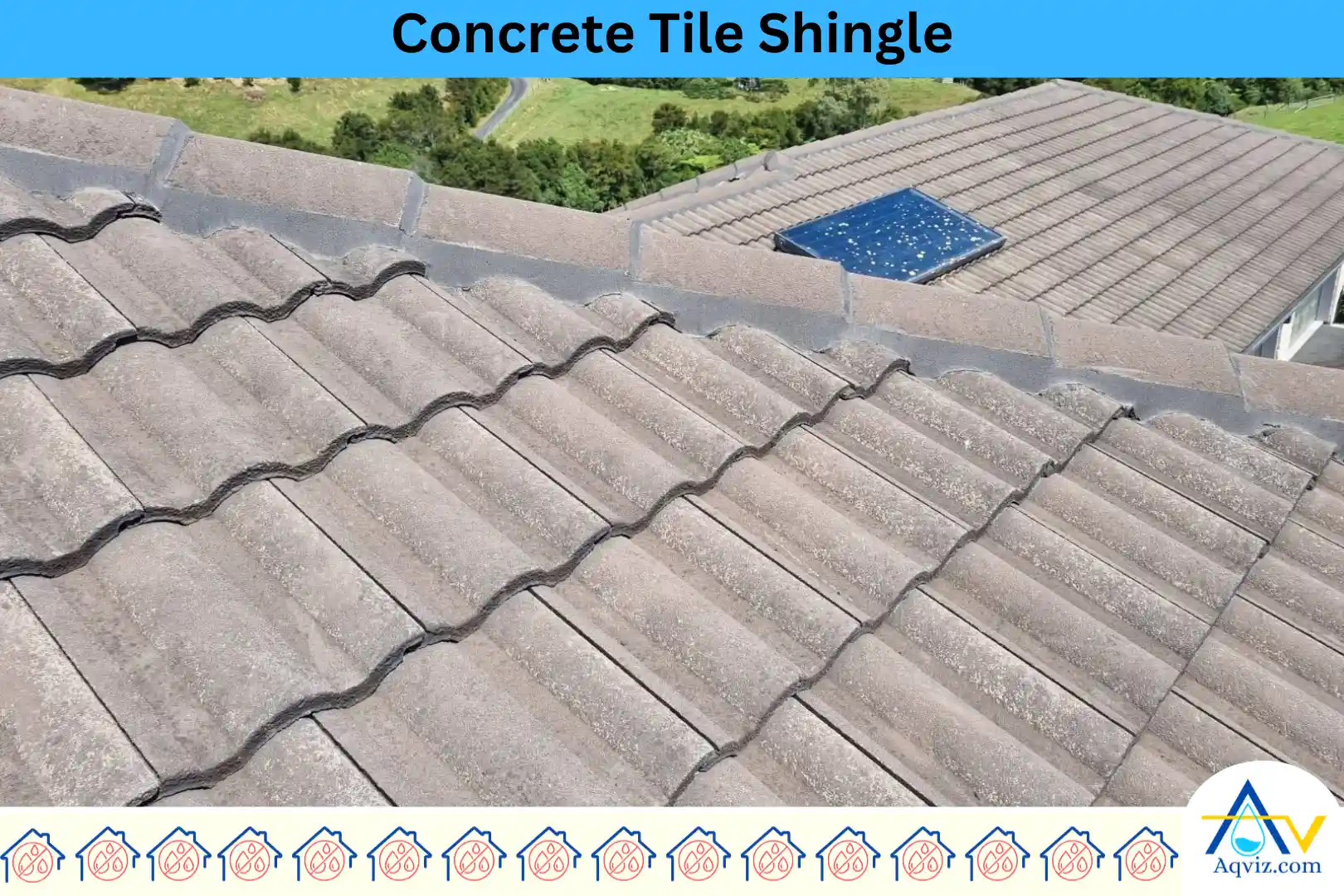
Concrete shingles are durable roofing panels manufactured from cement, sand, and water, designed to replicate the look of clay, slate, or wood while providing strong structural performance.
Concrete shingles are made from Portland cement, graded aggregates, pigments, and water, often with acrylic coatings for improved color retention and moisture control. Concrete shingles are highly resistant to water, UV light, fire, wind, algae, mold, impact, and insect damage. Their dense composition and interlocking profiles provide excellent water shedding, and professional installation ensures proper fastening, spacing, and drainage.
Concrete shingles can withstand heavy rain, snow, hail, and temperature fluctuations while maintaining appearance. Concrete shingles typically last 50 to 75 years, depending on slope, fastening methods, and exposure to freeze-thaw cycles.
To maximize lifespan, install concrete shingles with stainless steel screws, foam adhesives, elevated battens, and sacrificial edge tiles. Installing concrete shingles provides cost-effective durability, high wind resistance, long service life, thermal insulation, and design flexibility. Concrete shingles require minimal maintenance, including gentle cleaning, periodic color sealant application, and inspection of vulnerable edges, ensuring long-term performance and roof integrity.
8. Clay Shingles
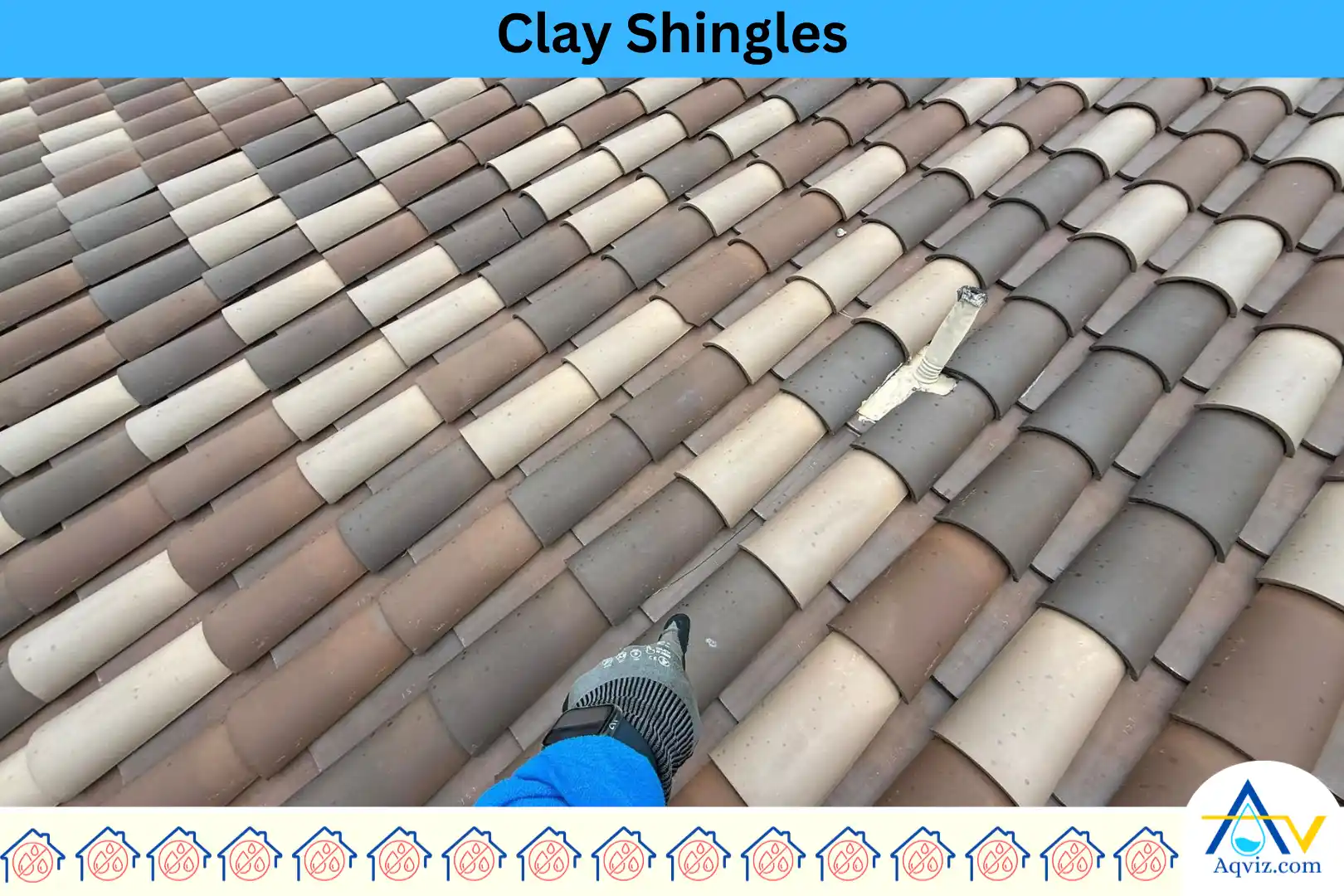
Clay shingles are kiln-fired ceramic roofing panels made from natural clay, designed to provide long-lasting durability and classic aesthetics for residential and commercial roofs.
Clay shingles are made from refined clay and shale, fired at high temperatures to vitrify the material and lock in strength, water resistance, and color. Clay shingles are highly resistant to water, UV light, fire, wind, algae, mold, insects, and decay. Their overlapping installation, dense composition, and interlocking design provide excellent water shedding, and professional installation ensures proper spacing, slope, and fastening.
Clay shingles can withstand heavy rain, coastal winds, high humidity, and freeze-thaw cycles while maintaining appearance. Clay shingles typically last 75 to 100 years, depending on tile thickness, underlayment quality, and mechanical anchoring.
To maximize lifespan, install clay shingles with stainless steel clips, double-batten systems, and breathable underlayments for proper ventilation and drainage. Installing clay shingles provides extreme longevity, heat resistance, natural aesthetics, low maintenance, and eco-friendly composition. Clay shingles require minimal maintenance, including regular inspection for broken or slipped tiles and careful walking practices, ensuring long-term performance and roof integrity.
Which Shingles are Waterproof?
These 5 types of shingles are highly waterproof.
- Metal shingles
- Rubber shingles
- Slate shingles
- Solar shingles
- Architectural shingles
- Composite shingles
Waterproof shingles specifically resist water infiltration, preventing leaks, moisture damage, and structural decay over time. Hence, they provide extreme protection from harsh environmental conditions.
Which Shingles Require Waterproofing?
All of these shingles require roof waterproofing. Among them, the following 6 types of shingles require higher waterproofing capability due to the porosity of the material, nail holes, surface pores, gaps, overlaps, and nail holes during the installation process.
- Asphalt shingles
- Architectural shingles
- 3-Tab shingles
- Wood shingles/wood shakes
- Concrete tile shingles
- Clay shingles
What is the Best Shingle Material?
Asphalt shingle is the best shingle material. Architectural asphalt shingles offer the most balanced combination of durability, waterproofing, cost-efficiency, and curb appeal for residential roofing. They are thicker, heavier, and have a dimensional design that enhances wind resistance and last long up to 30 years with proper installation.
Asphalt shingles are compatible with underlayment membranes, making them highly effective for waterproofing. They also resist algae, UV damage, and harsh weather better than most budget shingle options.