
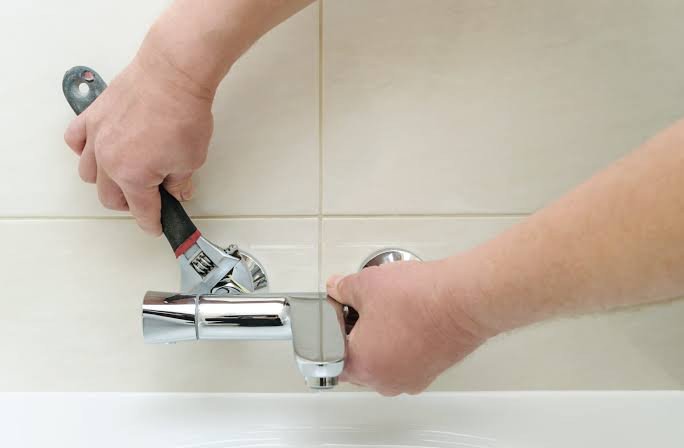

This guide covers the five key signs you need faucet installation service — from persistent leaks to remodeling. The most obvious sign you need a faucet installation service is that your existing faucet drips, leaks, or will not stop running regardless of how tightly you turn the handle, says Shannon Property Management experts. A dripping faucet wastes 3 to 5 gallons of water per day — roughly 1,000 to 1,800 gallons per year.
A faucet that is more than 10 to 15 years old, that leaks from multiple places, the spout and the base, or that has corroded or seized components, is a candidate for replacement, not repair. The internal parts may be obsolete. The manufacturer may have discontinued the cartridge. The plumber may spend an hour tracking down a part that is no longer made and then recommend replacement anyway. The replacement costs roughly the same as the repair in this scenario, $200 to $600, and results in a new faucet with a warranty, modern internal components, and a finish that matches the other fixtures in the bathroom or kitchen. Here are the signs that it is time to call a faucet installation service.
Sign 1: The Faucet Leaks Despite Repair Attempts
A faucet that drips from the spout after the handle is turned off has a failed cartridge, washer, or ceramic disc, the internal component that seals the water flow. A single-lever faucet uses a cartridge. A two-handle faucet uses a compression valve with a rubber washer. The repair is replacing the cartridge or the washer. The repair costs $150 to $300. The repair works on a faucet that is otherwise in good condition, no corrosion, no seized parts, no damage to the valve body.
A faucet that leaks from the base, water pooling around the base of the spout or the base of the handle, has a failed O-ring or a cracked valve body. An O-ring replacement costs $100 to $200. A cracked valve body cannot be repaired. The faucet must be replaced. The water that leaks from the base of the faucet drips down through the sink deck or the countertop and pools under the sink. The water damages the cabinet floor, the subfloor, and eventually the ceiling below. The leak at the base is more dangerous than a drip from the spout because the water is not visible in the sink. It is hidden under the faucet, running down the supply lines, and soaking into the wood. The base leak is the faucet telling you that the seal between the faucet and the sink has failed. The seal is the O-ring. The O-ring is replaceable. The water damage underneath is not.
The Environmental Protection Agency (EPA) estimates that household leaks waste nearly 1 trillion gallons of water annually nationwide. A single dripping faucet wastes 1,000 to 1,800 gallons per year. The cost of the wasted water, $20 to $50 per year, is modest. The cost of the faucet repair, $150 to $300, is the cost of stopping the waste. The repair pays for itself in water savings within 5 to 10 years. The environmental cost of the wasted water is not on the water bill. The faucet repair addresses both.
Sign 2: Corroded or Seized Supply Line Connections
The supply lines that connect the faucet to the angle stops under the sink are the most common point of failure during a DIY faucet installation. The nuts that connect the supply lines to the faucet tails and to the angle stops are typically brass or chrome-plated. Over 10 to 15 years, the nuts corrode, seize to the threads, and cannot be loosened with a standard wrench. A DIY installer who applies too much force to a seized nut may twist the copper tubing, crack the angle stop, or break the faucet tail. The repair for a broken angle stop costs $150 to $300. The repair for a twisted supply line requires replacing the supply line and possibly the faucet if the tail is damaged.
Corroded angle stops, the shutoff valves under the sink, present a similar hazard. An angle stop that will not close completely cannot shut off the water to the faucet. The water to the entire house must be shut off at the main valve. An angle stop that is original to a house built before 1990 is at the end of its service life. Replacing the angle stops during a faucet installation costs $150 to $300 and adds 30 to 60 minutes to the job. Replacing the angle stops later, when they fail and leak, costs the same amount plus whatever water damage occurred. The faucet installation is the opportunity to replace the angle stops. The opportunity costs $150. The water damage costs multiples of that.
Sign 3: You Are Upgrading from a Basic Faucet to a Premium Model
A standard single-hole bathroom faucet is the most DIY-friendly installation: two supply lines, two mounting nuts, 30 to 60 minutes. A widespread bathroom faucet, three separate pieces with connections made under the sink, is significantly harder. A kitchen faucet with a pull-down sprayer adds a hose, a diverter, a weight, and a docking mechanism. A touchless kitchen faucet adds batteries or a power connection and a sensor calibration. The labor cost for professional installation, $150 to $300, is insurance against a drip under the sink that goes unnoticed for months. The drip damages the cabinet floor, the subfloor, and the ceiling below. The plumber’s labor is the cost of preventing that cascade. The cascade costs $2,000 to $5,000. The plumber costs $300. The plumber is cheaper.
A faucet that requires a new hole in the sink or the countertop, a side sprayer, a soap dispenser, an air gap for the dishwasher, is not a DIY project unless the homeowner has experience drilling through stainless steel, porcelain, or stone without cracking the surface. A cracked sink or countertop from a DIY drilling attempt costs $500 to $2,000 to replace. The plumber drills the hole for $50 to $100. The plumber has done it hundreds of times. The homeowner has done it zero times. The plumber’s experience is the difference between a clean hole and a cracked sink. The $100 is the price of the experience.
Sign 4: Low Water Pressure That Is Not a Supply Problem
Low water pressure at a single faucet, other faucets in the house have normal pressure, is a faucet problem, not a plumbing problem. The most common cause is a clogged aerator, the small screen at the tip of the faucet spout. Unscrew the aerator, clean the sediment from the screen, and reinstall it. The pressure returns. The fix costs nothing. The aerator clog is not a sign that the faucet needs replacement.
Low water pressure that persists after cleaning the aerator indicates a clogged cartridge, a kinked supply line, or a failing pressure-balance valve. The cartridge replacement costs $150 to $300. The supply line replacement costs $100 to $200. If the faucet is more than 10 years old and the low pressure is caused by a clogged or failing internal component, replacement may be more cost-effective than repair. The new faucet costs $50 to $500. The installation costs $150 to $300. The new faucet comes with a warranty. The repaired faucet does not. The cost difference between repair and replacement is often less than $100. The replacement is the better long-term value.
Sign 5: You Are Remodeling the Kitchen or Bathroom
A kitchen or bathroom remodel is the ideal time to replace the faucet, even if the existing faucet is functioning. The new countertops, the new sink, the new backsplash, and the new lighting will make the old faucet look worse by comparison. The faucet that looked acceptable next to the old laminate countertop will look dated next to the new quartz. The faucet finish that was close enough to the old cabinet hardware will clash with the new brushed-nickel pulls. The faucet is the jewelry of the sink. The remodeling changes everything around the faucet. The faucet should change with it.
Installing the faucet during a remodel, when the plumber is already on site for the sink and the countertop installation, saves the cost of a separate service call. The incremental labor to install the new faucet during the remodel is $50 to $100. The separate service call to install the faucet after the remodel is complete costs $150 to $300. The remodel is the opportunity. The faucet is the detail. The detail is what you touch every day. The detail is worth getting right.
Frequently Asked Questions
How much does faucet installation cost?
Faucet installation costs $150 to $600 including the faucet and the labor. A standard bathroom faucet replacement costs $150 to $500. A kitchen faucet with a pull-down sprayer costs $250 to $600. The labor costs $100 to $300. The faucet costs $50 to $500. Installing a faucet where none existed, a new sink, a new countertop, costs $500 to $1,500 due to the plumbing modifications required.
Can I install a faucet myself or should I hire a plumber?
A single-hole bathroom faucet replacement is a DIY-friendly project. A widespread faucet, a kitchen faucet with a pull-down sprayer, a touchless faucet, or any faucet that requires drilling a new hole in the sink or countertop should be installed by a professional. The plumber’s labor, $150 to $300, is insurance against a leak under the sink that damages the cabinet, the subfloor, and the ceiling below.
Should I repair or replace my leaking faucet?
Repair a faucet that is less than 10 years old, is in good cosmetic condition, and has a leak that can be fixed with a cartridge or washer replacement, $150 to $300. Replace a faucet that is more than 10 to 15 years old, leaks from multiple places, has corroded or seized components, or is aesthetically dated and you are remodeling the room. The replacement costs $150 to $600.
How long does faucet installation take?
A standard faucet replacement takes 1 to 2 hours. A widespread faucet, a pull-down kitchen faucet, or a faucet with corroded angle stops that need replacement takes 2 to 3 hours. The plumber shuts off the water, removes the old faucet, cleans the sink surface, installs the new faucet, connects the supply lines, and tests for leaks.
What is the best faucet brand for longevity?
Delta, Moen, and Kohler are the market leaders for mid-range to premium faucets. All three use ceramic disc cartridges and offer lifetime warranties on the cartridge and the finish. The difference between them is largely aesthetic. The faucet that lasts 20 years is the one with a ceramic disc cartridge and a metal body, regardless of the brand name.
Should I replace the angle stops when installing a new faucet?
If the angle stops are original to a house built before 1990, yes. Old angle stops may not close completely, may leak when operated after years of disuse, and will eventually fail. Replacing them during a faucet installation costs $150 to $300 and adds 30 to 60 minutes. Replacing them later costs the same plus whatever water damage occurred.
The Faucet That Has Been Telling You Something
A drip from the spout that will not stop. A puddle around the base of the handle. Supply lines that are corroded to the angle stops. Low pressure at one faucet that is not an aerator problem. A bathroom or kitchen that is being remodeled around a faucet that was installed when the house was built. Each of these is a faucet communicating. The language is water, corrosion, pressure, and age. The message is the same: the faucet needs attention. The attention is either repair or replacement. The decision depends on the age, the condition, and the scope of the surrounding work.
A $300 faucet repair fixes the old faucet. A $400 faucet replacement gives you a new one with a warranty and a finish that matches the other fixtures in the room. The cost difference is $100. The difference in the experience of using the faucet every day, turning the handle that moves smoothly instead of stiffly, watching the water stop instantly instead of dripping for three seconds after you turn it off, is the return on the $100. The faucet is the fixture you touch more than any other in the house except the light switches. The cost of a good faucet is amortized over every time you wash your hands, fill a pot, or rinse a dish. The faucet that works perfectly every time is worth the premium. The faucet that drips is worth replacing. The choice is between a drip and a smooth turn. The smooth turn costs $100 more. The drip costs the water bill and your patience. The patience runs out before the faucet does. Ever stood at the kitchen sink, hands covered in raw chicken juice, trying to turn on the faucet with your elbow because the handle is stiff and the last thing you want to touch is a surface that everyone in the house touches? That faucet has been stiff for years. You have adapted to it. The adaptation is invisible to you. The adaptation is the reason you have not replaced the faucet. The new faucet would turn with one finger. The new faucet would cost $400 installed. The stiff handle is a $400 problem that you have been solving every day with your elbow. The elbow has done its job. The faucet has not. Replace the faucet. The elbow deserves a break.