


Adverse possession, often colloquially referred to as “squatter’s rights,” is a fascinating and sometimes contentious legal doctrine that allows an individual to claim ownership of land that is not legally theirs. This isn’t about simply walking onto someone’s property; it’s a complex legal mechanism where a trespasser, through prolonged and open occupation, can acquire valid title to real estate. The underlying public policy often cited for this doctrine is to encourage the productive use of land and to penalize landowners who neglect their property, explains Harcourts Avanti Property Management.
The Five Essential Elements of Adverse Possession
To successfully claim adverse possession, a trespasser must meet five strict legal requirements that vary slightly by jurisdiction but generally remain consistent across the United States. The occupation must be actual, open and notorious, exclusive, hostile, and continuous for a statutory period. Missing even one of these elements generally invalidates the claim, keeping the property with the original owner, which underscores the high bar for such a claim.
Actual Possession
Actual possession means the claimant must physically occupy the land in a manner consistent with ownership. This isn’t merely walking across a field; it involves tangible actions that demonstrate control over the property. Examples include building a fence, cultivating crops, erecting a structure like a shed or even a small cabin, or maintaining the land as if it were one’s own. The nature of the actual possession will often depend on the character of the land itself; what constitutes actual possession of a suburban lot might differ significantly from a remote, undeveloped woodland parcel.
Open and Notorious Possession
For possession to be considered open and notorious, it must be visible and obvious to anyone who bothers to look, especially the true owner. The adverse possessor cannot hide their presence or attempt to keep their occupation a secret. The purpose of this element is to put the true owner on notice that someone else is using their property without permission, thereby giving them an opportunity to take legal action to reclaim it. If the true owner, acting reasonably, would have discovered the occupation, then this element is typically met. A secret occupation, no matter how long, will never ripen into adverse possession.
Exclusive Possession
Exclusive possession means the adverse possessor must hold the land for themselves, not sharing it with the public or, crucially, with the true owner. This doesn’t mean no one else can ever step foot on the property, but rather that the adverse possessor is exercising control over it to the exclusion of others, much like a true owner would. If the true owner continues to use the property regularly, or if the property is used by the general public, the exclusivity requirement is generally not met. This element ensures that the claimant is acting as if they are the sole proprietor.
Hostile Possession
In the context of adverse possession, “hostile” does not imply animosity or ill will. Instead, it means the occupation is without the true owner’s permission and infringes upon their property rights. If the true owner has granted permission, a license, or a lease to the individual, then the possession is not hostile, and an adverse possession claim cannot succeed. This is a critical distinction; a friendly agreement to use a portion of land, even for decades, will prevent a claim of adverse possession. The claimant’s state of mind regarding ownership can vary by jurisdiction, with some states requiring a good-faith belief of ownership and others a bad-faith intent to claim land known to belong to another.
Continuous Possession
Continuous possession requires the adverse possessor to occupy the property without significant interruption for the entire statutory period mandated by state law. The continuity of possession must be consistent with how a true owner would use the property. For instance, a summer cabin might be considered continuously possessed even if only used during warmer months, provided that is its typical use. A brief abandonment of the property would break the continuity. Interestingly, in many jurisdictions, the periods of possession by successive adverse possessors can be combined, or “tacked,” if there is a direct connection (privity) between them, such as through a sale or inheritance of the possessory interest [1].
Statutory Time Limits and State-by-State Variations
The required timeframe for continuous occupation, often referred to as the statutory period, varies drastically by jurisdiction, typically ranging from five to twenty years. For example, California requires just five years of possession along with property tax payments, while states like New York mandate a ten-year period [1]. Statutory periods can also be tolled, or paused, if the owner is a minor, legally incapacitated, or incarcerated, meaning the clock doesn’t run against them during their disability.
Each state sets its own specific duration, and these periods are often codified in state statutes. Some states, like Texas, have multiple statutory periods depending on the circumstances, such as whether the claimant has “color of title” (a document that appears to grant title but is legally defective) or has paid property taxes [2]. The presence of color of title can significantly shorten the required possession period in many states, reflecting a legal preference for those who believe they have a legitimate claim, even if flawed. This patchwork of laws means that what might be a successful adverse possession claim in one state could fail spectacularly in another, making generalized advice difficult without knowing the specific locale.
Common Real-World Scenarios and Boundary Disputes
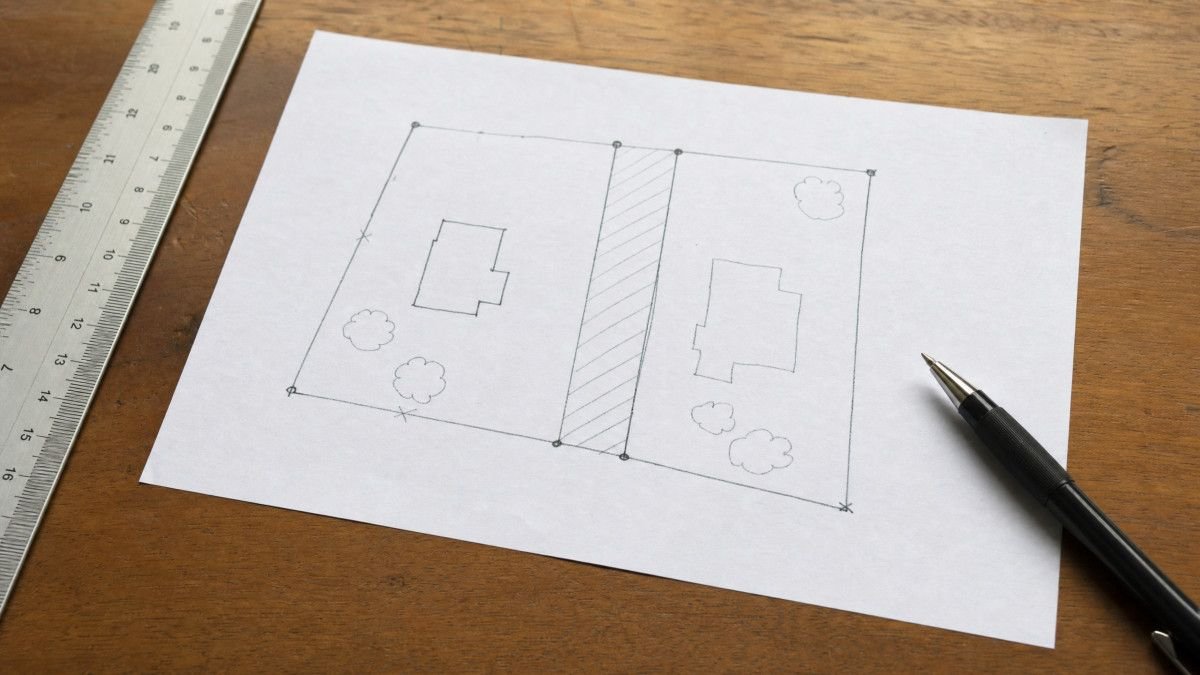
Adverse possession frequently arises in unintentional boundary disputes rather than malicious squatting, though the latter certainly occurs. A common scenario involves a homeowner unknowingly building a driveway, a fence, or even a portion of their garage several feet over the property line of an adjacent parcel. If the true owner fails to object or take legal action within the statutory period, the encroaching neighbor may legally acquire that strip of land. Imagine discovering, after decades, that your neighbor’s well-established garden, complete with mature fruit trees, actually sits three feet onto your property according to a new survey. It can be incredibly frustrating for a property owner to discover a survey error decades later, only to realize they might have lost a portion of their land to a neighbor’s misplaced shed or an old, forgotten fence line. The legal ambiguity in these situations often leads to costly quiet title actions, where a court is asked to definitively determine ownership.
Another scenario might involve a rural property where a neighbor has been consistently using a shortcut across an unused corner of an adjacent parcel for years, perhaps even maintaining a path or clearing brush. If this use meets all the elements of adverse possession for the statutory period, they could potentially claim that section of land. These situations highlight the importance of property owners being vigilant about their boundaries and usage, as inaction can have significant and irreversible consequences.
How Property Owners Can Protect Their Land
Landowners can prevent adverse possession claims by actively monitoring their property and clearly establishing and maintaining their boundaries. If an encroachment is discovered, granting written permission to the user for their occupation immediately removes the “hostile” element, effectively neutralizing any potential adverse possession claim. Regularly inspecting vacant land, especially in rural or undeveloped areas, and addressing unauthorized use promptly is essential for protecting property rights and avoiding future disputes.
Practical steps include commissioning a professional land survey to accurately delineate property lines, particularly before any construction or landscaping projects. Posting clear “no trespassing” signs, while not always a complete defense, can serve as evidence of the owner’s intent to exclude others. If an unauthorized structure or use is discovered, the owner should consult with a real estate attorney to understand their options, which might include sending a cease and desist letter, filing a lawsuit for trespass, or, as mentioned, granting a revocable license for use. It is also important to note that government-owned land, whether federal, state, or local, is generally immune to adverse possession claims, meaning a private individual cannot claim ownership of public parks or government buildings through occupation.
Frequently Asked Questions About Adverse Possession
Navigating adverse possession laws can be complex, as the rules depend heavily on specific circumstances and local statutes. Below are answers to some of the most common questions regarding property rights, squatter claims, and the legal mechanisms involved in these disputes, offering clarity on a often-misunderstood area of real estate law.
What is the difference between adverse possession and squatting?
While often used interchangeably, “squatting” generally refers to the act of occupying abandoned or unoccupied land or buildings without legal right or permission. Adverse possession is the legal doctrine through which a squatter, after meeting specific statutory requirements for a prolonged period, can eventually gain legal title to the property. Squatting is the act; adverse possession is the legal outcome if all conditions are met.
Can a tenant claim adverse possession against a landlord?
No, a tenant generally cannot claim adverse possession against their landlord. A tenant’s possession of the property is with the landlord’s express permission, typically through a lease agreement. This permission negates the crucial “hostile” element required for adverse possession, as the tenant is not occupying the property against the owner’s will but rather with their consent. Therefore, no matter how long a tenant resides in a rented property, they cannot acquire ownership through adverse possession [1].
Does paying property taxes help an adverse possession claim?
Yes, in many states, paying property taxes on the disputed land is a significant, and sometimes mandatory, element for a successful adverse possession claim. For instance, in California, a claimant must not only possess the property for five years but also pay all property taxes levied on the land during that period [1]. This requirement serves as strong evidence of the claimant’s intent to own the property and provides additional notice to the true owner, as tax records would show who is paying the assessments.
What does “color of title” mean in real estate?
“Color of title” refers to a situation where a person has a document, such as a deed, that appears to grant them legal ownership of a property, but the document is actually defective or invalid for some reason. While it doesn’t convey true ownership, having color of title can be advantageous in an adverse possession claim. In many states, it can shorten the statutory period required for possession or provide a basis for claiming a larger area of land than actually occupied.
Can you claim adverse possession on government property?
Generally, no. Most jurisdictions have laws that exempt government-owned land—whether federal, state, or local—from adverse possession claims. This is based on the principle that public lands are held in trust for all citizens, and allowing private individuals to claim them through adverse possession would undermine public interest. Therefore, occupying a portion of a national park, a state forest, or even a city-owned vacant lot, no matter how long, will typically not lead to a successful adverse possession claim.
Final Thoughts on Property Rights and Legal Boundaries
Adverse possession stands as a testament to the dynamic nature of property law, balancing the societal interest in productive land use against the fundamental rights of ownership. It is a complex doctrine, often misunderstood, that underscores the critical importance of vigilance for all property owners. The nuances of state laws, the specific elements required, and the often-unforeseen circumstances that give rise to such claims make it a perpetual area of legal discussion and, occasionally, genuine human drama. Ultimately, the concept reminds us that while land may seem immutable, its legal boundaries and ownership can, under very specific conditions, shift over time, reflecting the ongoing interplay between law, use, and the passage of years.
References
- [1] adverse possession | Wex | US Law | LII / Legal Information Institute
- [2] Adverse Possession Under Property Law | Home Ownership Legal Center | Justia