

Every spring, the same thing happens across Toronto. The snow melts, the patio furniture comes out of storage, and homeowners look at a sagging, splintered deck and decide this is the year to replace it. Then they start calling contractors and discover that the good ones are booked into July.
A new deck doesn’t take long to build. A typical project might need only a week or two of on-site work. What takes time is everything that comes before: design, permits, material orders and finding a slot in a builder’s calendar. Starting that process in the colder months is the simplest way to be sitting outside by the long weekend in May rather than watching a crew work through August.
Design takes longer than you think
A deck is not just a platform. Size, shape, height, stairs, railings, lighting, built-in seating, privacy screens and how the space connects to the kitchen door all affect how you’ll use it. A deck that’s a metre too narrow for a dining table, or that puts the barbecue directly under a bedroom window, is a daily irritation for twenty years.
Winter gives you time to think it through. Walk the yard and notice where the afternoon sun falls, where the neighbours can see in, and where water pools after a thaw. Measure the furniture you plan to use. Those observations make the first design meeting far more productive and reduce the number of revisions later.
Permits are part of the schedule
Many Toronto decks need a building permit, and the application isn’t a one-page form. The City’s guide for decks and porches asks for drawings showing footing details and frost protection, beam and joist sizes and spans, stair and guard details, and a site plan referenced to a current survey with setbacks to property lines. The City notes that only some detached decks are exempt, so it’s worth checking before assuming yours is one of them.
Preparing those drawings, submitting them and responding to any examiner comments can take weeks. Doing it in winter means the paperwork runs in parallel with the quiet season instead of eating into the building one.
Don’t forget the trees
Toronto protects its tree canopy closely, and decks are one of the most common ways homeowners run into the rules. On private property, the City requires a permit for any activity that could injure or remove a tree with a diameter of 30 cm or more, measured 1.4 metres above the ground. Street trees are protected regardless of size. Building a deck or digging footings inside a tree’s protection zone can trigger that requirement, even if the tree itself isn’t touched.
If there’s a mature maple or oak near your planned deck, find out early. An arborist’s report, a redesigned footing layout or a permit application all take time, and they’re much easier to deal with on paper than once a crew is already digging.
Choose materials with Toronto winters in mind
The material you choose affects cost, appearance and how much work the deck will need each year. The main options are:
- Pressure-treated wood: the most affordable choice up front, but it needs regular cleaning, staining and sealing to hold up through freeze-thaw cycles.
- Composite: a blend of wood fibre and plastic that resists rot and doesn’t need staining. It costs more initially but far less to maintain, which is why it has become the most popular option for many homeowners.
- PVC: fully synthetic decking with strong resistance to moisture and stains, well suited to shaded or damp yards.
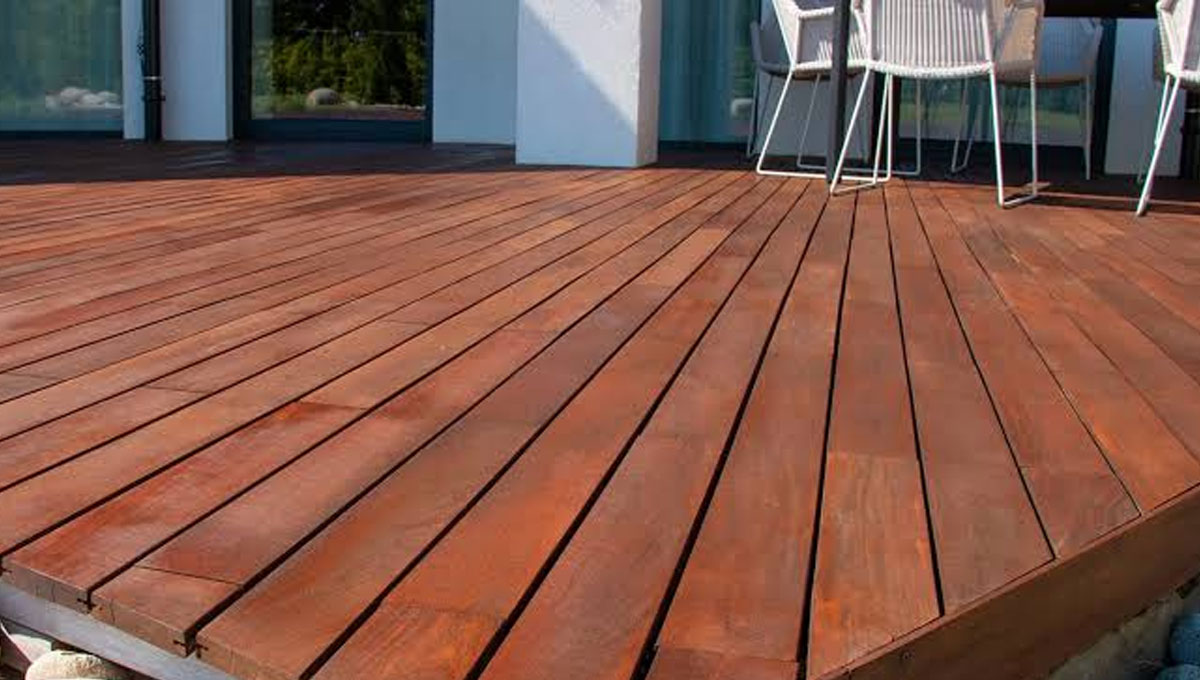
- Hardwoods such as ipe: extremely dense and durable, with a rich natural look, at a premium price.
Winter is a good time to look at samples side by side, compare colours in natural light and ask how each product handles snow, de-icing and summer heat. Some composite colours and railing systems have long lead times in spring, so settling on a choice early can make a real difference to the schedule.
Book the builder before the rush
Experienced deck builders fill their calendars early. Signing a contract in winter usually means more flexibility on start dates, more of the contractor’s attention during design and, in some cases, better availability on materials.
When you compare builders, ask for an itemized written quote, proof of WSIB coverage and liability insurance, and a clear explanation of who handles permits. Ask whether the company is certified by the manufacturers of the decking it installs, since many composite warranties depend on correct installation. Local firms such as Kerta Construction, which builds decks and fences across North Toronto, East York and Midtown, typically start with a free on-site consultation and walk homeowners through design, permits and material selection before construction is scheduled.
A realistic winter-to-summer timeline
- November to January: gather ideas, measure the space, note sun and privacy, and set a rough budget.
- January to February: meet builders, finalize the design and choose materials.
- February to March: prepare drawings and apply for any building or tree permits.
- April to May: construction begins as soon as the ground allows.
Follow that schedule and the first warm weekend of the year can be spent on a new deck rather than on the phone looking for someone to build one. The homeowners who enjoy the longest summers outside are usually the ones who planned for them while it was still snowing.