
Concrete Waterproofing Admixtures: Know these Before Using

Concrete waterproofing admixture is a type of admixture that can be used to prevent water from seeping through pores in the concrete. It blocks or repels water from entering the concrete and reduces the permeability of the concrete by forming a hydrophobic layer in the concrete. Waterproofing additives are used in admixture to enhance the waterproofing capability.
There are 4 types of concrete waterproofing admixture are availble. Its durability lasts long until the concrete is cracked or damaged completely. Using a concrete admixture can reduce the concrete workability. But it does not increase the strength. Other admixtures can be used with the concrete waterproofing admixture, and you do not need any external waterproofing after using this method.
Concrete waterproofing admixture is applied when the concrete is mixed, and you can use it for various construction purposes to stop water seeping it self. Admixture waterproof concrete should be protected without damage to its structure. So you should follow the steps and contact Aqviz experts for further support when using Concrete Waterproofing Admixture.

What is Concrete Waterproofing Admixture?
Concrete waterproofing admixture is a type of admixture that can be used to prevent water from seeping through pores in the concrete. Concrete waterproofing admixture blocks or repel water from entering the concrete and reduce the permeability of the concrete by forming a hydrophobic layer in the concrete.
Concrete waterproofing admixtures are often referred to as water repellent, hydrophobic, or permeability reducing admixtures. This can be used on the basement, water tanks, tunnels, swimming pools, and other structures that are heavily exposed to water.
The most important advantages of using Concrete waterproofing admixture are enhanced durability, reduced maintenance cost, and protection of the concrete against efflorescence and freeze-thaw damage.
What are the Concrete Waterproofing Additives?
Concrete waterproofing additives are materials which are added to a concrete mixture to enhance its resistance to water penetration.
Concrete waterproofing additives include 3 main varieties of substances such as crystalline admixtures, hydrophobic pore-blocking ingredients, and common waterproofing additives.
- Crystalline admixtures: Crystalline admixtures work by reacting with the by-products of cement hydration to form insoluble crystals that fill pores and capillary tracts within the concrete.
- Hydrophobic pore-blocking ingredients: Hydrophobic pore-blocking ingredients create a water-repellent layer within the concrete, significantly reducing its permeability.
- Supplementary cementitious materials: Supplementary cementitious materials include slag, silica fume, fly ash, and certain polymers that improve the density and compaction of the concrete to reduce the pores in the concrete structure.

What are the 4 Types of Concrete Waterproofing Admixture?
Concrete waterproofing admixtures are mainly 4 types: crystalline admixture, hydrophobic pore blocking admixture, supplementary cementitious materials, and integral waterproofing admixtures.
- Crystalline admixtures: Crystalline admixtures chemically react with water and cement particles to form insoluble crystals within the concrete’s pores and capillaries. Crystaline reaction continues over time. It helps to seal cracks and create a self-healing capability.
- Hydrophobic pore blocking admixtures (HPBAs): HPBA materials, typically based on silanes, siloxanes, or fatty acids. It creates a hydrophobic (water-repellent) layer within the concrete. HPBA layer significantly reduces water absorption by blocking capillary pores, making them suitable for above-ground structures exposed to rain and moisture.
- Supplementary cementitious materials (SCMs): Supplementary cementitious materials like fly ash, slag, and silica fume improve the density and microstructure of concrete. SCMs works by filling in gaps and reducing the size of capillary pores, and they lower the permeability of the concrete.
- Integral waterproofing admixtures: Integral waterproofing admixtures consist of combining different mechanisms, such as crystalline growth and hydrophobic effects, to provide comprehensive waterproofing. They are often used in high-performance concrete for critical infrastructure projects.

What is the Durability of Admixture Waterproofed Concrete?
The durability of admixture waterproof concrete lasts long until the concrete layer is fully cracked or damaged by the external force. Admixture waterproofing creates a long lasting water barrier against infiltration. Admixture waterproofing has a self healing properties that can produce new crystals when a new crack is formed.
Concrete waterproofing admixture is chemical resistant, and it protects the concrete from aggressive substances such as chloride, sulfate, and other harmful chemicals.
Concrete waterproofing admixture reduces maintenance costs, and it has higher environmental adaptability to withstand wet and dry cycles, extreme temperatures, and exposure to marine environments.
Is Concrete Workability Reduced by the Waterproof Admixtures?
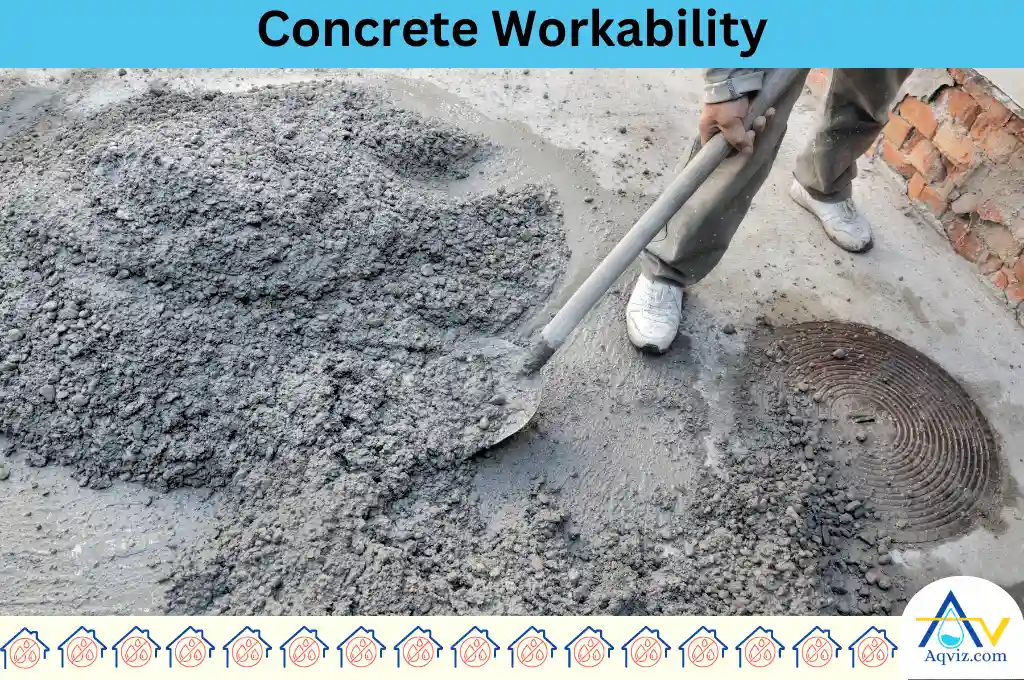
Yes, waterproof admixtures can reduce the workability of concrete. Because waterproof admixtures improve the water resistance of concrete and form a denser and less porous concrete mixture.
Water resistance due to admixture waterproofing can make the concrete less fluid and more difficult to work with. To improve the workability, you should add additional water or other workability-enhancing admixtures. You should balance this to avoid compromising the concrete’s strength and durability.
Is Concrete Strength Increased by the Waterproof Admixtures?
No, Waterproof admixtures do not increase the compressive strength of concrete. Waterproof admixtures enhance the durability and resistance to water penetration, which can indirectly contribute to maintaining the concrete’s strength over time by reducing the risk of deterioration due to moisture-related factors like freeze-thaw cycles or chemical ingress.
Can You Use Other Admixtures in Concrete with Waterproof Admixtures?
Yes, you can use other admixtures in combination with waterproof admixtures in concrete. Before you apply by combining admixtures you should consider the compatibility and potential interactions between different admixtures to ensure that they don’t interfere with each other’s performance or cause undesirable effects on the concrete’s properties.
Should you Use Other Waterproof Methods after Using Admixture Waterproofing on Concrete?
Using additional waterproofing methods after admixture waterproofing depends on the higher hydrostatic pressure and long term exposure to water. Because admixture waterproofing does not provide complete waterproofing protection on the whole structure against higher hydrostatic pressure long term. Applying common waterproofing methods like surface coating or sealant can provide extra water protection to the structure.
When Should You Apply Waterproofing Admixture in Concrete?
You should apply admixture waterproofing into the concrete during the concrete mixing. When the admixture is added to concrete during the mixing process, it can spread all over the concrete mixture and form crystals uniformly in the concrete, which helps to make uniform water tightness over the structure.
Basements and foundations: Waterproof admixtures are commonly used in concrete for basements and foundation walls to prevent water penetration from the surrounding soil.
Where Can You Use Concrete Waterproofing Admixture?
You can use concrete waterproofing admixture on water tanks and reservoirs, tunnels and underground structures, roof decks and balconies, bathroom and wet areas, coastal and marine structures, bridges and highways.
- Water tanks and reservoirs: Waterproof admixtures can be used in water-retaining structures like water tanks, reservoirs, and swimming pool waterproofing , which benefit from waterproof admixtures to prevent leakage.
- Tunnels and underground structures: Waterproof admixtures are essential for tunnels, underground parking structures, and other below-grade constructions to resist water ingress from the surrounding ground.
- Roof decks and balconies: Waterproof admixtures help to protect concrete surfaces exposed to rain and moisture, such as roof, deck and balcony waterproofing to prevent water infiltration.
- Bathrooms and wet areas: Waterproof admixtures are used in concrete for bathrooms, kitchens, and other wet areas to enhance water resistance and prevent water damage.
- Coastal and marine structures: Waterproof admixture concrete used in coastal areas or marine environments, where exposure to saltwater and high humidity levels is common, benefit from waterproof admixtures to resist corrosion and deterioration.
- Bridge decks and highways: Waterproofing admixtures can be used in concrete for bridge decks, highways, and other transportation infrastructure to protect against water intrusion and prolong the service life of the structure.

Can You Use Waterproof Admixture on Mortars?
Yes, you can add a waterproof admixture in mortar mixture to improve its water resistance and durability. But it does not perform well like concrete because mortar is less strong than concrete.
Hence, it can be damaged due to external force and thermal expansion by forming wider cracks. When the crystals form in wider cracks will not be stronger than concrete. Hence, water can leak from the cracks and joints in the concrete, although it is waterproofed by the admixtures.
How to Protect Admixture Waterproof Concrete?
You can protect an admixture waterproof concrete structure by following ways.
- Proper curing the admixture of waterproof concrete
- Apply surface protection on the admixture waterproof concrete.
- Prevent cracks on the admixture waterproof concrete surface
- Regular maintenance
- Manage the drainage system properly
- Follow manufacturer guidelines
- Proper curing the admixture waterproof concrete: You should properly curing the admixture waterproof concrete structure to allow the concrete to achieve its designed strength and water resistance. You can use curing compounds, membranes or wet curing methods to prevent moisture loss from the concrete initial curing period.
- Apply surface protection on the admixture waterproof concrete: You can apply a suitable surface coating or sealer to the concrete surface to enhance its waterproofing and protect it from water penetration, chemical exposure, and abrasion.
- Prevent cracks on the admixture waterproof concrete surface: You should minimize the risk of cracks in the concrete by using proper reinforcement, controlling shrinkage, and ensuring adequate joint spacing and placement.
- Regular maintenance: Inspect the waterproof concrete periodically for any signs of damage, wear, or deterioration. Perform necessary repairs promptly to prevent water infiltration and maintain the integrity of the waterproofing system.
- Manage the drainage system properly: Ensure proper drainage around and away from the waterproof concrete structure to prevent water accumulation and hydrostatic pressure buildup, which can lead to water leakage and damage over time.
- Follow manufacturer guidelines: You should always follow the manufacturer’s guidelines and recommendations for the admixture waterproofing system used in the concrete. This includes proper mixing, application, curing, and maintenance procedures to maximize its effectiveness and longevity.
What are the 8 Advantages of Concrete Waterproofing Admixture?
These are the 8 advantages of waterproof admixtures
- Improved durability of the concrete structure
- Resistance to water penetration in to the concrete
- Reduce the risk of cracking in the concrete structure
- Enhanced protection of the concrete against moisture-related damage
- Extended service life of concrete structures
- Decreased maintenance requirements of the concrete
- Greater flexibility in design and construction options
- Enhanced structural integrity in wet environments
What Are the 6 Disadvantages of Concrete Waterproofing Admixture?
6 Disadvantages of waterproof admixtures
- Increased cost compared to conventional concrete mixes.
- Potential impact on concrete workability, requiring adjustments in mix design.
- Limited effectiveness against extreme water pressures or prolonged water exposure.
- Need for proper application and compatibility with other admixtures or additives.
- Dependence on proper curing and maintenance for long-term performance.
- Variation in performance depends on the specific type and formulation of the admixture.