
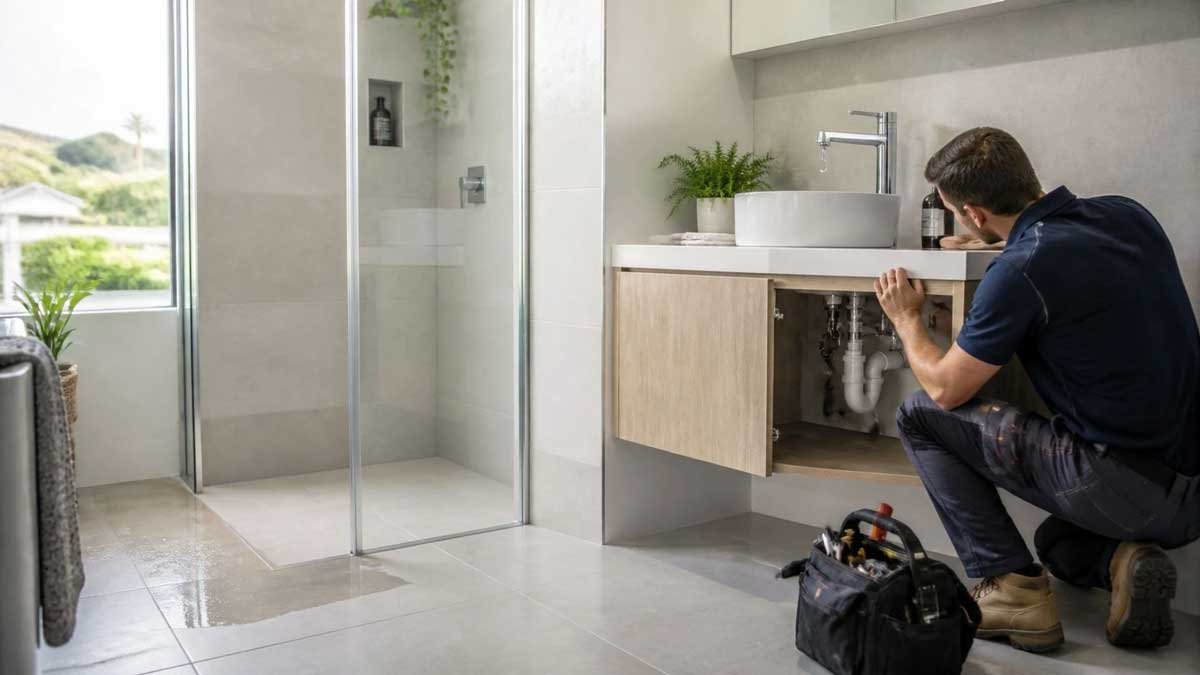

Water will always find the easiest way out, and in a bathroom, there are plenty of escape routes. I have seen countless bathrooms where a tiny, ignored drip turned into a massive structural repair job. We are talking about ripping up floorboards, replacing rotted joists, and treating extensive mould.
Knowing what usually fails is half the battle when it comes to protecting your property. Let us look at the practical realities of bathroom plumbing and what actually goes wrong.
Waterproofing Membrane Failures
Waterproofing is supposed to be the invisible shield under your tiles. In Australia, the building standards for wet areas are strict, but older homes or rushed renovations often have compromised membranes. The tricky part is you rarely see the membrane failing until the damage is already done. You might notice lifting tiles, bubbling paint on the wall in the next room, or damp smells that just won’t go away.
Structural movement over time can crack the membrane. This is especially true in older timber-framed houses that shift with the seasons or soil moisture changes. Once that protective barrier is breached, water soaks straight into the subfloor every time someone takes a shower, explains VerraTerra Property Management Bothell. The timber swells, and the problem accelerates.
The best prevention here requires attention during the build or renovation phase. Always ensure the waterproofing contractor provides a proper certificate of compliance. If you are buying an older place, getting a thermal moisture check during the building inspection is a highly recommended move. It takes the guesswork out of the purchase.
Degraded Silicone and Grout
Silicone sealant and grout are the first lines of defence in the wet areas of your bathroom. They take an absolute beating from hot water, soap, and harsh cleaning chemicals day in and day out. Over time, silicone shrinks, hardens, and peels away from the edges of the shower screen or the bathtub. Grout can crack or become porous, letting moisture seep directly behind the tiles.
Property managers and Real Estate Agents often flag worn silicone during routine rental inspections. They know exactly how quickly a simple seal failure can rot a skirting board or destroy adjacent carpet..Ignoring this area often results in expensive repairs and disagreements which is a common industry issue.
You can prevent these issues with basic visual checks.
- Check the corners of your shower base regularly for gaps.
- Look for black mould taking hold underneath the clear silicone.
- Scrape out and replace degraded silicone every couple of years.
- Re-grout areas where the old grout has worn down or washed away.
It takes an hour to strip and reseal a shower properly. That is significantly cheaper than replacing the waterlogged plasterboard behind it.
The Dreaded Flexi Hose
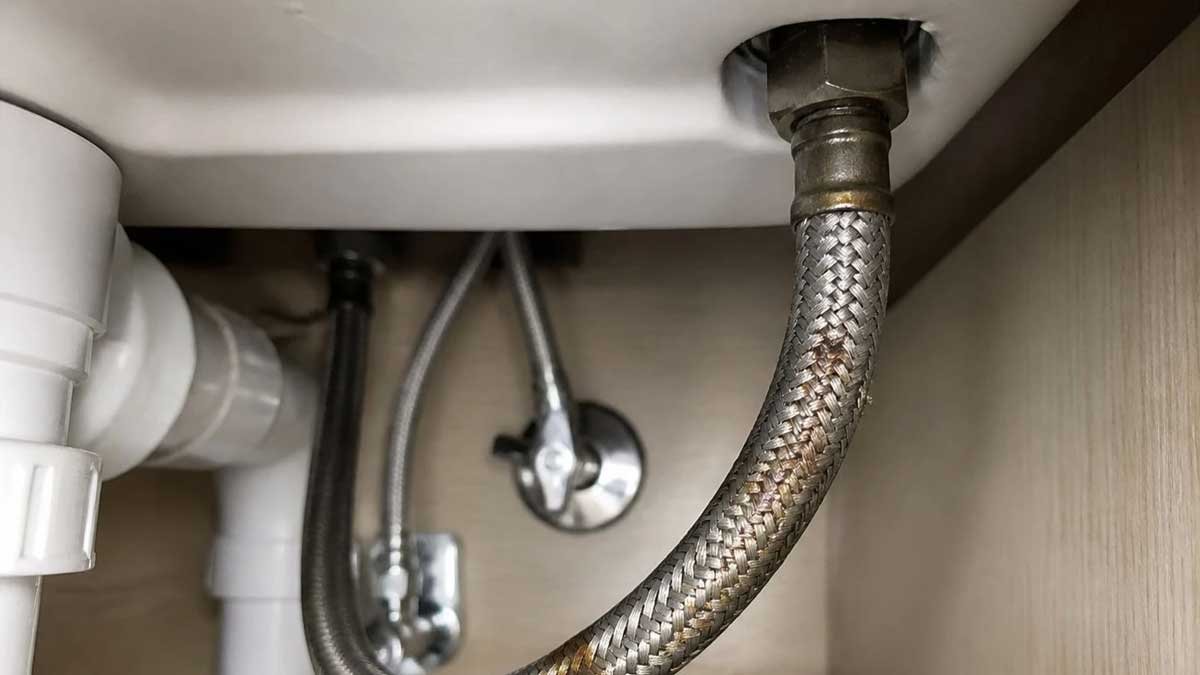
If you look underneath your bathroom vanity basin, you will probably see braided stainless steel hoses connecting the water supply to the tap. These are called flexi hoses. They are incredibly common because they are easy to install, but they are also a major cause of catastrophic indoor flooding. They have a strictly limited lifespan.
The inner rubber tube degrades over the years. Alternatively, the outer metal braiding rusts and snaps under pressure. When a flexi hose bursts, it does not just drip. It dumps mains pressure water straight into your bathroom until someone physically turns off the main valve at the property meter. This can destroy an entire house interior in a matter of hours if nobody is home.
To prevent this nightmare scenario, you need to inspect them visually every six months. Look for any signs of rust, fraying metal wires, or bulging on the braided casing. Most manufacturers recommend replacing them every five to ten years. If yours are getting on in age or look even slightly suspicious, swap them out immediately.
Dripping Taps and Leaking Spouts
A dripping tap seems harmless enough. It is easy to ignore or put off until the weekend. But a continuous drip wears down the brass seating inside the tap body. If you leave it too long, simply replacing the washer or the ceramic cartridge will not fix the issue anymore. The whole tap body might need to be removed and replaced.
Water constantly running down the drain also adds up on your quarterly water bill. More importantly, it creates a constant damp zone in the basin or bath that encourages mould growth and calcium buildup.
The prevention strategy is just prompt maintenance. Fix drips as soon as they start. If you are not confident isolating the water and dismantling the tapware yourself, call a professional. For those living in the southern suburbs, experienced plumbers bayside Melbourne can swap out worn cartridges and reseat taps quickly and correctly. Getting it sorted early saves water and protects the expensive tap hardware from permanent damage.
Blocked Floor Wastes and Drains
Hair, soap scum, and stray bits of shampoo packaging all wash down the shower grate. They eventually accumulate in the trap under the floor. When the floor waste blocks up, the water pools around your feet. If the puddle gets high enough, it can overflow the shower lip or bypass the puddle flange underneath the tiles.
This overflow pushes water into areas of the bathroom floor that might not be fully waterproofed. It is a common cause of mysterious ceiling stains in two-storey homes. The water finds a gap outside the designated shower zone and tracks down the pipes to the plaster below.
Prevention is as simple as cleaning out the grates regularly.
- Pull the cover off the shower drain once a month.
- Clear out the hair and gunk before it builds up into a solid mass.
- Pour a kettle of boiling water down the drain to help dissolve soap fats.
Avoid relying heavily on harsh chemical drain cleaners. They can damage older PVC pipe glue joints if used excessively.
Leaking Toilet Connections
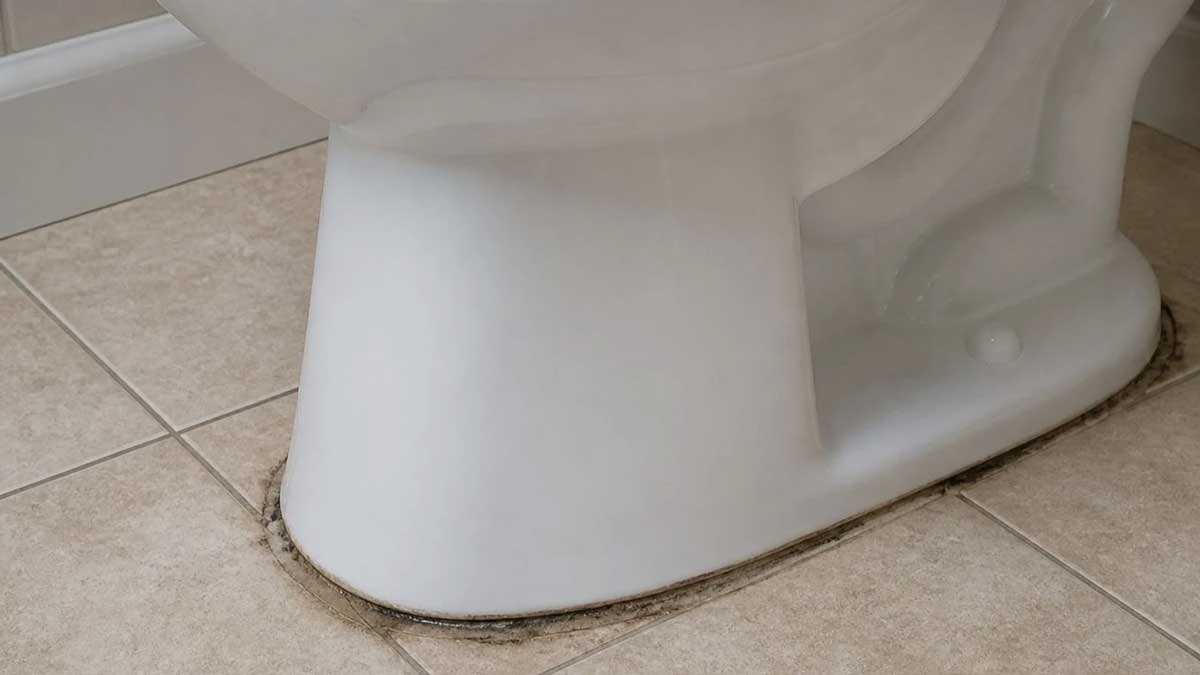
Toilets have several potential leak points that go unnoticed. The water inlet valve can leak slowly onto the floor. The rubber cone seal connecting the flush pipe to the pan can perish and crack. Or the pan collar at the base of the toilet might not be seated correctly onto the PVC drainage pipe.
A slow leak at the back of the toilet often escapes attention because it is hidden from view and happens in a dark corner. Check behind the toilet every few months. If the floor feels damp, or you notice discoloured water stains on the grout around the base, you have an active leak.
Don’t ignore a toilet that constantly runs into the bowl either. While it will not flood the floor, it wastes thousands of litres of water a year. It is a clear indicator that the internal cistern valves have failed and need replacing. Keep an eye on these components, and you will save yourself a lot of mess and money down the line.