
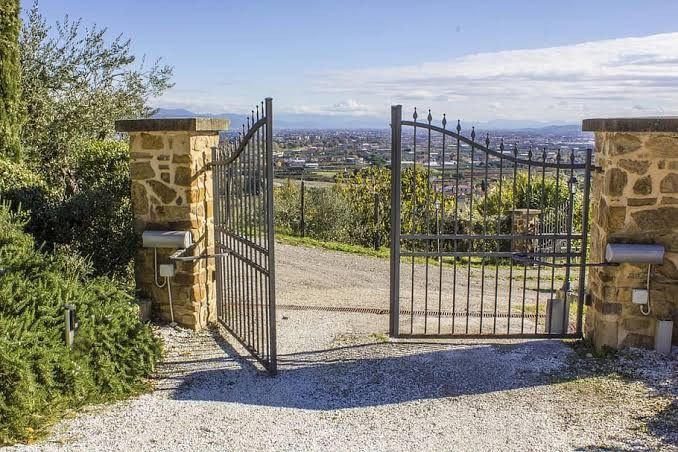

Choosing an electric gate system involves more than selecting an automated opening mechanism. The right system should suit the property’s layout, security requirements, traffic levels, and long-term operating needs. Whether installed at a residential driveway, commercial premises, or industrial site, understanding the key features of electric gates can help property owners make a practical decision.
From access control and safety technology to motor performance and maintenance, several factors should be assessed before installation.
What Type of Electric Gate Is Suitable for the Property?
Electric gates are available in different configurations, including sliding, swing and barrier gate systems. The available space and property layout will influence which option is appropriate.
Sliding gates require sufficient space along the boundary for the gate leaf to move horizontally, while swing gates need adequate clearance for the gate to open inward or outward. Barrier or boom gates are often used to control vehicle access at car parks, commercial facilities and other sites where full-width gates may not be necessary.
Understanding how the entrance is used can help determine which configuration is most practical.
Does the Gate Motor Match the Gate’s Weight and Usage?
The motor is one of the most important components of an electric gate system. It needs to provide sufficient power to move the gate consistently without being overloaded.
Gate weight, dimensions, operating frequency and opening speed should all be considered when selecting the motor. A system designed for occasional residential use may not be suitable for a busy commercial entrance that operates throughout the day.
Choosing equipment according to actual operating requirements can help support reliable performance and reduce unnecessary strain on the automation system.
What Access Control Features Are Available?
Modern electric gates can incorporate several access control options. Remote controls are commonly used for residential driveways, while commercial properties may require keypads, access cards, proximity readers, or intercom systems.
Smartphone-based access can also provide another way to manage authorised users, depending on the gate system and compatible technology.
Before choosing a system, consider who needs access, how frequently the gate will be used and whether access permissions may need to change over time.
What Safety Features Should Electric Gates Include?
Safety is an important consideration for any automated entrance. Electric gates should incorporate appropriate mechanisms to detect obstructions and help prevent accidental contact with vehicles, pedestrians or other objects.
Depending on the system, safety features may include photoelectric sensors, obstruction detection, warning lights and emergency release mechanisms.
Regular testing is also important. A safety feature is only useful if it remains correctly aligned and operational, making routine inspections and servicing an important part of gate ownership.
Can the Gate Be Integrated With Existing Security Systems?
Electric gates can often be integrated with other security and access technologies. Intercoms, CCTV systems, keypads, vehicle detection systems and building access controls may be connected depending on equipment compatibility.
Integration can allow property owners to manage multiple security functions through a coordinated system rather than relying on separate controls.
For commercial and industrial properties, this can be particularly useful when managing vehicle movements and restricting access to authorised users.
How Durable Are the Gate Components?
The durability of the gate and its hardware should match the environment and expected usage. Outdoor systems are exposed to weather, dust, moisture and temperature changes, while high-traffic entrances can place additional demands on motors, hinges, rollers and control components.
Quality construction and appropriately rated components can help support consistent operation. The surrounding environment should also be considered when selecting materials and equipment.
What Maintenance and Repair Support Is Available?
Regular maintenance can help identify developing issues before they cause significant disruption. Components such as motors, tracks, rollers, hinges, sensors and control boards should be inspected according to the system’s requirements.
For properties using automated vehicle barriers, timely Boom gate repair can be particularly important when faults affect access to car parks, commercial facilities or controlled entry points.
A reliable maintenance and repair service can help diagnose electrical, mechanical and control-system problems and restore the gate to proper operation.
Can the System Be Upgraded in the Future?
Property requirements can change after installation, so it is useful to consider future expansion. A gate system may eventually need additional access credentials, intercom functionality, smart controls, vehicle detection or integration with other security equipment.
Selecting a system with suitable compatibility can make future upgrades easier and potentially avoid the need for a complete replacement.
What Should You Check Before Choosing Electric Gates?
Before selecting an electric gate system, consider:
- Gate type and available installation space
- Gate weight and dimensions
- Expected operating frequency
- Motor capacity and opening speed
- Access control requirements
- Safety and obstruction detection
- Compatibility with existing security systems
- Durability and environmental conditions
- Maintenance requirements
- Availability of Boom gate repair and servicing
A well-planned electric gate system should balance security, convenience, safety and long-term reliability. Assessing the property’s specific requirements before installation can help ensure the chosen automation system is suitable for everyday operation and future needs.