
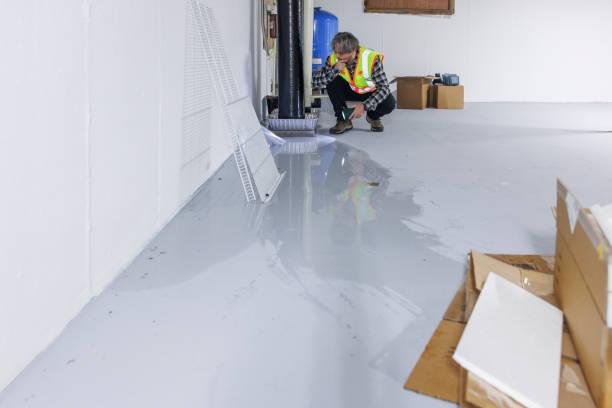

A waterproofing membrane that fails rarely announces itself with a dramatic collapse. It often shows up weeks later as a slick basement floor, a mold-coated wall, or a ceiling that gives way when saturated drywall collapses.
By then, the injured person must untangle a chain of responsibility running through a general contractor, a subcontractor, a manufacturer, and a property owner, and figuring out who pays starts with understanding that a failed waterproofing job creates two kinds of harm: physical injury and a breach of the contractor’s standard of care.
The Contractor’s Duty Runs Directly to Future Occupants
A waterproofing contractor owes a duty of reasonable care not just to the person who hired them, but to anyone who foreseeably occupies the structure afterward. This duty survives the handoff to the property owner, so a tenant injured by a mold-slicked floor two years later can still trace liability back to the original installer if the work was defective.
Courts generally require proof the contractor deviated from accepted industry standards, not merely that the waterproofing eventually failed. Products degrade, and buildings settle, and even properly installed systems have a functional lifespan. The line separates a defect caused by substandard installation from the ordinary wear any system eventually experiences.
Installation Errors Create Direct Exposure
A contractor who skips a required flood test, uses an incompatible sealant, or ignores manufacturer specifications creates a defect directly traceable to their artistry. This failure rarely implicates anyone else.
Design Flaws Shift the Analysis
When the system was specified incorrectly for the structure’s drainage needs, the architect or engineer who approved the design can share liability alongside the installer. A properly installed system built to a flawed design still fails.
Slip Hazards From Standing Water Carry Their Own Liability Track
A failed waterproofing system frequently creates a slip hazard long before mold becomes visible. Standing water on a basement floor, a damp stairwell, or a persistently wet threshold turns an ordinary walkway into a fall risk, and these injuries follow premises liability rules distinct from the mold and health-effects track.
Brent Stewart, a Beaufort personal injury lawyer at Stewart Law Offices carrying a National Trial Lawyers Top 100 Trial Lawyers designation and lifetime membership in the Multi-Million Dollar Advocates Forum, with the firm listed on Better Business Bureau, Lawyers.com, Best Lawyers, LawInfo, and Glassdoor, outlines the specific burden of proof required when pursuing these claims against a negligent property owner or contractor: “Some cases may be a little different, like waterproofing injuries and slip and fall case: you have to show there was a negligent situation, that they had notice of the condition, and that they had time to remedy it; there are a few more elements.” Flooring-related falls are not a minor category of harm, and a waterproofing failure that introduces chronic dampness to a floor surface significantly compounds that baseline risk while creating actionable grounds for a lawsuit.
Flooring-related falls are not a minor category of harm. The Consumer Product Safety Commission reports an average of 1,800 deaths and 1.5 million emergency-room-treated injuries from flooring falls annually, with older adults bearing a disproportionate share. A waterproofing failure that introduces chronic dampness to a floor surface significantly compounds that baseline risk.
Mold Growth Turns a Moisture Problem Into a Health Claim
Water intrusion rarely stays a cosmetic issue for long. Once moisture sits behind a wall or beneath a floor, mold colonization follows a predictable timeline, and the resulting health complaints often eclipse the original property damage in severity and cost. The effects are not speculative: CDC-funded research estimates that excessive indoor dampness and mold exposure account for $3.5 billion in annual asthma costs nationwide.
A plaintiff pursuing a mold-related injury claim faces a higher evidentiary bar than a slip-and-fall case. Medical causation between a specific mold exposure and a specific diagnosis requires testimony, and defense counsel routinely challenges whether the mold present is the toxigenic variety capable of causing the claimed harm. NIOSH research found that 20 to 30 percent of the indoor workforce reports health symptoms tied to damp or moldy conditions.
When substandard waterproofing creates persistent standing water, structural failure, or toxic indoor dampness, establishing a contractor’s breach of care is essential for securing compensation for medical bills and losses. Anyone managing an injury claim caused by a property or construction defect in the Beaufort area can contact Stewart Law Offices at (843) 379-3600 or visit 205 Ribaut Rd, Suite A, SC 29902. Because physical injuries or respiratory illnesses can make travel difficult, their attorneys can visit you at home, in the hospital, or at a specialized care facility.
General Contractors Carry Vicarious Exposure for Subcontractors
A general contractor who hires a waterproofing subcontractor does not automatically escape liability when that subcontractor’s work causes injury. Most jurisdictions hold a general contractor responsible for ensuring subcontracted work meets a reasonable standard, particularly when the general contractor maintained supervisory control over the job site during installation.
This exposure deepens when the general contractor knew, or should have known, about a qualification gap. Hiring a subcontractor without verifying licensing, insurance, or a track record on similar jobs creates an independent negligence claim against the general contractor, separate from any claim against the subcontractor directly.
Construction Workers Face Elevated Fall Risk During Remediation
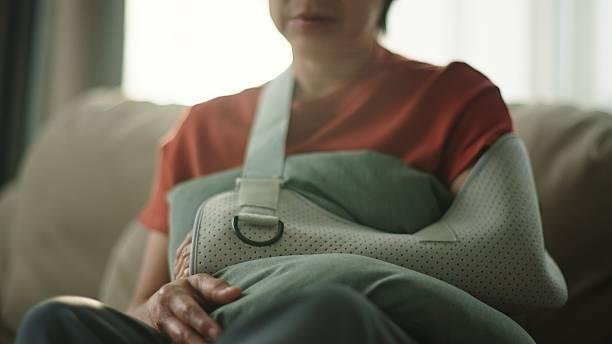
People repairing a failed waterproofing system face their own injury risk, separate from any occupant later harmed by the original defect. Construction workers experience nonfatal falls, slips, and trips at a rate of 31.5 per 10,000 workers, well above the general rate across private industry.
A worker injured while repairing a prior contractor’s defective waterproofing may have both a workers’ compensation claim against their employer and a separate third-party negligence claim against whoever created the original hazard, since workers’ compensation exclusivity rules typically do not shield an unrelated negligent party.
A Filing Deadline Limits Every Claim in This Chain
Every claim against a waterproofing contractor, subcontractor, or property owner runs against a statute of limitations that begins counting from the date of injury, not the date the work was installed. Missing that deadline bars the claim entirely, regardless of how clear the underlying negligence turns out to be.
Many states also impose a statute of repose on construction defect claims, cutting off liability after a fixed number of years from substantial completion, even if no injury has occurred yet. For example, Florida shortened its repose period from 10 years to 7 for most construction defect actions. A waterproofing system that fails a decade after installation can fall entirely outside this window, foreclosing a claim no matter how clearly defective the work turns out to have been.
Property Owners Bear Responsibility for Known Defects
A property owner who knew about water intrusion and failed to address it, or who failed to disclose a known waterproofing history to tenants or buyers, can face liability independent of the original contractor’s defective work. This duty attaches regardless of who caused the original defect, since premises liability law focuses on the owner’s knowledge and response.
Lease agreements and sale contracts sometimes attempt to shift this responsibility onto a buyer or tenant through “as-is” language. Still, courts generally will not enforce such provisions against an owner who concealed a known, material defect. The duty to disclose typically survives even broadly worded disclaimer language.