

Place two sheds side by side in a showroom and they can seem like twins, explain Keyrenter Houston professionals. Fast forward through a couple of rough winters, though, and one still stands proud while the other slumps. That difference hides in construction details most shoppers never think to examine. Learning what to look for saves money and shields whatever sits inside. Below are six structural features that decide if a garden building holds up for decades.
1. Timber Thickness and Grade
Every strong panel begins with the wood behind it. Cladding thinner than 12mm has a habit of warping, splitting, and letting damp sneak through the seams. Longer-lasting buildings favor tongue-and-groove boards near 16mm or beyond, which interlock and refuse to bow.
Thickness is only part of the picture; grade provides the rest. Seasoned, slow-grown softwood grips fasteners tightly and barely shrinks. Anyone browsing wooden garden sheds for sale should ask about board dimensions and moisture readings because those numbers say far more than any polished catalog image. As a rule, a heavier panel points to denser, hardier material hiding beneath the finish. Wood dried to roughly 18 percent moisture stays stable, while damp stock shrinks and cracks once it settles indoors.
2. Framing and Joint Quality
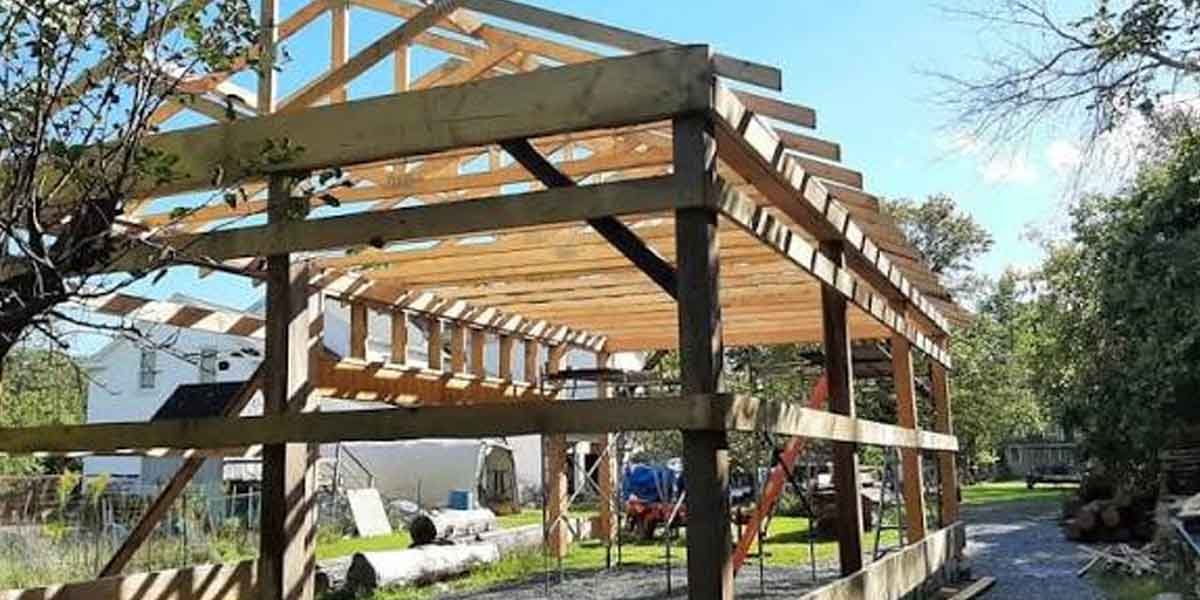
Support each panel, and you will find a frame whose dimensions govern rigidity. Budget models lean on skinny battens stapled at generous gaps. Well-made ones rely on chunkier framing timber, packed closer together, and held with screws instead of staples.
Give the corners a close look as well. Braced connections and mortise joints keep walls square when wind leans on them. Simple butt joints tend to work loose fast and let the whole frame twist. Studs sitting no more than 600mm apart give cladding firm backing, so panels stay flat rather than bulging between supports over time.
3. Roof Design and Covering
Weather punishes roofs hardest, so their construction speaks volumes. A steep enough pitch throws rainwater off quickly and prevents the puddling that quietly rots timber.
Covering Materials
Bargain felt splits within a year or two, particularly where the sun beats down. Sturdier choices such as heavy mineral felt, shingles, or EPDM membranes go the distance; some rubber membranes carry guarantees stretching past twenty years. Fitting solid sheet boarding under the covering, rather than flimsy sarking, boosts strength and stops sagging between the rafters. A modest roof overhang also flings runoff away from the walls, sparing them from constant soaking.
4. Floor Strength and Support
Floors bear every load placed on them, from mowers to loaded workbenches. Weak boards flex when you step on them and cave under heavy items. Dependable designs pair thick floorboards with sturdy bearers that raise the base above damp ground.
Airflow beneath the floor keeps timber dry and prevents rot. Sheds parked straight on bare soil trap moisture and rot from below, often well before anything shows on the surface. Setting the building on a level paved or concrete base spreads the weight evenly and stops one corner from sinking, which throws the doors and frames out of true.
5. Weatherproofing and Treatment
Great timber still fails without a shield. Factory pressure treatment drives preservative deep into the grain, protecting against fungus and insects for years. A brushed-on coat looks similar but soaks in far less, so it needs topping up more often.
Sealing the Gaps
Careful construction seals joints, door edges, and window frames against wind-driven rain. Overlapping cladding and drip edges steer water clear of weak spots. Sloppily finished buildings leave openings where damp slips in and quietly spreads. Even small vents high on the gable ends help air circulate, cutting the condensation that otherwise gathers and slowly damages stored belongings.
6. Doors, Windows, and Hardware
Tiny parts frequently betray large quality gaps. Solid doors hang on heavy hinges, sit braced against droop, and shut flush with no gaps. Cheaper ones sag inside months and usher weather straight in.
Glazing deserves attention too. Toughened glass or clear styrene shrugs off knocks better than thin plastic sheeting. Reliable locks and galvanized fixings finish off a building built to face real outdoor punishment. Rust-resistant screws and hinges matter, especially near coastal air, where salt eats through cheap metal at surprising speed.
Conclusion
A hard-wearing garden building seldom looks worlds apart at first glance, yet its details give the game away. Timber thickness, framing, roofing, flooring, treatment, and hardware together settle how gracefully it weathers the seasons. Shoppers who study these six areas spare themselves an expensive letdown down the line. A few pointed questions before buying reward owners with a structure that stays firm and dry for many years to come.