
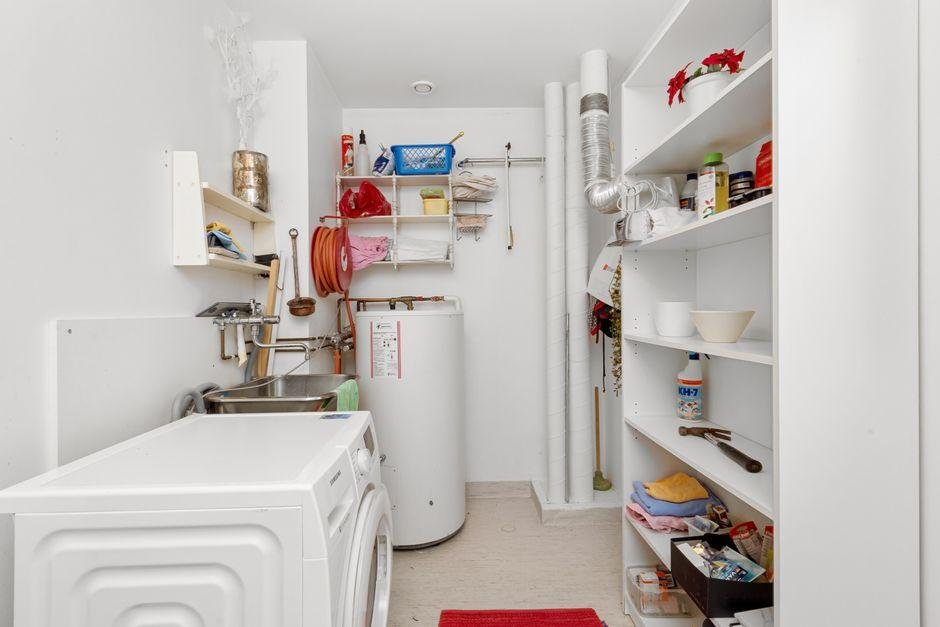

A basement can be a handy place for storage, laundry, hobbies, or that treadmill you swear you’ll use next week. If you own a home in the Columbus area, changing seasons, heavy rain, and shifting soil can sometimes make basement moisture harder to avoid. It can also become the part of your home that smells a little like wet cardboard and regret if moisture gets in.
Why Moisture Matters
A little basement dampness can seem harmless at first. Maybe it’s just a faint musty smell or a corner that feels cooler than the rest. Still, moisture tends to stick around and cause trouble slowly. It can warp stored boxes, damage paint, and make the space feel uncomfortable even if you don’t use it every day.
If you live in Columbus or elsewhere in central Ohio, changing weather patterns and local soil conditions can make basement moisture more common than many homeowners expect. When dampness keeps returning after heavy rain, many people begin looking into Basement Waterproofing Columbus services to identify the cause and protect their home’s foundation before the problem gets worse.
A dry basement protects more than old holiday decorations. It helps your whole home feel cleaner, smell better, and stay in better shape over time.
Spot Early Warning Signs
You usually get clues before a basement turns into a full splash zone. One of the first signs is smell. If the room has a musty odor, especially after rain, moisture is probably hanging around somewhere. Sometimes your nose notices the problem before your eyes do.
Look at the walls and floor next. Water stains often show up as yellowish or brown marks. Peeling paint, bubbling wall coatings, and white chalky residue can also point to moisture. That white powder is called efflorescence, but you don’t need to memorize the name unless you want to win a very niche trivia round.
Check windows, pipes, and corners for condensation or damp patches. Notice if cardboard boxes feel soft or if fabrics stored downstairs feel clammy. Small puddles near walls after storms are another obvious sign, though some leaks dry up fast and leave only stains behind.
If you catch these symptoms early, you usually have more options and a better chance of preventing expensive damage.
Common Causes at Home
Many basement water problems start outside the house, not inside it. Rainwater should move away from your foundation. If your gutters are clogged or your downspouts dump water right beside the house, that water has nowhere smart to go. It often seeps down along the foundation and tries to find an entrance.
The slope of your yard matters too. If the ground tilts toward your house, water naturally heads that way like it was invited. Even a small grading problem can cause repeated dampness over time. Window wells can also fill with water if they’re blocked with leaves or dirt.
Inside the basement, humidity can make things worse. Dryers, showers, and even normal summer air can add moisture. Tiny foundation cracks or gaps around pipes may also let in water during storms.
Sometimes one issue is responsible, but more often several small problems work together. Gutters, grading, humidity, and tiny foundation openings can combine to let moisture build up over time.
Fixes That Help Fast
You can do a few useful things right away without turning your weekend into a construction project. Start with storage. Move boxes, rugs, and furniture slightly off the floor, especially along exterior walls. Plastic bins work better than cardboard if moisture is a concern.
Then head outside and check your gutters and downspouts. Clean out debris and make sure downspouts send water several feet away from your home. If needed, add extensions. It’s not glamorous work, but it helps a lot.
Inside, use a dehumidifier if the air feels sticky or smells damp. That won’t stop water from entering, but it can make the space healthier and more comfortable. You can also seal very small gaps around pipes or windows with appropriate caulk, as long as the leak is minor and easy to identify.
Keep an eye on what happens after rain. If one corner always gets wet, note it. Patterns matter. Your basement often gives small warning signs before bigger problems develop. Paying attention to those patterns can help you act sooner.
When to Call Help
Some problems go beyond quick fixes. If water keeps returning no matter what you do, it’s time to get a professional opinion. Repeated leaks usually mean the source is larger than a simple humidity issue or missed gutter cleaning.
You should also pay attention to structural signs. Large wall cracks, bowing walls, uneven floors, or doors that suddenly stick can point to foundation movement. That’s not a “maybe next month” kind of situation. Mold growth is another reason to act fast, especially if it spreads or affects air quality.
Flooding after storms, standing water near the foundation, or soaked basement walls also deserve expert attention. The same goes for sump pump problems if your home relies on one.
Calling for help doesn’t mean you failed at home maintenance. It means you noticed the signs and made a smart move before things got worse. That’s not overreacting. That’s homeowner wisdom with better timing.
Habits for Every Season
Keeping a basement dry works best when you treat it like a year-round habit instead of a once-a-decade emergency. In spring, check for runoff problems after heavy rain. Clear gutters, inspect downspouts, and look for soggy spots near the foundation.
In summer, focus on indoor humidity. Run a dehumidifier if needed and make sure the space has decent airflow. Fall is the time to remove leaves from gutters and window wells before they turn into wet, messy clogs. In winter, watch for snowmelt and check for drafts or condensation near basement windows.
It also helps to do quick monthly walk-throughs. Look for new stains, sniff for musty air, and peek behind stored items now and then. Those tiny checks are easier than dealing with a major repair later.
A dry basement rarely happens by accident. It usually comes from small, consistent maintenance habits and addressing moisture before it turns into a larger problem.