
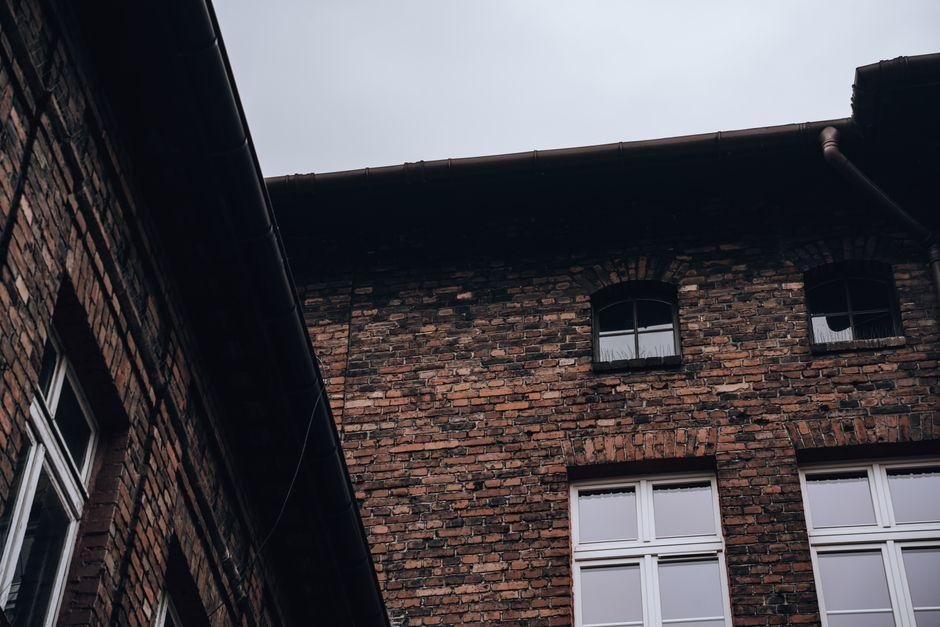

If your gutters are drooping like they skipped their morning coffee, your house may be trying to tell you something, point out Keyrenter Boise experts. Gutters are easy to ignore because they sit up high and quietly do their job. But when they start failing, the mess shows up fast. You might spot puddles, peeling paint, or little waterfalls pouring off the roof during rain. Knowing when it’s time to repair or replace your gutters can save you money, stress, and a soggy yard.
Warning Signs to Watch For
You don’t usually need a ladder to notice gutter trouble. Start by looking at what happens during and after rain. If water spills over the sides, pools near your foundation, or leaves muddy trenches in flower beds, your gutters may be struggling.
Cracks, holes, and seams pulling apart are also red flags. So are gutters that sag or lean away from the house. At that point, many homeowners begin comparing local gutter installers because repeated patch jobs often become more expensive than replacing the system.
Peeling paint near the roofline can mean water is escaping where it shouldn’t. Mildew on siding is another clue. You might even notice screws on the ground or sections that rattle in the wind. Gutters should channel water calmly, not throw a tiny roof tantrum every storm.
Why Gutters Matter
It’s easy to think gutters are just metal strips hanging off the roof. They actually act like traffic guides for rainwater. They move water away from places where it can do expensive damage.
When gutters work well, they help protect your foundation from water buildup. They also reduce the chance of soil erosion around your home. That means fewer puddles, less mess, and less stress after a big storm.
Good gutters also protect siding, fascia boards, and even your basement in some homes. If water keeps running down exterior walls, paint can bubble and wood can rot. Over time, that can turn a simple gutter issue into a much bigger repair.
Your landscaping benefits too. Without proper drainage, flower beds get washed out and mulch floats away like it’s making a dramatic exit. Gutters may not be glamorous, but they’re hard workers.
Repair or Replace?
Some gutter problems are small and fixable. A single loose bracket or one clogged downspout doesn’t always mean you need a full replacement. If the system is fairly new and the damage is limited, a repair can make sense.
But if you keep dealing with leaks in different spots, that’s a different story. Frequent repairs often mean the whole system is wearing out. Rust, deep corrosion, and multiple cracks usually point toward replacement instead of another temporary fix.
Age matters too. Most gutter systems are built to last for years, but they don’t last forever. If yours are older and showing several issues at once, they may be at the end of the road. Sagging sections are especially important because they stop water from flowing properly.
A good rule is simple. If the problem is isolated, repair may work. If the trouble keeps returning or shows up in several places, replacement is often the smarter move.
When to Take Action
A lot of people wait until gutters fail badly, usually during the exact storm when they need them most. That’s a rough time to realize water is pouring next to the foundation. It’s better to act before heavy rain seasons start.
Spring and fall are often practical times to inspect and replace gutters. In spring, you can catch winter damage. In fall, you can prepare for rain and clogged leaves before colder weather rolls in.
Waiting too long can create a chain reaction. A small leak becomes fascia damage. Overflow turns into soil erosionWater near the house can even lead to mold growth or basement moisture. That’s when a delayed fix starts costing more than expected.
If your gutters are clearly failing, don’t put it off for “someday.” Home repairs have a sneaky way of becoming more expensive the longer you put them off.
Choosing the Right Gutters
Picking new gutters doesn’t need to feel like a science project. Most homeowners just need a system that matches the house, handles local weather, and lasts without constant fuss.
Material is one of the big choices. Aluminum is popular because it’s lightweight, resists rust, and comes in many colors. Steel can be strong but may need more attention over time. Copper looks beautiful, though it usually costs more.
Gutter size matters too, especially if your roof collects a lot of rainwater or you live in an area with frequent heavy rainfall. A contractor can help determine if standard sizing works or if a larger option makes more sense.
You’ll also want gutters that fit the style of your home. They should look clean and balanced, not bulky or awkward. The best choice is usually one that performs well and blends in, like a helpful sidekick.
Questions to Ask
Before hiring anyone, ask a few practical questions. You don’t need to sound like a building inspector. Just focus on the details that affect your cost, timeline, and peace of mind.
Start with a few simple questions:
- What material do you recommend for my home?
- Will you replace damaged fascia if needed?
- How long will the job take?
- What kind of warranty is included?
Then ask about cleanup and drainage. Will they remove old materials? Where will the downspouts direct water? That part matters more than people think. A great gutter system still needs to send water far enough away from the house.
It also helps to ask whether they’ve worked on homes like yours before. Older homes, steep roofs, and tricky rooflines can all affect installation. Clear answers now can save you from surprises later.
A Smart Home Upgrade
Replacing gutters may not feel as exciting as a kitchen makeover, but it’s one of those upgrades that quietly protects everything else. When your gutter system works, you don’t think about it much. That’s actually the goal.
A solid replacement can help prevent water damage, preserve landscaping, and reduce future repair headaches. It can also make your home look neater from the street. Straight, clean gutters do more for curb appeal than people expect.
If you’ve noticed sagging, leaks, rust, or overflow, take those signs seriously. You don’t need to panic, but you also don’t want to wait until the next storm turns your yard into a splash zone.
Think of new gutters as an investment in protecting your home, not just another expense. They help your home handle rain the way it should, with less drama and a lot fewer puddles.