
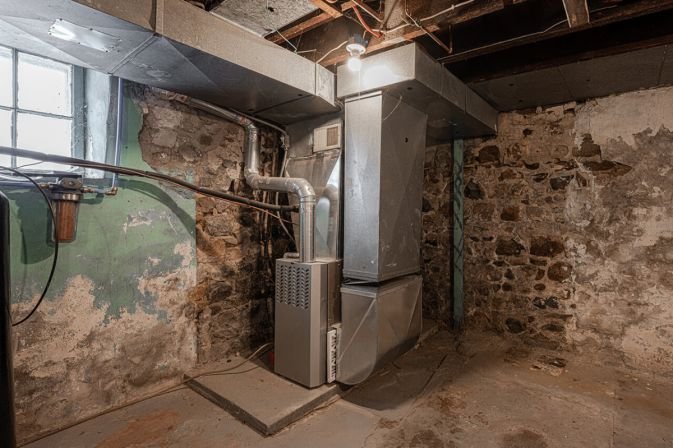

Your old home furnace is 18 years old and has finally given out this cold winter season. The HVAC repair technician says replacing the unit would be a better investment than repairing the cracked heat exchanger. You have no idea whether a new furnace replacement will cost $2,000 or $6,000 or whether a high-efficiency model is worth the extra money. A furnace replacement cost estimator tool helps you understand what factors affect the final price so you can budget more accurately for your home heating replacement project overall.
The total furnace replacement cost in the home ranges from $1,500 to $8,000 depending on the fuel type, the size of the unit, the efficiency rating, and the installation complexity. The average homeowner usually spends $2,500 to $6,000 for a standard gas furnace replacement with professional installation labor included in the price.
This guide covers furnace replacement cost estimator factors — furnace type, AFUE rating, size, labor, and additional costs — to help you plan your budget and compare quotes.
Average Furnace Replacement Cost by Type
The fuel type is the biggest factor in furnace replacement cost. Each type has different equipment costs, efficiency levels, and installation requirements. The table below shows typical installed costs for each furnace type in a standard single-family home.
| Furnace type | Equipment cost | Installed cost | AFUE range |
| Gas furnace (standard) | $1,000u2013$2,500 | $2,500u2013$5,000 | 80u201383% |
| Gas furnace (high-efficiency) | $1,500u2013$3,500 | $3,500u2013$6,500 | 90u201398% |
| Electric furnace | $500u2013$1,500 | $1,500u2013$3,500 | 95u2013100% |
| Oil furnace | $2,000u2013$4,000 | $4,000u2013$8,000 | 80u201395% |
| Propane furnace | $1,200u2013$2,800 | $3,000u2013$6,000 | 80u201398% |
Gas Furnace Replacement Cost
Natural gas furnaces are the most common type of heating system found in North American homes today. The total cost to replace a gas furnace in a home ranges from $2,500 to $6,500 depending on the efficiency rating and the size of the heating unit needed.
A standard 80 percent AFUE gas furnace for a home costs $2,500 to $5,000 installed by a contractor. Eighty percent AFUE means 80 percent of the fuel is converted to heat and 20 percent is lost through exhaust. Standard furnaces use a metal flue pipe and do not require a condensate drain. They are less expensive to install than high-efficiency models and are suitable for homes in moderate climates.
A high-efficiency 90 to 98 percent AFUE gas furnace for a home costs $3,500 to $6,500 installed. These furnaces use a secondary heat exchanger to capture additional heat from the exhaust, reducing fuel consumption by 15 to 25 percent compared to a standard furnace. High-efficiency furnaces require a PVC exhaust pipe and a condensate drain, which adds to the installation cost. They are the best choice for homes in cold climates and for homeowners who plan to stay in the home for more than five years.
The AFUE efficiency rating directly affects the yearly operating cost of the furnace. A high-efficiency 96 percent AFUE gas furnace saves $100 to $300 per year in energy costs compared to a standard 80 percent efficiency furnace. The payback period for the higher upfront cost is three to seven years. After that, the savings go directly into your pocket.
Electric Furnace Replacement Cost
Electric furnaces are less expensive to purchase upfront than gas furnaces but are more expensive to operate in most areas of the country for heating. The replacement cost ranges from $1,500 to $3,500 installed. Electric furnaces have an AFUE rating of 95 to 100 percent because there is no exhaust loss.
Electric furnaces are simpler in design than gas furnaces and require less maintenance over their lifespan. They have fewer moving parts and no combustion system, which means fewer things can break. The lifespan of an electric furnace is 20 to 30 years, compared to 15 to 20 years for a gas furnace.
The yearly operating cost of an electric furnace depends on the local electricity rate in your area. In areas with high electricity rates, an electric furnace costs two to three times more to operate than a gas furnace. In areas of the country with low electricity rates, the operating cost is competitive with natural gas heating. Electric furnaces are most common in areas of the country where natural gas is not available on the street and in homes with heat pump systems.
Electric furnace units for the home are also smaller and lighter in weight than gas furnaces, which makes installation easier and less expensive. The installation work typically takes about four to six hours for a direct replacement of the furnace.
Oil Furnace Replacement Cost
Oil furnaces are common in the northeastern United States region and in areas where natural gas is not available. The replacement cost ranges from $4,000 to $8,000 installed, making oil furnaces the most expensive type to replace.
The higher cost of oil furnace replacement comes from the equipment itself and material costs and from the additional components required. An oil furnace requires an oil tank, which may need replacement at the same time. An oil tank costs $500 to $1,500 depending on the size and whether it is above ground or buried.
Oil furnaces also require annual maintenance to keep the burner clean and operating efficiently. The annual maintenance cost is $100 to $200, similar to gas furnace maintenance. Oil prices fluctuate more than natural gas prices, which makes the operating cost less predictable.
Many homeowners in oil-heated homes are now converting to natural gas or heat pump systems when their oil furnace needs replacement. The conversion cost includes the furnace replacement plus the gas line installation if natural gas is available on the street. Gas line installation from the street to the home adds $500 to $2,000 to the total cost.
An HVAC contractor with 22 years of experience explained: “The most common mistake homeowners make with furnace replacement is choosing the cheapest option without considering the long-term operating cost. A high-efficiency furnace costs $1,000 more upfront but saves $200 per year.”
Furnace Size and Efficiency — How They Affect Price
The size of the furnace, measured in BTUs of heating capacity, and the AFUE efficiency rating are the two main factors that determine the equipment cost. Choosing the right size and efficiency is critical for comfort and operating cost.
Furnace size is determined by a professional load calculation that takes into account the home size, insulation levels, window quality, and climate zone. A furnace that is too large short-cycles — turns on and off frequently — which wastes energy and causes temperature swings. A furnace that is too small runs constantly and cannot keep the home warm on the coldest days.
A 60,000-BTU furnace is suitable for heating a 1,200-to-1,600-square-foot home. An 80,000-BTU furnace covers about 1,600 to 2,200 square feet of living area. A 100,000-BTU furnace covers 2,200 to 3,000 square feet. The cost increases by $200 to $500 per size increment. Getting the right size is essential — a professional load calculation costs $100 to $200 and is worth the investment.
Beyond sizing considerations, evaluating regional contractors who understand local climate demands helps ensure proper setup. Working with an experienced team like Atlantic Shores Heating and Cooling hvac company allows homeowners to navigate complex heating options, ensure proper system airflow, and maintain long-term operating efficiency throughout cold seasonal periods.
The AFUE rating determines the efficiency. Standard 80 percent furnaces cost less upfront. High-efficiency 90 to 98 percent furnaces cost more but save money over time. A two-stage or modulating furnace provides better comfort than a single-stage furnace and costs $300 to $800 more. Two-stage furnaces run at low speed most of the time for even heating and quieter operation.
Installation Labor and Additional Costs
Installation labor adds $500 to $1,500 to the total furnace replacement cost. The labor cost depends on the complexity of the installation and the local labor rates in your area.
A direct furnace replacement — removing the old furnace unit and installing a new one in the same location with the same type of fuel — costs $500 to $800 in labor. The work takes four to eight hours for a crew of two. A direct replacement is the least expensive installation option.
A conversion to a different fuel type of heating — from oil to gas, for example — costs $800 to $1,500 in labor costs plus the cost of any new gas lines, exhaust pipes, or electrical work. Conversions require permits and inspections, which add $100 to $400 to the total.
Additional costs that may affect the total include ductwork modifications at $300 to $1,000, thermostat replacement at $100 to $500, and old furnace removal and disposal at $100 to $300. Permit fees for the job add $100 to $400 to the total. Some contractors include these costs in the installation quote they provide to you. Others charge them separately.
Frequently Asked Questions
How much does it cost to replace a furnace?
Furnace replacement costs $1,500 to $8,000. Gas costs $2,500 to $6,500. Electric costs $1,500 to $3,500. Oil costs $4,000 to $8,000. Installation labor adds $500 to $1,500.
Is a high-efficiency furnace worth the extra cost?
Yes, for most homeowners. A 96 percent AFUE furnace saves $100 to $300 per year compared to an 80 percent model. The payback period is three to seven years. If you plan to stay in your home for five years or more, the savings justify the higher upfront cost.
What size furnace do I need for my home?
A professional load calculation determines the correct size. A 60,000-BTU furnace is suitable for 1,200 to 1,600 square feet. An 80,000-BTU furnace covers about 1,600 to 2,200 square feet of living area. A 100,000-BTU furnace covers up to about 3,000 square feet of home space.
How long does furnace replacement take?
A direct replacement takes four to eight hours. A fuel type conversion takes eight to 12 hours. Most installations are done in one day.
Is old furnace removal included in the replacement cost?
Most contractors include old furnace removal. Confirm this before signing. If not included, removal adds $100 to $300 for disposal.
Do I need a permit for furnace replacement?
Most areas require a permit when changing fuel type. The fee is $100 to $400 and is usually included in the quote from the professional installation contractor themselves before the work actually starts.
What warranty comes with a new furnace?
New furnaces have a 5 to 10 year parts warranty. The heat exchanger is covered for 20 years. Labor warranty from the contractor is 1 to 2 years.
What AFUE rating should I choose for my new furnace?
Choose 80 percent AFUE for moderate climates. Choose 90 to 98 percent for cold climates and long-term savings. DOE recommends high-efficiency for northern regions.