


For many homeowners, the mortgage is the largest single debt they will ever carry. The idea of eliminating that monthly payment and owning a home free and clear is a powerful motivator. Learning how to pay off your mortgage faster is not just about saving money; it is about gaining financial flexibility and peace of mind, explains Beyond Property Management Vista. While a standard 30-year fixed-rate mortgage provides predictable payments, the total interest paid over three decades can be staggering.
The journey to a mortgage-free life requires discipline, a clear understanding of how loan amortization works, and a willingness to allocate extra funds toward your principal balance. This guide explores practical, actionable strategies to accelerate your mortgage payoff, from simple bi-weekly payments to more aggressive lump-sum contributions. We will also examine the potential trade-offs, such as balancing early payoff with other investment opportunities, to help you make an informed decision that aligns with your broader financial goals.
Understanding Your Mortgage: The Basics of Principal and Interest
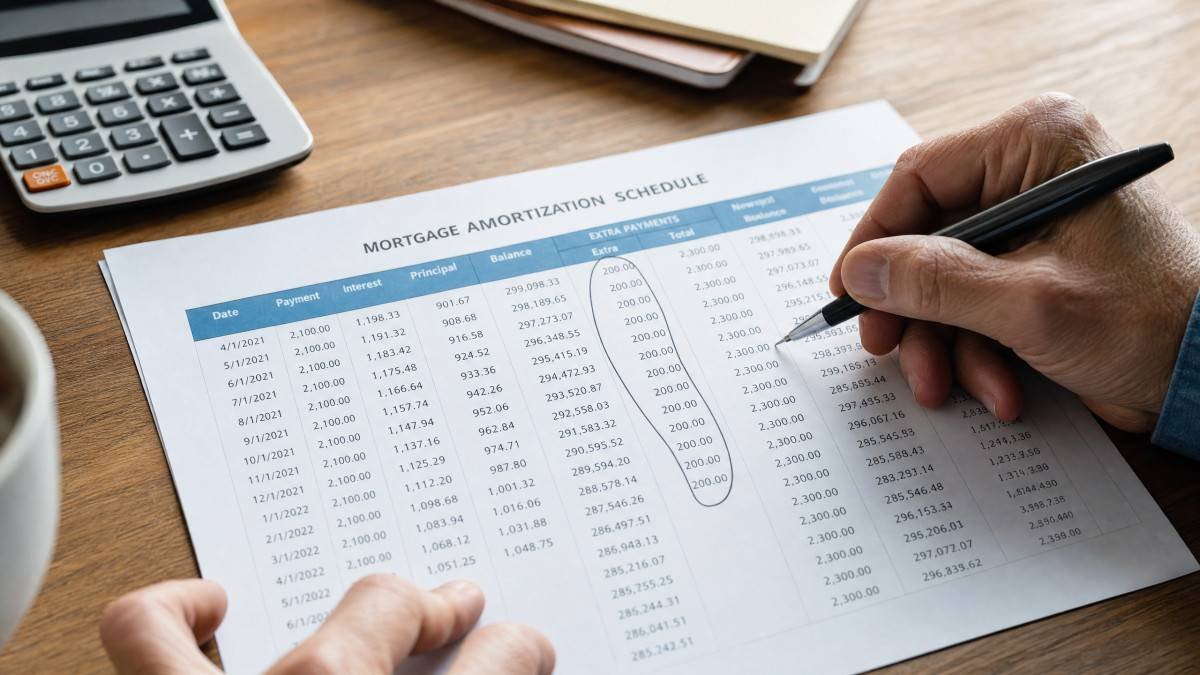
To effectively pay off your mortgage faster, you must first understand how your payments are applied. A standard mortgage payment consists of principal (the amount borrowed) and interest (the cost of borrowing). In the early years of a 30-year loan, a significant portion of your payment goes toward interest, with only a small fraction reducing the principal balance. This process, known as amortization, means that early extra payments have a disproportionately large impact on reducing your total interest costs.
According to the Consumer Financial Protection Bureau (2023), understanding your loan estimate and closing disclosure is crucial for recognizing how your payments are structured. When you make an extra payment, it is essential to specify that the funds should be applied directly to the principal. If you do not, the lender might simply apply it to your next scheduled payment, which includes interest, defeating the purpose of the extra contribution. This part is genuinely confusing for many first-time homeowners, as lenders do not always make the process of making principal-only payments intuitive.
The Power of Extra Payments: How to Shorten Your Loan Term
Making extra payments is the most direct method to shorten your loan term and save on interest. Even modest additional contributions can yield substantial savings over time. The key is consistency and ensuring that every extra dollar goes toward reducing the principal balance. There are several ways to structure these extra payments, depending on your cash flow and financial discipline.
Bi-Weekly Payments: A Simple Trick to Pay More
A bi-weekly payment strategy involves paying half of your monthly mortgage amount every two weeks. Because there are 52 weeks in a year, this results in 26 half-payments, which equals 13 full monthly payments annually. This simple adjustment effectively adds one extra full payment per year without feeling like a significant financial burden. Over the life of a 30-year loan, this strategy can shave several years off your term and save tens of thousands of dollars in interest.
For example, on a $300,000 mortgage with a 6.5% interest rate, switching to a bi-weekly schedule can reduce the loan term by nearly six years. However, you must verify with your lender that they accept bi-weekly payments and apply them correctly. Some lenders charge a fee to set up this schedule, which can negate some of the benefits. It is often more cost-effective to simply divide your monthly payment by 12 and add that amount to your regular monthly payment yourself.
Lump Sum Payments: Making a Big Impact
Applying lump-sum payments to your mortgage principal is another highly effective strategy. This involves using unexpected windfalls, such as tax refunds, work bonuses, or inheritances, to make a significant one-time payment. Because these funds are applied directly to the principal, they immediately reduce the balance upon which future interest is calculated. This creates a compounding effect, accelerating your payoff timeline.
If you receive a $5,000 tax refund and apply it to the principal of a $250,000 mortgage at 7% interest in the fifth year of a 30-year term, you could save over $15,000 in interest and shorten your loan by several months. The challenge here is resisting the temptation to spend the windfall on immediate gratification. The answer depends on factors your lender won’t always explain upfront, such as whether your loan has prepayment penalties, though these are increasingly rare on standard conforming loans.
Targeting Principal: Ensuring Your Extra Money Counts
Regardless of whether you choose bi-weekly payments, monthly additions, or lump sums, the critical factor is ensuring the extra money targets the principal. When making an extra payment online or via check, you must explicitly designate the funds as a “principal-only payment.” If you fail to do this, the lender may hold the funds in an escrow account or apply them to the next month’s regular payment, which includes interest.
It is advisable to monitor your mortgage statements closely after making an extra payment to confirm it was applied correctly. If you notice discrepancies, contact your loan servicer immediately to rectify the issue. Maintaining clear communication with your lender ensures that your efforts to pay off your mortgage faster are actually effective.
Refinancing for a Faster Payoff: When Does it Make Sense?
Refinancing your mortgage can be a strategic move to accelerate your payoff, particularly if interest rates have dropped since you originated your loan. By refinancing from a 30-year term to a 15-year or 20-year term, you commit to a shorter repayment period. While this typically increases your monthly payment, it significantly reduces the total interest paid and forces a faster payoff schedule.
Before refinancing, you must carefully calculate the break-even point—the time it takes for the interest savings to offset the closing costs associated with the new loan. Closing costs typically range from 2% to 5% of the loan amount. If you plan to move or sell the home before reaching the break-even point, refinancing may not be financially advantageous. Additionally, refinancing requires a strong credit profile; a FICO score above 740 generally secures the best rates.
Beyond Payments: Other Strategies to Accelerate Your Mortgage Payoff
Accelerating your mortgage payoff is not solely about making extra payments; it also involves broader financial management and strategic decision-making. By optimizing your budget and carefully weighing your investment options, you can free up more capital to direct toward your mortgage principal.
The Role of Budgeting and Financial Discipline
A rigorous budget is the foundation of any aggressive debt payoff strategy. By tracking your income and expenses, you can identify areas where you can cut back and redirect those funds toward your mortgage. This might involve reducing discretionary spending, negotiating lower rates on insurance or utilities, or finding ways to increase your income through side hustles or career advancement.
The goal is to create a consistent surplus in your monthly cash flow that can be systematically applied to your mortgage principal. Even small, consistent contributions, such as an extra $50 or $100 per month, can have a meaningful impact over the life of a 30-year loan. Financial discipline is essential to maintain this strategy over the long term.
Weighing Early Payoff Against Other Investments
One of the most significant debates in personal finance is whether to pay off a mortgage early or invest the extra funds. The decision hinges on the interest rate of your mortgage compared to the expected return on your investments. If your mortgage rate is 3%, but you can reasonably expect a 7% return in the stock market, mathematically, you are better off investing the difference.
However, this calculation ignores the psychological benefits of being debt-free and the risk associated with investing. A guaranteed return of 6% (by paying off a 6% mortgage) is highly attractive in a volatile market. Your personal risk tolerance, age, and overall financial goals must dictate this decision. There is no single correct answer, and many homeowners choose a balanced approach, contributing to both their mortgage principal and their investment portfolios.
Frequently Asked Questions About Mortgage Payoff
Q1: What is the fastest way to pay off a mortgage?
The fastest way to pay off a mortgage is to consistently make large, principal-only payments in addition to your regular monthly payment. Combining strategies like bi-weekly payments, applying lump-sum windfalls (such as tax refunds or bonuses) directly to the principal, and refinancing to a shorter loan term (like a 15-year mortgage) will dramatically accelerate your payoff timeline.
Q2: Is it smart to pay extra on your mortgage?
Paying extra on your mortgage is generally smart if your interest rate is high and you have already established an emergency fund and are contributing adequately to retirement accounts. It provides a guaranteed return on your money equal to your mortgage interest rate and reduces your long-term financial obligations, though it does tie up your liquidity in home equity.
Q3: How much does paying an extra $100 a month save on a mortgage?
Paying an extra $100 a month on a $300,000, 30-year mortgage with a 6.5% interest rate can save you approximately $45,000 in total interest and shorten your loan term by nearly four years. The exact savings depend on your specific loan balance, interest rate, and how early in the loan term you begin making the extra payments.
Q4: What are the disadvantages of paying off a mortgage early?
The primary disadvantage of paying off a mortgage early is the opportunity cost of not investing those funds elsewhere, potentially missing out on higher returns in the stock market. Additionally, it reduces your liquidity, as your cash is tied up in home equity, which can be difficult to access quickly in an emergency without taking out a home equity loan or line of credit.
Q5: How does bi-weekly mortgage payment work?
A bi-weekly mortgage payment works by dividing your standard monthly payment in half and paying that amount every two weeks. Because there are 52 weeks in a year, this results in 26 half-payments, which is equivalent to making 13 full monthly payments annually, effectively applying one extra full payment toward your principal each year.
Conclusion: Charting Your Path to Mortgage-Free Living
Paying off your mortgage faster requires a strategic approach, consistent discipline, and a clear understanding of how your loan is structured. Whether you choose to implement bi-weekly payments, apply lump-sum windfalls to your principal, or refinance to a shorter term, every extra dollar directed toward your balance reduces your total interest burden and accelerates your timeline to financial freedom. It is crucial to balance this goal with other financial priorities, such as maintaining an emergency fund and investing for retirement, to ensure a well-rounded financial plan. By taking deliberate action today, you can transform the daunting prospect of a 30-year debt into a manageable, accelerated journey toward owning your home outright.