


Securing a mortgage can feel like a daunting task, especially when past financial challenges have left your credit score less than ideal. Many aspiring homeowners believe that a perfect credit history is a prerequisite for homeownership, leading to feelings of frustration or uncertainty. However, the reality is more nuanced. While a strong credit score certainly smooths the path, it is not the only determinant of mortgage eligibility. Lenders consider a holistic view of your financial health, and various loan programs are specifically designed to assist borrowers with lower credit scores, says Best Orlando Property Management, a trusted Palm Bay property management.
Understanding Credit Scores and Mortgage Eligibility
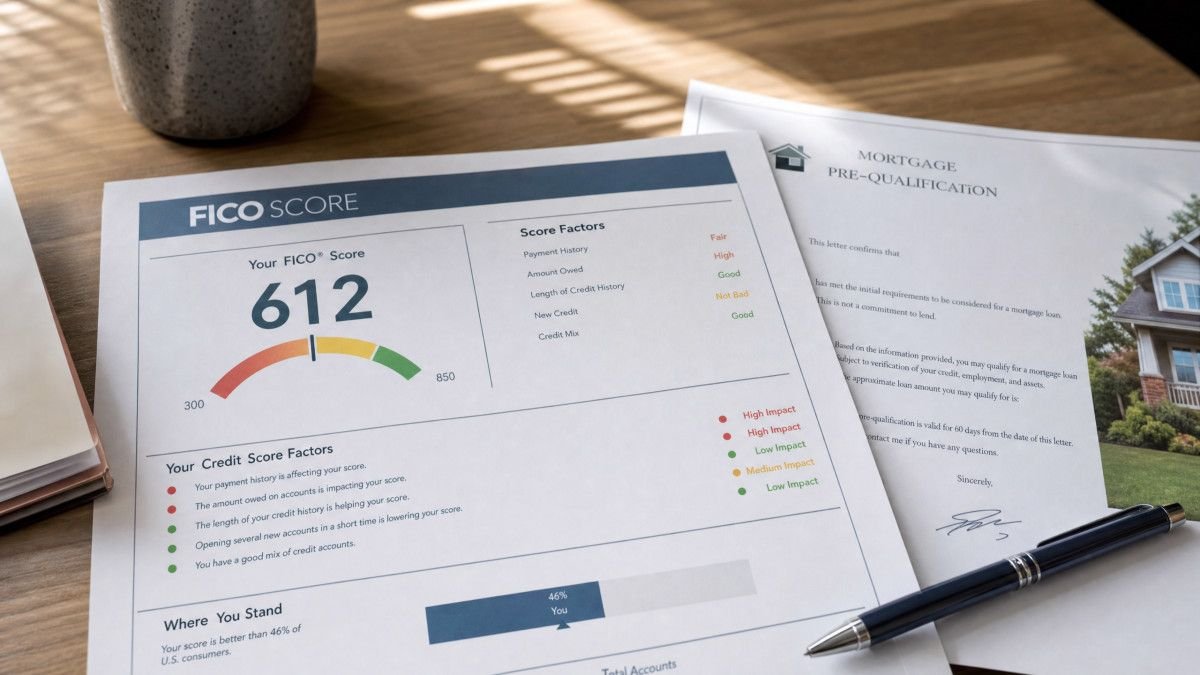
Navigating the mortgage landscape with a less-than-perfect credit score requires a clear understanding of how lenders assess risk. Your credit score, primarily your FICO score, serves as a snapshot of your creditworthiness, but it’s just one piece of a larger puzzle. Lenders delve into your complete credit report, scrutinizing payment history, outstanding debts, and any past financial difficulties to gauge your reliability as a borrower.
FICO Score Ranges and Their Impact
FICO scores typically range from 300 to 850, categorizing borrowers into different risk profiles. While the exact thresholds can vary slightly between lenders and loan types, a general breakdown helps illustrate their impact:
- Below 580: Poor. Obtaining a mortgage with a score in this range is challenging but not impossible, often requiring specific government-backed loans and a larger down payment.
- 580-669: Fair. This range opens up more possibilities, particularly with FHA loans. Conventional loans may also be accessible, though often with higher interest rates.
- 670-739: Good. Borrowers in this range are generally considered reliable and can access a wider array of conventional loan products with more favorable terms.
- 740-799: Very Good. This score bracket typically qualifies for competitive interest rates and a broad selection of mortgage products.
- 800 or above: Excellent. Borrowers with excellent credit usually receive the best available interest rates and loan terms.
According to FICO, these ranges are a standard measure used by most mortgage lenders to assess credit risk. It’s important to note that even within these categories, individual lender policies can differ.
The Role of Your Credit Report
Beyond the numerical score, your credit report provides a detailed history of your financial behavior. Lenders examine factors such as:
- Payment History: Consistent on-time payments are crucial. Late payments, especially on previous mortgages or significant debts, can be a red flag.
- Amounts Owed: Your credit utilization ratio—the amount of credit you’re using compared to your total available credit—is a key indicator. Lower utilization is generally better.
- Length of Credit History: A longer history of responsible credit use is viewed favorably.
- Credit Mix: A healthy mix of different credit types (e.g., credit cards, installment loans) can positively impact your score.
- New Credit: Opening multiple new credit accounts in a short period can signal increased risk.
Any inaccuracies or outdated information on your credit report can negatively affect your score. It’s a good practice to review your reports from Equifax, Experian, and TransUnion regularly and dispute any errors promptly.
Exploring Mortgage Options for Lower Credit Scores
Even with a less-than-perfect credit score, several mortgage programs are designed to make homeownership accessible. These options often feature more flexible credit requirements compared to traditional conventional loans, though they may come with specific conditions or additional costs.
FHA Loans: Government-Backed Accessibility
FHA loans, insured by the Federal Housing Administration, are a popular choice for borrowers with lower credit scores. These loans allow for credit scores as low as 580 with a 3.5% down payment. For those with scores between 500 and 579, a 10% down payment may be required. The primary benefit of FHA loans is their more lenient qualification criteria, making them particularly appealing for first-time homebuyers. However, FHA loans require both upfront and annual mortgage insurance premiums (MIP), regardless of your down payment size, which adds to the overall cost of the loan.
VA Loans: Benefits for Service Members
For eligible service members, veterans, and surviving spouses, VA loans offer exceptional benefits. These loans, backed by the U.S. Department of Veterans Affairs, typically have no minimum credit score requirement set by the VA itself. However, most lenders will still look for a score of at least 620. A significant advantage of VA loans is the absence of a down payment requirement, allowing for 100% financing. While there’s no private mortgage insurance, borrowers usually pay a VA funding fee, which can be financed into the loan.
USDA Loans: Rural Homeownership Opportunities
USDA loans, guaranteed by the U.S. Department of Agriculture, are designed to help low- and moderate-income individuals purchase homes in eligible rural areas. While there isn’t a strict minimum credit score, many USDA-approved lenders prefer a score of at least 640. Similar to VA loans, USDA loans often require no down payment, making them an attractive option for qualified borrowers in designated rural communities. These loans also come with guarantee fees, both upfront and annual.
Conventional Loans with Flexible Criteria
While conventional loans generally have stricter credit requirements, some programs backed by Fannie Mae and Freddie Mac offer more flexibility. For instance, a minimum credit score of 620 is often cited for conventional loans, though some programs might require 660. These loans can sometimes be secured with as little as a 3% down payment. However, if your down payment is less than 20%, you will typically be required to pay private mortgage insurance (PMI) until you reach sufficient equity.
Strategies to Strengthen Your Mortgage Application
Even if your credit score isn’t perfect today, there are proactive steps you can take to improve your financial standing and present a stronger application to lenders. A little preparation can go a long way in securing more favorable loan terms and increasing your chances of approval.
Improving Your Credit Score
The most direct way to enhance your mortgage prospects is to improve your credit score. This involves consistent, disciplined financial habits:
- Review Credit Reports for Errors: Obtain free copies of your credit reports from Equifax, Experian, and TransUnion. Dispute any inaccuracies or outdated information, as correcting these can sometimes boost your score quickly.
- Pay Bills on Time: Payment history is the most significant factor in your credit score. Set up reminders or automatic payments to ensure you never miss a due date.
- Reduce Credit Utilization: Aim to keep your credit card balances well below 30% of your credit limits. Paying down revolving debt can have a substantial positive impact.
- Avoid New Credit: Refrain from opening new credit accounts or making large purchases on existing credit cards in the months leading up to your mortgage application.
Managing Your Debt-to-Income Ratio
Your debt-to-income (DTI) ratio is another critical metric lenders evaluate. It compares your total monthly debt payments to your gross monthly income. Lenders typically prefer a DTI ratio of 36% or lower, though some programs, like FHA loans, may allow for higher ratios (up to 43-50% in some cases). To improve your DTI:
- Pay Down Debts: Focus on reducing high-interest debts like credit card balances or personal loans.
- Increase Income: If possible, explore opportunities to increase your gross monthly income.
- Avoid New Debt: Similar to credit scores, avoid taking on new loans or increasing existing debt before applying for a mortgage.
The Power of a Down Payment
A larger down payment can significantly mitigate the risk for lenders, especially when you have a lower credit score. It demonstrates your financial commitment and reduces the loan-to-value (LTV) ratio. While some government-backed loans offer low or no down payment options, putting down more than the minimum can lead to:
- Lower Interest Rates: Lenders may offer better rates for lower-risk loans.
- Reduced Mortgage Insurance: A down payment of 20% or more on a conventional loan eliminates the need for private mortgage insurance (PMI).
- Increased Equity: You start with more equity in your home from day one.
Seeking a Co-Signer
If your credit score or DTI ratio is a significant hurdle, a co-signer with a strong credit profile can strengthen your application. A co-signer agrees to be legally responsible for the loan if you default, providing an added layer of security for the lender. However, this is a serious commitment for the co-signer, as the loan will appear on their credit report and impact their own borrowing capacity. It’s a decision that requires careful consideration and open communication.
Navigating the Application Process
Once you’ve taken steps to improve your financial standing, the next phase involves actively engaging with lenders and understanding the nuances of the mortgage application process. This stage requires diligence and a keen eye for detail to ensure you secure the best possible terms.
Shopping for Lenders
Not all lenders are created equal, especially when it comes to working with borrowers who have less-than-perfect credit. Some specialize in government-backed loans or have more flexible underwriting guidelines. It is crucial to shop around and compare offers from multiple lenders, including traditional banks, credit unions, and online mortgage providers. Research indicates that obtaining multiple rate quotes can save borrowers thousands of dollars over the life of a 30-year mortgage. Don’t settle for the first offer; explore your options thoroughly.
Avoiding Predatory Loans
Be wary of any lender promising “guaranteed” mortgage approval regardless of your credit history. Federal regulations require lenders to verify a borrower’s ability to repay a mortgage, meaning no legitimate loan can be truly “guaranteed” without a thorough financial assessment. Such offers often come with excessively high interest rates, hidden fees, or unfavorable terms that can trap borrowers in a cycle of debt. Always read the fine print, ask questions, and if an offer seems too good to be true, it likely is.
Considering a Rapid Rescore
If you’ve recently made significant improvements to your credit, such as paying down a large debt or correcting an error on your credit report, these changes might not immediately reflect on your credit score. In such cases, a rapid rescore might be an option. This process, typically initiated by your lender, involves submitting proof of recent credit updates directly to the credit bureaus for an expedited review. While there’s usually a fee associated with a rapid rescore, it can be a worthwhile investment if it helps you qualify for a better interest rate or loan program, potentially saving you a substantial amount over the mortgage term.
Frequently Asked Questions
Can I get a mortgage with a credit score below 580?
Yes, it is possible to get a mortgage with a credit score below 580, primarily through FHA loans, which may accept scores as low as 500 with a 10% down payment.
Will a low credit score mean higher interest rates?
Generally, yes, a lower credit score typically results in higher interest rates because lenders perceive a greater risk, which they offset with increased borrowing costs.
What is the typical down payment for a bad credit mortgage?
The typical down payment for a bad credit mortgage can vary; FHA loans require 3.5% for scores 580+, while VA and USDA loans can offer 0% down for eligible borrowers.
How does debt-to-income ratio affect my approval?
Your debt-to-income (DTI) ratio is crucial; a high DTI indicates less disposable income for mortgage payments, potentially hindering approval, though some programs are more flexible.
Are there special programs for first-time homebuyers with bad credit?
Yes, FHA loans are particularly beneficial for first-time homebuyers with bad credit due to their lower credit score and down payment requirements, alongside various state and local programs.
Conclusion
Obtaining a mortgage with bad credit is undeniably a challenging endeavor, but it is far from an insurmountable one. The journey requires patience, diligent preparation, and a strategic approach to understanding and leveraging available resources. By focusing on improving your credit score, managing your debt-to-income ratio, exploring government-backed loan programs, and carefully selecting a lender, you can significantly enhance your prospects. While the path may present moments of frustration, the dream of homeownership remains within reach for those committed to navigating its complexities. Remember, every step you take towards financial health brings you closer to unlocking the door to your own home.