

You usually notice it with your sock first. A cool, damp patch beside the island, a darker line along the bottom of a cabinet, a plank of engineered wood that sits a little higher at one edge than it did last month. By the time water shows up where you can see it, it has often traveled a fair way to get there.
That is what makes kitchen leaks so slippery. Three or four water sources sit within a few feet of each other: the sink, the dishwasher, the refrigerator’s ice maker line, sometimes a beverage fridge or a pot filler. Water follows the easiest path, not the one that makes your detective work simple. The puddle tells you where the water ended up. Your job is to work out where it started.
Shut off the water, then start looking
If a valve is within reach and you know what it feeds, close it. The faucet and dishwasher valves usually live in the sink cabinet. The refrigerator line often has its own valve under the sink, in the basement, or in a small box in the wall behind the unit. If you can’t tell which valve controls what, or water is still coming, use the main shutoff. If you have never looked for it, this is a good week to find it.
One safety rule outranks everything else here: never stand in water to reach a plug, outlet or switch. If water has reached anything electrical, turn that circuit off at the panel from a dry spot, or leave it for an electrician.
Then take pictures before you mop. Shoot the shape of the puddle, the cabinet toe kicks, the floor along the dishwasher, and anything that looks stained or swollen. Once the floor dries, those photos are the only evidence you have.
Let the timing narrow it down
When the water appears is the best clue you will get.
- During a dishwasher fill or wash: look at the door seal, the tub and the supply connection.
- During the drain part of the cycle: suspect the drain hose, the connection at the disposal or sink tailpiece, or a clog pushing water back.
- With everything idle: something under constant pressure, such as a supply line, the ice maker tube or a faucet connection, is the likelier source.
- Right after someone filled a glass at the fridge: check the dispenser and its drip tray first.
Jot it down, even roughly: when you noticed, which appliances had run, whether anyone used the sink. If there’s a finished room under the kitchen, check its ceiling for a stain.
Resist the urge to haul the refrigerator out right away. Rolling a heavy, still-connected appliance across a wet floor can kink the water line, gouge the finish and turn a slow drip into a real leak. Start with everything you can see without moving anything.
The dishwasher and the sink cabinet
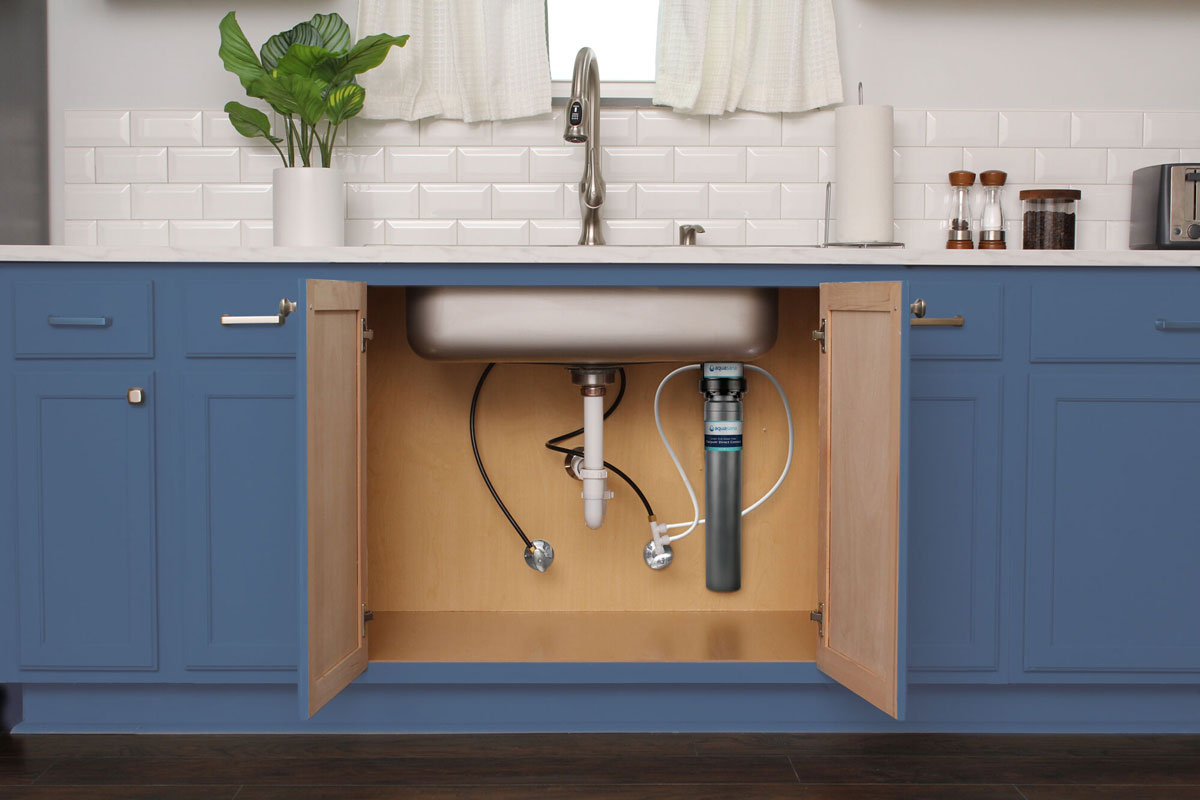
Empty the cabinet next to the dishwasher completely. Under-sink storage is where leaks hide: a bottle of cleaner leaning on the drain hose, a cardboard box gone soft at one corner. Run a dry paper towel along the supply line, the drain hose and the trap. A damp towel finds a slow drip faster than your eyes will.
Then look at the dishwasher door. A spoon wedged at the bottom, food stuck to the gasket, or a mountain of suds from ordinary dish soap squirted in when the detergent ran out can all push water past the door. Those are easy fixes. Rerunning a full cycle just to watch it leak is not.
If the water comes from somewhere you can’t see, behind the toe kick or under the tub, a new door gasket ordered on a hunch won’t help. Hidden leaks like that usually come from a cracked inlet hose, a worn pump seal or a loose internal fitting, and fixing them means pulling the machine out. In South Florida, one place to book that visit is starchenko-ar.com; anywhere else, a local technician will want the same three notes: where the water showed up, when, and what you have already shut off.
The refrigerator
If your fridge has an ice maker or water dispenser, trace the thin supply tube as far as you can see it. Changed the water filter recently? Start at the filter housing. A filter that isn’t fully seated is a classic source of a slow drip. Hand-tight is the rule for plastic fittings; pliers crack them.
Note whether water appears even when nobody has touched the dispenser for hours. And if the fridge does have to come out, get a second person. It is heavy, and the line behind it is short.
The laundry room, if it shares a wall
Where the washer sits next to the kitchen or on the floor above it, add it to the list. Water only during spin or drain points to the drain hose or standpipe. Water at any time points to the supply hoses. Rubber hoses that bulge, crack or are simply very old are worth replacing with braided ones before they decide for you.
Dry what you can’t see
This is where design-minded homeowners get caught out. Tile and stone look dry within hours. The plywood subfloor, the cabinet base and the underside of a wood floor do not. A rug thrown over the spot, or baseboard nailed back too soon, just seals the moisture in.
The EPA’s guide to mold and moisture recommends drying water-damaged materials within 24–48 hours to help prevent mold growth. Run fans, pop off the toe kick if it comes off, and pull out the bottom drawers of nearby cabinets so air can reach the base. If the floor is cupping or a cabinet bottom has swollen, call your insurer or a water-damage company sooner rather than later.
In a condo or a rental, tell building management right away, before you know the cause. The neighbor below you will be grateful.
Make the next leak easier to catch
A few small habits keep a drip from turning into a flooring project:
- Label the shutoff valves with tape or a paint pen so anyone in the house can find them.
- Leave some open space at the back of the sink cabinet instead of packing it to the doors.
- Put an inexpensive leak alarm at the dishwasher’s edge and another behind the fridge.
- Replace aging supply hoses on your schedule, not theirs.
Then, once the floor and cabinets are truly dry and the repair is done, put the rug back.
