Fix 8 Common Bathroom Water Problems

Bathroom water problems are issues arising from the presence of excess water or moisture in the bathroom environment. Bathroom water problems occur due to physical damage, faulty fixtures, poor ventilation, inadequate waterproofing, faulty plumbing, using the wrong items, less maintenance, and careless usage of the bathroom. Below are the common 8 bathroom water problems.
8 Common Bathroom Water Problems
- Bathroom faucet dripping
- Leaky faucet single handle
- Clogging the bathroom sink overflow drain
- Bathroom sink stopper stuck
- Clogged sink in the bathroom
- Leaky shower base
- Clog hair in the shower drain
- Clogged toilets in the bathroom
You should always fix these water problems once you notice them by following the guide. Because prolonged water problems in the bathroom cause mold and mildew growth, slip and fall hazards, pest attraction, aesthetic damage, structural damage, increased maintenance and repairs, and decreased property value. These water problems always affect the health, safety, and economic conditions of the homeowner.

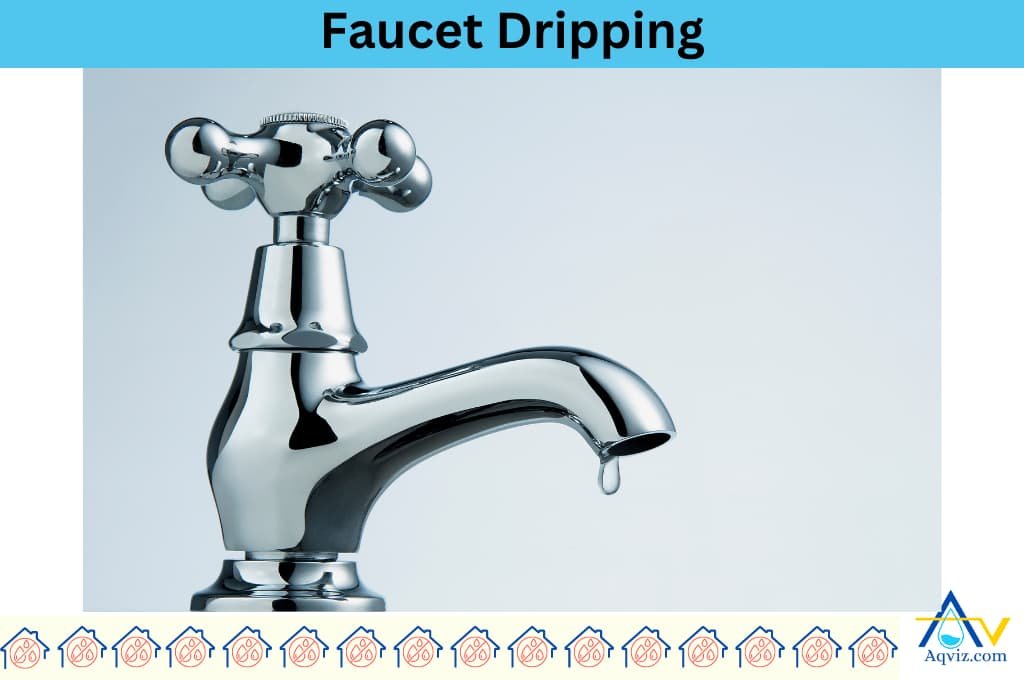
1. Bathroom Faucet Dripping
Bathroom faucet dripping is a common issue where water continuously drips from the spout, faucet handle, cartridge, and faucet base, even when the handle is fully turned off. Bathroom faucet dripping occurs due to worn-out washers, corroded valve seats, damaged O-rings, and faulty cartridges. These issues should be fixed bythe repair or replacement of the affected components to restore the faucets’ proper function.
To fix a dripping faucet, begin by identifying the area where the drip is occurring, which are usually spout, faucet handle, cartridge ,and faucet base. Next, purchase the necessary replacement parts such as washers, O-rings, or a new cartridge. Shut off the water supply to prevent water flow during the repair. Remove the faucet handle using a screwdriver or Allen wrench, then remove the cartridge nut with a wrench or pliers. Carefully take out the cartridge and replace the old seal with a new one to ensure a watertight fit. Reinstall the cartridge securely, and reassemble the faucet by reversing the steps taken to disassemble it. Finally, turn the water supply back on and test the faucet to ensure the dripping has been resolved.
2. Leaky Faucet Single Handle
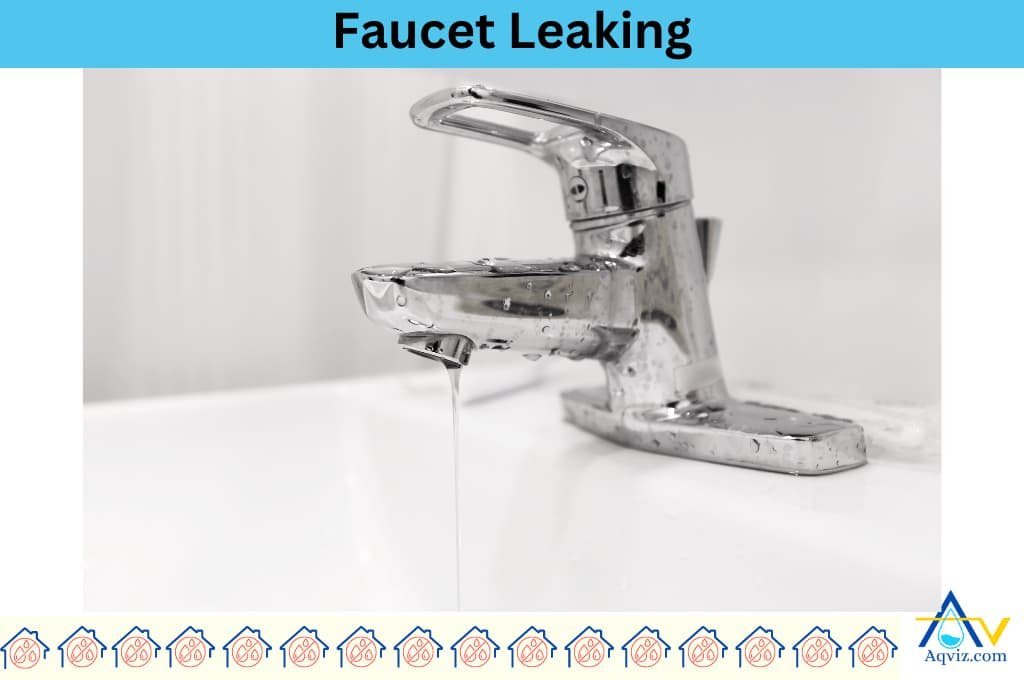
A leaky faucet handle is allowing water from the faucet spout when the faucet handle is closed. A single-handle faucet leaks due to worn-out O-rings, loosened faucet handles, higher water pressure, and improper faucet handle installation.
You can fix a leaking single-handle faucet by following these steps. First, shut off both the hot and cold water supply to the faucet. Next, remove the set screw cover and the set screw holding the faucet handle in place. Take off the faucet handle by removing the set screw. Then, remove the faucet cap to access the internal components. Replace the old cartridge with a new one to ensure proper functionality. After replacing the cartridge, reattach the bonnet nut and tighten it securely. Finally, reinstall the single faucet handle, secure it with the screw cap and set screw, and test the faucet to ensure that the leaking has been resolved.
3. Clogging the Bathroom Sink Overflow Drain
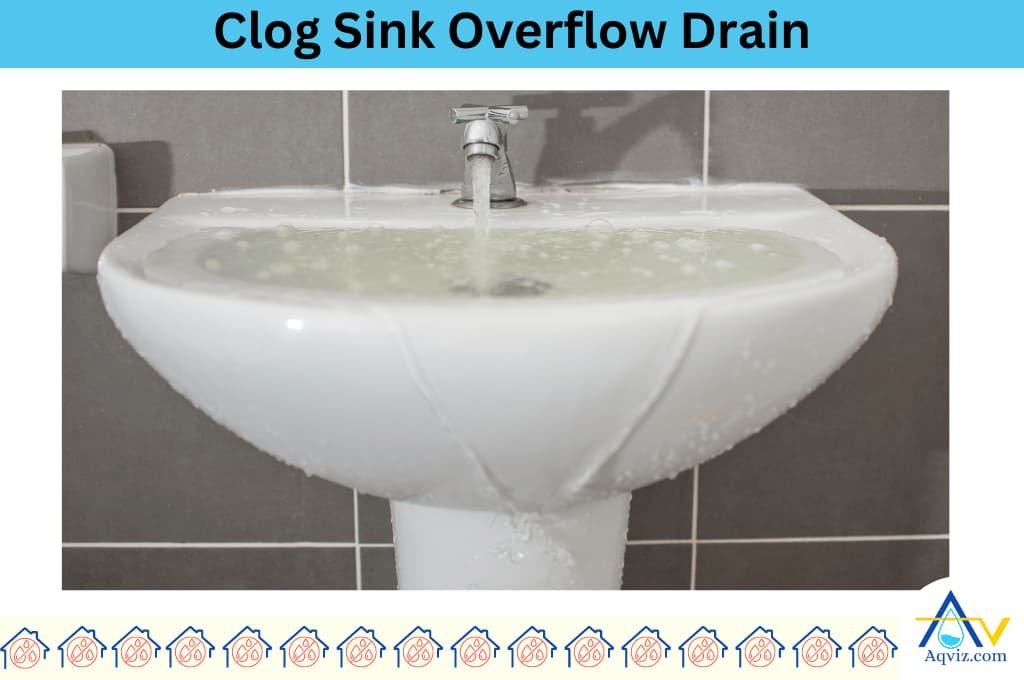
The bathroom sink is overflowing and draining out excess water through the sink overflow hole. When the overflow drain is clogged by dirt and debris, water will flow over the sink basin. A bathroom sink overflow drain can be clogged due to dirt, higher water pressure, faulty sink components, incorrect installations, and hair and soap scum. To prevent this water problem in the bathroom, you should clean the sink overflow drain properly.
In order to clean the sink overflow drain, you use a zip tie, a rubber hose, a liquid cleaner, and a brush to clean and remove the dirt and debris in the overflow hole. You can stop the sink from overflowing by regulating the faucet handle to control the water flow, limiting the water flow from the main source, unclogging the sink drains, and checking the sink stopper properly.
4. Bathroom Sink Stopper Stuck
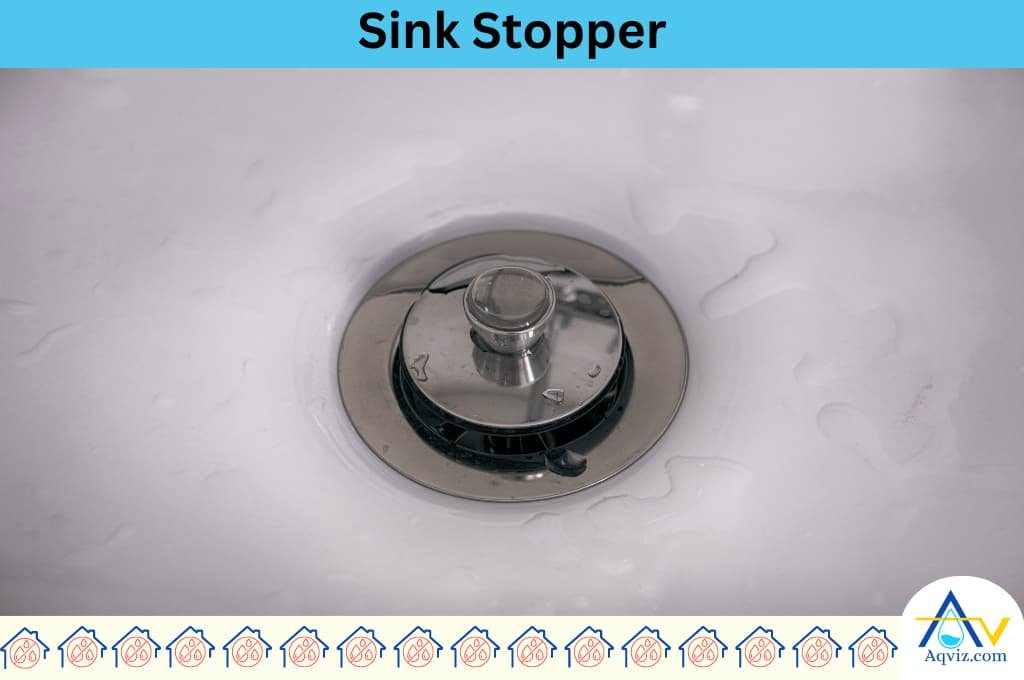
A bathroom sink stopper stuck is a situation where the sink stopper stops moving, either upward or downward. When it is stuck in a downward position, the sink drain will close permanently, and excess water tends to overflow through the overflow drain. When the sink stopper is stuck in an upward position, water will not remain in the sink, and all water will drain. This is a common problem in the bathroom sink when it is used for a prolonged period. The sink stopper is stuck due to the accumulation of hair, grime, soap scum, or mineral deposits.
You can fix a bathroom sink stopper stuck by providing the essential tools and supplies. First, you should clean the sink area to remove any debris or grime that might clog the water. Next, remove the sink stopper cap, which usually involves unscrewing it. Once the cap is removed, clean both the sink stopper and the drain area to eliminate any accumulated dirt or buildup that may be causing the stopper to stick.
Then inspect the sink stopper for any signs of damage or wear, and apply a lubricant to the moving parts to facilitate smoother operation. After reassembling the sink stopper, test its functionality by operating it to ensure it opens and closes properly without sticking. If you follow this process properly, it helps to restore the sink stopper’s performance and prevents future sticking issues.
5. Clog Sink in the Bathroom
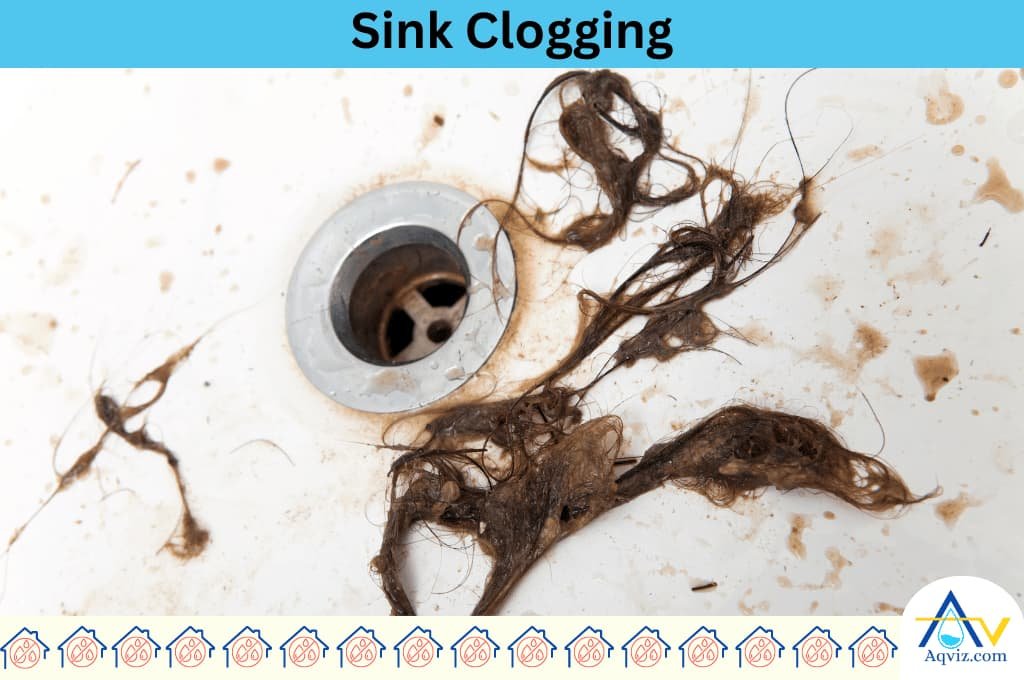
Bathroom sink clogging is preventing water from draining in the sink basin. Instead of draining water, it tends to overflow the water from the sink overflow hole or sink basin. The bathroom sink is clogged due to hair and beard, soap scum, beauty products, paper towels, dental floss, dirt, and dust.
You can unlog the bathroom sink by following these 7 DIY methods. You can use boiling water to unclog a bathroom sink by pouring boiling water (100 Celcius degree) down the drain, which can help dissolve minor blockages caused by soap scum or grease. If boiling water doesn’t resolve the issue, try using a plunger to create a vacuum effect and dislodge the clog.
For more stubborn clogs, a combination of vinegar and baking soda can be effective; pour baking soda into the drain, followed by vinegar, and let it fizz for about 15 minutes before rinsing with hot water. If these methods are ineffective, use a drain snake to reach and break up deeper obstructions.
For particularly tough clogs, a drum auger can be used to clear blockages in larger pipes. Commercial drain cleaners are another option, but use them with caution and follow the manufacturer’s instructions. If none of these methods work, the clog may be located in the P-trap beneath the sink; disassemble the P-trap to clean out any debris that may be causing the blockage.
6. Leaky Shower Base
A leaky shower base is a water-leaking situation from the shower base due to cracks or damage in the base of the shower area. Shower bases tend to leak water due to cracks in the shower base, poor fixture installation, clogged or blocked shower drains, movement or shifting of the shower base, and higher water pressure. You can fix these critical water problems in the bathroom by following these steps.
To fix the leaky shower base, you should start by identifying the source of the leak, which may be visible cracks or gaps around the base. Once the source is located, turn off the water supply to prevent further leakage and damage. Remove any fixtures and accessories from the shower base, such as the drain cover or handles, to gain access to the area needing repair.
Inspect and repair any cracks or damage on the shower base using an appropriate sealant or patching material. After addressing the damage, replace the old sealant around the edges of the shower base to ensure a watertight seal. Reinstall the removed fixtures and accessories, making sure they are securely fastened. Finally, test the shower base by running water to check for any remaining leaks and ensure that the repair was successful.
7. Clog Hair in the Shower Drain
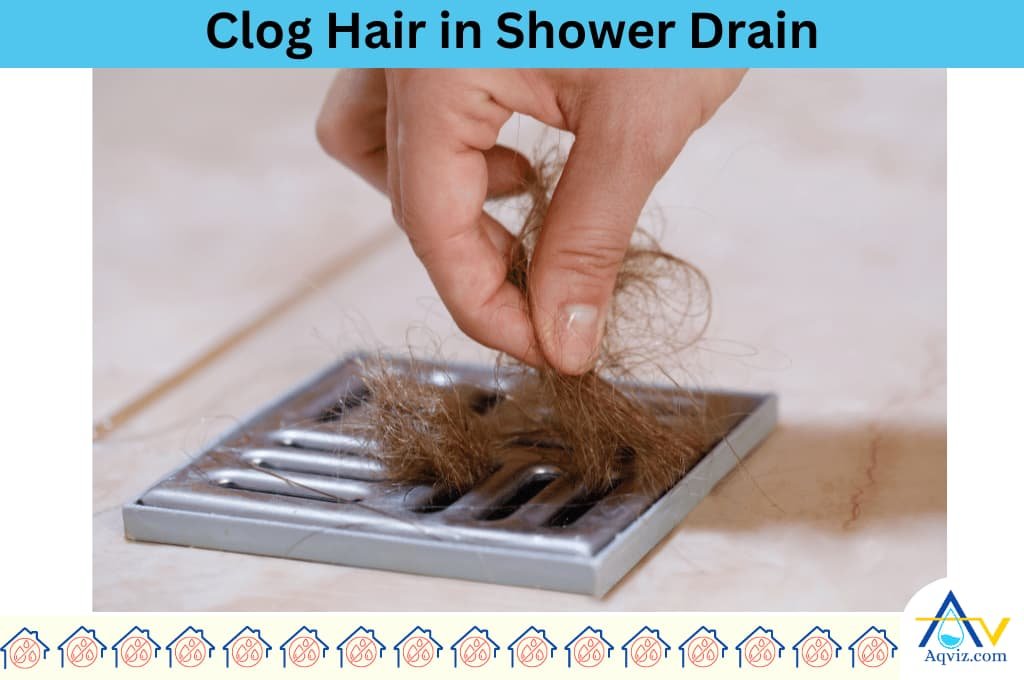
The shower drain can be clogged due to hair strands accumulating. Hair strands can be mixed with soap scum and other debries which makes dissolved clogs in the shower drain. Human hair, dog fur, wool, and other non-dissolved particles are the main reasons for the hair clogs in the shower drain. Hair can be clogged in the shower drain due to less maintenance of the shower drain, inadequate drain covers, chemical treatments of the hair, other debris, and water containing higher amounts of minerals.
You can unclog hair from a shower drain by using these 5 ways. First, you should start by using a bent wire, such as a wire hanger, to fish out visible hair and debris from the drain. If the wire method doesn’t fully clear the blockage, use a plumbing snake to reach deeper into the drain pipes and break up or retrieve hair clumps.
For stubborn clogs that resist manual methods, apply a chemical drain cleaner, following the manufacturer’s instructions carefully, to dissolve the hair and clear the drain. Alternatively, an enzyme drain cleaner can be used, which breaks down organic matter like hair using natural enzymes, making it a gentler option. If these methods don’t work, use a hand or tweezers to manually extract hair and debris from the drain opening, ensuring thorough removal.
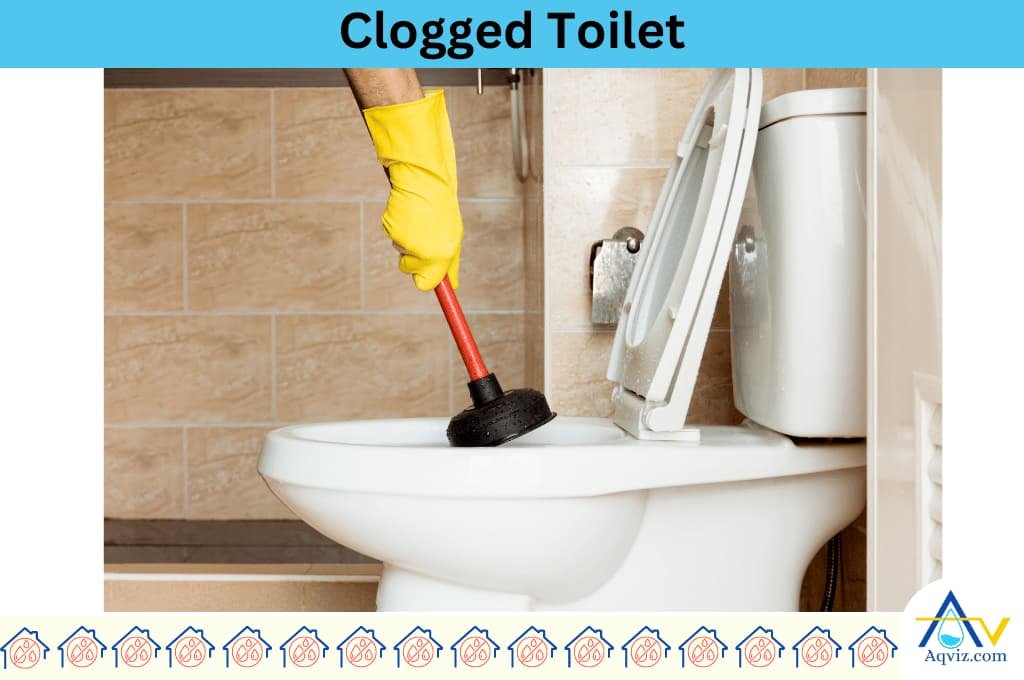
8. Clogged Toilets in the Bathroom
A clogged toilet in the bathroom is a blockage in the toilet drain that prevents it from flushing properly. A bathroom toilet can be clogged due to clogging items such as toilet paper, sanitary products, wet wipes, paper towels, tissues, cotton balls, swabs, dental floss, food, toys, condoms, and diapers.
When unclogging a toilet you can use these 7 ways. First, you should start with a plunger, which is a versatile tool that creates suction and can dislodge many types of toilet clogs. If the plunger alone isn’t effective, try adding dish soap to the bowl, allowing it to lubricate the clog and make it easier to clear. For a more potent approach, use a combination of baking soda and vinegar; pour baking soda into the bowl, followed by vinegar, and let it fizz for about 15 minutes before flushing with hot water.
If these methods don’t resolve the issue, use a toilet snake to reach and break up stubborn blockages in the pipes. Hot water can also be poured into the bowl to help dissolve the clog in the toilet, but avoid using boiling water to prevent damaging the toilet.
Alternatively, a wire hanger can be straightened and used to manually dislodge or retrieve the toilet clog. If all else fails, use a commercial liquid drain cleaner designed specifically for toilet clogs, following the instructions on the label carefully to ensure safe and effective use.
What are the Negative Impacts of Water Problems in the Bathroom?
The negative impacts of water problems in the bathroom are mold and mildew growth, slip and fall hazard, pest attraction, aesthetic damage, structural damage, increased maintenance and repair, and a decrease in property value. These water problems always affect the health, safety, and economic conditions of the homeowner.
- Mold and mildew growth in the bathroom: Mold and mildew growth in the bathroom can cause an increase in health issues, such as allergies, respiratory problems, and unpleasant odor, and additionally, it reduces aesthetic appeal.
- Slip and Fall Hazard: Prolonged water remains in the bathroom tends to build biological flocks. Building flocks on the bathroom floor can make a slippery surface, and it increases the fall hazard in the bathroom.
- Attract pests and Cockroaches: Prolonged wetness in the bathroom tends to attract pests like cockroaches and termites. Those pests can damage the bathroom material and increase the health risk.
- Aesthetic Damage in Bathroom: Bathroom walls, floor, and ceiling can be damaged by mold and mildew growth, stain marks, discoloration, warping, bubbling, and paint peeling due to higher moisture content in the washroom. These cause damage to the aesthetic view of the property.
- Structural Damage in the Bathroom: The bathroom structure can be damaged due to higher moisture content, causing rotting, warping of the wood, and corroding the metal parts.
- Decrease the Property Value: Prolonged water problems in the bathroom always reduce the aesthetic appearance due to damaged, stained, decolourized walls and surfaces, and musty odors in the bathroom. These problems cause a decrease in the property value to potential buyers.
- Increase Maintenance and Repair Costs: Bathroom water problems always increase the frequency of need for cleaning and repairs to prevent structural damage due to water.
How to Prevent Bathroom Water Damage?
To prevent these water-related damages, the bathroom should have a proper water and moisture removal system. To remove the water and moisture effectively from the bathroom, homeowners can follow the below methods.
- Install an exhaust fan: A bathroom exhaust fan will remove the excessive moisture.
- Install a waterproofing membrane: The bathroom waterproofing membrane stops the water penetration to the substrate
- Use water-resistant wall panels: Installing water-resistant wall panels in the bathroom will reduce the water damage on the wall surface, such as mold, peeling paint, and so.
- Use UV light: UV lights will kill all the mold in the bathroom and control the mold growing successfully.
- Regularly inspect the bathroom: Regular bathroom inspection helps to identify the water damage early before it spreads over the surface
- Improve the ventilation in the bathroom: Maintaining proper ventilation in the bathroom helps to control mold growth properly.
- Apply sealants and caulking to seal the gaps: Sealants and caulks will seal all the gaps, cracks, and spacing between connections that can accumulate water and thrive mold over time.
- Improve the drainage in the bathroom: Maintaining a proper slope with the drainage system can direct water away from the bathroom. This will reduce the water damage in the bathroom.