
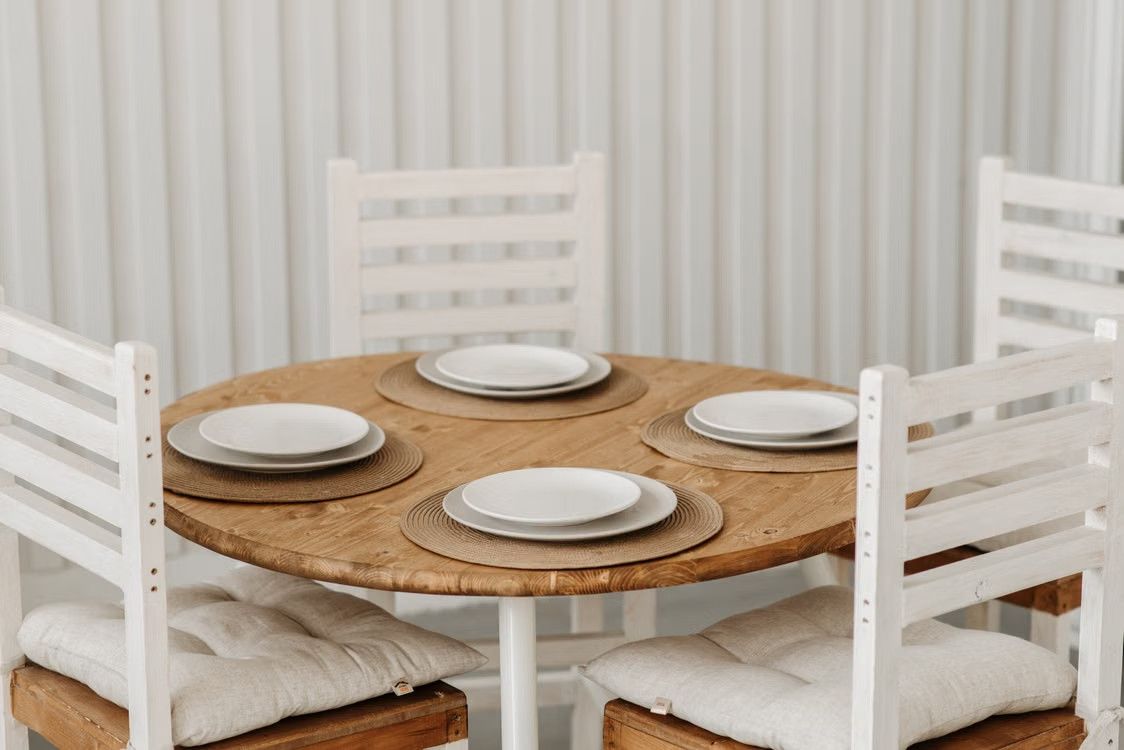

Outdoor wooden furniture faces more sun, rain and changing moisture than furniture kept indoors. Rain can soak into timber, while sunlight can bleach the wood and leave its surface rough.
There are many different types of finish available to reduce or prevent some of these effects. All will give different results and degrees of protection, with varying amounts of maintenance required.
Choose a finish based on the furniture, its exposure, the look you want and the upkeep you can manage.
What you’ll learn:
- Why Outdoor Wood Needs Protection
- How Oil, Stain, Varnish and Paint Compare
- When Outdoor Furniture Oil Is a Good Fit
- Match the Finish to Your Furniture
- Prepare and Apply the Finish Properly
- Know When to Recoat
- Wrapping It Up
Why Outdoor Wood Needs Protection
Timber will absorb varying amounts of water, swell to some extent, then shrink as it dries out. All this will to some degree promote splitting and other defects such as coarsening of texture and loosening of fitted parts.
Prolonged exposure of the top layers of fibres to the sun will deteriorate and bleach them. Most water-resistant finishes will not prevent all discolouration from this cause.
Exposure shapes the conditions the furniture faces, including the degree and duration of sunshine, amount of direct rain, likelihood of standing water on horizontal surfaces and whether or not it can be moved away or stored. All are worth considering before deciding what finish, if any, to buy.
How Oil, Stain, Varnish and Paint Compare
Each finish involves a compromise between a “natural” appearance and adequate durability, together with easy future maintenance.
Oils penetrate into the wood, so the texture remains apparent to touch and sight, and they do not form an obvious surface coat. Applied to suitable conditions, later applications to maintain them can be simple. Most will give little protection against bleaching by sunshine, at least if they are initially clear.
Pure tung oil is one suitable drying oil. It will be fairly water repellent once fully cured, with a natural appearance. It would therefore be appropriate if this appearance is desirable and the furniture is to be frequently checked and maintained as necessary.
Stains vary from fairly transparent to quite opaque, so the texture may be clearly defined to almost completely masked. Pigmented exterior stains can help screen UV light, with more opaque products generally providing greater colour protection.
All exterior varnishes will form a surface coating, many including additives to resist the effects of UV light. However, any deterioration of the surface coating, such as cracking, will probably require considerable preparation before it could be successfully renewed.
Paints obviously obscure all texture, and may be of any desired colour. Many exterior paints resist sunlight well so long as the film remains unbroken, and is maintained appropriately.
When Outdoor Furniture Oil Is a Good Fit
An oil may suit furniture where preserving the natural texture is the main goal. Ideally, the furniture would receive some shade, or readily be moved indoors in inclement weather.
Products sold as “teak oil” often contain blends of oils, solvents and resins rather than oil extracted from teak. Check whether the product suits outdoor use, needs clean, bare, absorbent wood and requires a long curing period.
It would also be relevant to know whether there are any additives to resist UV light. All will probably be water-repellent to some degree but not proof, and to varying degrees allow the bare wood to become discoloured.
Match the Finish to Your Furniture
The nature of the timber may be relevant, from very dense, slow to absorb any liquid, to quite open grained, which would tend to drink up quantities of oil. Equally relevant is any pre-existing coating, and it would be pointless expecting good results from applying an oil over a reasonably intact paint or other impervious coating. Maintaining a sound existing coating may be easier than stripping it off to apply oil.
Some examples:
- bench, sheltered from most of the weather: oil, for a natural effect
- outside table, fully exposed: water and sun resistance would be desirable, particularly on top
- various items previously painted: most sensible probably to touch up existing coating, assuming suitable type of paint
No finish can repair loose joints, places where water collects or wood that has already decayed.
Prepare and Apply the Finish Properly
Even a suitable finish can fail early on dirty, damp or poorly prepared wood. There will be differences between various products, so these instructions should be studied, but generally the sequence of operations would be as follows:
- wash down thoroughly, remove as much existing coating as possible, and any fungus growth. Allow to dry.
- examine remaining coating to assess suitability of overpainting or further removal. Don’t risk assuming adhesion of another product to an unidentified coating.
- sand to remove coarseness or other defects, clear away all dust, and experiment out of sight to judge the effect.
- apply the number of coats recommended, observing drying times, and conditions. In the case of oil, it would normally be advisable to wipe off surplus.
- allow the finish to cure for the recommended time before exposing it to rain, regular use or cushions.
- Pay special attention to joints, exposed end grain and other gaps where water can enter
All rags used with drying oils should be disposed of with care due to the risk of spontaneous combustion during drying. They should be spread out to dry and then disposed of according to instructions, regulations, and common sense.
Know When to Recoat
Outdoor finishes wear over time, especially with sun, rain, regular use and cleaning. Inspect furniture periodically rather than waiting for a fixed recoat date.
Many of the exterior wood stains in a 2025 study subjected to natural weathering in Korea showed a loss of water repellency of more than 20% between six and twelve months of exposure. This of course applies only to the particular products investigated.
So the extent of bleaching, coarsening of the texture, flaking and cracking, and water penetration would all indicate the need for attention. The most exposed horizontal surfaces, edges and so on would be most susceptible.
An original coating of an oil-type product could simply require washing down and re-oiling. Other surface coatings would require more extensive preparation, depending on the extent of deterioration. The manufacturer’s recommendations should be followed.
If covers are used over the furniture, ensure adequate air can circulate to prevent excess condensation on the surfaces.
Wrapping It Up
A suitable finish balances the wood’s exposure, the appearance you want and the upkeep you can manage. An oil would fulfil many requirements, particularly if reasonably sheltered, whereas others calling for more protection would be better served by a variety of stains or other coatings. Whichever is chosen, due preparation will pay dividends, together with continued inspection throughout the year.