
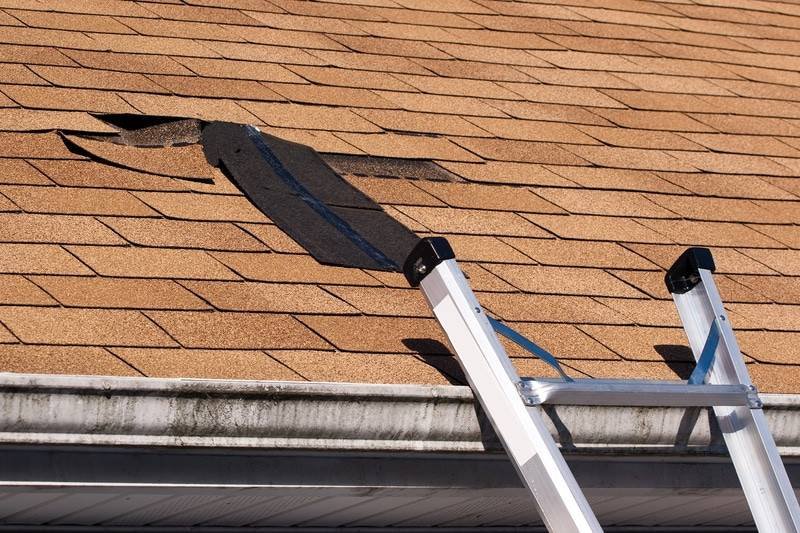

Roof maintenance is not complicated. Clean the gutters. Remove the moss. Check the flashing. Replace damaged shingles before they leak. The problem is not that homeowners do not know what to do. It is that they do it wrong, or they do the right thing the wrong way, or they hire someone who does it wrong and do not know enough to recognize the mistake until water is staining the ceiling. A roof that would have lasted 25 years with correct maintenance lasts 15 with well-intentioned but incorrect maintenance. The difference between maintaining a roof and damaging one while trying to help is smaller than most homeowners realize.
The seven mistakes below are not the obvious ones — never walking on a tile roof, never power washing asphalt shingles, shares TrueNest Property Management Fort Lauderdale. Those are beginner errors. The mistakes that actually shorten roof life in the real world are subtler: the moss treatment that corrodes the flashing, the gutter cleaning that bends the drip edge, the attic insulation upgrade that traps moisture against the roof deck because the ventilation was not adjusted to match. Each mistake has a specific mechanical consequence that can be explained in one sentence and prevented in one afternoon.
Mistake 1: Power Washing Asphalt Shingles
A pressure washer aimed at an asphalt shingle roof strips the ceramic granules off the shingle surface in seconds. Those granules are not decorative. They are the UV protection layer. Without them, the asphalt substrate is exposed to direct sunlight and degrades within 2 to 3 years instead of the 20 to 25 the shingle was rated for. The granules also provide the fire resistance rating. A shingle stripped of its granules is a fire hazard as well as a leak hazard.
The correct method for cleaning dark streaks — which are Gloeocapsa magma algae, not dirt — is a low-pressure garden hose application of a 50/50 bleach and water solution, left to sit for 15 to 20 minutes, then rinsed with a garden hose at normal pressure. No pressure washer. No scrubbing. The bleach kills the algae. The rinse removes the dead residue. The granules stay on the shingles where they belong. According to EPA guidance, maintaining the reflective properties of roofing materials through proper cleaning extends both the roof’s energy efficiency and its functional lifespan.
If the roof is steep or two stories high, do not do this yourself. Hire a roof cleaning company that advertises “soft wash” — a low-pressure chemical cleaning method — not “pressure washing.” The difference in the company name is the difference between a clean roof and a ruined one.
Mistake 2: Using the Wrong Moss Treatment and Destroying the Flashing
Moss holds water against the shingle surface, lifts the edges, and accelerates granule loss. It must be removed. The mistake is using zinc sulfate or copper sulfate powder applied dry to the roof ridge and allowed to wash down over the shingles with rain. These metal compounds kill moss effectively. They also corrode galvanized steel flashing, aluminum gutters, and any metal roof penetrations. The runoff from a zinc sulfate ridge treatment strips the galvanized coating from flashing within a single season, and the flashing rusts through within 3 to 5 years. The moss is gone. The flashing is destroyed. The homeowner traded one roof problem for a more expensive one and did not know it until the chimney started leaking.
The correct moss treatment is a liquid sodium hypochlorite solution, essentially pool chlorine diluted to roughly 3% concentration, applied directly to the moss with a pump sprayer, allowed to sit for 20 minutes, and rinsed with a garden hose. The moss turns white and dies within days. The dead moss loosens and washes off with normal rainfall over the following weeks. No scrubbing. No metal corrosion. If the moss coverage is heavy enough to require professional treatment, hire a soft-wash company that uses biodegradable cleaners, not metal-based powders.
Mistake 3: Damaging the Drip Edge While Cleaning Gutters
The drip edge is the metal flashing strip that runs along the eaves, directing water from the shingle edge into the gutter. It is thin, 26 to 28 gauge, and bends easily. Leaning a ladder against the gutter pushes the gutter backward, which pushes the drip edge upward, which breaks the seal between the drip edge and the shingles above it. Water that should flow into the gutter now flows behind the gutter, onto the fascia board, and eventually into the soffit and wall cavity.
The correct gutter cleaning technique uses ladder standoffs, metal arms that extend from the ladder to the wall, keeping the ladder 12 inches away from the gutter. The ladder bears on the wall, not the gutter. If the roof is too high for standoffs to work or the gutters are too fragile to lean anything against, clean the gutters from the roof using a leaf blower with an extension tube while standing on the roof surface, not the ladder. Walking on the roof introduces its own risks, see mistake 7, but it is less damaging to the roof system than bending the drip edge.
Mistake 4: Adding Attic Insulation Without Adjusting Ventilation
Adding insulation to the attic floor is one of the highest-ROI energy upgrades a homeowner can make. It also changes the thermal profile of the attic space in a way that can destroy the roof decking from the underside. A cold attic, the standard design in northern climates, relies on ventilation to keep the roof deck temperature close to the outside air temperature. Soffit vents let cold air in. Ridge or gable vents let warm air out. The airflow keeps the underside of the roof deck cold, which prevents snow on the roof from melting from below, running down to the cold eaves, and refreezing into an ice dam.
When insulation is added to the attic floor, the baffles that maintain the airflow channel from the soffit vents to the attic space are often compressed or blocked by the new insulation. The soffit vents become useless. The attic warms up. The snow melts from below. Ice dams form. Water backs up under the shingles and into the house. The fix is to install or verify the presence of rafter baffles, inexpensive foam or plastic channels that staple between the rafters at the eaves, maintaining a 1-to-2-inch air channel from the soffit vent to the attic regardless of insulation depth. Baffles cost $2 to $4 each and take 5 minutes per rafter bay to install. Adding insulation without checking the baffles is the most common cause of post-insulation ice dams.
Mistake 5: Installing a Second Layer of Shingles Over the First
A roof-over, installing new shingles directly on top of the existing shingle layer without tearing off the old roof, saves $1,500 to $3,000 in tear-off and disposal costs. It also doubles the weight on the roof structure, hides decking rot that will continue to spread under two layers of shingles, and reduces the lifespan of the new shingles by 30% to 40% because the uneven surface of the underlying shingles prevents the new shingles from lying flat and sealing correctly. A roof-over is legal in most jurisdictions for a single overlay, two layers total, but legal is not the same as wise. A roof-over is a short-term cost deferral, not a long-term roof solution.
The correct approach is a full tear-off. The old shingles, underlayment, and flashing are removed down to the bare decking. The decking is inspected and replaced where necessary. New underlayment, ice and water shield at the eaves, and new flashing are installed. New shingles are nailed to a clean, flat, solid deck. The cost difference over 25 years favors the tear-off because the shingles last their full rated lifespan instead of failing 10 to 15 years early from being installed over an uneven surface.
Mistake 6: Sealing Flashing With Roof Cement Instead of Replacing It
Roof cement, the black, tarry substance sold in caulk tubes and 1-gallon cans, is a temporary patch, not a permanent repair. It cracks within 2 to 3 years as the roof expands and contracts with temperature cycles. Water finds the crack. The leak returns. The homeowner applies more roof cement. The cycle repeats until the flashing underneath is buried under a mound of black tar that looks like a repair but functions like a sponge, holding water against the flashing and accelerating corrosion.
The correct fix for leaking flashing is replacement. Flashing around chimneys, vent pipes, and skylights is made of galvanized steel, aluminum, or copper. It corrodes, separates at the joints, and pulls away from the roof surface over time. Replacing a section of step flashing costs $200 to $500 in labor and materials. A tube of roof cement costs $8. The flashing replacement fixes the leak permanently. The roof cement defers it until the next rainstorm. If the flashing is actively leaking, replace it. Roof cement is for emergency temporary patches when the replacement cannot be done immediately, a Sunday night leak before the roofer comes Monday morning, not for permanent repairs.
Mistake 7: Walking on the Roof Incorrectly and Breaking Shingles
Walking on an asphalt shingle roof is sometimes necessary, to inspect after a storm, to clean gutters from above, to install holiday lights. The mistake is walking on the wrong part of the shingle. An asphalt shingle has two layers: the exposed tab at the bottom and the sealed area underneath the tab of the shingle above it. Stepping on the exposed tab, the visible part of the shingle, flexes the unsupported edge and cracks the adhesive seal. The shingle may not lift immediately, but the broken seal means the next windstorm can lift and tear that shingle off entirely.
The correct place to step is on the lower half of the shingle, where the shingle above it provides support underneath. This is roughly the bottom 4 to 6 inches of each shingle course. On steep roofs, anything above a 6:12 pitch, do not walk on the roof at all without a harness and ridge anchor. The risk of a fall exceeds any maintenance benefit. Hire a professional for steep-roof work.
On tile, slate, or metal roofs, the walking rules are different and stricter. Tile and slate crack under foot pressure. Walk only on the lower 3 inches of each tile where it overlaps the tile below, and use foam walking pads to distribute weight. Metal roofs have specific walk zones defined by the manufacturer, typically the area directly over the purlins or battens where the panels are supported. Walking between the supports dents the panel permanently. A dented metal roof panel cannot be repaired. It must be replaced.
Frequently Asked Questions
How often should I clean my roof?
Clean the roof when algae or moss appears, not on a fixed schedule. In humid climates with significant tree cover, this may be every 2 to 3 years. In dry climates with full sun exposure, the roof may never need cleaning. The presence of dark streaks or green growth is the signal to clean, not the calendar. A roof that is cleaned too frequently, annually in a climate where algae takes 5 years to develop, experiences unnecessary wear from the cleaning process itself. Every cleaning removes a small amount of granule material, even with the gentlest method. Clean only when needed.
Can I inspect my own roof, or should I hire someone?
You can perform a visual inspection from the ground with binoculars once or twice a year. Look for missing shingles, curling edges, sagging areas, and granule buildup in the gutters. A ground inspection catches roughly 60% of visible roof problems. The other 40%—flashing sealant cracks, lifted shingle edges, early-stage hail damage—require a close-range inspection from the roof surface or a drone; Drone Soft Washing can provide that drone-based close-range inspection. If the roof is walkable and you are physically capable and unafraid of heights, a close inspection is reasonable for a homeowner. If the roof is steep, two stories high, or you are uncomfortable on a ladder, hire a roofer for the inspection. The $150 to $300 inspection fee is cheaper than an emergency room visit.
How much does professional roof maintenance cost?
A professional roof inspection and minor maintenance visit, cleaning gutters, replacing a few damaged shingles, resealing exposed nail heads, costs $200 to $500. This is an annual or biannual service that some roofing companies offer as a maintenance plan. A full roof cleaning by a soft-wash company costs $400 to $800 for an average-sized home. Moss treatment alone costs $200 to $400. Gutter cleaning alone costs $150 to $300. The cost of neglecting maintenance until the roof leaks is $8,000 to $15,000 for a full replacement. The math favors maintenance.