
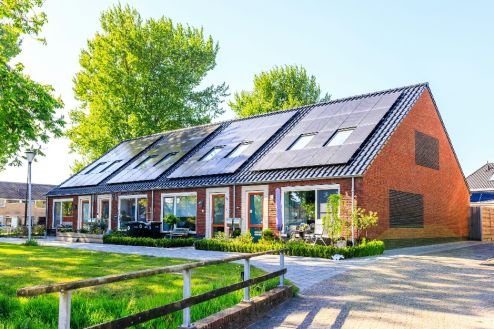

Homes in Pasco County, Florida, sit under a sun that rarely takes a day off. The heat builds early, lingers into the evening, and pushes cooling systems to work harder than most homeowners realize. Energy bills climb, rooms feel uneven, and small inefficiencies start to add up across every season. The good news is that creating a more comfortable home does not require a full renovation or a massive budget. With a few thoughtful upgrades and habits, any household can lower its energy use, ease the load on its cooling system, and feel the difference month after month.
Start With the System That Works the Hardest
Summers in Pasco County push cooling systems through long stretches of intense heat and heavy humidity, leaving little room for equipment to rest or recover. When a unit finally gives out under that pressure, indoor temperatures climb quickly, humidity creeps in, and the house can become genuinely unsafe for children, older adults, and pets within hours. Energy bills also spike as a struggling system runs nonstop without actually cooling the home, which is exactly why prompt AC repair in Pasco County matters so much for local homeowners. Skilled technicians can diagnose issues, replace worn parts, and restore proper airflow before small problems turn into full system failures. Regular tune-ups extend the life of the equipment and keep it running near peak efficiency, which directly translates to lower monthly bills. Catching trouble early also protects indoor air quality, since a struggling unit often circulates dust and moisture instead of filtering them out.
Seal the Envelope of Your Home
Heat finds its way indoors through every crack, gap, and poorly insulated wall. Windows, doors, attic hatches, and even electrical outlets on exterior walls let warm air slip inside while cooled air escapes. Sealing these openings is one of the most affordable improvements a homeowner can make. Weatherstripping around doors, caulk along window frames, and foam gaskets behind outlet covers create a tighter barrier that keeps conditioned air where it belongs. Attic insulation deserves special attention in warm climates, since attics can reach extreme temperatures during summer afternoons. Adding insulation to recommended levels helps block that radiant heat from pushing down into living spaces below. A well-sealed home feels noticeably cooler within days, and the savings show up quickly on monthly statements.
Choose Windows and Shading Wisely
Windows account for a surprising share of unwanted heat gain. Sunlight pouring through untreated glass can raise indoor temperatures fast, forcing thermostats to work overtime. Homeowners have several options for reducing this effect without sacrificing natural light. Low-emissivity window film reflects infrared heat while still allowing visible light to pass through. Cellular shades, blackout curtains, and exterior solar screens add another layer of protection on the hottest days. Outside the home, planting shade trees on the south and west-facing sides offers long-term relief while improving curb appeal. Awnings, pergolas, and trellises with climbing plants also block direct sun before it ever reaches the glass. These changes work quietly in the background, lowering cooling demand throughout the day.
Rethink Lighting and Appliances
Older bulbs and outdated appliances generate heat as a byproduct, which means they add to the cooling load while also using more electricity. Switching to LED bulbs reduces both problems at once, since they run far cooler and last much longer than traditional options. When older appliances reach the end of their useful life, replacing them with energy-efficient models pays off through years of lower utility costs. Refrigerators, washers, dryers, and dishwashers all come in models designed to use less power and water. Small habits matter too, such as running dishwashers and laundry during cooler evening hours, unplugging devices that draw phantom power, and using ceiling fans to make rooms feel cooler without lowering the thermostat. Every watt saved means less heat released inside and less work for the cooling system. Smart power strips can take this a step further by cutting power to electronics that quietly drain energy even when switched off. Over the course of a year, these small adjustments often deliver savings that rival much larger home upgrades.
Manage Indoor Moisture at the Source
Warm climates often bring high humidity, which makes indoor air feel heavier and stickier than the thermometer suggests. When moisture levels stay too high, surfaces feel damp, fabrics hold odors, and mold can take hold in corners that rarely dry out. A standalone dehumidifier placed in the muggiest room of the house pulls excess moisture from the air and gives noticeable relief within a day or two. Bathroom and kitchen exhaust fans should vent outside rather than into attics, and dryer vents need clear pathways to release humid air away from the structure. Houseplants in moderation are fine, but overwatering them or leaving standing water in trays adds unnecessary moisture to indoor air. Wiping down wet surfaces promptly and storing firewood or damp items outside also keeps interior moisture levels in check.
Build Smarter Daily Habits
Technology and upgrades only go so far without supportive habits behind them. Drawing blinds during peak sun hours, keeping interior doors open for better airflow, and shifting heavy chores to early morning or late evening all reduce strain on the home during the hottest stretches of the day. Cooking outdoors on hot days, taking shorter showers, and avoiding the oven during peak afternoon hours are simple choices that add up over a long summer. Hanging laundry to dry, reading near a window with natural light, and gathering the family in shared rooms rather than spreading across the whole house all lower energy use in quiet ways. Families that involve everyone in these habits often see the biggest savings, since efficiency becomes part of the rhythm of the household rather than a one-time project.
Bringing all these pieces together creates a home that handles warm climate challenges with far less strain. Lower bills, steadier comfort, and a longer lifespan for major equipment are the natural rewards of treating energy efficiency as an ongoing practice rather than a quick fix.