
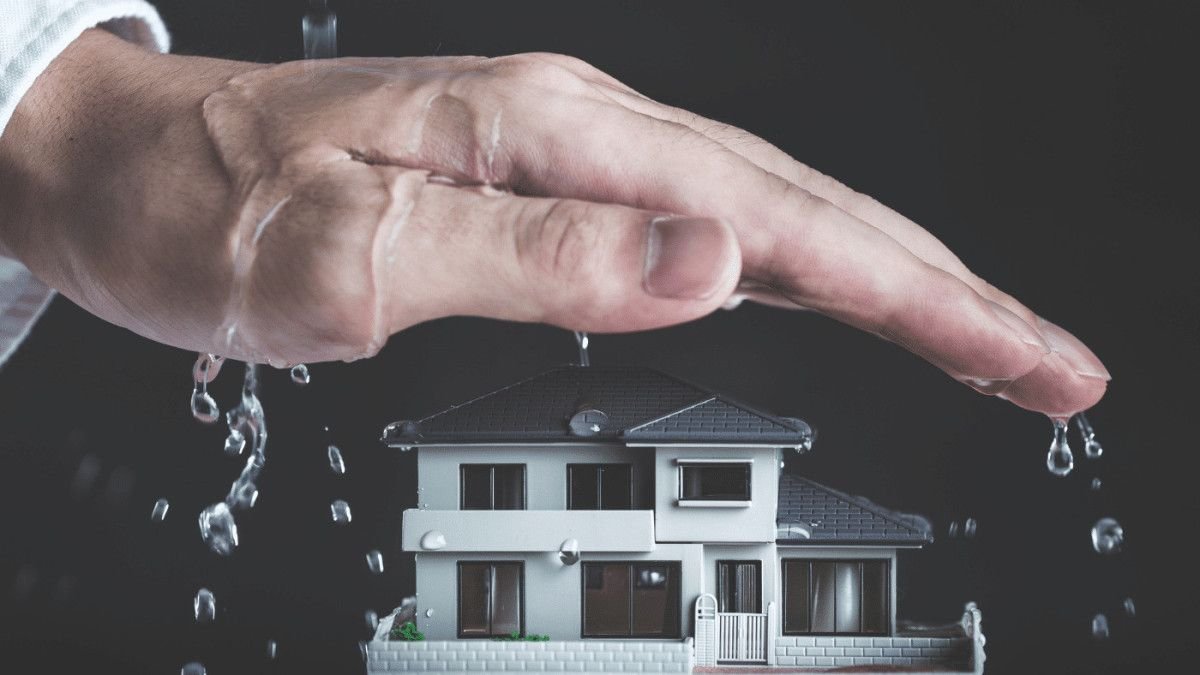

Water intrusion can damage a property quickly. A roof leak, burst pipe, appliance overflow, blocked drain, storm runoff, or foundation seepage can affect flooring, drywall, insulation, wiring, framing, cabinets, and indoor air quality, notes Texas Property Management Partners company.
The first hours matter. Water that looks minor on the surface may have already moved behind walls, under flooring, or into structural cavities.
Good property maintenance after water intrusion means stopping the source, removing moisture, documenting damage, drying materials correctly, and checking for hidden problems before repairs begin.
Stop the Water Source First
Before cleaning, identify where the water is coming from. This may be a plumbing line, roof opening, window seal, appliance hose, drain backup, exterior grading issue, or HVAC condensation line.
If the source is active, shut off the water supply when possible. For roof or storm-related leaks, use temporary containment until proper repair can be arranged.
Do not begin cosmetic repairs until the source is controlled.
Painting over stains, replacing flooring, or patching drywall without fixing the cause will usually lead to repeat damage.
Document the Damage Before Cleanup
Take photos and videos before removing damaged materials. Capture the source area, affected rooms, water lines, flooring, walls, ceilings, furniture, cabinets, and personal property.
Documentation helps with insurance claims, contractor estimates, and repair planning.
Record the date, time, suspected source, rooms affected, and any immediate action taken.
For larger incidents, professional assessment may be needed. Property owners dealing with major leaks, soaked materials, or contaminated water may compare services such as water damage restoration LA when evaluating drying, cleanup, and repair support.
The goal is to create a clear record before conditions change.
Classify the Water Type
Not all water intrusion carries the same risk. Clean water from a supply line is different from water from a drain, toilet overflow, floodwater, or sewage backup.
Clean water can still damage materials if it sits too long. Gray water may contain contaminants from appliances or drains. Black water can contain sewage, chemicals, or outdoor contaminants.
The water type affects cleaning methods, protective equipment, material removal, and disposal.
If contamination is possible, avoid direct contact and do not use household fans that may spread particles.
Remove Standing Water Quickly
Standing water should be removed as soon as it is safe. Use a wet vacuum, pump, mop, or extraction equipment depending on the volume.
Turn off electricity in affected areas if outlets, wiring, or electrical equipment may be exposed to water.
Never step into standing water if there is a possible electrical hazard.
Immediate Removal Steps
Start with these actions:
- Stop the water source
- Photograph affected areas
- Remove standing water
- Move dry belongings away
- Lift wet rugs if safe
- Open accessible cabinet doors
- Keep damaged materials separate
- Avoid using electrical devices near water
Fast action reduces absorption into porous materials.
Dry the Structure, Not Just the Surface
A room can look dry while moisture remains inside walls, subfloors, insulation, and cabinetry. Surface drying is not enough.
Use moisture meters where possible. Check baseboards, wall cavities, flooring layers, toe kicks, ceiling materials, and areas behind appliances.
Air movement and dehumidification should work together. Fans move moisture from wet surfaces into the air. Dehumidifiers remove that moisture from the air.
Drying should continue until materials reach acceptable moisture levels, not just until they feel dry.
Inspect Flooring Carefully
Flooring is often one of the first materials affected by water intrusion. Damage depends on the material and how long it stayed wet.
Hardwood can cup, crown, swell, or separate. Laminate often absorbs water at seams. Carpet padding can hold moisture and odor. Tile may survive, but water can move underneath into the subfloor.
Do not reinstall flooring over damp materials.
Subfloor moisture should be tested before replacement. Trapped moisture can lead to odor, mold growth, and adhesive failure.
Check Walls, Insulation, and Trim
Drywall can wick water upward. Baseboards, door frames, and insulation may hold moisture even after the floor is dry.
Look for bubbling paint, soft drywall, staining, swelling, musty odor, or separation at seams.
Insulation behind wet drywall may need removal because it can hold moisture and slow drying.
Signs of Hidden Moisture
Watch for:
- Musty smells
- Soft drywall
- Warped trim
- Peeling paint
- Swollen cabinets
- Stained ceilings
- Buckled flooring
- Persistent humidity
- Condensation near affected areas
These signs suggest deeper inspection is needed.
Prevent Mold Growth
Mold risk increases when moisture remains in porous materials. Warm temperatures, poor airflow, and organic materials such as drywall paper, wood, and carpet backing can speed growth.
The best prevention is fast drying and removal of materials that cannot be cleaned or dried properly.
Do not rely on fragrance sprays or surface cleaners to solve moisture problems.
If visible mold appears or a musty odor remains after drying, further assessment may be needed before reconstruction.
Review Exterior Drainage
Water intrusion is not always caused by interior plumbing. Exterior drainage problems can send water toward the structure.
Check gutters, downspouts, soil grading, foundation cracks, window wells, exterior doors, roof flashing, and clogged drains.
Water should move away from the building.
Downspouts should discharge far enough from the foundation. Soil should slope away from exterior walls. Roof and flashing issues should be repaired before the next storm.
Repair Only After Drying Is Verified
Repairs should begin after the structure is dry and the water source is fixed. Replacing materials too early can trap moisture inside the property.
Before closing walls or installing flooring, confirm moisture readings and inspect affected cavities.
Keep repair records, material invoices, drying logs, and photos of opened areas.
This creates proof that the damage was handled properly.
Final Thoughts
Water intrusion requires a structured response. Stop the source, document the damage, classify the water, remove standing water, dry hidden materials, and verify moisture levels before repairs begin.
Good maintenance is not only about cleaning what is visible.
It is about protecting the structure from trapped moisture, mold, repeated leaks, and unnecessary repair costs.
When property owners act quickly and follow a controlled process, water damage is easier to contain and the building is safer to restore.