

Existing window conditions influence replacement planning, while the selected features determine how each opening is configured. Window styles vary in their ability to provide ventilation and control daylight, affecting how each style performs within an opening. Installation requirements also depend on the opening’s measurements, the condition of the existing frame, and the design of the replacement assembly. Before beginning a window replacement, evaluate the following factors:
Assess Your Window Needs
Existing windows show conditions that help determine whether replacement is appropriate. Drafts around the frame may indicate air leakage, while uneven indoor temperatures point to inconsistent thermal performance. Condensation or fogging between glass panes is another condition to evaluate when looking for a window for replacement. Window operation provides an additional, practical assessment point: difficulty opening or closing a window affects daily use and indicates an operational issue.
Visible wear, rot, or structural deterioration provides physical evidence of damage to the existing unit. An outdated window style should also be updated when its appearance no longer complements the home’s design. A consultation provides an opportunity to review these conditions and discuss the needs of the existing area before window replacement work begins. This assessment helps make sure that the replacement plan addresses the specific conditions and characteristics of each existing window.
Explore Window Styles
Window styles differ in how their sashes or panels move, so each configuration provides a different method of ventilation. Double-hung windows use two vertically sliding sashes; both sashes can open independently for adjustable airflow. Tilt-in sashes also provide access to the glass for easier cleaning.
Casement windows use side hinges and open outward, which directs airflow through the opening. Sliding windows move horizontally along a track, creating broader openings while maintaining a streamlined configuration. Awning and hopper windows use hinged sashes; their opening directions differ based on the hinge placement.
Bay and bow windows extend outward from the wall, changing the shape and depth of the window opening. Bay windows use angled panels, while bow windows consist of four or more panels arranged in a gentle curve. Their configurations influence how daylight enters the room, and custom designs can combine picture, casement, or double-hung units.
Prioritize Energy Efficiency
Energy performance depends on the glass, frame, seals, and construction of the complete window assembly. Low-E coatings reflect infrared heat while allowing visible light to pass through the glass. Argon or krypton gas between panes reduces heat transfer, and insulated frames limit heat movement through the window structure.
U-factor measures heat transfer through the entire window, so lower values indicate stronger insulation. Solar Heat Gain Coefficient (SHGC) measures how much solar heat passes through the glazing. The appropriate SHGC rating depends on the climate and the window’s exposure to sunlight. These ratings provide measurable data for evaluating thermal performance during replacement planning.
Review Installation Requirements
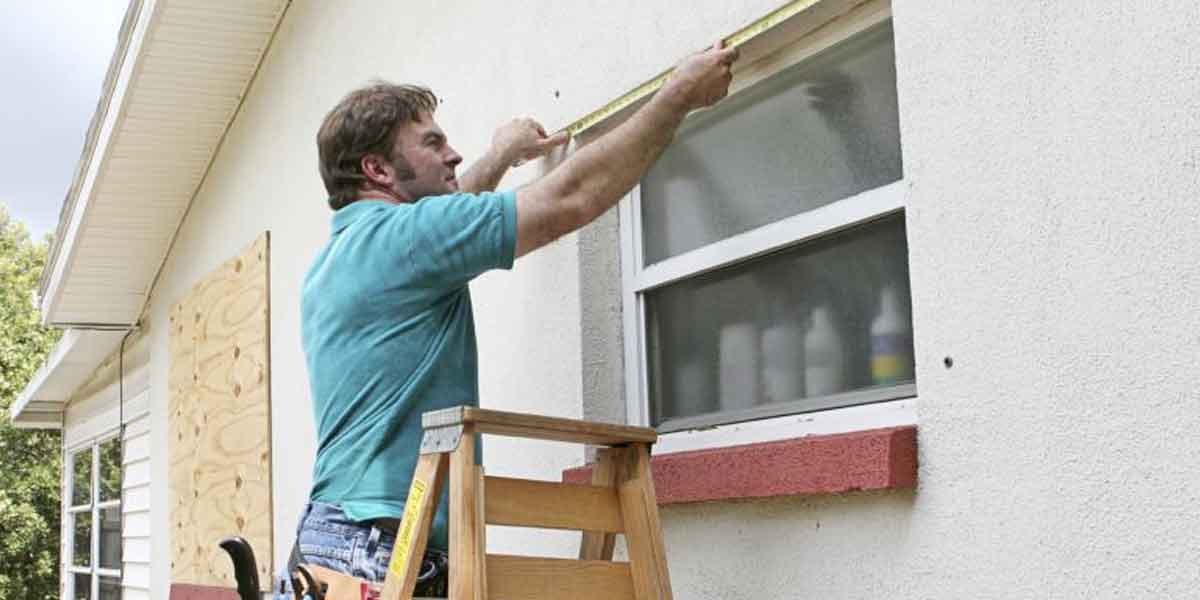
Precise measurements establish the dimensions required for an accurate replacement fit. Sound frames support insert installation. The new window must sit level within the prepared opening; insulation fills gaps around the frame. When frames show damage, full-frame replacement addresses the surrounding structure. Careful removal protects nearby finishes while leaving a square, sound opening for the replacement unit. Shims and anchors stabilize the window, while flashing directs moisture away from vulnerable areas. Once the window is installed, sealants create an airtight boundary that limits air and moisture infiltration.
Schedule Your Window Replacement
A well-planned window replacement helps support the right product and installation method for each opening. Professional window services provide accurate measurements and proper installation to support a good fit, tight seals, proper alignment, and smooth operation. A consultation reviews the condition of each existing window and helps determine the right replacement approach for each opening. Schedule your consultation today.