
Air ducts influence how conditioned air travels through commercial buildings, impacting HVAC performance. Dust and debris inside ductwork create resistance that sometimes alters airflow and equipment performance. Duct inspections reveal problems such as leaks, loose connections, and damaged sections that cleaning alone cannot address. Here are a few ways commercial duct cleaning affects HVAC system performance:
Identify Ductwork Problems
Commercial duct cleaning provides an opportunity to assess the condition of accessible ductwork. Technicians are able to identify leaks, disconnected joints, or duct damage within the system. Loose connections may become apparent as technicians clean accessible sections of the ductwork; moisture should also be investigated when unusual growth or signs of material deterioration are present. Identifying minor issues early helps prevent them from escalating into large-scale repairs.
Reduce Strain on HVAC Equipment
Ductwork problems affect how efficiently an HVAC system delivers conditioned air throughout a commercial building. Significant restrictions may increase the workload, placing additional demands on the blower during operation. Keeping accessible duct sections clean supports normal air movement through the distribution system. The following are some ways duct conditions can affect HVAC equipment:
- Blower operation: Restrictions increase the resistance the blower works against during circulation.
- Duct integrity: Leaks and disconnected sections allow conditioned air to escape before reaching occupied areas.
- System operation: Poor duct conditions interfere with the HVAC system’s intended air distribution.
- Maintenance needs: Identifying duct issues helps determine whether cleaning, repair, or further inspection is appropriate.
Assessing the condition of the ductwork allows technicians to determine whether specific sections require cleaning, sealing, repair, or further inspection. Cleaning removes accumulated material from accessible duct sections, while repairs address physical defects. A thorough assessment helps identify the appropriate service for each issue, and it prevents unnecessary work.
Support Consistent Temperatures
Temperature differences between connected areas can indicate that conditioned air is not being distributed evenly throughout a commercial building. Rooms located farther from the HVAC equipment sometimes receive less airflow when ductwork contains significant buildup. Leaks can also reduce the amount of heated or cooled air reaching specific spaces. These conditions make certain areas feel warmer or cooler than the intended thermostat setting, particularly in larger buildings with extensive duct networks.
Protect Return-Air Pathways
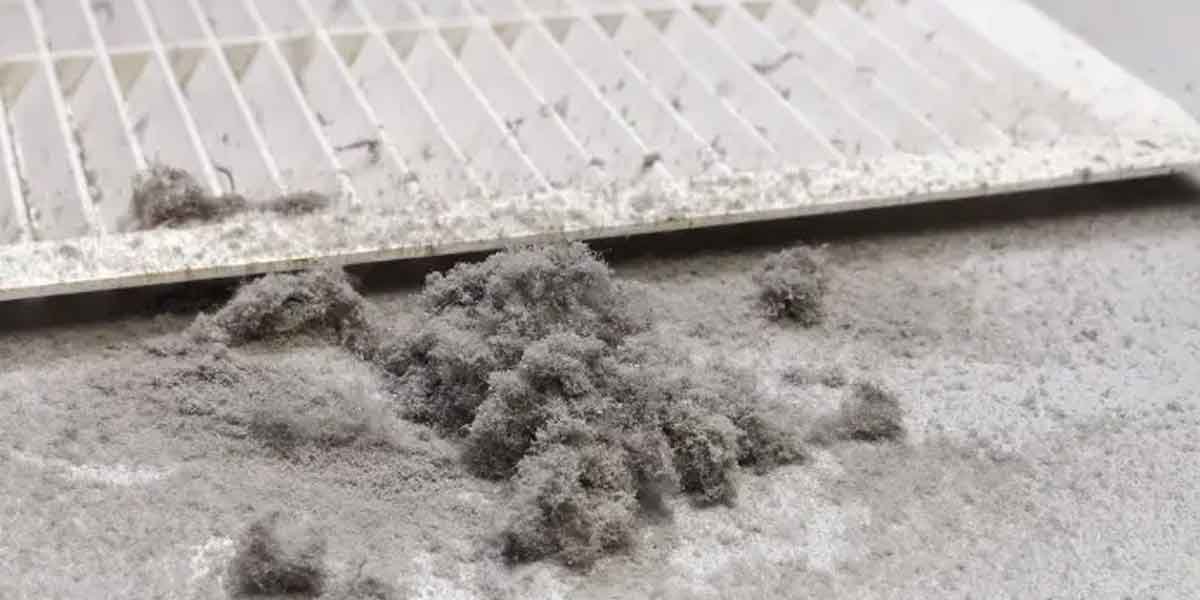
Return ducts carry indoor air back toward the HVAC equipment for filtering and conditioning. Material entering through return vents can accumulate inside the ductwork, and replacement filters only address particles moving through the system. Deposits attached to accessible duct surfaces require professional cleaning. The following factors explain how return-air conditions affect HVAC operation:
- Airflow: Accumulated material can reduce the available space for return air to move through the ductwork.
- Filter performance: Restricted return airflow affects how air moves through the filter and back to the HVAC equipment.
- Equipment circulation: Return-air restrictions can change the volume of air reaching the HVAC unit during operation.
- System balance: Uneven return airflow sometimes contributes to differences in how air circulates between areas of the building.
Cleaning accumulated material from return pathways can improve airflow through the system. It helps maintain an unobstructed route for indoor air to travel back to the HVAC equipment. Addressing these issues alongside filter and equipment maintenance also supports more consistent system performance.
Improve Indoor Air Quality
Dust, debris, and other accumulated material inside ductwork sometimes enter the airstream as the HVAC system operates. Commercial buildings undergoing renovation or with heavy foot traffic may introduce additional particles into air distribution systems. Cleaning accessible duct surfaces removes accumulated material from areas that carry or distribute indoor air. Technicians can also identify visible contamination that requires further assessment during the cleaning process.
Air quality concerns also arise when moisture enters and remains inside sections of ductwork. Damp conditions can support microbial growth, which contributes to odors within the air distribution system. Cleaning removes accumulated material, but moisture sources sometimes require separate investigation and correction. Addressing both conditions prevents the ductwork from becoming a continuing source of airborne contaminants.
Schedule Commercial Duct Cleaning
Commercial buildings may undergo renovations, construction, and changes in occupancy that affect ductwork conditions. Construction activity introduces debris into air distribution systems, while changes in building use sometimes alter ventilation demands. Persistent airflow problems, unusual odors, or visible contamination warrant a professional duct inspection; this helps determine whether cleaning or repair is needed. Contact an HVAC company to learn more about commercial duct services.