
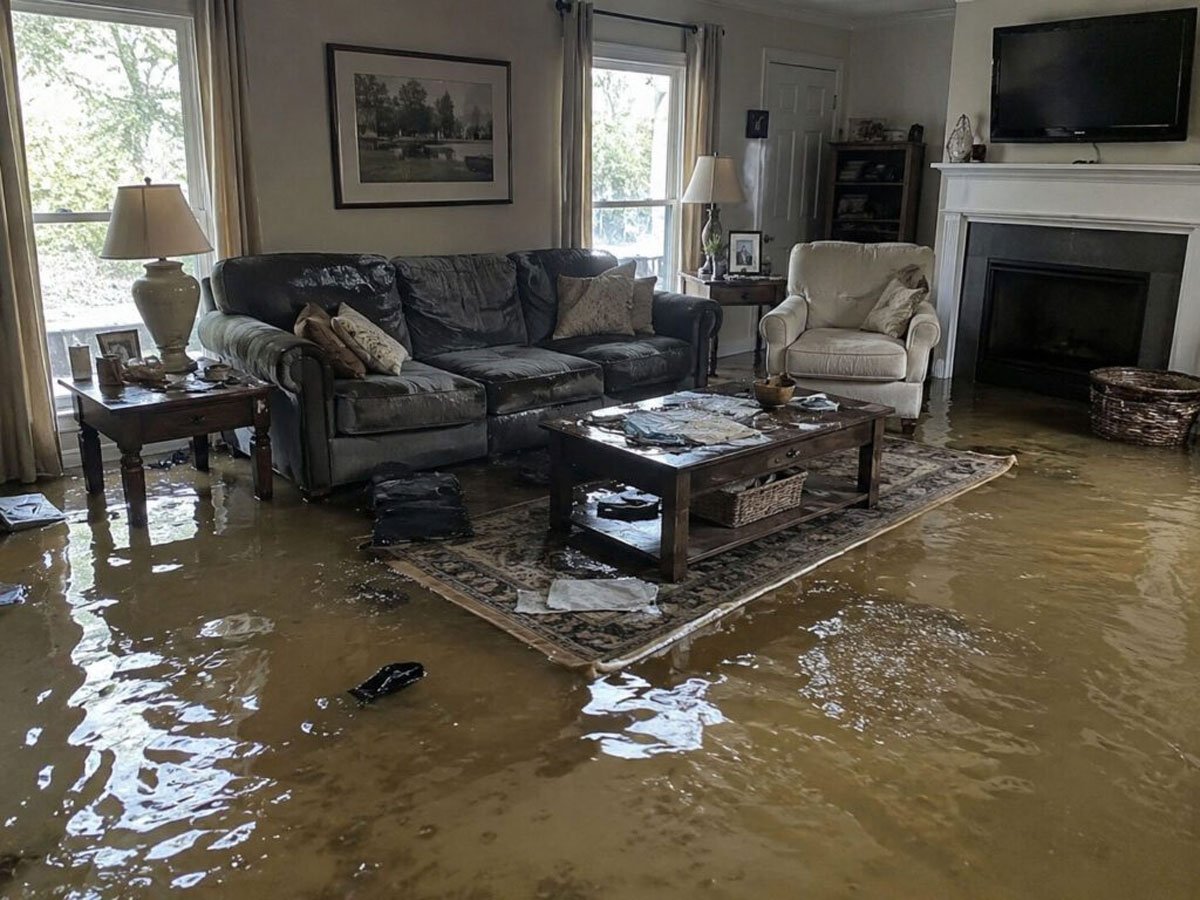

Nobody is ready for the moment they open the basement door and hear water. Maybe it is an inch across the floor. Maybe the boxes along the wall have already gone soft and the furnace is standing in a puddle. Either way, the next two days decide most of the outcome: how much you save, how much the insurance company pays, and whether you end up with a mold problem on top of a water problem.
Before you go down the stairs
Water and electricity don’t mix, and a basement is where the two usually meet. If the water has reached outlets, extension cords, the furnace or the electrical panel, stay out of it. Shut off power to the basement at the main panel if you can get to it from a dry spot. If you can’t, call an electrician or your utility.
Smell gas? Leave the house and call the gas company once you are outside. And wear rubber boots and gloves, especially if the water came up through a floor drain. A sewer backup carries bacteria, and it is not something to wade through in sneakers.
Photograph everything first
This is the step people skip because they want the mess gone. Don’t. Before you move or toss a single thing, take photos and a slow video of the whole basement: the water line on the walls, the source if you can see it (a dead sump pump, a crack in the foundation, a floor drain that backed up), and every damaged item. It takes five minutes on a phone and it is the best evidence you will have.
Then call your insurer and ask what the policy actually covers. Standard homeowner’s policies often treat outside flooding, sewer backups and sump pump failures as different things, and some of them are only covered with a separate endorsement or a flood policy. Ask before you start throwing things out. Ask, too, whether the adjuster wants to see the damaged items in person.
Get the water out and dry the space fast
A wet vacuum can handle a shallow puddle. Anything deeper than a few inches needs a submersible pump or a water damage restoration company. Once the standing water is gone, run dehumidifiers and fans day and night, and open the windows if the air outside is drier than the air inside.
Don’t wait on this part. The EPA recommends drying water-damaged materials within 24 to 48 hours to prevent mold. Anything porous that stays wet longer is a mold risk, even if it looks fine.
Deciding what to keep
Whether something can be saved comes down to what it is made of and what kind of water touched it. A burst supply pipe is clean water. Groundwater and sewage are not, and with those it pays to be ruthless.
Solid wood furniture you can clean, dry and refinish usually comes back fine. So do metal shelving and hand tools, anything that sat in a sealed plastic bin, and glass, ceramics or hard plastic once they have been washed and disinfected. Appliances that got wet should be checked by a technician before you plug them in again. Family photos and paper documents are a special case: many can be frozen and dried later by a specialist, so bag them and put them in the freezer instead of the trash.
Things that almost never come back:
- Wall-to-wall carpet and pad that sat in groundwater or sewage
- Mattresses, box springs and upholstered furniture
- Particleboard and MDF, which swell and crumble once they soak up water
- Cardboard boxes and whatever paper was in them
- Drywall and insulation below the water line
- Pillows, stuffed toys and other fabric items that touched sewage
- Food stored in the basement, unless it is in sealed metal cans
If you are on the fence about the old couch, let it go. A damp sofa carried back into a finished basement can quietly grow mold for months before anyone notices the smell.
Getting the ruined stuff out
This is the part that surprises people. Soaked carpet weighs several times what it did dry. A waterlogged sectional can take three adults to lift, and all of it has to go up the basement stairs. Cutting carpet and pad into strips, bagging the wet boxes and carrying everything out is a full, filthy day of work.
A lot of homeowners split it. A restoration company does the extraction, the drying and any mold work, and a junk removal crew hauls the damaged contents. If you are in the Chicago suburbs, for example, the crew at hoverlacs.com carries out flood-damaged carpet, furniture and boxes once the insurance photos are done. Wherever you live, keep the receipts for hauling and cleanup. Some policies pay those costs back.
Fix the cause while the basement is empty
An empty, dry basement is the easiest one to inspect, so this is the moment to deal with whatever let the water in. The usual suspects:
- A sump pump that failed, is too small, or has no battery backup
- Downspouts that dump water right against the foundation
- A yard that slopes toward the house
- Cracks in the foundation walls or floor
- A sewer line that backs up in heavy storms (a backwater valve can help)
A waterproofing contractor can look at the walls, the drainage and the sump system and tell you which fix makes sense for your house.
Moving back in
When the basement is ready again, put things on metal or plastic shelving a few inches off the floor and swap cardboard for sealed plastic bins. Keep the important papers and photo albums upstairs. A cheap water alarm near the sump pit, and another by the water heater, will tell you about the next leak while it is still a puddle.
Sources: U.S. EPA, A Brief Guide to Mold, Moisture and Your Home (https://www.epa.gov/mold/brief-guide-mold-moisture-and-your-home); Ready.gov, Floods (https://www.ready.gov/floods).