
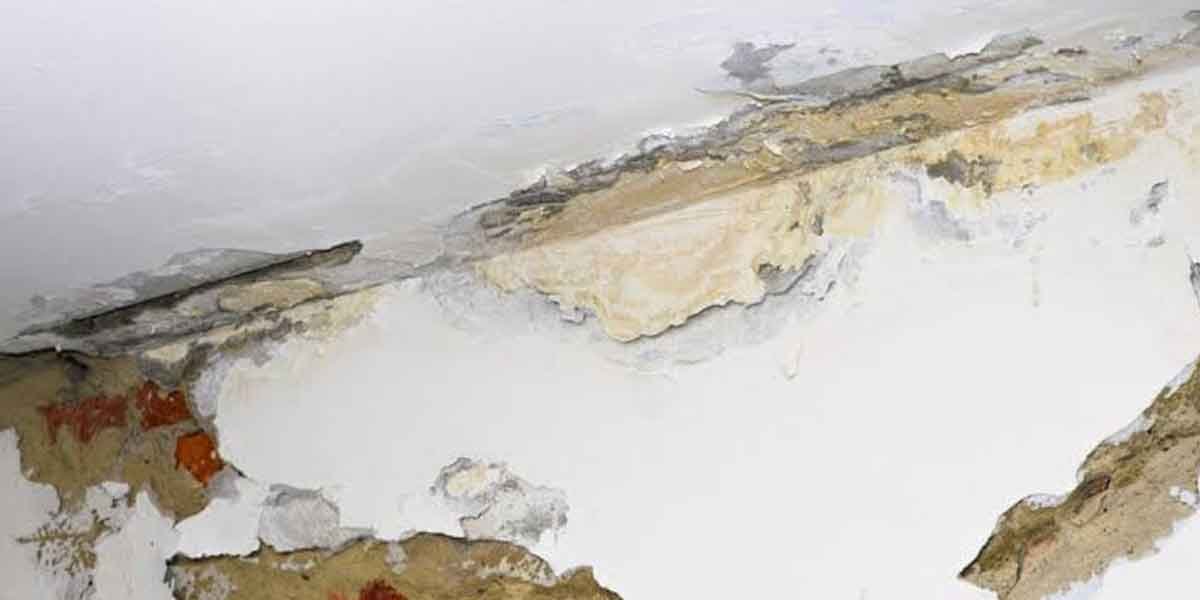

Water damage ranks among the most common and costly problems homeowners face, and it rarely gives any warning before serious harm sets in. What makes it so frustrating is that water has a remarkable talent for finding the smallest openings and working its way into places you would never think to inspect. Over time, even minor or infrequent exposure can lead to structural deterioration, mold growth, and repairs that stretch well beyond what anyone budgeted for. Knowing where your home is most vulnerable is really the first and most important step toward protecting it.
Roof and Attic Entry Points
The roof is your home’s first line of defense against the elements, and it also happens to be one of the most frequently compromised areas. Missing or damaged shingles, cracked flashing around chimneys, and deteriorating seals around skylights can all allow water to seep in gradually and quietly. Once moisture gets into the attic, it spreads across insulation and wooden beams long before any visible signs appear in the living space below. Seasonal shifts and severe storms accelerate this wear faster than most people realize. Regular roof inspections, particularly after heavy weather, are essential for catching these vulnerabilities before they spiral into something much more serious.
Foundation Cracks and Basement Walls
Many homeowners pour attention into the upper portions of their homes while forgetting that water pressure from the surrounding ground can push moisture directly through the foundation. Hairline cracks in concrete walls or floors may look harmless at first glance, but they tend to widen over time and become significant entry points for water. Poorly graded landscaping that funnels rainwater toward the house rather than away from it can make this problem considerably worse in a short period. Waterproofing treatments and well-designed drainage systems around the perimeter of your home go a long way toward preventing basement flooding and persistent moisture infiltration. These are not glamorous upgrades, but they are genuinely effective ones.
Windows, Doors, and Their Surrounding Frames
Gaps around window and door frames are surprisingly common culprits when it comes to water intrusion, and they are easy to overlook during a casual walkthrough. Caulking and weatherstripping degrade over the years, leaving tiny spaces where rain and humidity can work their way inside with very little effort. Once water gets behind a frame, it can damage drywall, wooden trim, and even the structural framing hidden within your walls. Architects in Boulder often prioritize thoughtful window and door placement along with high-quality sealing materials to help residents manage the challenges of a climate that sees significant precipitation and temperature fluctuations. Checking and refreshing the seals around all your exterior openings once a year is a simple habit that pays off well beyond the time it takes.
Plumbing Penetrations and Interior Pipe Areas
Not all water damage originates from outside the home, and that is a detail worth keeping in mind. Pipes running through walls, floors, and ceilings create natural penetration points where moisture can collect if fittings are loose or seals have quietly failed over time. Slow leaks behind walls often go undetected for months, warping wood and encouraging mold growth long before the damage becomes visible to the naked eye. Areas under sinks, around toilets, and behind washing machines are particularly prone to these kinds of hidden leaks. Building a routine around checking your plumbing system and the spaces surrounding pipe penetrations can catch small issues well before they demand major repairs.
HVAC Systems and Condensation Pathways
Heating and cooling systems move a surprising amount of moisture through a home on a daily basis, and that moisture has to go somewhere. Condensation can build up in ductwork, around air handlers, and near drip pans that have cracked or become clogged over the seasons. Improperly insulated ducts running through unconditioned spaces like attics or crawl spaces are especially susceptible to moisture buildup throughout the year. Left unaddressed, these persistently wet environments become breeding grounds for mold and can compromise air quality throughout the entire home. Scheduling regular HVAC maintenance and keeping all drainage components clean and functional is a straightforward way to keep this particular risk well under control.
Conclusion
Water damage does not discriminate, and it certainly does not wait for a convenient time to make itself known. Every gap, crack, and compromised seal in your home represents a potential entry point that can lead to expensive consequences if left unattended. Staying proactive about inspections, maintenance, and timely repairs significantly reduces your exposure to water-related damage over the long haul. Taking the time to understand where your home is most vulnerable gives you the knowledge and confidence to protect your investment while maintaining a safe, comfortable living environment for years to come.