
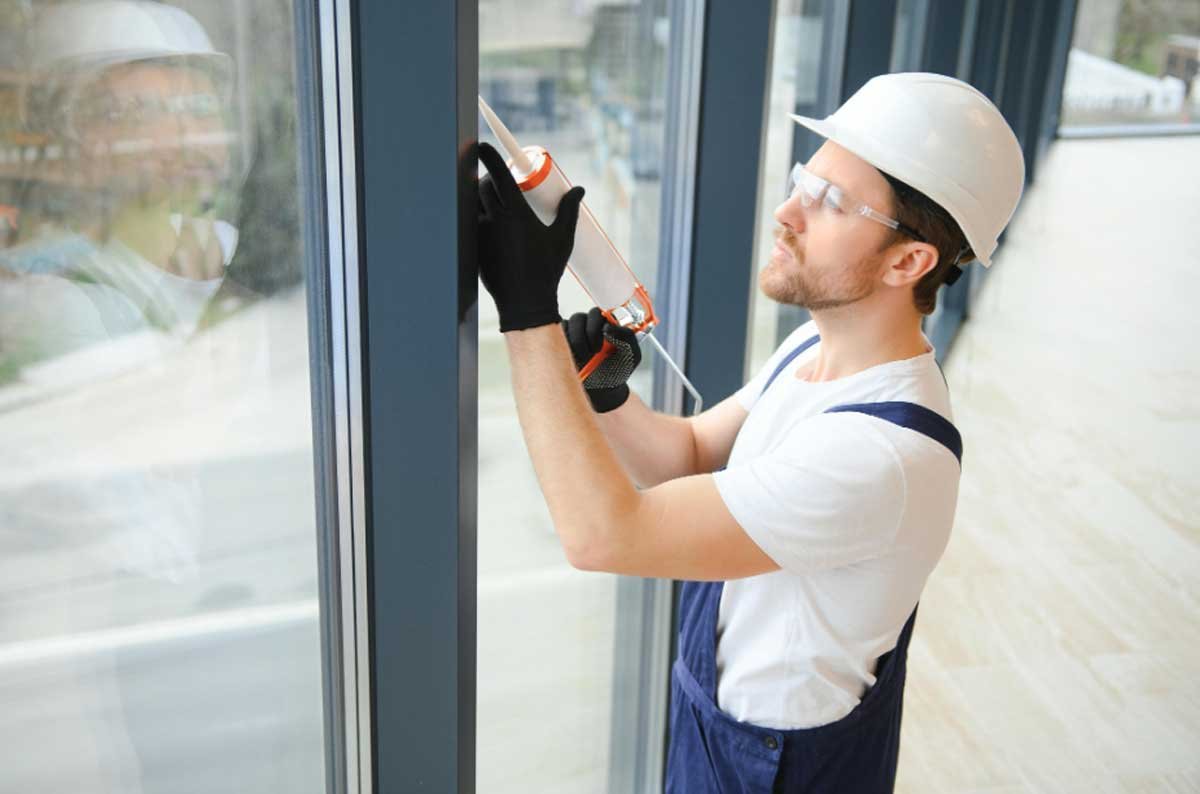

Caulking plays a bigger role in building maintenance costs than many property owners realize. It helps seal gaps around windows, doors, joints, panels, and other areas where air or moisture can enter.
When caulking is ignored, small openings can slowly turn into expensive problems. Water damage, air leaks, mold concerns, and premature material wear often cost far more to fix than routine sealing work.
Why Sealed Gaps Matter
Buildings naturally move over time. Temperature changes, moisture, wind, and daily use can cause materials to expand, contract, or shift slightly. Caulk helps fill the spaces where these materials meet.
When those seals stay in good condition, they help protect the building envelope. That means less outside air and water gets inside, which can reduce strain on heating, cooling, and repair budgets.
Lower Risk Of Water Damage
Water is one of the most common causes of costly building repairs. If rainwater enters through gaps around windows, walls, or exterior joints, it can damage drywall, insulation, framing, flooring, and finishes.
Regular exterior caulking helps prevent water from reaching hidden areas. This is especially important because moisture damage is not always visible right away. By the time stains, odors, or soft materials appear, the repair may already be more involved.
Better Energy Control
Open gaps allow conditioned air to escape and outdoor air to enter. This can make rooms feel drafty, uneven, or harder to keep comfortable. In larger buildings, even small air leaks can add up.
Good sealing supports better temperature control. It may help HVAC systems work more efficiently because they do not have to fight constant air loss around weak points in the building.
Fewer Emergency Repairs
Caulking is usually a planned maintenance task. Repairs due to failed seals are often unplanned. That difference matters for property managers and building owners.
A simple inspection may find cracked, loose, or missing caulk before it causes damage. Fixing those areas early can help avoid urgent calls, tenant complaints, and higher repair costs.
Common warning signs include:
- Cracks or gaps in old caulk
- Peeling or shrinking sealant
- Water stains near windows or walls
- Drafts around doors or frames
- Mold or musty smells near sealed joints
Longer Life For Building Materials
Many building materials last longer when they are protected from moisture and air exposure. Wood, metal, masonry, insulation, and interior finishes can all suffer when seals fail.
Quality commercial caulking supports the life of these materials by reducing exposure to damaging conditions. This does not mean caulk solves every maintenance issue, but it does help protect vulnerable transition points.
Why Regular Inspections Help
Caulk does not last forever. Sun exposure, weather, movement, and age can cause it to break down. That is why regular inspections should be part of a maintenance plan.
For many properties, checking seals before harsh weather seasons is a practical habit. It gives owners and managers time to repair weak areas before rain, snow, heat, or cold creates bigger problems.
Choosing The Right Maintenance Approach
A good caulking plan focuses on prevention, not just repair. It looks at the areas most exposed to weather, movement, and daily wear. It also uses materials suited to the surface and location.
Property managers should keep records of inspections and repairs. This makes it easier to track recurring trouble spots and plan future maintenance budgets with fewer surprises.