
Working at height gets less forgiving when heat, fatigue, and equipment load build at the same time. Crews may slow down, lose precision, or make weaker decisions before anyone shows clear signs of heat illness. These changes matter more when the task involves climbing, edges, or repeated transitions.
Most elevated jobs already involve physical load from tools and protective systems. Workers may be wearing a high-quality safety harness while managing heat, movement, and task demands at the same time. This article looks at how those factors affect planning, pacing, and performance. It is not a product guide or a medical reference.
What These Three Stressors Actually Mean
Heat Stress Is More Than Hot Weather
Heat stress is the total heat load on the body. It comes from the environment, the physical work being done, and clothing or protective equipment. Even moderate heat can affect thinking, coordination, and endurance.
Fatigue Is Physical and Cognitive
Fatigue is reduced capacity. It can come from long shifts, heavy work, awkward posture, repetition, poor recovery, or heat. It affects both the body and the mind. At height, that can change how people move, focus, and make decisions.
PPE Burden Changes How Work Feels and Moves
PPE Burden Includes More Than Weight: Harnesses, connectors, helmets, protective clothing, and tethered tools add bulk, restrict movement, and retain heat.
Movement Changes With a Self-Retracting Lifeline: A tested and respected self-retracting lifeline (SRL) supports movement, but it can add drag or resistance during climbing and positioning.
Fall Protection Equipment Adds to Total System Load: Reliable fall protection equipment is essential, but it still affects effort, balance, and pacing over a full shift.
Why These Conditions Matter More at Height
Small Performance Changes Matter More Above Ground
Work at height leaves less room for error. Slower reactions, weaker grip, or reduced balance can have larger consequences. Tasks like climbing, repositioning, or managing tie-offs depend on steady movement and clear attention.
Awkward postures and narrow supports increase the effort needed to stay stable. Ladders, scaffolds, and elevated platforms call for constant adjustment. Heat and fatigue raise the effort required for the same task.
The First Signs Are Often Subtle
These stressors usually show up as small changes in how work gets done.
Workers may pause more often or move more slowly.
Foot placement, tool handling, and positioning may become less precise.
Attention may narrow to the immediate task, with less scanning for hazards.
These shifts do not always look dramatic. On the ground, they may be manageable. At height, they reduce the margin for recovery.
How It Shows Up on Real Jobsites
Different Trades Feel the Combined Load Differently
The effect of heat, fatigue, and equipment load depends on the work environment. Task duration, access type, and carried equipment shape how these pressures show up.
Examples From Common Elevated Work Environments
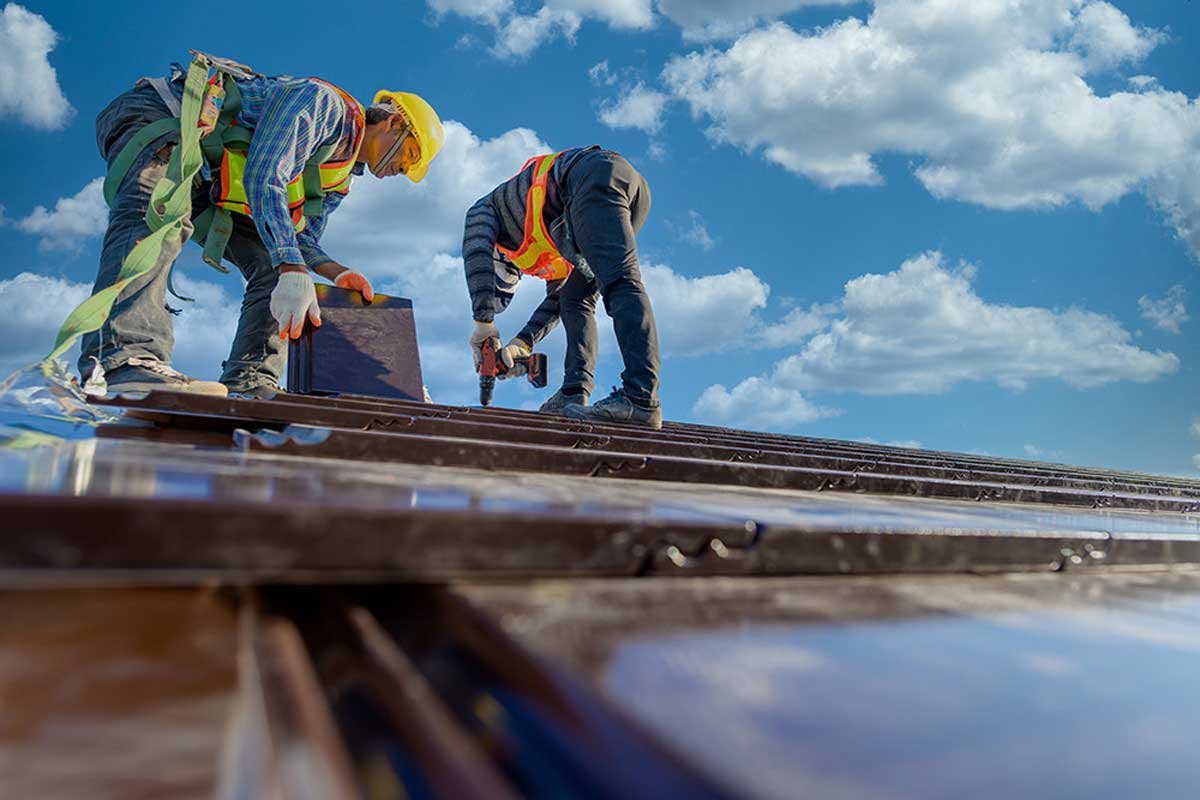
Roofing Work Adds Surface Heat and Exposure: Dark surfaces and direct sun increase heat load. Repeated movement and harnessed work can make routine tasks more tiring over time.
Steel and Utility Work Add Climbing and Repositioning Demands: Frequent climbing and transitions increase effort. Full fall-arrest systems add weight and affect movement.
Indoor Elevated Work Can Still Build Heat and Fatigue: Manufacturing platforms and mezzanines may have limited airflow. Protective clothing and tools add to the load.
The Same Task Changes Under Combined Load: A task that feels manageable in mild conditions can become slower and more demanding when heat, duration, and equipment burden stack together.
What Better Planning Looks Like
Planning Should Change Before Performance Slips
Heat, fatigue, and equipment load should be part of the job plan. They are not background conditions. They affect how long crews can stay effective at height and how tasks should be sequenced.
Planning includes schedule, duration, hydration, and task type. It also includes how crews access elevated areas and how often they need to reposition.
Guidance for working in outdoor and indoor heat environments highlights the need to adjust schedules, manage exposure, and provide access to water and rest. CDC heat-stress workplace recommendations likewise emphasize hydration, acclimatization, and monitoring as part of routine work planning.
Controls That Support Better Elevated Work Decisions
Schedule the most precision-dependent elevated tasks during cooler parts of the day when possible.
Build hydration, acclimatization, and work-rest planning into the job instead of leaving them to worker discretion.
Watch for early signs such as slower climbing, extra pauses, rough positioning, or more tool handling errors.
Treat rescue readiness as part of the plan, especially when heat and fatigue may reduce worker capacity.
These controls support better decisions without relying on crews to push through difficult conditions.
Why Gear Load Should Be Part of the Job Plan
Equipment Load Affects Endurance, Not Just Comfort
Harnesses, lifelines, connectors, helmets, and protective clothing affect more than comfort. They change how the body moves and how much effort is required to stay balanced and controlled.
Added weight and restricted movement can increase muscle fatigue. Heat-retaining clothing can raise thermal load. Over a full shift, these effects build.
Planning Questions Matter More Than Product Claims
The key question is how the total system affects the task. That includes movement, effort, and time spent at height. It is not only about what equipment is used.
Planning should consider how gear, tools, and clothing interact with heat and workload. This helps set realistic pacing and exposure limits without assuming one setup works in every situation.
The Real Issue Is the Combined Load
Elevated work becomes harder when stressors stack up. Heat, fatigue, and PPE burden rarely appear alone. They build together over time and affect how people move, think, and pace their work.
At height, the challenge is maintaining control as those pressures increase. Better planning starts by treating environmental conditions, physical demand, and equipment load as one job condition, not separate issues.