


Real estate transactions, whether buying, selling, or renting, represent significant financial and personal investments, often involving hundreds of thousands of dollars and years of planning. Unfortunately, this also makes them fertile ground for various forms of fraud, from sophisticated digital scams to outright identity theft. Understanding the common schemes and implementing proactive measures is crucial for safeguarding your assets and peace of mind, especially given the potential for devastating financial loss. This guide will delve into the prevalent types of real estate fraud, equip you with practical prevention strategies, and outline the steps to take if you suspect you’ve been targeted. Navigating the complexities of property law and financial transactions can be daunting, and a single misstep, like an errant wire transfer, could have severe, irreversible consequences. Therefore, vigilance and informed decision-making are your strongest defenses against potential fraudsters, ensuring your journey through the real estate market is as secure as possible.
Understanding Common Real Estate Fraud Schemes
Real estate fraud encompasses a broad spectrum of deceptive practices designed to illegally obtain money or property, often exploiting vulnerabilities in transaction processes, digital communication, or individuals’ trust. From sophisticated wire transfer scams to deceptive rental listings, fraudsters continuously adapt their methods, making it essential for all parties involved in real estate to be aware of the risks and their evolving nature, points out Gulf Property Management. While the specific tactics may vary, the underlying goal remains consistent: to defraud unsuspecting individuals of their hard-earned assets.
Wire Fraud: The Digital Age Threat
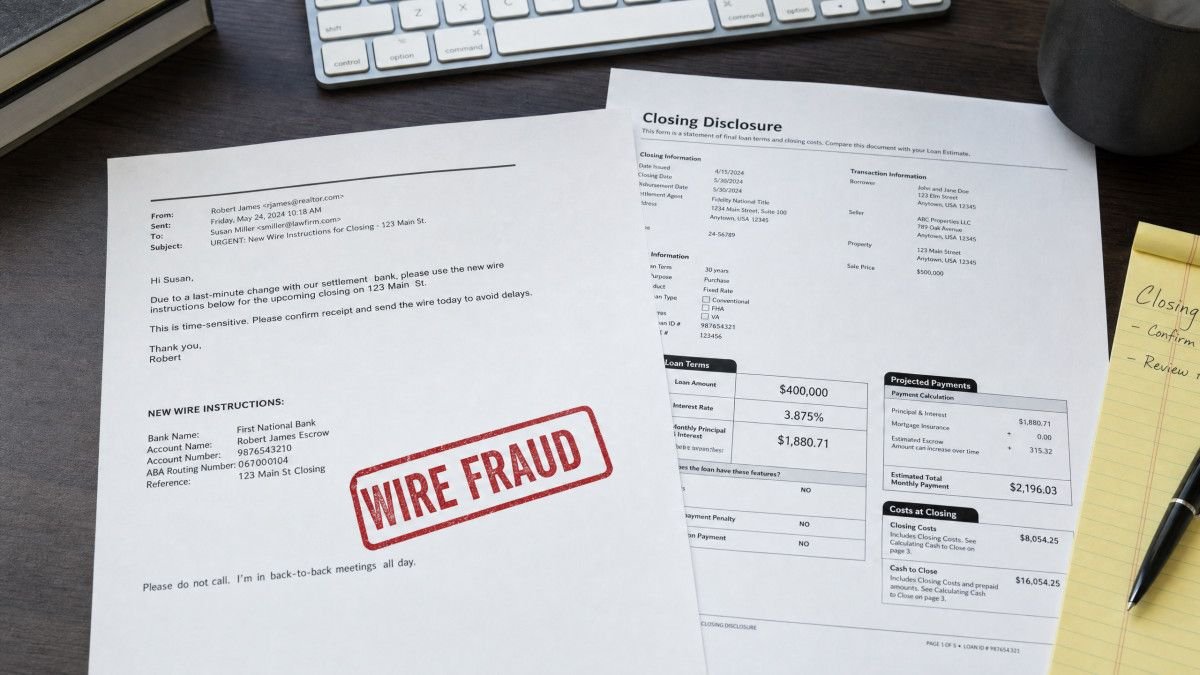
Wire fraud is arguably one of the most insidious and rapidly growing threats in real estate, particularly during the critical closing stages of a home purchase, where large sums are transferred electronically. This scam typically involves fraudsters hacking into email accounts of real estate agents, title companies, or attorneys to send fraudulent wiring instructions to buyers. The buyer, believing they are sending funds to the legitimate party, unknowingly transfers their down payment or closing costs, perhaps $50,000 or more, directly into the scammer’s account. Once wired, these funds are often irrecoverable, leading to devastating financial losses that can derail a home purchase entirely.
Deed and Title Fraud: Stealing Your Ownership
Deed fraud, also known as title fraud, involves criminals illegally transferring property ownership without the true owner’s knowledge or consent, effectively stealing the property. This can occur by forging signatures on deeds, impersonating property owners, or filing fraudulent documents with county recorders. Once the deed is transferred, the fraudster might attempt to sell the property to an unsuspecting buyer or take out substantial loans against it, perhaps a home equity line of credit for $100,000. Victims often discover the fraud only when they receive unexpected tax bills, notices of foreclosure, or find their property has been sold out from under them. The idea that someone could simply “steal” your home without you knowing is a deeply unsettling thought, causing immense stress and a lengthy legal battle to reclaim ownership.
Rental Scams and Phantom Properties
Rental scams prey on individuals desperate for housing, especially in competitive markets where demand outstrips supply. Fraudsters often create fake listings for properties they do not own or manage, using attractive photos and below-market rents—perhaps a luxury apartment advertised for $1,500 in a city where similar units rent for $2,500—to lure victims. They might demand upfront deposits, application fees, or even full rent payments before disappearing, leaving the prospective tenant with no keys and no recourse. Another variant involves renting out a property that is already occupied or not actually available, sometimes even showing a property they have no right to access. These scams can leave individuals not only out of pocket by hundreds or thousands of dollars but also without a place to live, adding insult to injury and a profound sense of betrayal.
Foreclosure and Loan Modification Scams
When homeowners face financial distress, perhaps due to job loss or medical emergencies, they can become targets for predatory foreclosure and loan modification scams. These schemes often involve companies or individuals promising to save a home from foreclosure or to secure a favorable loan modification, usually in exchange for hefty upfront fees, sometimes thousands of dollars. However, they often provide little to no service, leaving the homeowner in a worse financial position, sometimes even losing their home due to missed deadlines or improper legal filings. These predatory practices exploit vulnerability and desperation, making an already difficult situation unbearable and leaving families without their most significant asset.
Investment Fraud and Unrealistic Returns
Beyond direct property transactions, real estate investment fraud targets individuals seeking to grow their wealth through property. Scammers might promote schemes promising exceptionally high, guaranteed returns on investments in undeveloped land, distressed properties, or international developments. These often involve complex, opaque structures and high-pressure sales tactics. Investors might be shown glossy brochures and impressive projections, but the underlying assets are either non-existent, grossly overvalued, or tied up in legal disputes. The promise of a 20% annual return on a seemingly risk-free investment should always raise a red flag, as legitimate real estate investments carry inherent risks and more modest, albeit steady, returns. Many victims realize too late that their entire investment, perhaps their life savings, has vanished.
Proactive Strategies to Safeguard Your Investment
Protecting yourself from real estate fraud requires a multi-faceted approach, combining due diligence, technological awareness, and robust legal safeguards. Being proactive rather than reactive is paramount in minimizing your risk, as recovering from fraud can be a lengthy and emotionally draining process. Implementing these strategies can significantly reduce the likelihood of falling victim to fraudulent schemes, ensuring your real estate transactions proceed smoothly and securely. It’s not about being paranoid, but about being meticulously prepared and informed at every step.
Verify All Communications and Instructions
Always independently verify any wiring instructions or sensitive financial requests, especially if they arrive via email or seem to change unexpectedly, even if they appear to come from a trusted source. Do not rely on email addresses or phone numbers provided within the suspicious communication itself. Instead, use independently obtained contact information, such as a phone number from the company’s official website, a business card you received in person, or a number you’ve used successfully in previous, verified communications. A quick phone call to a trusted contact, using a known number, can prevent a catastrophic loss of tens or hundreds of thousands of dollars. According to the FBI’s Internet Crime Complaint Center (IC3), real estate wire fraud continues to be a significant threat, with reported losses exceeding $226 million in 2023 alone, underscoring the critical need for verification.
Due Diligence in Property and Parties
Thoroughly research any property you intend to buy or rent, and verify the identity and credentials of all parties involved, including agents, brokers, sellers, and landlords. For rentals, always insist on viewing the property in person and meeting the landlord or agent face-to-face; be wary of excuses for not being able to show the property. For purchases, ensure you are working with licensed professionals—check their licenses with state regulatory bodies—and consider obtaining a comprehensive title search to confirm legitimate ownership and identify any existing liens, easements, or encumbrances that could affect your ownership. A little extra effort upfront, like checking public records for property ownership history, can save immense heartache and legal fees later.
Leverage Legal and Financial Protections
Engage a reputable real estate attorney to review all contracts, closing documents, and any unusual clauses before signing. Their expertise can identify red flags and protect your interests. Consider purchasing owner’s title insurance, which protects against defects in the title, including those caused by forgery, fraud, or undisclosed heirs, providing a crucial layer of financial protection for the lifetime of your ownership. Many counties and states also offer property fraud alert services that notify you via email or mail of any recorded documents related to your property, allowing you to quickly detect and respond to fraudulent filings. These legal and financial safeguards act as crucial safety nets, providing recourse and protection should something go awry, and are often a small price to pay for significant peace of mind.
Secure Your Personal Information
Protect your personally identifiable information (PII) diligently, as it is often the gateway for fraudsters to impersonate you or access your accounts. Be cautious about sharing sensitive details online or over the phone, and question why certain information is being requested. Shred documents containing personal and financial information, such as old bank statements or utility bills, before discarding them. Use strong, unique passwords for all online accounts, especially email and financial platforms, and enable two-factor authentication wherever possible. Many real estate scams begin with identity theft, so safeguarding your personal data is a fundamental step in preventing fraud; a compromised email account can be the entry point for a devastating wire fraud scheme.
What to Do If You Suspect Real Estate Fraud
If you believe you have been targeted by real estate fraud, immediate and decisive action is critical to mitigate damages and aid in recovery. Time is often of the essence, especially in cases involving financial transfers, where every minute counts. While the situation can feel overwhelming, and a sense of panic is natural, taking the correct steps promptly can make a significant difference in the outcome, potentially saving your funds or your property. It’s a moment of genuine panic, but you must act swiftly and systematically.
Contact Your Bank and Law Enforcement
If you have wired funds to a fraudulent account, immediately contact your bank to initiate a wire recall; the sooner you act, ideally within hours, the higher the chance of recovering your funds. Simultaneously, report the fraud to local law enforcement and the FBI’s Internet Crime Complaint Center (IC3) at ic3.gov. Provide them with all relevant details, including communication records, transaction details, bank account numbers, and any identifying information about the perpetrators. The IC3 works with financial institutions and law enforcement to disrupt these schemes, but their effectiveness is greatly enhanced by timely reporting.
Consult a Real Estate Attorney
Seek legal counsel from a qualified real estate attorney specializing in fraud as soon as possible. They can advise you on your legal rights, help navigate the complexities of property law, and represent you in any necessary legal proceedings, such as filing a lawsuit to recover damages or clear a fraudulent title. An attorney can also assist in correcting fraudulent property records with the county recorder’s office and pursuing civil remedies against the fraudsters, which can be a long and arduous process without expert guidance.
Notify Relevant Authorities
Depending on the nature of the fraud, you may need to notify other authorities. This could include your title company, real estate licensing boards (if a licensed professional was involved), or consumer protection agencies like the Federal Trade Commission (FTC). Reporting the incident helps these organizations track fraudulent activities, issue warnings, and protect other potential victims from similar schemes. Additionally, if your identity was compromised, consider placing a fraud alert or freezing your credit with the major credit bureaus (Equifax, Experian, TransUnion).
Frequently Asked Questions About Real Estate Fraud
What is the most common type of real estate fraud?
Wire fraud is currently one of the most prevalent and financially damaging types of real estate fraud, often targeting buyers during the closing process by tricking them into wiring funds to fraudulent accounts, leading to significant losses.
Can I get my money back if I fall victim to wire fraud?
Recovering funds from wire fraud is challenging but possible if you act immediately by contacting your bank to initiate a recall and reporting the incident to law enforcement and the FBI’s IC3, ideally within hours of the transfer.
How can I check if my property title is safe?
You can check your property title by regularly reviewing records with your county recorder or auditor’s office, and by subscribing to property fraud alert services offered by many local governments, which notify you of any new filings.
Are real estate agents responsible for preventing fraud?
While real estate agents have a professional responsibility to act ethically and advise clients on potential risks, the ultimate responsibility for due diligence and verifying financial instructions rests with the individual buyer or seller.
What is title insurance, and does it protect against fraud?
Title insurance protects property owners and lenders against losses arising from defects in title, including those caused by forgery, fraud, or undisclosed heirs, providing a crucial layer of financial protection for the duration of ownership.
Conclusion
Navigating the real estate landscape requires not only financial acumen but also a keen awareness of the pervasive threat of fraud. By understanding the common schemes, diligently verifying communications, conducting thorough due diligence, and leveraging available legal and financial protections, individuals can significantly reduce their vulnerability. The journey to property ownership or secure tenancy should be one of excitement, not anxiety, and certainly not a path fraught with the risk of losing your life savings. Staying informed and exercising caution are your best allies in ensuring your real estate endeavors are both successful and secure. It’s a complex world out there, but with the right knowledge and proactive steps, you can protect what’s yours and navigate the market with confidence.