
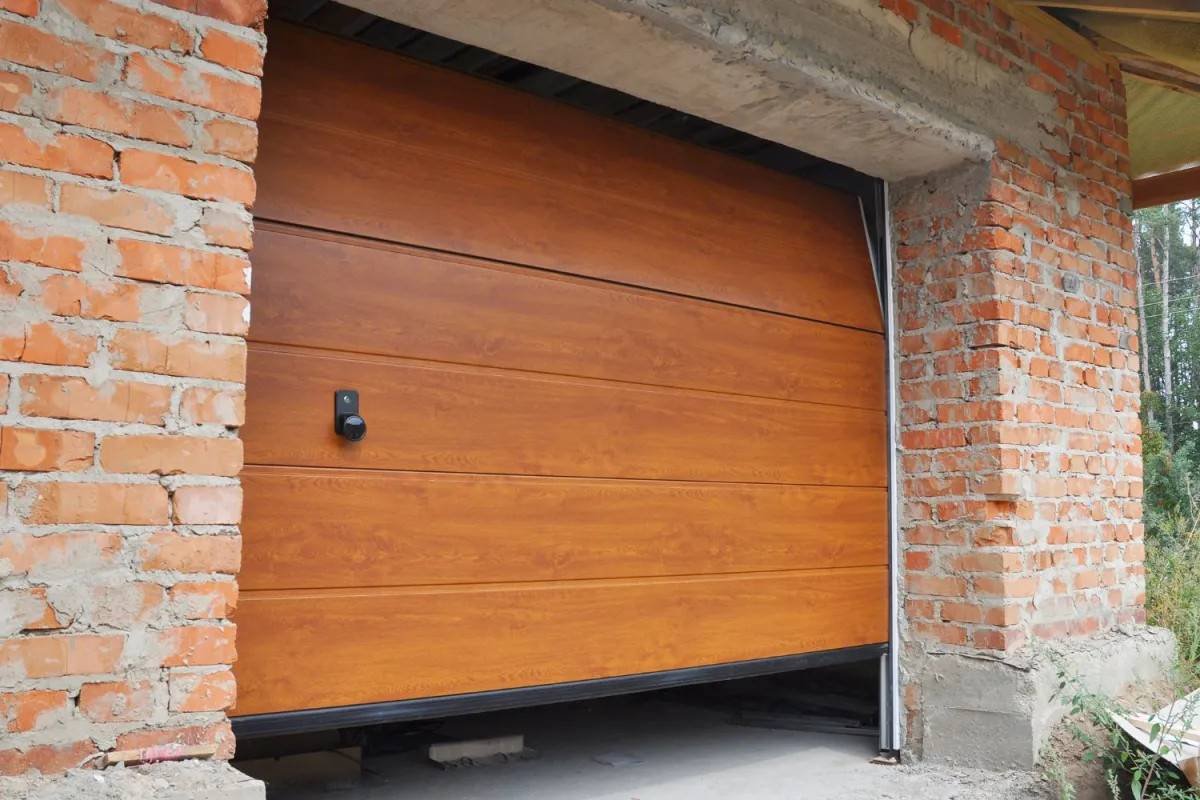

The garage is the only room in the house where you can see your breath in January. The walls are uninsulated stud cavities with exterior siding on one side and open air on the other. The ceiling has no insulation, or a thin layer of whatever the builder had left over from the house. The garage door is a sheet of metal or wood with an R-value of approximately zero. Insulating the garage is the difference between a space that is usable year-round and a space that is a walk-in freezer for four months of the year. The cost depends on the size of the garage, the type of insulation, and whether the garage door is included in the project, notes Kansas Landlord Tenant Law.
Cost by Area: Walls, Ceiling, and Garage Door
| Area | DIY Materials | Professional (Labor + Materials) |
| Walls (400 sq ft, R-13 batts) | $200-500 | $600-1,200 |
| Ceiling (400 sq ft, R-30 batts or blown-in) | $300-700 | $800-1,800 |
| Garage door (insulation kit, R-8) | $50-150 | $150-400 |
| Total (two-car garage) | $550-1,350 | $1,550-3,400 |
A standard two-car garage, roughly 20 feet by 20 feet, has about 400 square feet of wall area and 400 square feet of ceiling area. The three-foot-wide sections around the garage door frame add roughly 80 square feet. The total insulated area is roughly 880 square feet. The DIY material cost is $550 to $1,350. The professional cost is $1,550 to $3,400.
Insulation Types and Costs for Garages
| Type | Cost per Sq Ft | Best For | R-Value per Inch |
| Fiberglass batts (R-13) | $0.30-0.60 | Walls with existing stud cavities | 3.1-3.4 |
| Fiberglass batts (R-30) | $0.50-0.90 | Ceilings | 3.1-3.4 |
| Blown-in cellulose (R-30) | $0.80-1.50 | Ceilings with limited access | 3.2-3.8 |
| Rigid foam board (XPS, 2-inch, R-10) | $0.60-1.20 | Garage door panels, exposed walls | 5.0 |
| Spray foam (closed-cell, R-21) | $1.50-3.50 | Irregular cavities, air sealing | 6.0-7.0 |
Fiberglass batts are the standard choice for garage walls and ceilings because they fit in standard stud and joist cavities and require no special equipment. Blown-in cellulose is an alternative for ceilings where access is limited, such as above a finished drywall ceiling. Rigid foam board is used for garage door panels and for insulating the concrete stem wall around the perimeter. Spray foam is the most expensive option and is used when air sealing is as important as insulation, such as in a garage being converted to living space.
Garage Door Insulation: The Biggest Thermal Hole
A standard uninsulated metal garage door has an R-value of less than 1. In a garage with insulated walls and ceiling, the garage door is the dominant heat loss surface. Insulating the door is the single most cost-effective insulation upgrade per dollar spent. A garage door insulation kit costs $50 to $150 for a two-car door. The kit includes rigid foam panels or reflective foil bubble insulation that is cut to fit each door panel and attached with adhesive or retaining clips. The installation takes two to three hours. The R-value of an insulated garage door increases from less than R-1 to R-6 to R-9, depending on the kit.
Per wikiHow’s guide, ensuring a tight building envelope requires addressing every surface. The garage door is part of the thermal envelope if the garage is conditioned. If the garage is unconditioned and insulated only to make it less cold, the door insulation still provides a significant comfort improvement by reducing radiant heat loss from the door surface to the occupant. A person standing near an uninsulated metal door in winter feels cold because their body radiates heat to the cold door surface. The insulation eliminates this radiant cooling effect.
What Moves the Total Cost
- Access to the ceiling. If the garage ceiling is open joists, installing batts is straightforward. If the ceiling is drywalled and the insulation must be blown in through holes, the cost increases by $200 to $500 for the blower rental and the additional labor of patching the access holes.
- Wall covering removal. If the garage walls are drywalled and uninsulated behind the drywall, the drywall must be removed to install insulation, then replaced. This doubles the wall insulation cost because it includes drywall demolition and replacement.
- Spray foam vs. batts. Spray foam costs three to five times as much as fiberglass batts per square foot. It is appropriate for a garage being converted to living space where air sealing and maximum R-value per inch are priorities. It is overkill for an unconditioned workshop garage where the goal is simply to take the edge off the cold.
- Vapor barrier. In cold climates, a vapor barrier is required on the warm side of the insulation. For garage walls, the vapor barrier is a 6-mil polyethylene sheet stapled to the studs before drywall. The material costs $20 to $50 for a two-car garage. The labor adds an hour to the installation.
What R-Value Do You Need for a Garage?
The R-value needed depends on whether the garage is conditioned, unconditioned, or being converted to living space. For an unconditioned garage in a cold climate, R-13 in the walls and R-30 in the ceiling is the practical standard. This reduces temperature swings and makes the space usable as a workshop. For a conditioned garage that is heated in winter, the same R-values apply because the garage is not occupied full-time and the energy cost of heating to full living-space temperatures is high regardless of insulation level. For a garage being converted to living space, the insulation must meet the local building code for habitable rooms, which is typically R-20 in walls and R-49 in ceilings. The cost difference between R-13 and R-20 wall insulation is roughly $100 to $200 for a two-car garage. The cost difference between R-30 and R-49 ceiling insulation is $150 to $300.
Frequently Asked Questions
Is it worth insulating a garage that will never be heated or cooled?
Yes, with caveats. An unconditioned insulated garage is 15 to 25 degrees warmer in winter and cooler in summer than an uninsulated garage. The temperature difference is enough to make the garage usable as a workshop or for light exercise during months when an uninsulated garage would be unbearable. The insulation also reduces temperature swings that cause condensation on tools and stored items. The return on investment is in comfort and usability, not in energy savings, because there is no energy being consumed to heat or cool the unconditioned space.
Can I install garage insulation myself?
Yes. Fiberglass batt insulation in open stud walls and open ceiling joists is a straightforward DIY project. Wear a respirator, long sleeves, gloves, and eye protection. The fibers cause skin and respiratory irritation. Cut the batts to length with a utility knife. Fit them between the studs and joists without compressing them. Compressed insulation loses R-value. The garage door insulation kit is also DIY. Spray foam insulation is not DIY because the application requires specialized equipment and the chemicals require professional handling.
The Garage That Does Not Freeze
Insulating a garage is a $550 to $1,350 DIY project or a $1,550 to $3,400 professional job for a standard two-car garage. The garage door insulation kit is $50 to $150 and is the highest-impact investment per dollar. The walls and ceiling follow. The result is a garage that is 15 to 25 degrees more comfortable year-round. The tools do not rust from condensation. The car starts easier on cold mornings. The garage becomes a usable space rather than a storage shed that happens to have a large door. The insulation costs $550 to $3,400. It pays back not in dollars saved on energy, because the garage is not heated, but in hours of usable space gained during the months when the garage was previously too cold or too hot to use.