
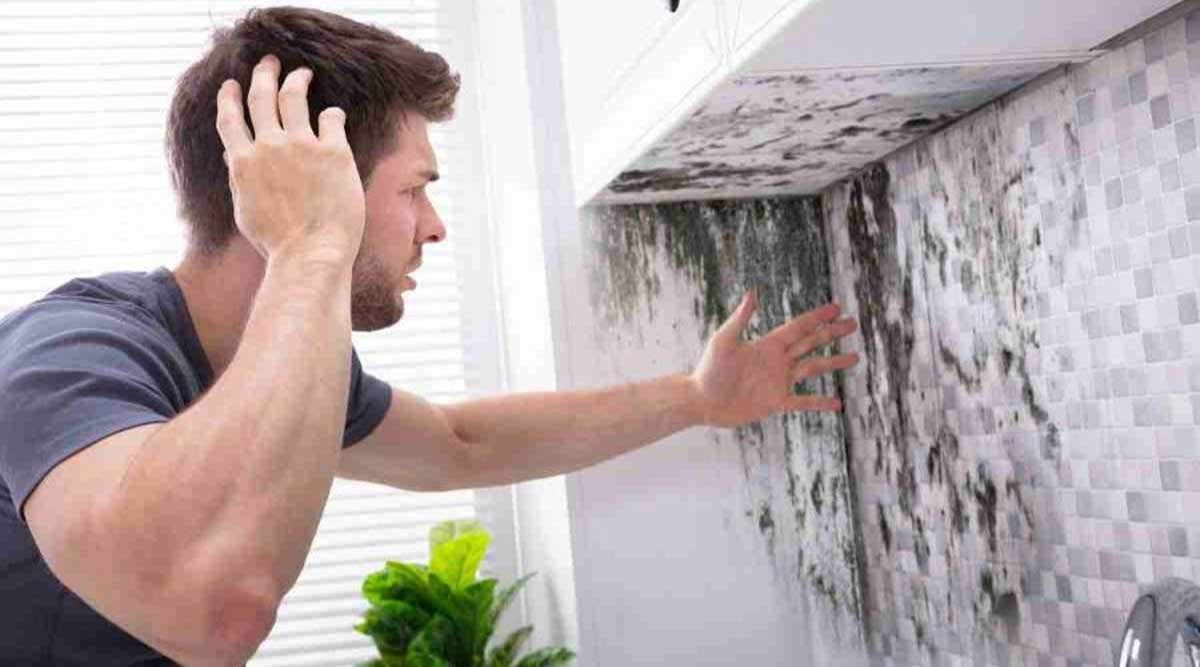

Australian homes are changing rapidly. A 2024 study by the national science agency, CSIRO, revealed that newly built residential properties are up to 50 percent more airtight than those tested just a decade ago. While this is fantastic news for energy efficiency and reducing heating costs during winter, it severely limits natural airflow throughout the dwelling. Older, leakier Australian homes naturally replaced their indoor air every 40 minutes, whereas modern airtight constructions trap organic pollutants and condensation inside.
This trapped moisture creates the perfect breeding ground for structural dampness. The scope of this problem is substantial across the nation. Asthma Australia’s landmark report found that half of all Australians experienced dampness or mould in their homes over a 12-month period, posing significant health risks. Preventing these widespread issues requires a proactive approach to removing the very elements that allow fungal spores to take root in the first place.
The Hidden Link Between Dust, Debris, and Indoor Mould
Mould does not simply appear on clean, dry surfaces. It relies on a specific set of environmental conditions to thrive, and unfortunately, the average home provides them in abundance. According to the U.S. Environmental Protection Agency, moulds require both excess moisture and an organic food source to multiply indoors, and their spores produce allergens that can harm respiratory health. When microscopic spores enter your home through open doors, windows, or HVAC systems, they immediately begin searching for hospitable environments.
Standard household dust is heavily composed of organic matter, observes TJC Real Estate Adams County. Shed human skin cells, pet dander, insect fragments, and general dirt serve as an immediate food source for these spores as soon as indoor humidity levels rise. The World Health Organization maintains strict guidelines classifying indoor dampness as a major determinant of respiratory illnesses. By eliminating this organic food source through routine deep cleaning, you effectively break the biological cycle before it can compromise your family’s health and damage your property’s internal structures.
Why Standard Vacuuming Falls Short
When humidity levels spike, the porous surfaces in your home bear the brunt of the impact. Neglected carpets, upholstered furniture, and heavy curtains easily absorb and retain ambient moisture from the air. This creates a damp, hidden micro-environment at the very base of the carpet fibres, which rapidly accelerates both fungal growth and house dust mite colonisation. Standard surface vacuuming might make the room look visually tidy, but it leaves deeply embedded organic soils and moisture pockets entirely untouched.
For a truly effective reset, calling in professionals is often the safest and most reliable course of action. The team at Optima Cleaners offers advanced extraction services that completely remove deep-seated organic soils while utilising high-powered suction to pull out residual dampness. This specialised process leaves the carpet fibres far too clean and dry to support indoor mould proliferation, ensuring your living spaces remain fresh, hygienic, and structurally protected against unseen degradation.
Identifying and Addressing Early Warning Signs
Moisture issues almost always start small before escalating into incredibly costly structural problems. The average cost for professional residential mould remediation in Australia typically ranges between $500 and $2,000 per room, depending on the severity of the infestation. In severe cases involving whole-house structural treatments, replacing water-damaged drywall, and repairing compromised timber frames, expenses can easily escalate beyond $6,000. These financial burdens highlight the immense value of preventative home maintenance and regular deep cleaning schedules.
Knowing how to spot the early warning signs of hidden mould can save you from undertaking these major repairs later on. If you notice a lingering musty odour in poorly ventilated areas like bathrooms, laundries, or kitchens, rapid accumulation of condensation is likely occurring behind the scenes. Routine removal of soap scum and organic residue in these highly vulnerable spaces is the absolute most reliable way to prevent rapid fungal blooming from taking hold on grout lines and ceiling cornices.
Protecting Your Home’s Exterior from Biological Growth
The threat of moisture damage is not confined to the interior of your property. Exterior surfaces are constantly exposed to the elements, and accumulated organic debris such as dirt, urban pollution, and decaying leaf matter provides a necessary structural anchor. This debris acts as a nutrient base for biomass organisms like moss, algae, and lichen to colonise exterior walls, roof tiles, and driveways over time.
Unchecked biological growth acts precisely like a sponge, significantly increasing the time rainwater sits directly against porous brick, render, and concrete. Prolonged exterior dampness trapped by this organic layer frequently leads to several serious material degradation issues:
- Craze cracking across rendered walls and concrete paths due to constant water retention and temperature fluctuations.
- Weakened paint grip, leading to peeling, flaking, and blistering on exterior timber surfaces.
- Eventual moisture penetration into internal wall cavities, transferring exterior dampness directly into your living spaces.
- Dangerous slip hazards on wooden decks and sloping driveways where algae slime accumulates after rainfall.
Routine exterior deep cleaning, such as professional pressure washing, is a powerful preventative measure. It proactively strips away the microscopic surface textures and dirt layers that airborne algae spores require to establish themselves. By keeping the exterior of your property free of organic buildup, you drastically reduce the building’s moisture retention and extend the lifespan of your exterior building materials.
Ultimately, whether you are managing an airtight new build or a slightly older property, viewing thorough cleaning as a structural necessity rather than a cosmetic chore is key. Keeping both the inside and outside of your home free from organic debris is the smartest, most cost-effective way to defend against moisture damage and mould.