
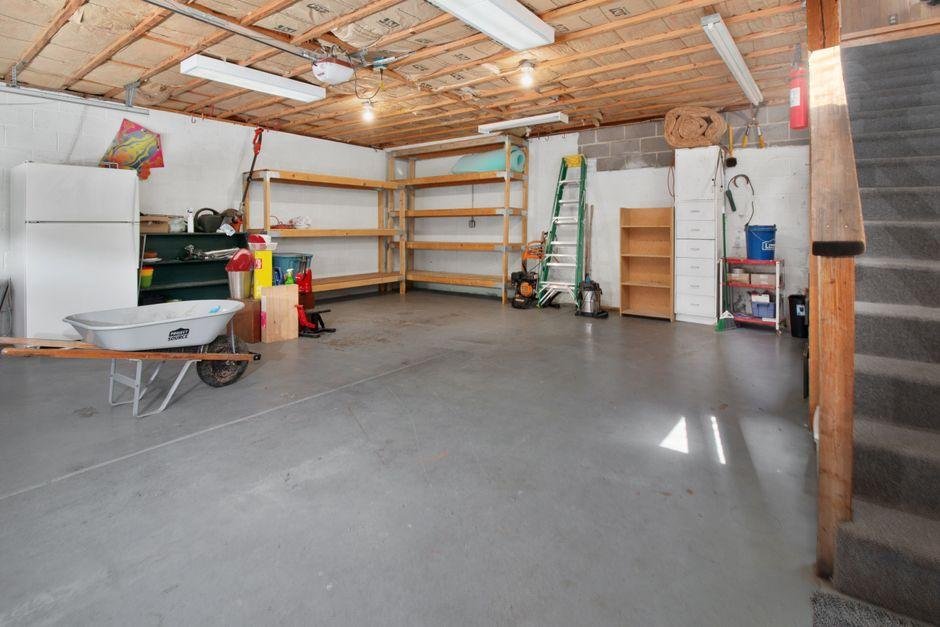

If your garage has turned into a holding cell for holiday bins, half-used paint cans, and that one treadmill nobody claims, you’re not alone. In Tampa, the problem gets an extra twist: heat, humidity, storms, and year-round outdoor gear can make garage clutter pile up fast, points out Real Property Management Raleigh Holly Springs. A smart setup does more than make the space look better. It protects your stuff, frees up room, and makes daily life feel a lot less chaotic.
Tampa Homes Need Storage That Handles Climate, Not Just Clutter
Garage organization in Tampa has a practical edge because the climate doesn’t mess around. High humidity can creep into everything. Sudden storms can send water toward the garage. Pollen, dust, and grime also seem to arrive uninvited, like the world’s worst houseguests.
That means storage choices matter more than people think. Open shelving can work well for some items, but enclosed cabinets are often better for anything you want to protect from dust or damp air. Wall-mounted systems help keep belongings off the floor, which is useful if water ever gets in during a heavy rain.
Materials matter too. Cheap particleboard units may look fine at first, then sag or swell over time. Powder-coated metal, heavy-duty wall panels, and moisture-resistant cabinetry tend to hold up better in hot, humid garages. Flooring is another overlooked upgrade. A coated floor is easier to clean and stands up better to tire marks, moisture, and daily wear.
If you’re exploring solutions pertaining to garage storage in Tampa, it makes sense to focus on systems designed for local conditions, not just generic organizing trends that look good online and fail in August.
Smarter Garage Organization Starts With How You Actually Live
A garage works best when it matches your routines, not some showroom fantasy with one shiny toolbox and zero real-life mess. Start by paying attention to what lands there most often. In many Tampa homes, that means sports gear, beach chairs, yard tools, holiday decor, storm supplies, and boxes that were “temporary” about three summers ago.
Before you buy a single shelf, sort everything into simple groups: keep, donate, toss, and relocate. Then look at how often you use each category. Daily items should stay easy to reach. Seasonal gear can go higher up or farther back. Chemicals, paints, and tools need safer, more controlled storage.
You’ll also want to think about local conditions. Heat and moisture can damage cardboard boxes, rust metal, and warp certain materials. Durable cabinets, wall systems, and overhead racks usually outperform improvised storage that gives up after one humid season.
The goal isn’t to make your garage look sterile. It’s to make it useful. If you can park your car, find a screwdriver in under a minute, and stop stepping over mystery bins, you’re already winning.
Wall Storage, Cabinets, and Overhead Racks Each Solve Different Problems
Not all garage storage does the same job, and treating it like one-size-fits-all usually creates a second round of clutter. The most functional garages use a mix of storage types, with each one handling a specific category of stuff.
Wall storage is great for tools, bikes, ladders, extension cords, and yard equipment. It keeps bulky items visible and easy to grab without eating up floor space. Cabinets work better for supplies that look messy or need protection, like automotive products, power tools, cleaning products, and paint accessories.
Overhead racks help with bulky seasonal items you don’t need every week. Think camping bins, holiday decorations, coolers, and backup storage. Used properly, they turn wasted ceiling space into something useful. Used badly, they become a suspense thriller over your car.
A good layout usually places the most-used items near the garage entry door or work area. Less-used gear can move higher or deeper into the room. If your garage doubles as a home gym, workshop, or hobby space, storage should support that function instead of constantly fighting it.
When every zone has a purpose, the garage stops being random square footage and starts pulling its weight.
Custom Design Beats Random Shelves From the Big-Box Aisle
There’s a reason so many DIY garage organization attempts stall out after one weekend. People buy a few shelves, stack bins, feel productive for six days, then the clutter quietly returns like it pays rent. A better result usually comes from planning the whole space before installing anything.
Custom garage design isn’t only about aesthetics. It helps you account for wall dimensions, ceiling height, vehicle clearance, access points, and the odd layout quirks that older garages often have. A tailored setup can leave room for parking, storage, and movement instead of forcing you into awkward compromises.
It also helps you avoid expensive mistakes. Installing overhead storage too low can interfere with SUVs or garage doors. Poor cabinet placement can block outlets or make corners useless. Even small decisions, like where to place sports gear versus gardening tools, affect how smooth the space feels day to day.
If your garage stores expensive equipment, workshop tools, or family gear for multiple activities, investing in a design that fits your habits can save money and frustration over time. Organized space isn’t just visually pleasing. It reduces damage, saves time, and lowers the chance that you’ll buy duplicates of things you already own but can’t find.
A Well-Organized Garage Adds Everyday Value to Your Home
Garage storage upgrades often get treated like a cosmetic project, but the payoff goes beyond appearance. An organized garage can improve your daily routine, support safer storage, and make your home feel more functional overall.
If you’ve got kids, easier access to bikes, sports equipment, and school project supplies can remove a surprising amount of weekday friction. If you handle yard work often, storing tools properly cuts down on wasted time and frustration. If your garage is your workshop or weekend project zone, layout matters even more.
There’s also the resale factor. Buyers notice garages. A clean, well-planned space suggests the rest of the home has been cared for too. Even if you’re not selling soon, that added utility has value now. Better organization can also help protect belongings from moisture, pests, and accidental damage.
Keep the system maintainable. Label bins clearly. Reserve one area for donations or overflow so clutter doesn’t spread like gossip. Review the space every few months and adjust as your needs change.
A garage shouldn’t feel like a punishment every time you open the door. With the right setup, it becomes usable space you rely on, not square footage you avoid.