

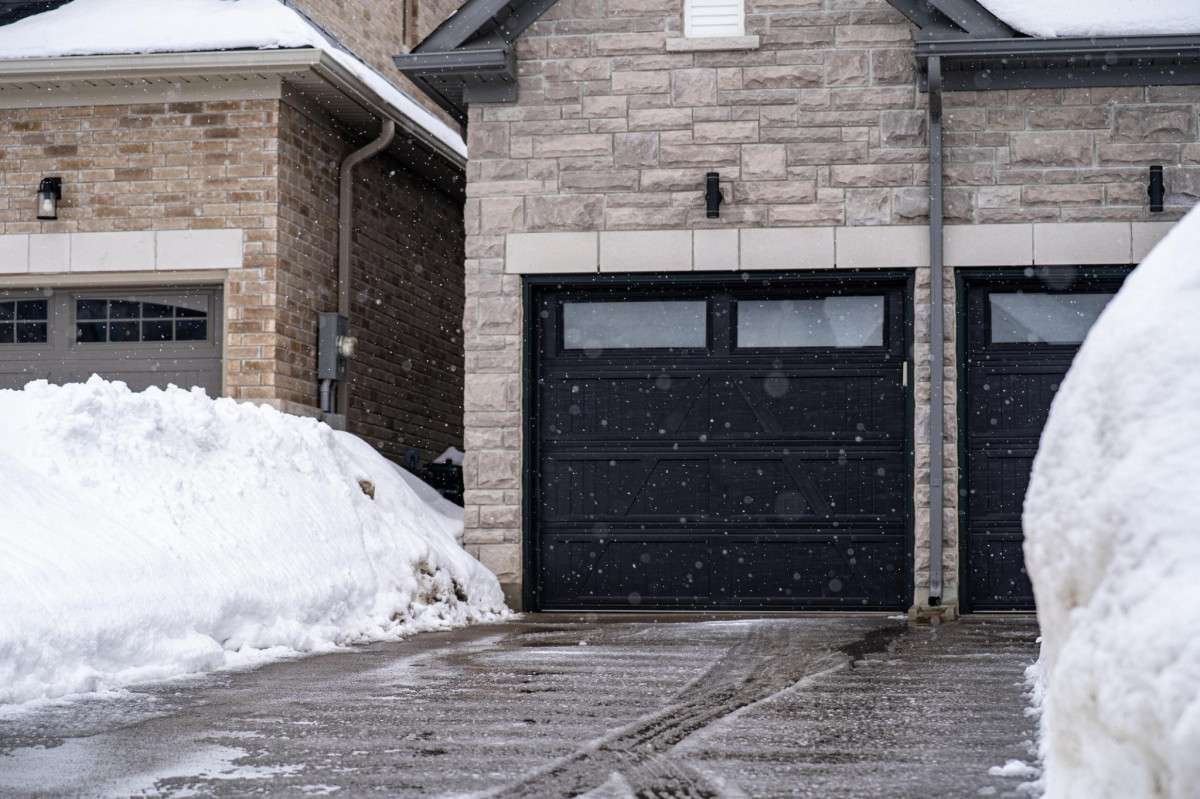
From freezing winter mornings to humid summer afternoons, your garage door endures far more than daily use. Temperature swings, moisture, ice, and wind can all affect the door’s parts, movement, and overall reliability.
For homeowners, noticing these changes early can help prevent bigger issues. A door that sounds louder than usual, moves unevenly, or struggles to close may be showing signs of weather-related wear.
Cold Weather Can Make Parts Stiff
Winter is one of the hardest seasons for garage doors in Ottawa. Cold temperatures can cause metal parts to contract, making springs, tracks, rollers, and hinges work harder than usual.
Lubrication can also thicken in freezing weather. When that happens, the door may move slowly or make grinding and squeaking noises. In some cases, the opener may seem weak even though the real issue is extra resistance in the moving parts.
Ice buildup near the bottom seal can also stop the door from opening properly. If the door is frozen to the ground, forcing it open can damage the opener or pull parts out of alignment.
Snow And Ice Can Affect Door Balance
Heavy snow around the garage entrance can put pressure on the lower part of the door. Over time, this can affect how the door sits when closed.
Ice can also collect around tracks, weatherstripping, and seals. When the door cannot move freely, it may shake, stop halfway, or reverse unexpectedly.
Common winter issues include:
Frozen bottom seals
Stiff rollers or hinges
Misaligned tracks
Broken or weakened springs
Extra strain on the opener
When these problems keep coming back, it may be time to schedule garage door repair in Ottawa before the issue gets worse.
Spring Moisture Can Lead To Rust
As snow melts and rain becomes more frequent, moisture can accumulate around garage door components. Metal components such as springs, cables, brackets, and tracks may rust if not protected.
Rust does more than affect appearance. It can weaken parts and make movement less smooth. A rusty spring or cable may not perform safely, especially under the weight of a heavy garage door.
Spring is a good time to check for water damage, worn seals, and any strange noises that may have developed during winter.
Summer Heat Can Expand Materials
Warm weather can also affect garage door performance. Heat may cause some materials to expand slightly, especially metal doors and tracks.
This can lead to rubbing, sticking, or uneven movement. High humidity can also affect wooden garage doors, causing swelling or warping if the door is not properly sealed.
During the summer, homeowners may also use their garage more often. More frequent opening and closing can place extra wear on rollers, springs, and the opener.
Regular Care Helps Prevent Seasonal Problems
A little attention throughout the year can make a big difference. Simple garage door maintenance helps keep the system moving smoothly and reduces the chance of sudden breakdowns.
Homeowners can watch for loose hardware, worn weatherstripping, unusual sounds, and slow movement. Keeping the area around the door clear of snow, leaves, and debris also helps prevent damage.
Professional service is helpful when the door feels heavy, moves unevenly, or shows signs of worn springs or cables. These parts are under tension and should not be adjusted without the right tools and experience.