
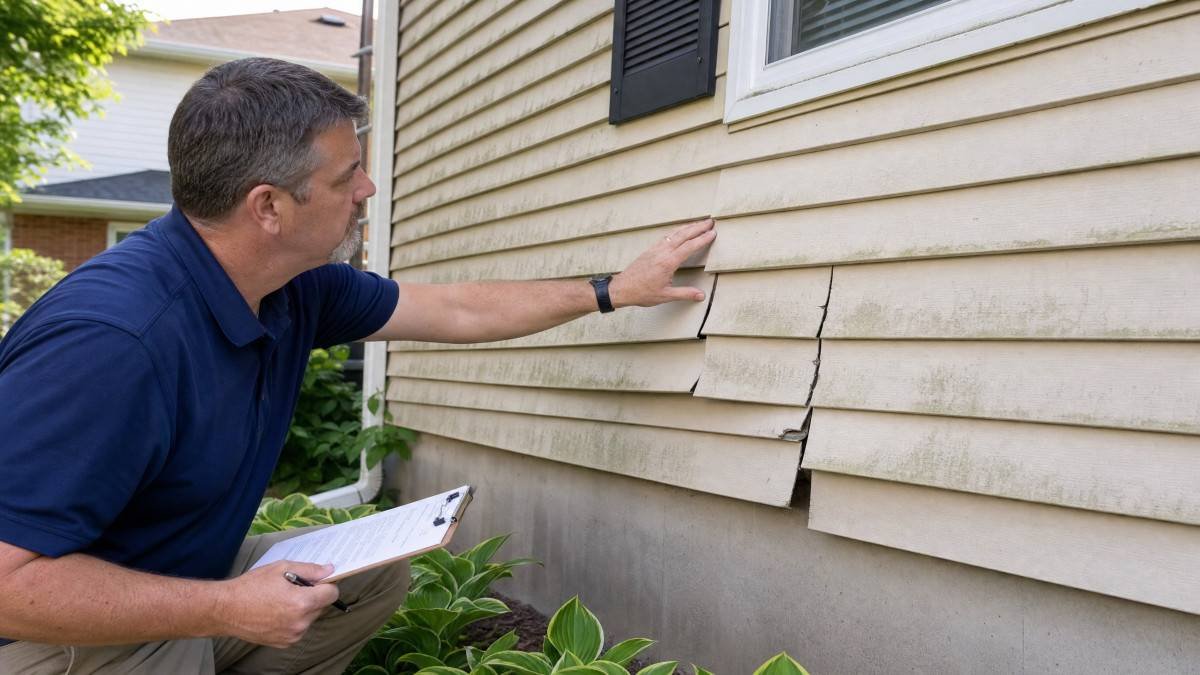

Assessing the condition of exterior siding is essential to maintain a home’s protective barrier against weather elements, reports SGI Property Management Dallas team. Exterior siding shields the structural framing and insulation from moisture, wind, and ultraviolet damage. Regular inspections help detect early signs of deterioration, preventing costly repairs caused by rot, mold, or structural compromise. By conducting thorough assessments, homeowners can extend the lifespan of their siding and ensure the home remains energy-efficient and comfortable throughout the seasons.
Different types of siding materials have unique vulnerabilities and maintenance needs. Common materials include vinyl, fiber cement, wood, engineered wood, stucco, and masonry veneers such as brick or stone. Understanding each siding type’s behavior under environmental stresses allows for more accurate evaluation of its condition and identification of potential failure points. Additionally, familiarity with these materials aids in selecting the most suitable siding for a specific climate and architectural style, optimizing both durability and aesthetic appeal.
Systematic inspection involves a thorough walkaround, looking for visual and tactile signs of damage. Key indicators include cracks, gaps, warping, discoloration, and evidence of moisture intrusion. Timely detection and repair of these defects help preserve the siding’s effectiveness and the home’s overall integrity. Incorporating seasonal inspections into a home maintenance schedule can prevent minor issues from escalating into major structural problems, saving time and expense in the long run.
Understanding Exterior Siding Materials
Exterior siding serves as a home’s first line of defense against environmental factors. Vinyl siding is the most common due to its low maintenance and affordability, offering resistance to moisture but susceptible to warping if installed improperly. Fiber cement siding is durable and fire-resistant but requires painting within a short window after installation to prevent deterioration.
Wood siding demands regular painting or staining every five to seven years to maintain its protective qualities and resist rot and insect damage. Engineered wood, made from oriented strand board (OSB), is moisture sensitive and can degrade if exposed to water. Stucco requires a proper drainage plane to avoid water accumulation behind it. Brick and stone veneers provide excellent durability but reveal moisture issues through efflorescence or staining.
Each siding material also responds differently to climatic conditions. For example, vinyl siding can become brittle and crack in extremely cold temperatures, while wood siding may expand and contract with humidity changes, leading to potential gaps or warping. Understanding these material-specific reactions helps homeowners anticipate maintenance needs and plan for appropriate protective measures such as sealants or protective coatings to mitigate environmental impact.
Additionally, the installation quality plays a critical role in siding performance. Even the most durable materials can fail prematurely if not installed according to manufacturer guidelines. Proper flashing, ventilation, and moisture barriers behind the siding contribute significantly to its longevity. Homeowners should ensure that contractors follow best practices during installation to avoid problems that might not become evident until years later.
Steps to Inspect Exterior Siding Condition
Inspecting siding begins with a complete walkaround of the home’s perimeter, observing every side closely. Look for visible cracks, gaps, holes, or missing caulking around joints and penetrations such as windows, doors, and utility entries. These openings can allow moisture to infiltrate the wall assembly if left unattended.
Next, check for warping, buckling, or areas where siding pulls away from the wall, which often indicate underlying moisture damage. Discoloration, staining, or white powdery deposits known as efflorescence suggest water intrusion or mold growth. Probing suspect areas gently with a screwdriver can reveal soft spots indicating rot. Also, verify that siding maintains a minimum clearance of six inches above ground level to prevent moisture wicking.
It is beneficial to carry a flashlight during inspections to closely examine shaded or hard-to-see areas where moisture may accumulate unnoticed. Inspecting after rainfall can reveal water retention or leaks that might not be visible during dry weather. Additionally, paying attention to the condition of gutters and downspouts is important, as improper drainage can lead to water splashing onto siding, accelerating damage.
Homeowners should also document findings with photographs and notes to track changes over time. This practice helps identify patterns of deterioration and supports informed decisions about repair or replacement timing. Keeping a maintenance log contributes to better communication with contractors and ensures that no areas of concern are overlooked during subsequent inspections.
Common Siding Defects and Moisture Intrusion Signs
Each siding type exhibits typical defects that signal the need for repair. Vinyl siding often warps due to improper installation without expansion gaps; it may also crack from impact or become brittle in cold weather. Fading is common with prolonged UV exposure. Fiber cement siding can crack at joints, especially if not painted within 90 days of installation, exposing it to moisture damage.
Wood siding shows rot, peeling paint, or insect damage if not properly maintained. Stucco may develop hairline cracks, which are generally harmless, but wide cracks can indicate structural issues or water ingress. Missing or damaged weep screeds on stucco allow water to remain trapped behind the surface. Signs of moisture intrusion include staining, visible mold, soft spots under the surface, bubbling paint, and efflorescence on masonry surfaces.
Another common indicator of moisture problems is the presence of mildew or algae growth, often appearing as green or black streaks on siding surfaces. These organisms thrive in damp environments and can hasten material degradation if not addressed promptly. Additionally, a musty or damp odor inside the home may signal hidden moisture behind the siding that is not yet visible externally.
Structural symptoms such as interior wall bubbling, peeling wallpaper, or warped drywall can also point to moisture intrusion originating from compromised siding. It is important to investigate these interior signs in conjunction with exterior observations to fully assess the extent of water damage and prevent further deterioration.
Comparing Siding Materials: Durability and Maintenance
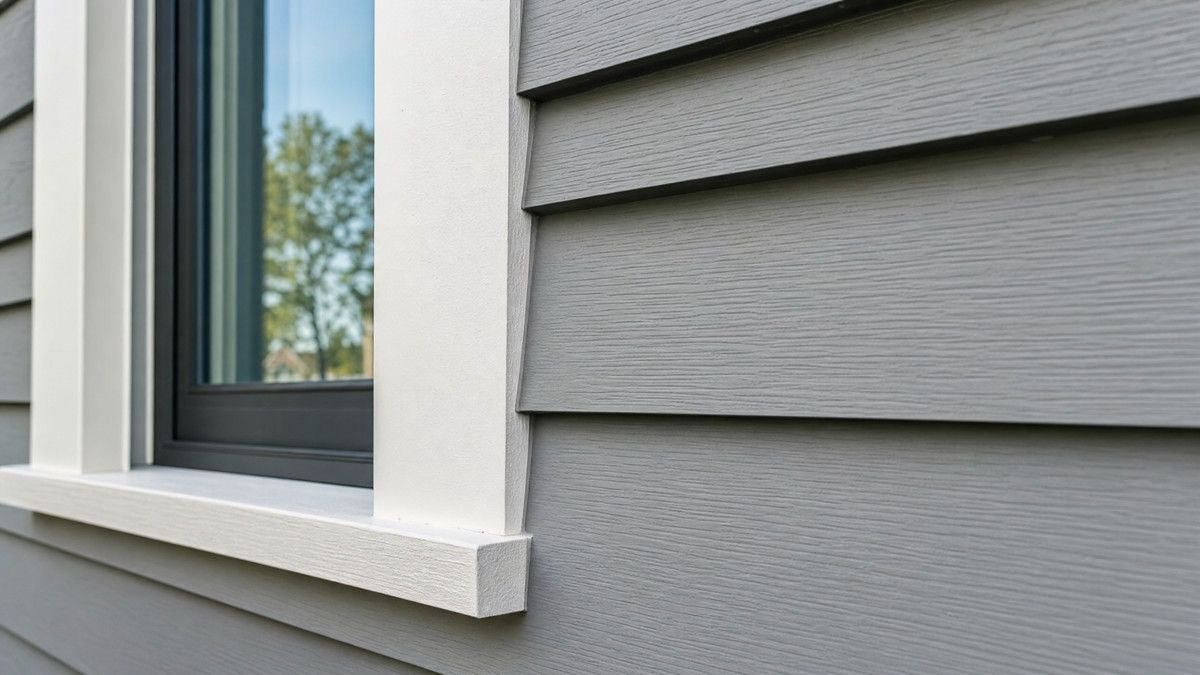
Choosing the right siding material impacts maintenance requirements and longevity. Vinyl siding offers low maintenance but can be vulnerable to physical damage and improper installation. Fiber cement is durable and fire-resistant but requires timely painting to protect it. Wood siding demands frequent upkeep to avoid rot and insect damage, while engineered wood is less durable due to moisture sensitivity.
Stucco provides a unique aesthetic but requires proper installation of drainage components to avoid moisture problems. Brick and stone veneers are highly durable but can reveal moisture issues through surface efflorescence. Understanding these characteristics helps homeowners anticipate inspection focus areas and maintenance schedules.
Cost considerations and climate compatibility also play important roles in siding selection. For instance, fiber cement siding is well-suited for regions prone to wildfires due to its fire-resistant properties, whereas wood siding may fare better in dry climates where moisture-related problems are less prevalent. Vinyl siding is popular in many areas for its affordability and ease of installation, though it may not perform as well under extreme weather conditions such as hail or high winds.
Maintenance demands vary widely among siding types and should be factored into long-term homeownership planning. Some materials, like brick or stone veneers, require minimal upkeep beyond occasional mortar joint inspections, while wood siding calls for regular painting or staining to maintain its integrity. Homeowners should weigh both upfront and ongoing costs to find the most practical balance between aesthetics, durability, and maintenance workload.
| Siding Material | Typical Lifespan (Years) | Maintenance Frequency | Common Defects | Cost Range (per square foot) |
|---|---|---|---|---|
| Vinyl | 20–40 | Low; occasional cleaning and caulking | Warping, cracking, fading | $2–$7 |
| Fiber Cement | 25–50 | Painting every 7–15 years | Cracking, paint failure | $5–$10 |
| Wood | 15–40 | Painting or staining every 5–7 years | Rot, insect damage, paint failure | $3–$10 |
| Engineered Wood | 15–30 | Painting every 5–7 years | Moisture damage, swelling | $3–$8 |
| Stucco | 40–50+ | Inspection and patching as needed | Cracking, moisture intrusion | $6–$9 |
| Brick/Stone Veneer | 50+ | Minimal; check mortar joints | Efflorescence, cracking | $8–$15 |
Repair and Maintenance Best Practices for Siding
Repairing siding begins with sealing gaps and penetrations using appropriate caulking to prevent moisture entry. Damaged panels should be replaced promptly to avoid further deterioration. Wood siding benefits from repainting or restaining to maintain its water resistance and appearance. Installing proper flashing around windows, doors, and utility penetrations is essential to divert water away from vulnerable areas.
Maintaining proper grade and slope around the house foundation ensures water drains away from siding and reduces moisture exposure. Regular inspection and upkeep, including cleaning debris and trimming vegetation away from the siding, help prevent moisture retention and insect infestation. Annual inspections allow early detection of emerging issues before they escalate.
When conducting repairs, it is critical to use materials compatible with the existing siding to maintain uniform appearance and performance. For example, caulking should be flexible and weather-resistant, matching the siding’s expansion properties. In cases of extensive damage, partial or full siding replacement may be necessary to restore the protective barrier effectively.
Preventive maintenance also includes cleaning the siding surface to remove dirt, mildew, and pollutants that can degrade materials over time. Soft washing or gentle pressure washing methods tailored to the siding type can rejuvenate appearance and inhibit biological growth. Homeowners should avoid harsh chemicals or abrasive techniques that could damage the siding finish or underlying substrate.
Frequently Asked Questions
What is the typical lifespan of vinyl siding?
Vinyl siding generally lasts between 20 and 40 years. Its durability depends on installation quality, environmental exposure, and maintenance. Properly installed vinyl siding with regular cleaning and timely repairs can reach the upper range of this lifespan. However, harsh weather conditions like hailstorms or extreme heat can reduce its longevity, so ongoing care is important to maximize performance.
How long does fiber cement siding last?
Fiber cement siding typically lasts from 25 to 50 years. It is valued for its durability and fire resistance. However, timely painting within 90 days of installation and ongoing maintenance are critical to prevent cracking and moisture damage that can shorten its life. When well-maintained, fiber cement can outperform many other siding materials in both lifespan and resistance to environmental stressors.
What is the required clearance between siding and soil?
A minimum clearance of six inches between the bottom of the siding and the soil is recommended. This gap prevents moisture from wicking into the siding material and reduces the risk of rot and insect infestation at the base of the walls. Maintaining this clearance also allows for proper airflow and drainage, which helps keep the siding dry and extends its service life.
How often should caulking around siding be inspected and replaced?
Caulking should be inspected at least once a year for cracks or gaps that could allow water penetration. Replacement of caulking typically occurs every five to ten years depending on material quality and environmental conditions to maintain an effective moisture barrier. Prompt attention to deteriorated caulking prevents water intrusion and subsequent damage to the siding and underlying wall structure.
What is the approximate cost to reside a house?
Residing a house can range from $5,000 to $20,000 depending on siding material, house size, and labor costs. Vinyl siding is generally less expensive, while fiber cement and masonry veneers are at the higher end of the cost spectrum. Additional factors such as removal of old siding, complexity of the installation, and regional labor rates also influence the overall cost.
Conclusion
Accurately assessing the condition of exterior siding is crucial to preserving a home’s structural integrity and preventing costly moisture damage. Understanding the characteristics and vulnerabilities of various siding materials allows for targeted inspections and timely identification of defects such as cracks, warping, and signs of moisture intrusion. Consistent maintenance, including caulking, painting, and ensuring proper grading, enhances siding performance and lifespan. Maintaining a proactive approach to siding care can greatly reduce the risk of expensive repairs and improve the home’s energy efficiency and curb appeal.
Regular inspections combined with appropriate repairs help avoid extensive damage from rot, mold, and structural degradation. Homeowners can protect their investment by maintaining siding as a durable weather barrier, ensuring a safe, comfortable, and visually appealing exterior for many years. A well-maintained siding system also contributes to higher property value and peace of mind, knowing the home is safeguarded against environmental challenges.