
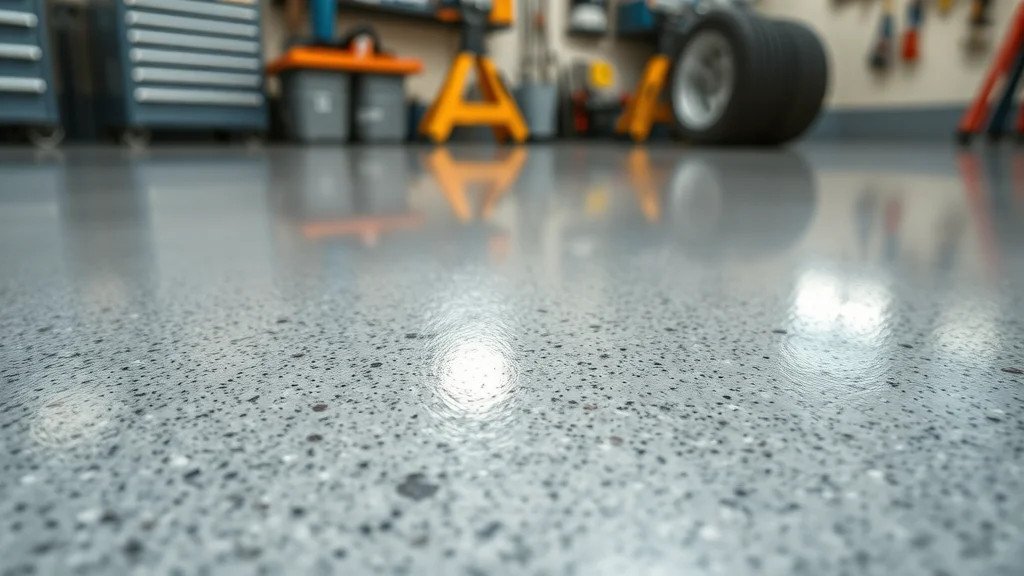

The epoxy garage floor was pristine when it was first installed. The high-gloss finish reflected the overhead lights. The surface was seamless and smooth. Six months later, the car has left tire marks in the shape of the parking pattern. A rust stain has formed under the snowblower. Road salt from last winter has left a white haze in the center of the floor. The epoxy is still intact. It is just dirty. Cleaning an epoxy floor is not the same as cleaning a concrete floor, notes Keyrenter Jacksonville. The chemicals that strip oil from bare concrete will strip the gloss from epoxy. The abrasive scrub pads that scour stains from uncoated surfaces will scour the finish off a coated one.
Routine Cleaning: The Weekly and Monthly Schedule
Epoxy floors do not trap dirt the way bare concrete does. The smooth, non-porous surface releases dust and debris with minimal effort. A weekly dust mop pass is the most important routine maintenance. A 24 to 36-inch dust mop pushed across the entire floor takes three minutes and removes the grit that, if left in place, gets ground into the epoxy by car tires and foot traffic. The grit is the enemy. It is not the dirt itself that damages the finish. It is the dirt being walked and driven over repeatedly, acting as a fine abrasive.
After the dust mop, spot-clean any areas that still show dirt with a damp microfiber cloth and plain warm water. Most grime on an epoxy floor comes off with water alone. Detergent is rarely needed for routine cleaning. If detergent is used regularly, a soapy residue builds up on the surface and makes the floor look cloudy. The residue also makes the floor slippery when wet. If the floor has developed a haze from detergent buildup, mix 4 to 5 ounces of ammonia with 1 gallon of hot water and mop the entire floor. The ammonia cuts the soap residue. Rinse with clean water and let it air dry. The gloss returns.
If the garage floor has saw-cut control joints, vacuum them monthly. Dust and debris collect in the grooves and cannot be reached by a dust mop. A shop vacuum with a crevice tool extracts the dirt from the saw cuts. This is a five-minute task that prevents the joints from becoming permanent dirt lines across the floor.
Deep Cleaning: Every Three to Four Months
Every three to four months, the epoxy floor needs a deeper cleaning to remove the film of road grime, salt residue, and general buildup that weekly dust mopping does not address. The recommended cleaning solution is half a cup of ammonia mixed with 1 gallon of hot water. Ammonia is a mild alkaline cleaner that cuts grease and lifts dirt without leaving a residue and without attacking the epoxy finish. Commercial epoxy floor cleaners are an alternative. They are formulated specifically for epoxy and are safe for the finish.
Use a foam mop, not a string mop. String mops leave streaks on epoxy because the strings drag through the cleaning solution and deposit it unevenly. A foam mop applies the solution in a uniform layer. Spray the cleaning solution onto the floor in sections, work the foam mop over the section to lift dirt, and move to the next section. Rinse the mop frequently in a bucket of clean warm water. When the entire floor has been cleaned, go over it once more with clean water and a clean foam mop to remove any remaining cleaner. The floor can air dry or be dried with a microfiber cloth if the garage needs to be used immediately.
Per wikiHow’s guide, avoiding soap-based cleaners is critical for epoxy maintenance. Soap and detergent leave a film that builds up over repeated cleanings. The film dulls the gloss and makes the floor slippery. If soap has been used and the floor has developed a haze, the ammonia solution described above removes the buildup.
Removing Stains: Tire Marks, Rust, and Oil
Tire Marks
Tire marks on epoxy are rubber transferred from hot tires to the coated surface. They look like dark gray smudges following the path of the car. A concrete degreaser or a commercial cleaner made for epoxy floors removes them. Spray the cleaner on the marks and let it soak for several minutes. Scrub with a stiff-bristled nylon brush. Do not use a wire brush. Wire scratches the epoxy. If the marks do not come off with the first application, apply a second layer of cleaner and scrub again. Do not scrub harder. Scrubbing harder with a nylon brush is fine. Scrubbing harder with an abrasive pad is how the finish gets dulled in one spot that is visible every time the light hits it.
Rust Stains
Rust stains from metal objects left on the floor, toolboxes, snowblowers, patio furniture legs, are surface stains on the epoxy, not corrosion of the coating itself. A kitchen scrubbing pad, the type used for non-stick pans, removes light rust with dry scrubbing. No cleaner is needed. For heavier rust, mix equal parts CLR, a commercial calcium, lime, and rust remover, with warm water. Apply the solution to the rust stain. Scrub with the scrubbing pad. Rinse thoroughly with clean water. Do not use vinegar or acidic rust removers on epoxy. The acid etches the epoxy surface and permanently dulls the finish in that spot.
Oil and Grease
Fresh oil spills should be wiped up immediately with paper towels or a rag. Epoxy is resistant to oil penetration if the oil is removed promptly. An oil spill left for days may leave a faint discoloration. For set-in oil stains, apply a small amount of Simple Green or a mild degreaser to the stain. Let it sit for five minutes. Wipe with a damp cloth. Repeat if necessary. Do not use heavy-duty concrete degreasers on epoxy. The solvents in concrete degreasers are formulated for uncoated concrete and can soften or dull the epoxy surface.
What Never to Use on an Epoxy Garage Floor
- Acidic cleaners. Vinegar, citrus cleaners, and acid-based rust removers etch the epoxy surface. The damage is permanent. The gloss is gone. The only fix is recoating the floor.
- Soap-based cleaners. Laundry detergent, dish soap, and all-purpose household cleaners leave a residue that builds up over time. The floor becomes hazy and slippery.
- Abrasive scrubbers. Steel wool, wire brushes, and heavy-duty scouring pads scratch the epoxy. The scratches are visible under the gloss and cannot be removed without recoating.
- Concrete degreasers. These are formulated for bare concrete and contain solvents that are too aggressive for epoxy. Use a cleaner specifically labeled for epoxy floors or the ammonia solution described above.
- Pressure washers at close range. A pressure washer held too close to an epoxy floor, under 12 inches, with a high-pressure nozzle can delaminate the coating from the concrete. A pressure washer used at a distance with a wide fan tip is acceptable for rinsing but is overkill for routine cleaning.
Prevention: Keeping the Floor Clean Longer
Mats at the entry doors catch the majority of dirt before it reaches the epoxy floor. A coarse outdoor mat outside the door and an absorbent indoor mat inside the door together stop grit, salt, and moisture. The mats should be cleaned or shaken out regularly. A mat full of dirt is a dirt delivery system, not a dirt barrier.
Wipe up spills immediately. Epoxy is stain-resistant, not stain-proof. Oil, brake fluid, transmission fluid, and road salt all have a window of time during which they can be wiped up without leaving a mark. That window is minutes to hours, not days. A roll of paper towels and a spray bottle of Simple Green kept in the garage make spill cleanup a 30-second task instead of a deferred problem that becomes a stain.
Frequently Asked Questions
My epoxy floor has lost its gloss. Can it be restored without recoating?
If the dullness is from soap residue or dirt buildup, the ammonia and hot water deep cleaning solution will restore the gloss. If the dullness is from scratches or acid etching, the damage is in the epoxy surface itself and cannot be cleaned away. The floor must be lightly sanded and a new clear topcoat applied to restore the gloss. The topcoat costs $50 to $100 in materials for a standard two-car garage and takes a day to apply and cure.
Why do hot tires leave marks on epoxy and how do I prevent it?
Hot tires soften the rubber slightly, and the softened rubber transfers to the epoxy surface. This is called tire bloom or plasticizer migration. It is more common with new epoxy floors, floors in hot climates, and performance tires with softer rubber compounds. Parking the car on rubber mats where the tires rest reduces the marks. The mats also protect the epoxy from the heat of the tires. The marks can be cleaned with a degreaser as described above. They do not permanently damage the epoxy.
The Floor That Stays Glossy
An epoxy garage floor is the lowest-maintenance garage floor surface available, provided it is cleaned with the right materials. A weekly dust mop. A quarterly ammonia-and-water deep clean. Spills wiped up immediately. No acids, no abrasive scrubbers, no concrete degreasers. The floor that was glossy on installation day will be glossy five years later. The only thing that ever dulls an epoxy floor is cleaning it with something that should never have touched it in the first place.