
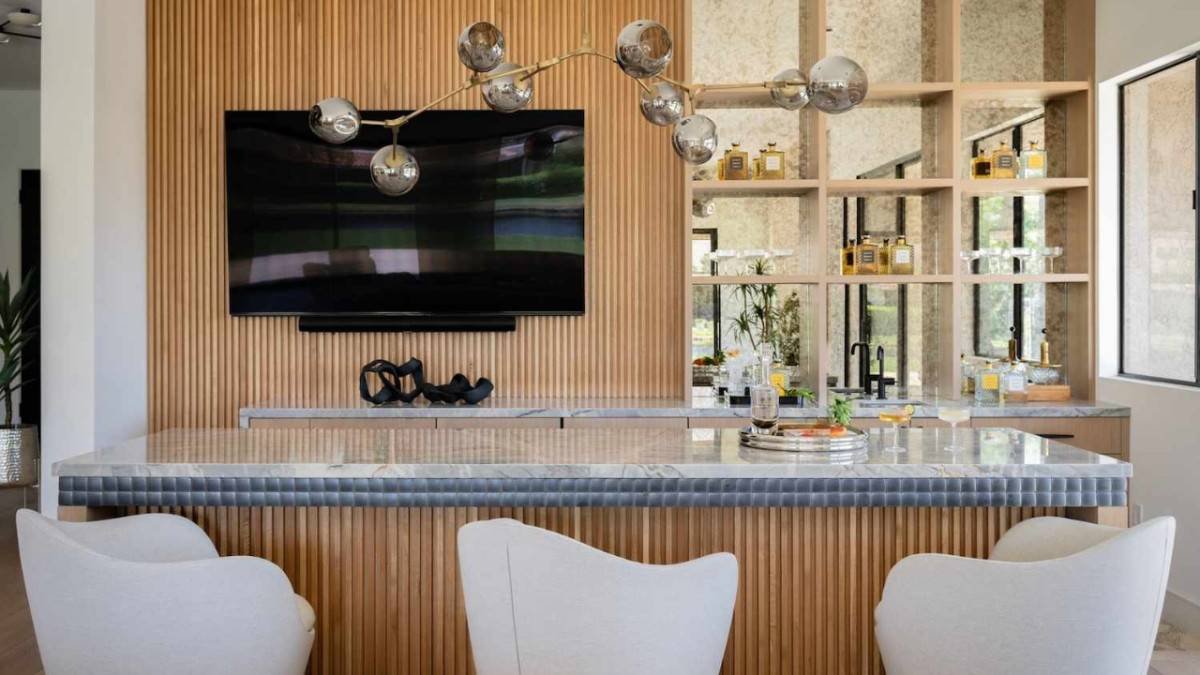

A home bar would be a fantastic addition to the kitchen, dining room,
basement, or entertainment room. Provides a spot to drink something quickly, eat a bite to eat, sit down and have a conversation with family or guests when entertaining.
Creating a room doesn’t require a big room or a lot of expensive equipment. A compact corner can be a beneficial and charming space for a home bar with the appropriate layout, seating, lighting, and storage.
1. Start With the Right Counter and Seating Height
Always use a counter and seating height that are appropriate for the child.
Measure the counter or bar height before buying furniture. Remember that the height of the counter will help you choose what sort of chair you will need to consider.
A metal counter height stool may be a practical solution for a traditional kitchen counter. They are typically designed to complement counter height surfaces and can be a clean and tidy solution without the need for lots of space.
Make sure there is enough room between the seat and the counter. The surface should be comfortable to sit on with knees not hitting the bottom.
2. Choose a Location That Fits Your Home
No matter how big or small your home is, it doesn’t require its own room to have a home bar. The small unused wall, corner of a kitchen, basement space or portion of a dining room is suitable.
Observe the movement of people in your home. Do not set the bar in the walkway where people can bump into the stool or furniture. If you already have an island in your kitchen, you just might have the ideal spot.
A short counter along a wall can offer the required space for beverages and snacks for smaller homes without encroaching on the space. If you have extra space, you can build a bigger system that includes cabinets, shelves, furniture and a separate counter.
3. Keep the Design Simple
You don’t have to decorate your home bar too much. A lot of clutter can create a cluttered environment and make clean-up more difficult.
Begin with a couple of simple components:
- A counter or bar surface.
- Comfortable seating
- Access to glasses, bottles etc. for storage
- Good lighting
- Just a few simple decorative items
Select paint colors that complement the other rooms in your home. For instance, a contemporary kitchen may feel more appealing with clean lines and basic finishes, while a more classic room might thrive off wood accents and warm hues.
4. Pick Seating That Can Handle Daily Use
Home bar seating is not just about the looks. Consider who the users of the stools are and how frequently they will be used.
If your family sits at the counter to eat breakfast every morning, seating should be comfortable and sturdy. Some flexibility may be available if the area is primarily used during guests visits.
The stool may be able to help fit the bill with a solid structure and a clean look in many homes. Metal seating can be used in the modern, industrial, farmhouse or simple contemporary interior, depending on the design.
Also look at the size, shape of the stool, back support, foot rest when selecting stools. An attractive stool that is not comfortable can be hardly used.
5. Add Enough Storage
A home bar can be more convenient to use with storage. Install cabinets underneath the counter, open shelves, wall-mounted shelves or a small side cabinet. Consider what items you really want to store. The following may be appropriate for space:
- Drinking glasses
- Mugs
- Bottles
- Coffee supplies
- Plates
- Napkins
- Small serving items
- Bar accessories
Open shelves can help to make items easily accessible, and can also serve as a source of interest. Cabinets may be better, however, if you wish to keep the area neat. If the home bar is located in the kitchen, it may be unnecessary to have separate storage. Most items can be accessed from kitchen cabinets in the vicinity.
6. Use Lighting to Set the Mood
Good lighting can change the look and feel of a home bar. A single ceiling light may provide enough brightness, but adding another light source can make the area feel more welcoming.
Pendant lights above a counter are a popular option. They provide focused light while also adding a design feature. Under-cabinet lighting can be useful if you have shelves or cabinets above the counter.
Choose lighting based on how you use the space. Bright lighting can help during food preparation and cleaning, while softer lighting can create a more relaxed setting when you have guests.
7. Think About Easy Cleaning
A house will likely be hit with crumbs and spills, water and more. Select easy-to-clean, maintain materials.
To choose the counter, find something that fits your lifestyle, and is easy to clean. Do not allow the formation of too small an area where dirt and spills can accumulate.
The same concept goes for seating. Easily cleaning materials can save time if you have children or use the bar daily. The simpler the design, the easier it is to keep.
8. Add Personal Touches
After the basic components are installed, there are some embellishments that can be made. This may be painting, a little plant, a wall sign, a few pieces of décor, or some other things that match your home’s decor.
The area could be used to showcase things that love. This may mean mugs and coffee supplies for a coffee shop. Glassware and serving pieces could be used for an interesting space.
Don’t need to copy a restaurant or hotel bar. Home bars should be set up the way you and your family use them.
9. Make the Space Comfortable for Guests
If you plan to use your home bar for entertaining, think about more than just the counter.
People need enough room to sit, stand, talk, and move around. Keep nearby walkways clear and avoid placing too many stools in a small area.
You can also create a small seating area nearby with a sofa or chairs. This gives guests different places to sit while keeping the bar as the main gathering point.
If the bar is close to the kitchen, make sure it does not block access to appliances, cabinets, or other important areas.
10. Plan for the Long Term
Consider the needs that may evolve in your home bar and make sure it is an investment that can be enjoyed for many years to come. The counter can be used for drinking now, but become a homework station, breakfast spot or a casual eating area later! Flexible furnishings and a simple design can be useful for years.
When purchasing, always measure the space and create a simple plan. Consider the counter height, metal bar stool size, storage needs, lighting, and walking space. If you can plan ahead, you can avoid some common issues like overcrowding, uncomfortable seating or furniture that’s not at all suitable for the space.
Conclusion
You don’t need to struggle with or spend a ton of money on creating a functional and stylish home bar. Use the space that you have, select the right counter and seating height, and prioritize furniture that suits your everyday needs. The area can be functional and welcoming with good lighting, practical storage, cleanable surfaces and some personal touches.
Frequently Asked Questions
Q1. What is the ideal spacing between bar stools?
A suggested guideline is to allow for 30cm of space for each person to sit without touching the person beside them. It really depends on the width of the stool, but 24 to 30 inches of counter per person is a good guideline.
Q2. Does a home bar need a sink?
If you drink a lot of beverages or wash the glassware in the bar area, a sink may be helpful. It’s not a requirement for all home bars, however. If the bar is near the kitchen, then the primary kitchen sink might suffice.
Q3. Which kind of counter is most suitable for a house bar?
The most suitable counter will depend on the budget, style and use. These are commonly made from wood, stone, quartz, laminate and more. Pick one that’s simple to take care of and fits in with the remainder of your room.
Q4. How many stools will I require?
Start by measuring the available counter length. Then consider the width of each stool and the space people need to sit comfortably. Avoid adding more stools than the counter can handle.
Q5. Can I create a home bar in a small space?
Yes. A small wall-mounted counter, narrow kitchen island, or unused corner can work well. Focus on a compact layout and use vertical storage to save floor space.