
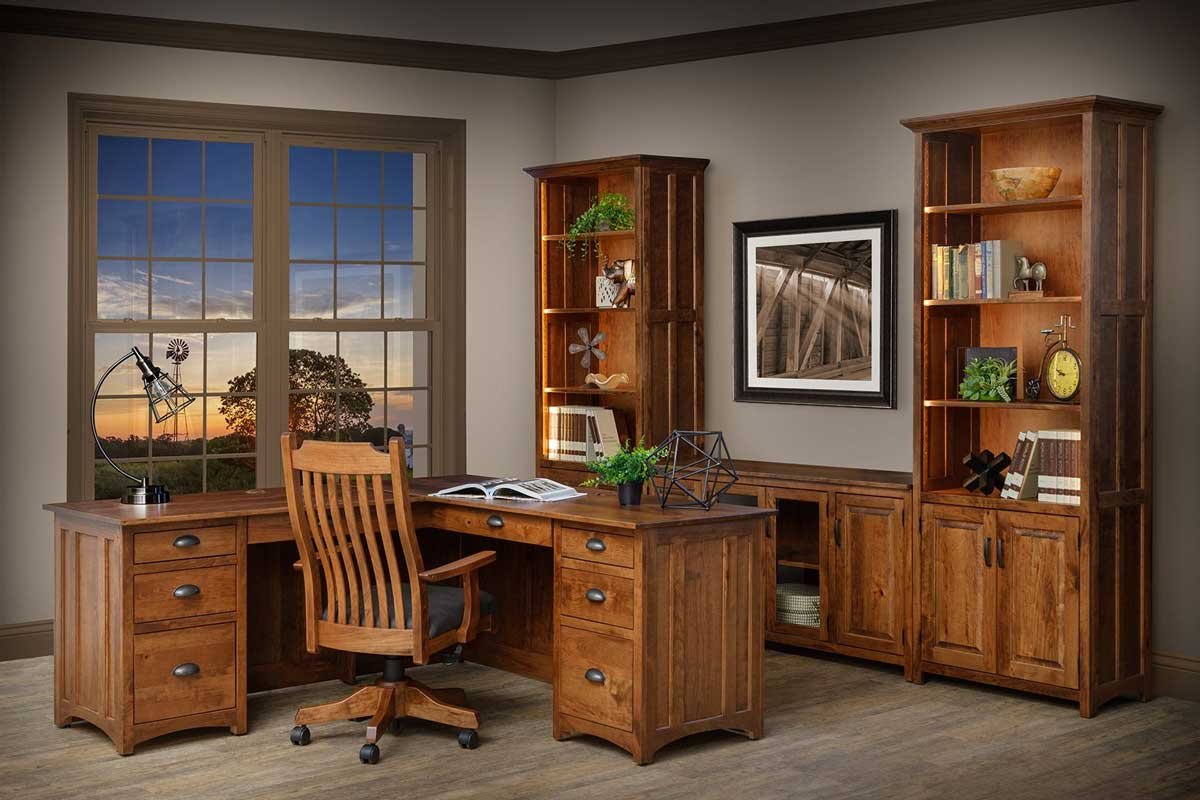

A home office is often created wherever space is available. It may be a spare bedroom, a quiet basement corner, a converted garage, or an unused area near a window. Once you add a desk, storage, lighting, and a comfortable chair, the space can quickly become part of your daily routine.
But before choosing the layout, the room itself needs attention. Moisture can affect how comfortable, healthy, and reliable a workspace feels over time. This matters even more when you plan to use solid wood furniture, since real wood performs best in a dry, stable, and well-ventilated space.
How do you create a home office that protects your furniture rather than exposing it to hidden moisture issues?
Choose the Right Location for Solid Wood Furniture
First, take a close look at the room before bringing in your first home office furniture, especially if you’re planning to build your office in your basement or garage. Check for any musty smells, damp baseboards, peeling paint, or condensation on glass windows. Wall stains, soft spots in the floor, mold behind furniture, or rust on vents can also signal moisture problems. These details can point to bigger issues even if the area looks fine.
Address any of these issues before setting up your workspace. According to the EPA, always maintain indoor humidity between 30% and 50%, and dry any damp materials within 24 to 48 hours to prevent mold growth. A dry, stable room provides solid wood furniture with a better environment for daily use and long-term care.
Choose Solid Wood Furniture for Long-Term Use
If you’re setting up a home office for daily and long-term use, solid wood furniture is a great investment. It can withstand regular use better than many MDF or particleboard options. If your wooden desk gets worn over time, it can be refinished instead of spending more on a replacement.
Amish furniture fits this kind of workspace because many pieces are made from hardwood and built for long-term use. Before Googling “Amish woodworkers near me” for a custom desk or cabinet, make sure your office has stable humidity, good airflow, and proper moisture protection. Some homeowners also use Amish-made dressers for office storage because they feel warmer and sturdier than basic filing units.
Control Humidity, Airflow, and Furniture Placement
Always keep a hygrometer in your office where you can easily see it. This instrument detects high humidity before the room starts getting damp. This is highly advisable in basements, garages, and cooler rooms that don’t dry out quickly. If the readings stay high, check the vents and use a good dehumidifier.
Plan where each wood piece will sit before you move it in. Leave a few inches behind large bookcases and cabinets, especially on exterior walls. Avoid windows that collect condensation and walls that feel cold or damp after rain. Amish furniture is often bought as a long-term hardwood piece, so it makes sense to place it where air can move and humidity stays steady.
Protect Solid Wood Furniture from Everyday Moisture
Most furniture damage starts with the smallest things: a coffee mug sitting too long, a cold glass leaving a ring, or a plant saucer staying damp underneath. Wipe spills right away and keep coasters or a desk mat where you usually work.
Keep wet bags, umbrellas, cold drinks, and freshly watered plants off the wood itself. Also check where the sun hits during the day. Strong heat from a window, heater, or air vent can dry the finish unevenly. Your desk and storage pieces will be easier to care for when they are kept away from daily moisture and harsh heat.
Maintain Your Moisture-Safe Home Office Year-Round
Take a closer look at the furniture after long periods of indoor heating. Open drawers, run your hand along the edges, and look at the legs, back panels, and lower corners. These areas usually show early signs of swelling, roughness, or trapped grime before the main surfaces do.
Clean your solid wood furniture with a dry cloth. Don’t soak the surface with liquid, and check the instructions that came with it before adding wax, oil, or polish. Always follow the maker’s or a professional’s advice if it needs a fresh protective coat because the wrong product can cause buildup or damage the finish.
Common Mistakes to Avoid
One common mistake is bringing the furniture in too soon. Any room can look usable after new paint or flooring. However, that doesn’t mean it’s already dry and safe. If the basement wall and floor still feel damp after rain, wait. Fix any leaks before adding anything in the room.
Another mistake is putting a band-aid on the warning signs. A musty smell shouldn’t be covered with air freshener. A dehumidifier shouldn’t be treated as the solution. Large bookcases shouldn’t be pushed flat against exterior or basement walls. These temporary measures can trap moisture, hide the real source of the problem, and make the office harder to maintain later.
Make the Room Ready Before the Furniture
A good home office isn’t just about where the desk fits. The room has to be safe and dry at all times. Fix leaks first, watch the humidity, and avoid tight corners where moisture can sit unnoticed. Once the space is ready, solid wood furniture has a better chance of staying sturdy and useful for many years.
For a workspace you use daily, choose pieces that feel worth keeping. A hardwood desk, bookcase, or storage cabinet can make the room feel more settled instead of temporary. If you want that kind of long-term setup, quality Amish furniture is one of the best options after the room has been properly prepared.