
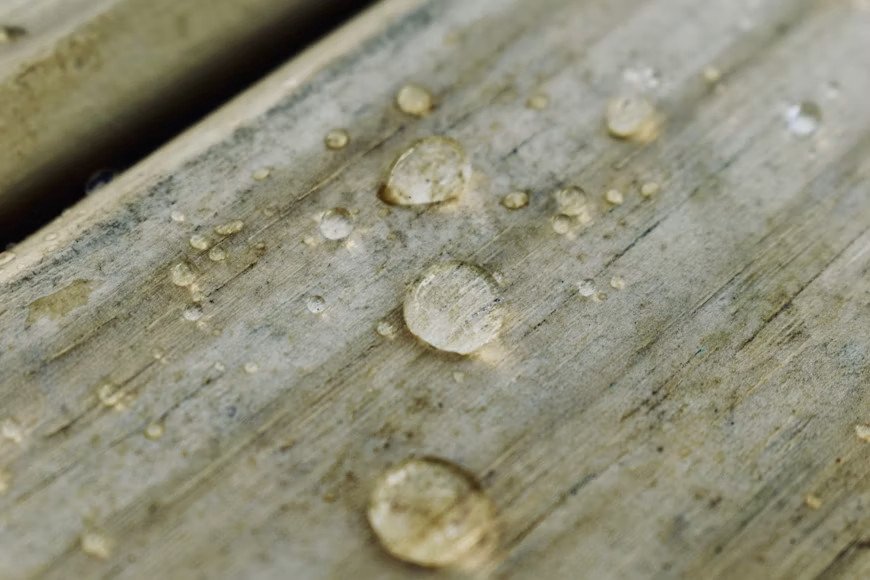

Limescale, mould and water staining can quickly ruin your dream home.
Each and every room is susceptible. Whether it be chalky residue on your faucets or black stains on your ceiling- these issues aren’t just unsightly. They can actually damage the underlying surfaces if untreated.
Here’s the good news:
Removals need not cost a fortune. Some are simple DIY tasks. Others require professional skills and experience. When you know what’s involved, it’s easy to budget.
Below is a full breakdown of what removal costs across a whole home.
Here’s What’s Covered:
- How common these problems are in UK homes
- Limescale removal costs across the home
- Mould removal costs room by room
- Water staining removal costs
- When to DIY vs when to call a pro
Time to dive in!
How Common Are These Problems In UK Homes?
Limescale, mould, and water staining are way more common than most people think.
Around 60% of UK households are affected by hard water. That chalky white stuff on your kettle, taps and shower screen is limescale made up of calcium and magnesium deposits from hard water.
Condensation isn’t the only thing that’s almost everywhere. A study discovered 28% of UK adults live in homes affected by damp, mould and cold. That means around 15 million people living with patches of mould, damp stains and wall staining.
And here’s the kicker…
The longer you wait, the more expensive it becomes to have something removed. If you take care of it sooner you can save yourself a ton of money.
Limescale Removal Costs Across The Home
Scale can develop just about anywhere there is water. However, the kitchen area often gets the worst of it.
With everything from limescale on the taps, water marks on the splashback and burnt-on grease inside the oven itself, the kitchen is by far the most expensive room to clean. Cleaning oven costs start from around £45-£80 for an average single oven — and price goes up considerably for double ovens, range cookers or large Agas. Factor in lime scale removal on the sink, taps and tiles too and the overall cost of cleaning your kitchen could range from £120 – £200+ for professional work. Most tenants want to budget for the whole property when moving out so try and see typical cleaning costs as one big package. Take a look at typical end of tenancy cleaning prices to see what you can expect to pay for a full property clean.
Typical limescale removal costs around the home:
- Kettle descaling: £2–£5 (DIY with vinegar or citric acid)
- Bathroom taps and showerheads: £25–£50 professionally
- Toilet bowl deep clean: £15–£30
- Shower screen and tiled walls: £40–£80
- Full kitchen limescale removal: £80–£150
- Whole-house limescale package: £180–£350
Live in an area with extremely hard water e.g. London, Cambridge or Hull? You’ll pay more. Scale builds up quicker there and requires significantly stronger products to shift it properly.
Pretty depressing huh? It can be even worse if the lime scale builds up on your boiler or dishwasher heating elements. Repair costs can soar into the hundreds…. even thousands of dollars. Boilers that should last 15 years often fail after only 8 in an untreated hard water house, points out TRI Property Pros in Kernersville.
Mould Removal Costs Room By Room
Mould is worse than lime scale. It eats into walls, spoils plaster and can harm your health if allowed to build up.
Here’s what typical mould removal costs look like:
- Small surface patches (under 1m²): £70–£150
- Bathroom ceiling and walls: £150–£300
- Bedroom walls (single wall): £150–£250
- Kitchen mould (usually behind appliances): £180–£350
- Full room mould treatment: £300–£600
- Whole-home mould survey and treatment: £600–£1,500+
The final cost depends on how ingrained the mould is. Surface mould growing on painted walls can be scrubbed off relatively inexpensively. However, once mould has penetrated into the plaster or plasterboard then those walls will usually need to be demolished and replaced.
Fix the cause of the moisture problem before you do anything else. Otherwise the mould will just reappear – and you’ll be paying twice for the job!
Water Staining Removal Costs
Water staining is that yellowy-brown halo you often find around baths and sinks or on ceilings where water has leaked or dripping onto wooden floors from above. Most water staining comes from minerals left behind in the water, or residue from old leaks.
Typical water stain removal costs:
- Bath and sink stain removal: £30–£60
- Ceiling water stain (paint over): £50–£120
- Wooden floor water damage: £100–£400 depending on the repair
- Wall staining from a leak: £80–£200
- Grout and tile restoration: £60–£150
Ceiling stains are the most difficult stains to deal with correctly. You can’t just slap paint over the stain- it will bleed through the new paint in just a few days. You need to use a stain-blocking primer before painting.
Skip that step and you’ll be redoing the ceiling in a matter of weeks.
When To DIY Or Call A Pro
Many minor jobs are perfectly okay to do yourself. White vinegar removes scale in kettles easily. Domestic bleach cleans small areas of mould on tiles perfectly well.
But here are the times to call someone in:
- Mould that keeps coming back after cleaning
- Damage bigger than 1m² in any single spot
- Mould growing near electrics or on high ceilings
- Anywhere with damaged plaster or plasterboard
- End of tenancy cleans where inspection standards are strict
- Water damage that has soaked into wood or drywall
DIYing a major mould/limescale issue will likely compound the problem. You’ll likely end up paying twice as much to have someone else undo the damage.
Rule of thumb? If it’s cosmetic only, DIY. If it’s structural or a health issue, hire a pro from the get-go.
Final Thoughts
Limescale, mould and water staining can be pesky little issues – but they’re easily treatable when you know what to expect pricing-wise.
Minor issues can be resolved economically using simple tools and common household chemicals. Larger issues (particularly major mould) are best left to the professionals. You’ll get it done right the first time.
To quickly recap the numbers:
- Limescale removal: £2 to £350 depending on the area
- Mould removal: £70 to £1,500+
- Water staining: £30 to £400
The best way to save money is by catching these issues early on. The longer you wait, the larger patches you will have. You will also increase damage and removal cost dramatically.
Do it now – your future bank account (and paint brush) will thank you.